Why Tamarind Candy Bridges Sweet Sour and Savory Perfectly
With its sticky pulp, tamarind candy lets you taste intense sour, sweet, and savory notes; you see how acidity and sugar combine to create balance. You should w

This article contains Amazon affiliate links. As an Amazon Associate, CandiesAndSweets earns from qualifying purchases.
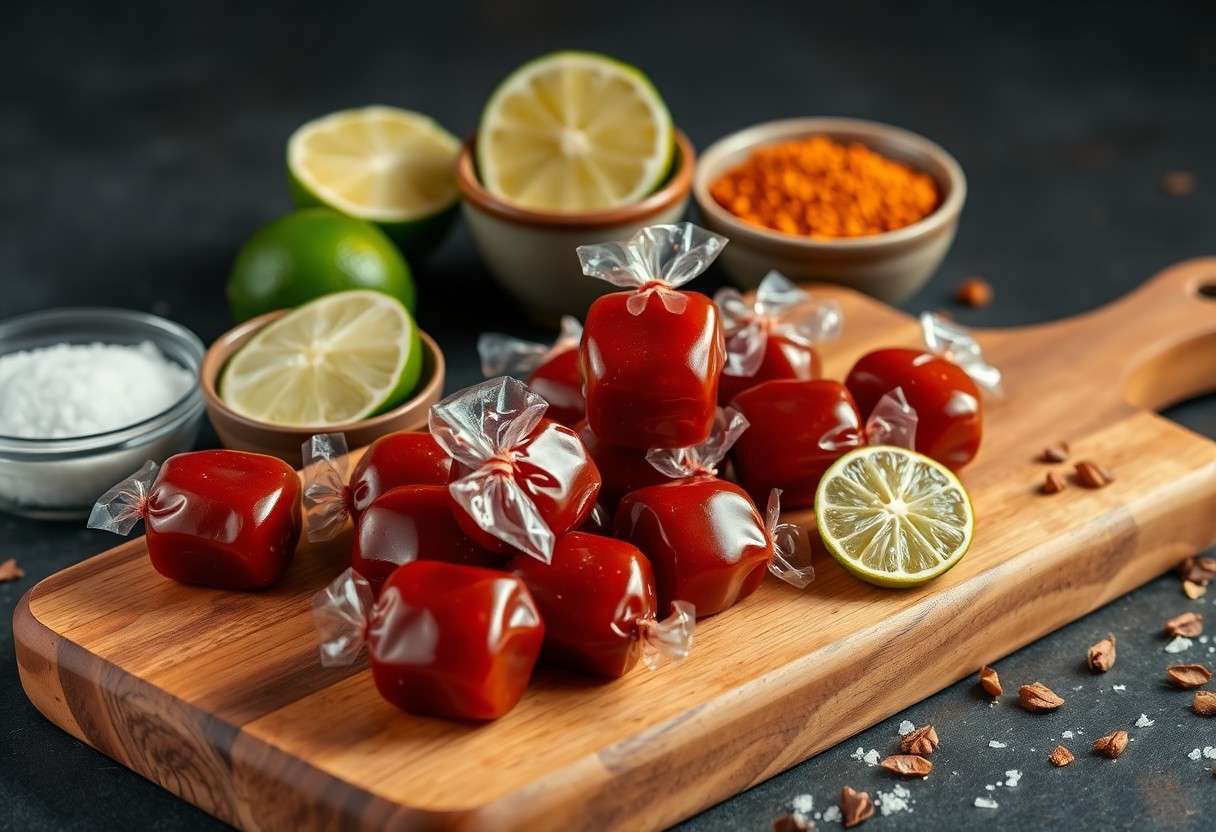
With its sticky pulp, tamarind candy lets you taste intense sour, sweet, and savory notes; you see how acidity and sugar combine to create balance. You should watch for high sugar that damages teeth, while enjoying tangy depth and digestive benefits.
The Chemistry of the Sweet-Sour-Savory Trifecta
Tamarind delivers a concentrated hit of organic acids that you perceive as bright sourness while its natural sugars provide immediate sweet counterpoint. You experience a complex mouthfeel because tartaric and malic acids interact with saliva and sugars to amplify fruitiness, but you must be aware that prolonged acid exposure can erode enamel.
Acids in the pulp lower pH and trigger salivation, which lets you sense underlying savory notes more clearly as amino acids and salts become perceptible. You rely on this interplay to get the sweet-sour-salty balance that defines tamarind candy’s addictive profile.
Balancing Acidity with Saccharine Additives
You find that added sugars and syrups blunt sharp acidity, rounding edges so the candy reads as pleasant rather than puckering. You should note that added sugar heightens perceived fruitiness while also increasing the risk of tooth decay if consumed frequently.
Blending invert sugar or molasses creates a syrupy matrix that coats taster receptors, moderating sour peaks and extending flavor persistence. You can use this technique to control mouthfeel and sweetness without overwhelming the inherent tamarind character.
The Integration of Sodium and Capsaicin
Sodium salts in tamarind confections enhance sweetness and suppress bitterness, so you perceive deeper savory undertones as salt opens taste channels. You must weigh this benefit against the health concern that excess sodium raises blood pressure.
Capsaicin adds thermal spice that you feel as heat rather than taste, activating TRPV1 receptors and increasing saliva and endorphin release; the result is an amplified flavor experience. You need to watch for mucosal irritation when heat is combined with acid.
Combining salt and chili with tamarind creates synergistic bursts: sodium amplifies sweetness while capsaicin heightens intensity and duration, so you get layered sensations. You should moderate proportions because high sodium or excessive capsaicin can cause adverse effects, yet when balanced they make the candy memorably satisfying.
Global Interpretations of Tamarind Confections
Across regions, you encounter tamarind confections transformed into chewy pastes, sticky rolls, and hard candies that emphasize a sour-sweet balance while inviting spice or sugar.
Regional techniques coax out tamarind’s acidity so you can pair it with salt, chili, or caramelized sugar without overwhelming your palate, though high acidity can erode tooth enamel.
Mexican Dulces: The Marriage of Chili and Pulp
Mexico wraps tamarind pulp with sugar and chile into vended dulces where you experience an immediate, addictive clash of tartness and heat.
Many street recipes dust sweets with chili-lime salt to sharpen flavors and give you a playful counterpoint between sweet and spicy, often bottled as a memory of childhood.
Southeast Asian Traditions: Salted and Preserved Varieties
Southeast Asian artisans favor salted, fermented, or candied tamarind that you can savor as savory snacks or condiments, showcasing deep umami notes.
Salted preparations concentrate tang and mineral tones so you enjoy prolonged flavor, but monitor intake since excess sodium can pose health risks.
Preserved varieties rely on sugar-curing or fermentation to extend shelf life and give you complex, long-lasting flavors while reducing spoilage when handled properly.
Sensory Science and Palate Stimulation
Tamarind candy forces you to reconcile tart acids, sweet sucrose, and tannic bitters, producing a multi-layered sensation that keeps flavors evolving across mouth and nose; beware that high acidity can erode enamel.
Why Complex Flavors Outlast Simple Sugars
Complexity means you sense delayed bitter and acidic notes after sugar fades, so tamarind offers a longer-lasting profile compared with simple candies you quickly forget.
The Role of Salivation in Flavor Perception
Saliva carries and dissolves tamarind’s volatile acids and aromatics, so you perceive amplified aromas and a fuller mouthfeel; that salivation-driven release heightens both sour and savory cues.
Your chewing rhythm and saliva mix sugars with acids to form transient compounds that bring out umami-like notes, making the candy taste unexpectedly savory.
Lastly, you should note that steady salivation sustains aromatic release while rapid dilution reduces intensity, so timing of chewing directly alters perceived flavor strength.
Texture and its Impact on Flavor Release
You feel texture dictate how flavors flow: a quick crunch yields an immediate sour hit, while tacky pulp lets sweetness and savory notes linger on the palate.
Chewing pace alters that timeline: rapid bites concentrate acidity, while slower mastication gives you extended aroma release and can reveal subtle umami edges.
Fibrous Pulp versus Smooth Concentrates
Fibrous pulp gives you intermittent bursts as strands rupture, creating a staggered release that supports layered savory complexity and a more measured sweetness.
Smooth concentrates coat your palate uniformly, producing an immediate sour-to-sweet arc that can mask textural nuance but delivers consistent intensity; sticky residues may increase sugar exposure.
The Influence of Crystalline Sugar Coatings
Coated crystals deliver a crunchy onset that amplifies acidity and aroma, so you perceive a bright pop of flavor before the internal pulp unfolds.
Layered sugar thickness dictates dissolution speed, meaning you can experience either a quick sugar surge or a drawn-out sweet finish that moderates sour impact.
Beads exposed to humidity can clump and dissolve faster, creating a rapid sugar spike that raises dental risk, so you manage texture by controlling storage and coating size.
Cultural Significance and Culinary Versatility
Tamarind candy threads through cultures where you use it to balance flavors, shifting from snack to sauce with ease; its sweet-sour profile pairs with street food, family recipes, and modern plates, reinforcing regional tastes without overpowering them.
Across kitchens you encounter tamarind as both treat and tool, so you adapt quantities when cooking and consider the high sugar in candies versus the fresher pulp when crafting savory sauces.
Tamarind as a Bridge Between Candy and Condiment
You find tamarind candy acting like a concentrated pantry ingredient, melting into glazes or loosening into marinades; the acidic tang brightens savory elements while the candy’s sweetness smooths harsh spices.
Evolution of the Modern Artisanal Market
Artisans have reintroduced tamarind with attention to origin and technique, prompting you to seek products labeled preservative-free and single-origin, which inform how you pair them in recipes.
Craft makers also publish tasting notes and usage tips so you can match candies to dishes, while still watching for variable sugar levels that affect final textures and balances.
Local producers and online shops now offer seasonal runs that encourage you to experiment, feeding back consumer preferences into new flavor hybrids and collaborations that expand how tamarind candy is used in both sweet and savory contexts.
Conclusion
From above you can see how tamarind candy combines concentrated tartness, sugar, and umami spices to create balanced contrasts that you instinctively pair with fruits, meats, and snacks. Its sticky texture and bright acidity let you bridge sweet, sour, and savory elements without overwhelming any component.