What Makes Candy Addictive on a Chemical Level
Candy can be a tempting treat, and understanding its allure on a chemical level reveals why you may crave it so often. When you indulge in sugary delights, your

This article contains Amazon affiliate links. As an Amazon Associate, CandiesAndSweets earns from qualifying purchases.
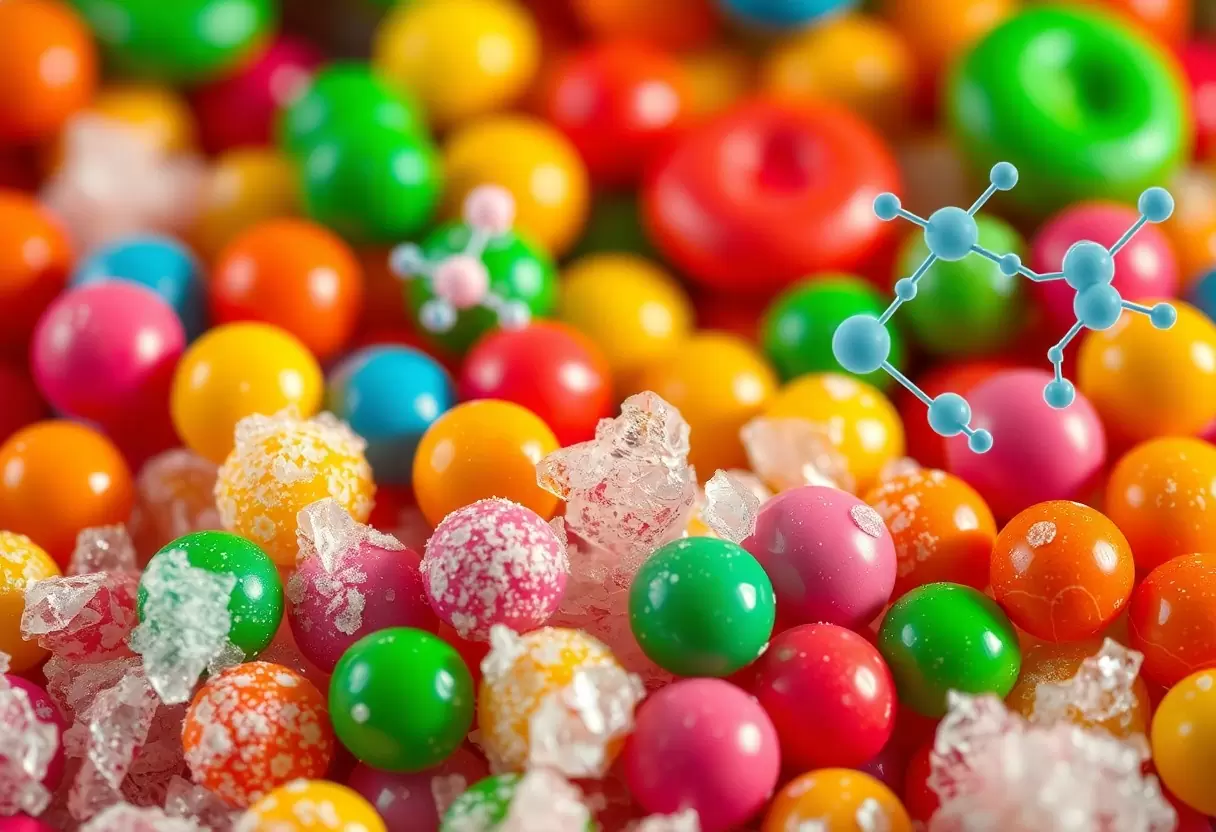
Candy can be a tempting treat, and understanding its allure on a chemical level reveals why you may crave it so often. When you indulge in sugary delights, your brain experiences several chemical reactions that boost your mood and create a sensation of pleasure. This post will take you through the fascinating science behind why candy can spark addictive behaviors, exploring the role of sugar, dopamine, and the neurological pathways that keep you coming back for more. By the end, you’ll have a clearer insight into your own candy cravings.
Sweet Chemistry: The Sugar and Fat Connection
The Role of Sugar in Reward Pathways
Sugar operates as a potent activator of the brain’s reward pathways, particularly through the release of dopamine. When you consume candy, sugar molecules rush into your bloodstream, leading to a spike in insulin levels. This biochemical reaction results in the activation of neurons in the brain’s pleasure centers, reminiscent of the responses seen with addictive substances like drugs and alcohol. A study published in the journal “Frontiers in Psychology” highlighted that the sweetness of sugar can trigger your brain’s reward system even before it reaches your taste buds, creating conditioned responses that make you crave more with each indulgence.
Your physical response to sugar doesn’t just end with dopamine. The rapid influx of energy that sugar provides contributes to glucose highs followed by crashes, which can generate further cravings. This cycle leads to repeated sugar consumption as your body seeks to regain that fleeting spike of pleasure. Over time, repeated activation of these pathways can make it increasingly difficult to resist sugary treats, further embedding the addictive nature of candy in your daily routine.
Fats and Their Synergy with Sugar
The combination of sugar and fat creates a uniquely irresistible profile in candy that your brain finds hard to resist. This synergy works by enhancing the overall palatability and flavor experience, which further stimulates your brain’s reward centers. Well-designed treats, like chocolate bars, leverage this duo effectively, balancing texture and taste. Research shows that foods high in both sugar and fat stimulate more dopamine release than either component alone, deepening your cravings and satisfaction levels while consuming them.
Fat plays a significant role in food’s mouthfeel, which, when combined with sugar, leads to increased food enjoyment. The creaminess from fats coats your palate, enhancing delivery of sweetness and providing a longer-lasting flavor experience. This combination exploits the brain’s circuitry even more; with the indulgent texture of fat making sugar feel more rewarding, your brain processes candy as an irresistible treat. Over time, you may find yourself gravitating towards those sugar-fat combinations not just out of desire, but because your brain has learned to associate them with pleasure and reward.
Brain Chemistry 101: Dopamine and Its Effects
How Candy Triggers Dopamine Release
Candy is not just a treat; it’s a dopamine dynamo. When you indulge in your favorite sugary snack, your taste buds send signals to the brain that elevate your mood and make you feel fantastic. That delightful rush of sweetness causes your body to release dopamine, a neurotransmitter that is fundamentally tied to pleasure and reward. This biochemical reaction occurs within seconds of consuming candy, leading to a satisfying high that makes you want to reach for another bite. For instance, chocolate contains a compound called phenylethylamine, which has been shown to stimulate the brain and enhance dopamine production, amplifying your enjoyment of the experience.
This dopamine release isn’t just a fleeting moment; it’s a complex dance of chemistry, reinforcing your desire for sweets. Each time you eat candy, your brain remembers the pleasure associated with that high-sugar indulgence and starts to associate the experience with happiness. This interaction can vary depending on the type of candy you choose, as different sweet treats carry distinct effects on dopamine levels. While some candies provide a quick spike in mood, others may lead to more profound and lasting dopamine responses.
The Reward Feedback Loop
In essence, the more frequently you engage this feedback loop, the more pronounced your cravings become. The brain learns to anticipate the dopamine rush associated with candy, which leads to an increased desire for sugary snacks over time. If you inadvertently train your brain to seek comfort in sugar during challenging moments, the cycle only worsens, often leading to habits that are not easy to break. Understanding this cycle is the key to managing your cravings and recognizing the power sugar has over your brain’s chemistry, allowing you to make more mindful choices about what you consume.
The Role of Additives: Flavor Enhancers and Preservatives
Additives play a significant role in making candy not only palatable but also irresistible. Flavor enhancers like maltodextrin or monosodium glutamate (MSG) can amplify sweetness and mask any off-flavors that might arise during processing. You might not think twice when reaching for that brightly colored candy, but many of these products are engineered to hit your taste buds in precisely the right way, seducing you into wanting more. Preservatives, on the other hand, extend the shelf life of candy, allowing manufacturers to maintain an appealing product that tantalizes your senses long after the initial bite.
The Impact of Artificial Sweeteners on Cravings
Artificial sweeteners have gained popularity as sugar substitutes in many candies, often touted for their zero-calorie benefits. However, these sugar substitutes can disrupt your body’s natural ability to gauge caloric intake. Although they taste sweeter than sugar, they lack the calories that typically signal satiety. As a result, you may find yourself reaching for more, creating a cycle of craving that intensifies with each indulgence. Studies indicate that the sweet taste alone can trigger the brain’s reward pathways, leading to an increased desire for not just more sweets, but actual sugar itself.
How Additives Manipulate Taste Perception
Flavor additives orchestrate a concert of tastes that can overpower your palate. Take, for instance, the inclusion of citric acid in sour candies, which heightens your perception of tartness. This strategic manipulation can make flavors more intense and distinct, drawing you in for more extended tasting experiences. Through techniques like flavor layering, manufacturers create complex profiles that tantalize both the sweet and sour sensations on your tongue. As the taste evolves in your mouth, it triggers a more profound craving, making you continually reach for that next piece.
The use of additives does not just enhance the flavor; it also alters the way your brain perceives sweetness. When a candy has a combination of synthetic flavors and preservatives, it results in a product that feels familiar yet different, increasing its appeal. You may notice that these additives allow manufacturers to experiment with flavors that may seem indulgent at a lower cost, providing an avenue for creative combinations that keep consumers engaged and wanting to explore more. The result? A taste experience that complicates your cravings, as the intricate sensations keep you coming back for more.
Psychological Factors: Conditioning and Craving
The psychology behind your cravings for candy links intricately to conditioning and emotional responses. Candy often serves as a comfort food, creating a sense of nostalgia or happiness associated with it. When you indulge in something sweet, your brain may not only respond chemically with dopamine, but it also ties emotional relief to the act of eating candy. This happens especially if you’ve experienced it during times of stress or reward, reinforcing the notion that candy is a buffer against negative feelings. A perfect example is how you might find yourself reaching for a chocolate bar on a tough day, subconsciously trained to associate sweetness with solace.
- Comfort food provides instant gratification, leading to repeated use as an emotional crutch.
- Childhood memories tied to candy can create lasting cravings during stress.
- Candy offers a momentary escape from everyday pressures, heightening its appeal.
These dynamics reinforce the pleasure centers of your brain, making you seek candy not just out of hunger but as a way to stave off discomfort. Recognizing these patterns can help you understand why the urge to indulge in candy often feels overwhelmingly powerful.
The Psychology of Comfort Foods and Candy
Comfort foods, like candy, often evoke feelings of safety and warmth from childhood. Think about a time when you were upset and someone handed you a piece of candy; that moment likely sticks with you as a repository for comfort. This emotional association can be so profound that you may find yourself craving candy during stressful periods, even if you’re not physically hungry. Over time, your brain starts to categorize candy consumption as a way to cope with negative emotions.
The sugar rush from candy enhances its comforting effects, with a quick hit of energy that matches your emotional needs. This concoction of memories, emotions, and biochemical reactions makes candy not just food, but a sentiment wrapped in colorful packaging. Your experiences with candy, combined with their ability to elicit pleasurable responses, forge a compelling link between emotional states and candy cravings.
Conditioning Through Repeated Exposure
Repeated exposure to candy in contexts linked to positive experiences can solidify a pattern of conditioned response. For instance, if you consistently reward yourself with candy after completing a task, your brain picks up on this association, strengthening the habit. This conditioning can begin in childhood when treats are often used as rewards for good behavior, imbuing candy with affirmative connotations. As you grow, this programming can manifest as a default behavior where candy becomes the go-to for celebratory moments, stress relief, or even just a routine snack, further entrenching your desire for it.
The classic example is the “Pavlov’s Dog” model, where the sound of a bell elicited a salivatory response due to the dog’s learned association with food. Similarly, you may experience cravings upon encountering certain cues—such as the sight of candy packaging or the sound of a candy wrapper being opened—prompting an automatic response to seek out that familiar sweetness. This cycle reinforces your desire for candy, keeping it firmly positioned within your behavioral repertoire as not just a treat, but an emotionally satisfying experience.
Implications for Wellness: Breaking the Cycle
Strategies for Moderation and Control
Establishing boundaries around your candy consumption can significantly reduce its hold on you. One effective approach is to designate specific times for enjoying sweets rather than allowing them to become an everyday treat. For instance, setting aside Saturday evenings as a “candy night” can create anticipation and reduce impulsive snacking throughout the week. Additionally, consider portion control by opting for smaller, individually wrapped candies rather than larger bags. This simple shift makes it easier to enjoy your favorites while still keeping them in check.
Another powerful strategy involves substituting high-sugar snacks with healthier alternatives that still satisfy your cravings. Fresh fruits, dark chocolate, or yogurt may provide that sweet hit while offering nutritional benefits. Experimenting with recipes that incorporate natural sweeteners can also help to satisfy your sweet tooth without overindulging in processed sugar-laden products. Maintaining a well-balanced diet rich in protein and fiber can also stabilize your blood sugar levels, making it easier to resist the temptation of sugary treats after meals.
The Importance of Awareness in Consumption
Being mindful of why and when you reach for candy is vital for breaking the cycle of addiction. Tracking your consumption can help you identify triggers that lead to cravings, whether they’re emotional responses, social situations, or simply boredom. By maintaining a food diary, you become more aware of your habits, which empowers you to make conscious choices. Pay attention to your thoughts and feelings during moments of candy cravings; this awareness can uncover emotional reasons behind your snacking habits, such as stress relief or seeking comfort.
Awareness extends beyond just identifying triggers; it also involves understanding the nutritional content of food items. Familiarizing yourself with the sugar content in different candies and their effects on your body can help you choose better options. For example, knowing that a typical chocolate bar contains around 20 grams of sugar can motivate you to opt for a piece of fruit instead. This engagement with your decisions not only fosters healthier habits but encourages a deeper relationship with food, making it easier to cultivate an enjoyable yet moderate approach to sweets.
Final Words
With these considerations, you can begin to understand the multifaceted reasons why candy can be so addictive on a chemical level. The primary drivers are sugar and fat, which trigger the release of dopamine in your brain, resulting in feelings of pleasure and reward. This pleasurable experience can lead to a desire for more, creating a cycle of consumption that is hard to break. Furthermore, the synergy between sugar and fat not only enhances the appeal of candy but also makes your brain crave these combinations even more intensely. As you consume candy, your body’s natural response is to seek out similar sweet and fatty foods, further reinforcing this desire.
Additionally, the role of flavor enhancers, food additives, and the psychological aspects of candy consumption cannot be overlooked. These elements contribute to a complex web of stimulation that makes you reach for that candy bar time and time again. Understanding these chemical and psychological factors can empower you to make more informed choices about your candy consumption. By being aware of how these substances affect your brain and body, you can approach candy with a healthier mindset and moderation, ultimately leading to a more balanced relationship with sweet treats.