The Environmental Impact of Candy Wrappers
Environment plays a significant role in our lives, and seemingly innocent items like candy wrappers contribute to a larger problem. You may not realize how thes

This article contains Amazon affiliate links. As an Amazon Associate, CandiesAndSweets earns from qualifying purchases.
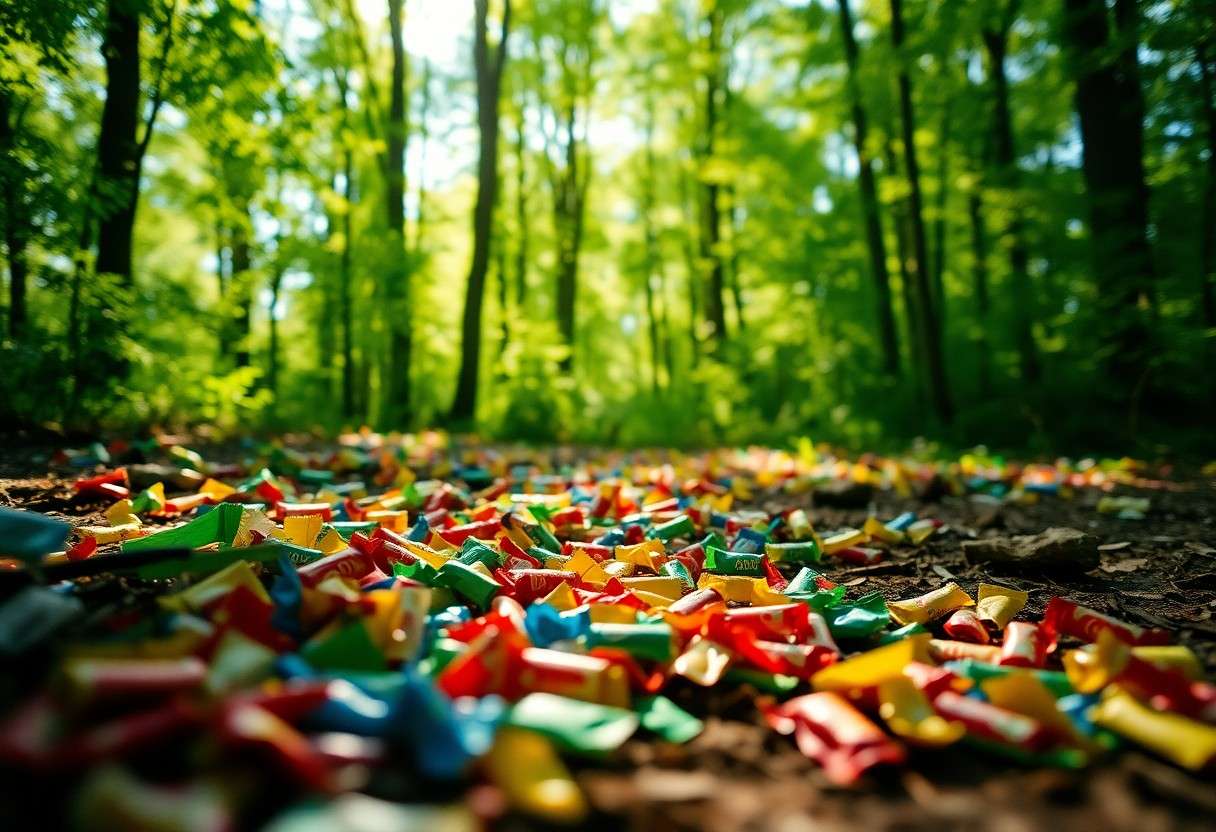
Environment plays a significant role in our lives, and seemingly innocent items like candy wrappers contribute to a larger problem. You may not realize how these bright, crinkly wrappers affect your surroundings, from pollution to wildlife hazards. Plastic and foil materials can take years to decompose, leading to a mounting waste crisis. In this post, you will explore the true impact of candy wrappers on the environment and discover practical steps you can take to minimize this effect while enjoying your favorite treats.
The Journey of Candy from Production to Disposal
The Lifecycle of Candy Production
From sourcing raw ingredients to the final candy product, the lifecycle of candy production is a complex process that involves multiple stages. Sugar, chocolate, and various flavorings are harvested and processed, transitioning from natural resources to consumable goods. For instance, the production of chocolate begins with cacao beans, which require significant agricultural inputs like water and land. You might be surprised to learn that it takes about 5,000 liters of water to produce just one kilogram of chocolate. These environmental costs accumulate, laying the groundwork for the impact your beloved candy has on the planet.
As these ingredients are processed and mixed, additional energy consumption comes into play. Factories operate machinery that emits carbon emissions, contributing to global warming. The transportation of raw ingredients and finished candy also represents a significant carbon footprint, especially in a globalized economy where ingredients are shipped worldwide. Thoroughly understanding this lifecycle can lead to more conscious purchasing decisions, nudging you toward brands that prioritize environmentally friendly practices throughout their production stages.
The Role of Packaging in Environmental Impact
Packaging serves as a double-edged sword in the candy industry. On one hand, it protects the product, ensuring freshness and safety. On the other hand, single-use wrappers typically consist of non-biodegradable materials like plastic and foil, which can take centuries to decompose. In the United States alone, consumers discard millions of candy wrappers each year, contributing to landfills where these materials sit without breaking down. If you’re concerned about the environment, choosing candy with eco-friendly packaging can be a simple yet effective way to make a positive impact.
The sheer volume of candy wrappers generated annually cannot be overlooked. For example, estimates suggest that if every person in the U.S. consumed one piece of candy daily, that would equate to over 300,000 tons of waste annually. This statistic underscores the importance of reevaluating the materials used in packaging and potential alternatives like compostable bioplastics or reusable containers. Making small changes in your purchasing habits can collectively create a significant ripple effect in reducing the environmental burden linked to candy consumption.
The Plastic Dilemma: Assessing Wrapper Materials
The Ubiquity of Single-Use Plastics
You may not realize it, but single-use plastics are everywhere, particularly in the candy industry. With candy wrappers being only a small fraction of the overall plastic problem, they contribute significantly to the billions of pounds of plastic waste that end up in landfills and oceans each year. The convenience of these lightweight wrappers is enticing for manufacturers and consumers alike, but they signal a longer-term environmental dilemma. Research suggests that about 40% of plastic produced annually is for single-use applications, making a swift change in wrapper materials crucial for reducing plastic pollution.
Biodegradable Alternatives: Myth vs. Reality
As consumers demand more sustainable options, the market for biodegradable wrappers has grown. However, distinguishing which products genuinely decompose poses a challenge. Many brands tout biodegradable materials, but without appropriate composting facilities, these items may take an extended time to break down, if they break down at all. Some studies indicate that certain so-called biodegradable plastics may release harmful greenhouse gases when they degrade, negating any environmental benefits. If you choose candy brands that market biodegradable wrappers, ensure you’re aware of the conditions necessary for proper degradation.
Understanding the efficacy of biodegradable wrappers can help you make informed choices. Compostable materials often require specific conditions—including higher temperatures and humidity—found only in industrial composting settings. If your local waste management facilities don’t offer such options, the sugary peace of mind those wrappers provide may not be as beneficial as initially perceived. Awareness allows you to engage with brands responsibly and explore truly eco-friendly candies that minimize waste effectively.
Environmental Footprint: Data and Insights
Pollution Metrics Associated with Candy Manufacturing
Pretzels and gummies may not seem like major polluters, but the candy industry contributes significantly to environmental degradation. For instance, studies have shown that the production of a single kilogram of chocolate can emit up to 2.5 kilograms of CO2, primarily due to processes like sugar refinement and ingredient transportation. Besides carbon emissions, the industry’s reliance on chemical solvents for flavor extraction and preservatives also amounts to hazardous waste, with many facilities discharging untreated effluents directly into local water systems. These substances not only contaminate water bodies but also threaten aquatic life and ecosystems, leading to a ripple effect that can hurt your local environment.
Notably, globally, the candy sector’s water usage is staggering, with estimates suggesting that around 1,800 liters of water are consumed for each kilogram of candy produced. As candy consumption rises, so does the strain on freshwater resources, a reserve already under pressure from various agriculture and industrial activities. This imbalance invites a critical inquiry: while satisfying your sweet tooth, what costs are incurred to the planet?
Waste Management Challenges and Solutions
The challenge of effectively managing waste generated by candy wrappers cannot be overstated. Many wrappers are made from a mix of materials, usually combining plastics, aluminum, or paper, which complicates recycling efforts. Since only about 9% of all plastic waste is recycled, the bulk of candy wrappers often ends up in landfills, where they can take hundreds of years to decompose. As wrappers litter parks, streets, and natural habitats, they not only mar aesthetics, but also pose ingestion risks to wildlife, adding another layer to their environmental impact.
Solutions are emerging to combat these waste management hurdles. Brands are beginning to explore compostable and biodegradable materials for wrappers, with some companies opting for innovative designs that allow for easier separation of materials at the recycling stage. Community-led initiatives and legislation aimed at promoting recycling programs also help. For instance, programs that incentivize the return of wrappers for recycling could play a significant role in elevating the recycling rate for these items, making your candy consumption more sustainable.
Beyond individual brand efforts, a collective shift towards circular economy principles can be transformative. By ensuring that wrappers can be efficiently reused or composted, manufacturers can radically change how candy waste is approached. Innovative collaborations between governments, non-profits, and candy manufacturers can also spearhead large-scale changes in infrastructure and awareness campaigns, each pivotal in addressing the pressing issue of candy wrapper waste. Implementing these solutions not only lessens the burden on landfills but also fosters a culture of sustainability that resonates with eco-conscious consumers like you.
The Consumer Conundrum: Balancing Enjoyment and Responsibility
Your enjoyment of candy comes with a hidden cost, primarily in the form of packaging waste. As you indulge in your favorite sweets, it’s necessary to recognize the role that packaging plays not just in protecting the product, but also in shaping environmental consequences. Candy wrappers often end up in landfills where they can take hundreds of years to decompose, all while contributing to the ongoing crisis of plastic pollution. As a consumer, you might find yourself torn between the pleasure of treating yourself and the responsibility of making environmentally conscious choices. Understanding the impact of these wrappers pushes you to ponder alternatives that can satisfy both cravings and conscience.
Shifts in consumer behavior reflect a growing awareness of these issues. Many people now seek out brands that prioritize sustainability, which nudges manufacturers to reconsider their packaging materials. Educated consumers are beginning to evaluate their choices, opting for products with biodegradable or compostable wrappers whenever possible. The balancing act involves not just recognizing the sheer amount of waste a simple candy wrapper can generate but also making informed choices that can shift market trends. How you decide to shop carries weight and truly influences the direction of the industry.
Informed Choices: Reading Labels for the Environment
Understanding labels is pivotal in your quest for eco-friendliness. Research shows that nearly 75% of consumers express a desire to make sustainable choices, yet many are left in the dark about how to decipher product packaging. Brands increasingly include environmental impact information on their labels, helping you to make more informed decisions. Whether it’s organic certifications, indications of biodegradable materials, or commitments to reducing plastic waste, these details make a significant difference in how you approach your buying habits. Engaging with product information enables you to support companies dedicated to reducing their carbon footprint while still enjoying your sweets.
Finding and understanding data on packaging impacts is becoming a key factor in consumer satisfaction. Transparent brands that openly discuss their sourcing and material choices not only gain your trust but also inspire a community of environmentally conscious consumers. By prioritizing products that feature clear sustainability practices, you contribute to a growing movement favoring responsible consumption, driving demand for environmentally friendly options and encouraging manufacturers to adopt greener practices.
Trends in Eco-Friendly Packaging and Consumer Behavior
The candy industry is witnessing a notable shift as more brands turn toward eco-friendly packaging solutions in response to consumer demand. Innovations like compostable wrappers made from plant-based materials and recyclable paper packaging are becoming increasingly prevalent. Brands are recognizing that it’s not just about taste; it’s about creating an experience that aligns with your values as a consumer. The rise of refillable candy stations in stores also reflects this trend, catering to your desire for both indulgence and responsibility. You can take a stand against unnecessary waste simply by choosing brands that are evolving with these trends.
Market research indicates that the eco-friendly packaging sector is projected to grow significantly, with an increasing number of companies opting for sustainable materials. As you become more aware of your choices, your preferences inadvertently shape the landscape of the candy industry. Brands that ignore the call for sustainability risk losing your support, while those that innovate smartly and authentically are rewarded with loyal customers. Ultimately, the demand for responsible packaging is driving businesses to rethink their strategies, leading to an evolution in how sweets are wrapped and presented to you as a conscientious consumer.
Collective Responsibility: What Brands and Consumers Can Do
Corporate Initiatives Toward Sustainable Practices
Leading candy manufacturers are starting to implement sustainable practices in response to the growing awareness of environmental issues surrounding packaging waste. Companies like Mars, Inc. and Mondelez International have committed to using recyclable or compostable packaging materials within specific timelines. For instance, Mars plans to achieve 100% of its plastic packaging being reusable, recyclable, or compostable by 2025, ensuring that your favorite candies can have a lesser impact once their wrappers hit the environment. Furthermore, many brands are investing in innovative technologies that allow for the reduction of packaging materials while maintaining product freshness, such as edible wrappers or plant-based alternatives.
Your choices as a consumer can significantly influence these corporate practices. By choosing products from brands that prioritize sustainability, you send a strong message to the marketplace, encouraging more companies to follow suit. Awareness campaigns, such as the ones led by organizations like WRAP (Waste and Resources Action Programme), are working to educate both brands and consumers on the importance of sustainable packaging solutions. You can be part of this change by actively seeking out sustainable options when selecting candy, knowing that your purchasing power drives demand for environmentally-friendly practices.
Grassroots Movements: The Power of Community Action
Grassroots movements play a pivotal role in raising awareness about the environmental impact of candy wrappers. Local organizations often mobilize community members to participate in cleanup events specifically targeting areas littered with candy packaging. Initiatives such as “Trash Tag Challenge” encourage people to take before-and-after photos of areas they’ve cleared of litter, creating a visual impact that can inspire others to get involved. These movements provide a platform for you to engage in collective action that not only beautifies your surroundings but also educates the public on the pressing issue of single-use plastics.
The success of grassroots movements relies on the collective effort of concerned individuals. Your participation in community cleanups, educational workshops, or advocacy groups can amplify the message surrounding sustainable candy consumption and packaging. As a member of the community, you can influence local policies, collaborate with schools to foster sustainability education, and create awareness through social media campaigns. Engaging with neighbors and forming coalitions can generate momentum, leading to more significant changes that encourage companies to adopt better practices. In this way, not only do you contribute to a cleaner environment, but you also inspire a shift towards responsible consumption within your community.
Summing up
To wrap up, it’s clear that candy wrappers pose a significant environmental impact that can affect your immediate surroundings and the planet as a whole. These seemingly innocent pieces of packaging are often made from non-biodegradable materials, which means they can persist in the environment for hundreds of years. When you toss a candy wrapper on the ground, you may be contributing to pollution that harms wildlife, clogs waterways, and diminishes the natural beauty of your surroundings. By being mindful of your candy consumption and disposal practices, you can help mitigate this issue.
Your choices matter when it comes to the environmental footprint of candy wrappers. Selecting products that feature eco-friendly packaging or opting for bulk candies that don’t require individual wrappers can significantly reduce waste. Moreover, consistently using designated waste bins and participating in local clean-up initiatives can foster a cleaner environment. By taking these actions, you not only protect nature but also set an example for others in your community, fostering a more sustainable approach to enjoyment in our daily lives.