The Evolution of Candy Safety Standards
There's a fascinating journey behind the candy you enjoy today, shaped by the evolution of safety standards designed to protect your health. As you indulge in y

This article contains Amazon affiliate links. As an Amazon Associate, CandiesAndSweets earns from qualifying purchases.
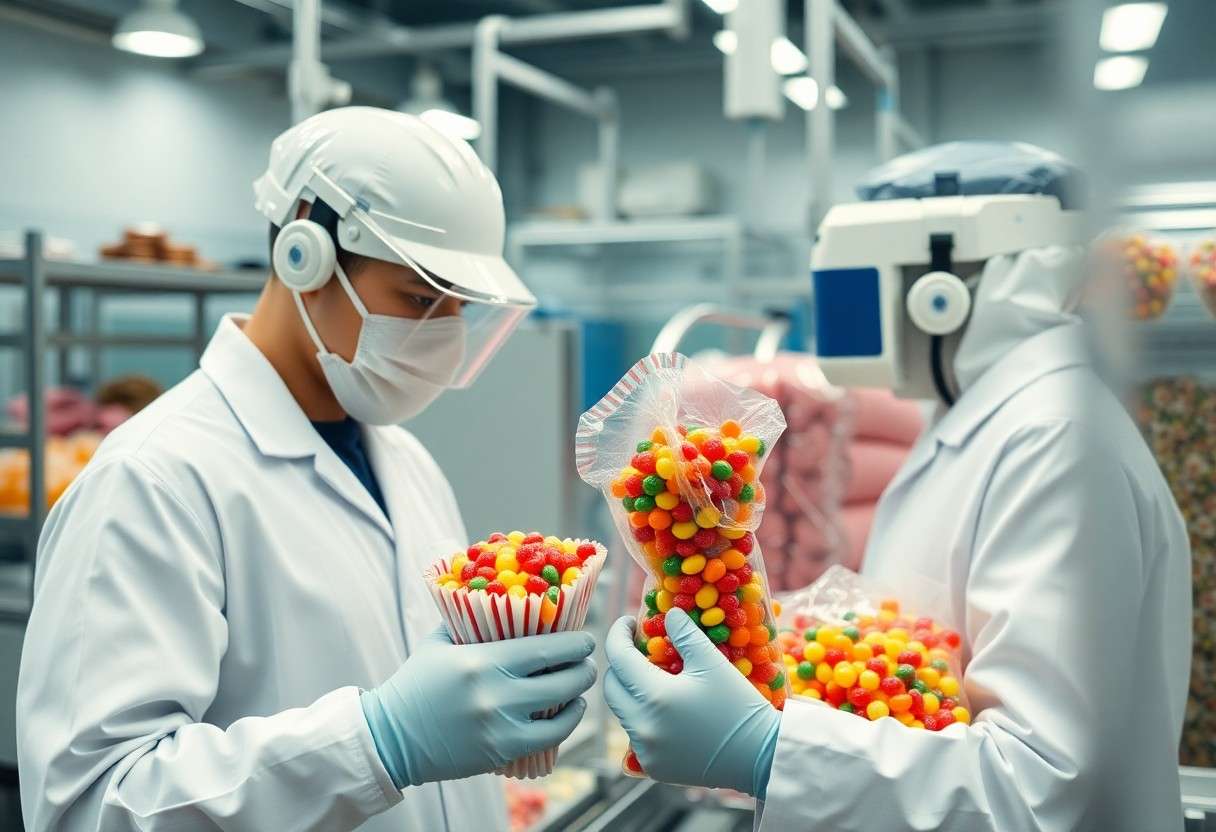
There’s a fascinating journey behind the candy you enjoy today, shaped by the evolution of safety standards designed to protect your health. As you indulge in your favorite treats, it’s vital to understand how regulations have transformed over time, reflecting advancements in food science and consumer awareness. This blog post will guide you through the key milestones in candy safety regulations, highlighting how these changes have improved product quality and ensured your sweet experiences remain safe and delightful.
From Cavity Causers to Safety Saviors: The Early Days of Candy Regulation
The Rise of Confectionery Concerns: Health Risks and Public Outcry
The late 19th and early 20th centuries marked a period of significant public concern regarding the health implications of candy consumption. Reports of contaminated sweets, coupled with the growing awareness of dental health, fueled a rising tide of scrutiny. For instance, a surge in tooth decay among children was often linked to excessive sugar and poor-quality ingredients used in confectionery production. Parents sought accountability, and consumer advocacy groups amplified their voices, demanding safer products. Notably, events like the infamous “candy poisoning scare” in the early 1900s drove a wedge between manufacturers and their customers, highlighting the urgent need for regulation.
This societal pressure laid the groundwork for a collective shift in attitudes toward food safety. In cities across the United States, numerous cases of foodborne illnesses attributed to candy prompted grassroots movements, leading to public demonstrations and campaigns aimed at demanding transparency from candy makers. As you can imagine, these efforts fostered an environment ripe for legislative change as citizens became increasingly aware and proactive in protecting their families from unhealthy products.
Pioneering Policies: The Formation of Initial Food Safety Laws
The combination of public outcry and rising health concerns could not be ignored for long. In response to the overwhelming demand for accountability, the U.S. government began to take its first steps towards implementing formal food safety regulations. The establishment of the Pure Food and Drug Act in 1906 was a significant milestone. This landmark legislation aimed to prevent the sale of adulterated or misbranded food and drugs, laying the foundation for a more structured approach to food safety, which encompassed candies and confections.
In an era when ingredients could be subpar or even hazardous, the Pure Food and Drug Act set forth strict guidelines aimed at ensuring the purity and labeling of food products. You might find it fascinating that the act served as a springboard for the eventual creation of the Food and Drug Administration (FDA) in 1930, which would further enforce regulations affecting candy production and marketing. With federal oversight, consumers could finally feel more secure about the products they were purchasing, spurring a transformation in the candy industry that prioritized safety alongside profitability.
The Birth of the FDA: A Sweetly Significant Shift
How the 1906 Pure Food and Drugs Act Changed the Game
The 1906 Pure Food and Drugs Act marked a watershed moment in the regulation of food safety, including candy production. For the first time, consumers had legal protection against manufacturers’ misleading claims and harmful ingredients. The act compelled food and drug companies to adhere to standards of purity and quality, establishing a framework that would eventually pave the way for the creation of the Food and Drug Administration (FDA). Manufacturers were no longer able to indulge in the practice of using dangerous additives, like the infamous toxic colorings once used to enhance the visual appeal of candies. The introduction of these regulations was pivotal, as it shifted the onus of safety from the consumer to the producer, obliging manufacturers to ensure their products didn’t pose a risk to public health.
This law not only empowered consumers with greater trust in the safety of the edible products they purchased but also sparked an increase in inspections and testing of foods, including candy. As the public became more aware of food safety issues, the demand for enforcement and regulation grew. This evolution in public consciousness laid the groundwork for more robust laws, leading to the modern landscape of food safety regulations that we now take for granted when enjoying our favorite treats.
The Role of the FDA in Shaping Modern Candy Safety Standards
The establishment of the FDA in 1930 was a natural progression following the groundwork laid by the Pure Food and Drugs Act. With the power to enforce regulations, the FDA began to implement comprehensive standards for food safety, including specific guidelines for candy manufacturers. These guidelines are extensive, covering everything from ingredient sourcing to food labeling requirements. Notably, the FDA has set limits on harmful substances, such as certain artificial colors and flavors, safeguarding consumer health by preventing the use of potentially hazardous materials in candies.
Your favorite candy brands are held to stringent protocols under the FDA’s watchful eye. Every batch produced is subject to inspection, ensuring that it meets all safety requirements and quality standards. For instance, manufacturers must regularly test for contaminants and maintain meticulous records of ingredient sources. These regulations not only protect your health but also foster a culture of accountability within the candy industry. Consequently, you can feel assured that the sweet treat you’re enjoying has undergone rigorous scrutiny before reaching the store shelves.
High Profile Controversies: Lessons from Scandals and Recalls
The Impact of Contaminated Candy on Consumer Trust
Contaminated candy incidents have a lasting effect on consumer trust, leading to widespread skepticism surrounding the safety of the confectionery industry. For instance, the 2007 Chinese-made toys recall resonated unexpectedly within the candy sector when products like gummy candies laced with unsafe dyes were linked to health risks. In doing so, it not only prompted immediate backlash from consumers but also sparked an enduring wariness towards imported candies. The fallout from these scandals often results in detrimental drops in sales, as your confidence in brand safety can be quickly shaken by alarming headlines. Consumers frequently turn to familiar names they trust, leading to significant losses for brands involved in recalls.
Key Regulatory Changes Triggered by Major Incidents
Significant food safety scandals have often acted as wake-up calls for regulatory bodies, spurring the introduction of stricter safety standards and oversight. One notable example is the Food Safety Modernization Act (FSMA), enacted in 2011 in response to repeated outbreaks linked to contaminated food products, including candy. This comprehensive reform aimed at shifting the focus from reactive to proactive measures in food safety. Through more rigorous inspections and accountability for suppliers, your expectations of candy safety have significantly increased as manufacturers are now obligated to identify and address potential hazards before they reach the market.
The evolution of candy safety standards reflects a clear trend influenced by consumer behavior and regulatory responses. Following high-profile recalls, the need for transparency and traceability within the candy supply chain became apparent. Efforts such as mandating the labeling of allergenic ingredients or implementing tracking systems for recalls have emerged as direct consequences of these incidents. As these standards evolve, your role as a conscientious consumer also becomes pivotal; remaining informed about the safety measures implemented by brands can help ensure you make safer choices when indulging your sweet tooth.
Modern Innovations in Candy Safety: Technologies and Trends
Advances in Quality Control and Food Safety Technology
With the advent of sophisticated technologies, candy manufacturers have revolutionized their quality control processes. High-Performance Liquid Chromatography (HPLC) and Mass Spectrometry are now employed to identify harmful contaminants and ensure product purity with unparalleled accuracy. Your favorite treats undergo rigorous testing for heavy metals, pesticides, and allergens, ensuring that what you consume is not just delicious but also safe. Additionally, automated processes and artificial intelligence improve tracking and traceability throughout the supply chain. This minimizes risks and enhances the overall safety of candy products, as manufacturers can promptly identify any potential issues during production.
The implementation of blockchain technology allows for real-time monitoring of ingredients from farm to factory. This transparency not only enables manufacturers to react swiftly to any contamination issues but also gives consumers peace of mind regarding the origins of the candy they enjoy. By scanning a QR code, you can access detailed information about the production process, offering reassurance about the safety and quality standards upheld by the brand. These advanced technologies represent a significant shift towards a safer and more trustworthy candy industry.
The Influence of Consumer Awareness on Production Practices
Your increased awareness and concern regarding food safety have dramatically influenced candy production practices over recent years. As consumers become more knowledgeable about sugar content, artificial additives, and health implications, candy producers are improving their offerings to meet this demand. Brands that fail to adapt may find themselves struggling to maintain a loyal customer base as you and other consumers lean towards more transparent, health-focused options. Consequently, many companies are reformulating recipes, seeking organic ingredients, and boasting smaller ingredient lists to cater to your preferences.
The impact of social media cannot be understated either. Platforms like Instagram and TikTok allow you to share your thoughts about candy brands rapidly, often holding them accountable for their safety standards and ingredient choices. As a result, companies are now more proactive in clarifying their practices and improving product formulations to avoid negative publicity. The ongoing dialogue between consumers and manufacturers has effectively shaped a new standard in the candy industry, emphasizing the importance of responsibility in the production of your favorite sweets.
Looking Ahead: The Future of Candy Safety Standards
The candy industry stands on the precipice of significant transformation as both consumer preferences and scientific advancements shape safety standards. Your awareness of food safety is evolving, and regulators are tasked with keeping up with what it means for candy manufacturers to ensure safe consumption. Innovations, such as blockchain technology for supply chain transparency and AI-driven predictive maintenance, are setting new precedents for how candies are made and monitored for safety, aligning with consumer expectations for both quality and accountability. As consumer demands shift towards organic and natural ingredients, manufacturers must adapt their safety protocols accordingly, which can involve re-evaluating existing standards against these emerging trends.
Anticipating Challenges: How Emerging Ingredients Impact Safety
The incorporation of new and emerging ingredients in candy formulations poses unique challenges in terms of safety standards. For instance, plant-based sweeteners and exotic fruit extracts are gaining popularity but often lack the extensive historical data that conventional ingredients possess. You might notice that regulators need to establish rigorous testing procedures tailored to these novel components to mitigate risks associated with allergens or unknown contaminants. The introduction of alternative ingredients often complicates the regulatory landscape, as safety assessments may require novel methodologies, leading to delays in approval processes and potential safety concerns for consumers.
The Role of Sustainability and Ethical Considerations in Future Regulations
Sustainability and ethical sourcing are becoming intertwined with safety standards, reshaping how candies are produced and sold to you. As consumers demand greener practices, regulators are likely to impose stricter guidelines not only focused on food safety but also on the environmental impact of candy production. You may see changes such as requirements for traceability of ingredients from farm to factory, ensuring not only that your candy is safe but also that it is produced with minimal ecological impact. In the face of global issues like climate change, manufacturers might prioritize sustainable packaging and responsible sourcing of raw materials, which can lead to more holistic regulations across the candy market.
With a burgeoning focus on sustainability, regulations could incorporate principles such as lifecycle assessments that consider the entire environmental impact of candy production, from the cultivation of sugarcane through to the final product’s disposal. Notably, initiatives like the Fair Trade certification and organic labeling could become more prevalent within the candy industry, ensuring that your choices align with ethical consumption practices while simultaneously meeting safety standards. These forthcoming regulatory changes are designed to not only improve the safety of your favorite sweets but also to make them more responsible choices for the planet and society as a whole.
To Wrap Up
Upon reflecting on the evolution of candy safety standards, you can appreciate how far the industry has come in ensuring the health and wellbeing of consumers. From the unsanitary practices of the early days to the stringent regulations imposed by organizations like the FDA, changes in safety protocols have significantly contributed to reducing the risk of contamination and injury. As a consumer, being aware of these advancements allows you to make informed choices about the products you enjoy, and this knowledge reinforces the importance of advocating for continued improvements in food safety laws.
Your understanding of the history and current state of candy safety standards is important in cultivating a safer food environment. By knowing how regulations have adapted in response to public health needs and consumer concerns, you can appreciate the efforts of manufacturers to prioritize safety. As industry standards continue to evolve, staying informed helps you contribute to a culture of accountability and diligence in candy production, ultimately fostering a safer experience when indulging in your favorite sweets.


