The Impact of Candy on Creative Thinking
Just as you reach for that sweet treat, it's interesting to note how candy can influence your creative thinking. Research suggests that the sugar in candy can p

This article contains Amazon affiliate links. As an Amazon Associate, CandiesAndSweets earns from qualifying purchases.
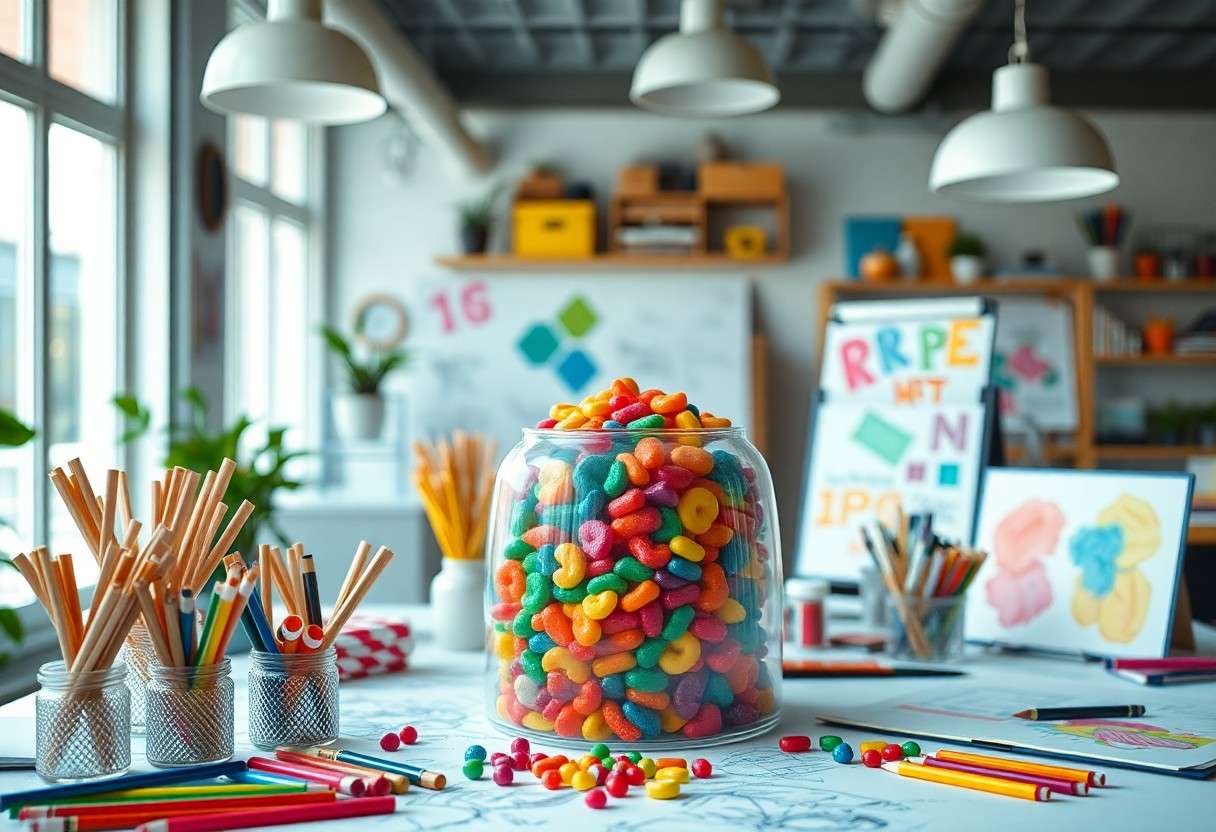
Just as you reach for that sweet treat, it’s interesting to note how candy can influence your creative thinking. Research suggests that the sugar in candy can provide a quick boost in energy and mood, potentially enhancing your cognitive functions. In this post, you’ll discover how different types of candy can affect your brain’s creativity levels, prompting insights into their surprising role in innovation and problem-solving. Whether it’s a chocolate bar or gummy bears, your choices in sweets can impact not just your taste buds, but your creative output as well.
The Sweet Science: How Sugar Affects Brain Function
Understanding how sugar interacts with your brain offers significant insights into its potential to influence creative thinking. It’s not just your imagination; the glucose found in candy provides energy for your brain cells, acting as a fuel source that can enhance your cognitive capabilities. Studies have indicated that when you consume sugary foods, your body quickly metabolizes glucose and sends it to your brain, where it converts into energy critical for various brain functions. This uptick in glucose enhances your mood and improves your memory, making those brainstorming sessions seem more productive. It’s fascinating to think about how something as simple as a candy bar can provide the necessary boost that might send your creative flow soaring.
However, this sweet benefit comes with important considerations. Sustained sugar intake can lead to fluctuations in your blood sugar levels, ultimately affecting your ability to think clearly. While a quick snack provides an immediate boost, overconsumption has been linked to decreased cognitive function and an overall dip in brain health. Therefore, understanding these dynamics can help you make informed choices about when to indulge and how much to consume, ensuring that you maintain your creative productivity without facing the consequences of a sugar crash.
Neurotransmitter Dynamics: Sugar’s Role in Brain Chemistry
Glucose plays a pivotal role in the synthesis of neurotransmitters, the chemical messengers that communicate within your brain. Consuming sugar leads to a temporary increase in dopamine, which is often associated with feelings of pleasure and reward. This momentary rise in dopamine can spark joy and motivation, fostering an environment ripe for creative thinking. By stimulating your dopamine receptors, sugar can make tasks feel more enjoyable, encouraging you to engage in creative activities. In this way, candy can be viewed not just as a treat, but as a catalyst for enhancing your creative potential by fostering positive brain chemistry.
However, it’s not all sunshine and rainbows when it comes to your neurotransmitter levels. Frequent sugar intake can lead to long-term changes in your brain’s chemistry, potentially desensitizing dopamine receptors. This means you may find yourself needing more sugar over time to achieve the same enjoyable effects. If your brain becomes overly reliant on sugar for dopamine release, it could impair your mood and actually stifle rather than enhance your creativity in the long run. Balancing sugar intake is necessary to maintain healthy brain function and foster ongoing creativity.
Short-term Cognitive Boosts: Fact or Fiction?
Many people swear by the immediate benefits they feel after indulging in candy, often citing improved focus and enhanced creativity. Research supports some of these claims, with studies indicating that glucose can temporarily boost attention and reaction times. For instance, a study published in “Psychological Science” demonstrated that participants who consumed glucose performed significantly better on tasks requiring attention than those who consumed a placebo. However, these boosts typically do not last long, leading to the question of whether this fleeting improvement is worth the sugar-induced crash that often follows.
This spike in brain function due to sugar is compelling, but context is key. It’s important to note that while sugar can provide a short-term energy boost, it does not serve as a sustainable solution for productivity. The brain may respond well to an initial surge of glucose, but this is quickly followed by a downturn, often leaving you feeling fatigued and unfocused. Having candy as a part of your snack rotation might be beneficial for occasional creative bursts, but relying on it consistently may lead to diminished returns over time. Seeking a balance of nutritious foods for consistent brain health can help maintain your creative edge while preventing sugar crashes.
The Creativity Connection: Candy as a Cognitive Catalyst
Sugar and Divergent Thinking: Unlocking Innovative Ideas
Your brain thrives on glucose, particularly during moments that demand creative problem-solving. Sugar plays a significant role in enhancing divergent thinking, which involves generating multiple solutions to a given problem. Research from the University of California has shown that glucose consumption can enhance cognitive flexibility. For instance, after consuming sugar, participants demonstrated increased ability to brainstorm various approaches to complex issues compared to those who had not. The underlying mechanism involves improved neurotransmitter release, allowing neural pathways to fire more freely and facilitating the flow of innovative ideas.
Mood Enhancement and Its Influence on Creativity
The Flavor of Focus: Timing and Candy Consumption
Optimal Snacking: When to Indulge for Maximum Creativity
Timing plays a significant role in the impact candy has on your creative capacities. Consuming candy at the right moment can enhance your cognitive functions, so consider treating yourself during those periods when your mind needs a jolt. Research indicates that glucose, the sugar present in candy, provides quick energy and helps with memory retention and problem-solving. By rewarding yourself with small, sugary snacks during brainstorming sessions or while tackling challenging tasks, you’re more likely to experience a surge in creative thinking. Pencil in those creative endeavor hours and pair them with a focused approach to candy indulgence for the best results.
Balancing Sugar Intake: Finding the Sweet Spot
While candy can spark creativity, moderation is vital. Overloading on sugary snacks leads to energy crashes and diminished focus, negating the initial boost you experienced. The key is to establish a balance by monitoring your sugar intake throughout the day. Opt for candy that not only satisfies your sweet tooth but also includes other beneficial components, such as nuts or dark chocolate. You might find that combining sweets with protein or fiber-rich foods enhances not only your creativity but overall productivity as well. Keeping your energy levels steady throughout the day can transform how effectively your brain works.
Adjusting your sugar consumption isn’t just about limiting intake; it involves timing and pairing different foods strategically. For instance, if you’re working on a long creative project, a small handful of mixed nuts paired with a few pieces of dark chocolate can provide sustained energy without the sharp blood sugar spikes that come from pure candy. Paying attention to how and when you consume sweets allows you to discover what works best individually, paving the way for enhanced creativity and focus throughout your day.
Beyond Sugar: The Role of Other Candy Ingredients
The Impact of Artificial Colors and Flavors on Attention
Artificial colors and flavors, often used to enhance the visual appeal and taste of candy, can bring about curious effects on your cognitive faculties. While these additives may be visually stimulating, studies show they can also influence your attention span. For instance, the vibrant hues of gummies and brightly colored chews may elicit a sense of excitement, potentially causing your brain to engage differently with tasks at hand. In a stimulating environment, these candies might help you concentrate better, particularly in short bursts, as they can spark a momentary interest that keeps your mind focused.
However, the impact doesn’t end with visual stimulation. Some research suggests that certain artificial flavors may enhance the perception of taste, leading to a more enjoyable snacking experience. This enjoyment can lead to improved mood and heightened creativity. It’s worth noting that individuals who enjoy visually appealing treats often report feeling more cheerful and inspired, which can foster an environment conducive to creative thinking.
Vitamins and Minerals: Hidden Benefits of Candy
Despite their reputation as mere sugary indulgences, some candies are fortified with vitamins and minerals that can contribute to your overall nutritional intake. For example, certain gummy vitamins are designed to emulate the textures and flavors of popular confections while delivering crucial nutrients like Vitamin C, D, and B-complex vitamins. This means that alongside enjoying the delightful taste, you might be inadvertently enhancing your nutritional profile and supporting cognitive function as a result.
Incorporating these fortified candies into your diet offers a dual benefit: the pleasure of a sweet treat and the potential health perks of added nutrients. The right balance can be a strategic approach to creativity, allowing for moments of indulgence that do not detract from your overall well-being. As you navigate through creative projects or brainstorming sessions, these candies can serve not only as a fun diversion but also as a source of crucial nutrients that support your mental agility.
Reassessing Candy: Creative Perspectives on Treats
Candy as a Reward: Motivation and Mental Mapping
Using candy as a motivational tool can influence how you approach creative tasks. Rewarding yourself with a treat upon completing a challenging project or reaching a goal can enhance your focus and boost your productivity. This method leverages the psychological concept of reinforcement, where positive outcomes increase the likelihood of a behavior being repeated. For instance, a study conducted by Brehm and Self (1989) indicated that individuals who rewarded themselves with snacks, like candy, while studying were more likely to develop a positive association with learning, which led to better retention and idea generation.
Integrating candy into your work process can foster a productive mental mapping framework. Picture this: you’ve been brainstorming ideas for a new project; each time you jot down a compelling thought, you enjoy a piece of chocolate. This not only gives your brain a refreshing treat but also links your creative flow to a pleasurable activity, reinforcing the behavior of creative thinking. Over time, your brain begins to associate successful idea generation with the rewards of candy, creating a pathway that enhances your ability to think creatively.
Cultural Attitudes Toward Candy and Creative Expression
Across cultures, attitudes toward candy can significantly influence creative expression. In countries like Japan, the aesthetics of candy often reflect meticulous craftsmanship and seasonal themes, making them not only treats but also art forms. For instance, traditional wagashi, or Japanese sweets, are often crafted for festivals and celebrations, encapsulating cultural narratives and emotions. This aspect of candy becomes a medium through which creative ideas can flow, as individuals are inspired by the combination of taste, visual appeal, and cultural significance.
On the other hand, Western cultures may emphasize candy’s role in indulgence and celebration, evident during holidays such as Halloween and Valentine’s Day. This cultural backdrop supports the idea that candy is a facilitator of social interactions and creativity. When you indulge in festive treats, you often find yourself in a more relaxed and imaginative mindset, paving the way for creative brainstorming sessions in a social setting. By recognizing these cultural implications, you may find new avenues for infusing creative thinking into your life through sweet treats.
These varying cultural attitudes toward candy not only inform your consumption habits but also shape your creativity. In a society that celebrates candy as an art form, you may feel more inclined to explore unique presentation styles in your projects or use candy-themed designs to inspire your work. Whether you’re creating a piece of art, writing a story, or developing a marketing concept, embracing the cultural nuances of candy may lead to fresh ideas and innovative solutions.
Final Thoughts: Embracing Sweetness in the Creative Process
Candy as a Creative Companion
Incorporating candy into your creative routine can foster a more vivid and engaging environment, encouraging inventive ideas to flourish. Consider the distinct flavors and colors of your favorite candies. A bright, tangy lemon drop may stimulate your senses differently than a creamy chocolate truffle. These variations can spark unique associations that might lead to brainstorming breakthroughs. For instance, using gummy bears as a playful reward during intense writing sessions can help create a positive feedback loop where the act of creating becomes intertwined with the pleasure of enjoying a sweet treat. Research shows that sensory stimulation—like taste—can directly influence cognitive fluidity; thus, indulging in your favorite candy while working on a project could refine your creative output significantly. With the right choice of candy, you can manipulate the mood around your craft to enhance your artistic endeavors.
Exploring the relationship between candy and creativity encourages you to think outside the box. You could even experiment with incorporating candy into your art projects, not just as a reward. For example, creating an inspiring workspace decorated with candy-themed art or using actual candies as materials can invoke joy and nostalgia, both of which are powerful catalysts for creativity. This playful approach allows you to embrace your cravings while simultaneously celebrating your passions. A study published in the Journal of Consumer Psychology found that indulging in sweet flavors can improve feelings of happiness and warmth, which translates to a more productive creative session. By embracing sweetness in your creative process, you nourish not only your body but your mind, creating a richer landscape for innovation and imagination to thrive.


