Why Handcrafted Bonbons Command a Luxury Price Point
Just understand that when you buy handcrafted bonbons you pay for meticulous labor and rare ingredients, the perishable nature and food-safety risk that raise h

This article contains Amazon affiliate links. As an Amazon Associate, CandiesAndSweets earns from qualifying purchases.
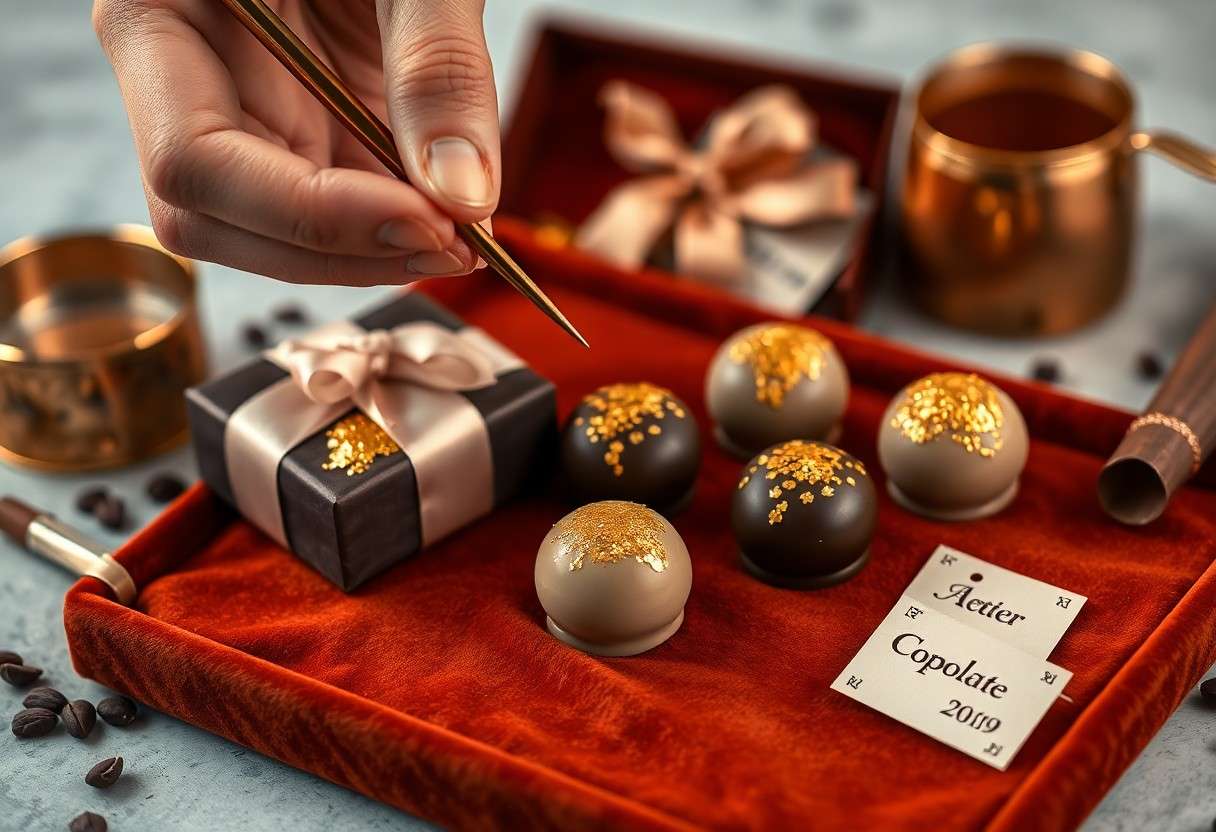
Just understand that when you buy handcrafted bonbons you pay for meticulous labor and rare ingredients, the perishable nature and food-safety risk that raise handling costs, and the exceptional flavor and exclusivity that justify a luxury price.
The Sourcing of Rare and Single-Origin Cacao
Cacao from rare single-origin lots commands higher prices because you must secure beans from limited harvests and meticulous fermentation; those efforts preserve unique genetic and flavor traits that mass producers cannot replicate. Small yields and direct relationships with growers mean you face higher procurement costs and tighter supply, which pass through to the luxury price you charge.
Distinguishing Terroir and Flavor Profiles
Terroir shapes the taste you detect-microclimates, soil minerals, and post-harvest processing produce distinct notes like floral, red fruit, or earthy cocoa. When you craft bonbons from a single-origin bean, you highlight traceable flavor signatures that justify premium pricing for consumers seeking provenance.
Ethical Procurement and Fair Trade Premiums
Producers who receive fair contracts change how you value ingredients; paying above-market rates secures ethical supply chains and reduces risks like child labor or forced labor. You invest in traceability, audits, and training, which raise costs but build a narrative of responsible luxury that discerning buyers reward.
Premiums often fund community projects, better farming practices, and crop diversification; you can point to measurable benefits-education, healthcare, and improved yields-that justify the added cost and protect long-term bean quality.
Artisanship in Decorative Design
Craftsmanship in decorative design means you see the maker’s choices in every bonbon; the slow, deliberate processes produce limited runs and one-of-a-kind finishes that justify the premium you pay and connect you to the maker.
Hands-on finishing ensures you receive pieces that respond to temperature and humidity, so you get consistent flavor and appearance while the maker absorbs overhead from skilled labor and time-intensive corrections.
Hand-Painted Shells and Custom Pigments
Painted shells let you choose pieces that carry the artist’s signature strokes, and you can expect complex color gradients and food-safe metallics that machines can’t reproduce.
Painters mix pigments to match seasonal themes or your client requests, so you pay for the time required to stabilize colors and prove they are compliant with food safety.
Precision in Multi-Layered Molding Techniques
Layers of tempered chocolate and fillings require you to trust micron tolerances and exact timing so each shell unmolds cleanly and the texture remains pristine, which raises production costs you ultimately bear.
Molds are hand-polished and often custom CNC-cut so you will notice consistent rims and glossy finishes; you should know maintaining these tools demands specialist maintenance and frequent replacement, driving the luxury price.
Ingredient Integrity and Ganache Formulation
Ganache depends on precise fat-to-chocolate ratios and the provenance of ingredients you choose; using single-origin couverture and real cocoa butter gives you a glossy sheen and clean melt that mass-produced fillings cannot match.
Small-batch adjustments let you control sugar, acidity, and mouthfeel so you can tune ganache to showcase a bean’s character; those hands-on corrections are part of why handcrafted bonbons command a premium.
Infusions of Natural Botanicals and Rare Extracts
Botanical infusions allow you to layer subtle notes – yuzu, bergamot, saffron, floral distillates – without masking chocolate; when you steep with restraint and employ rare extracts, the result is a complex profile that rewards careful tasting.
Eliminating Preservatives for Flavor Purity
Purity of ingredients means you omit stabilizers and artificial flavors so you get sharper, truer tasting notes, but you must accept a shorter shelf life and tighter batch control.
Storage becomes your responsibility: you should cool, refrigerate, and rotate stock frequently, and plan production in smaller runs so you preserve the flavor clarity that justifies the luxury price.
The Constraints of Small-Batch Production
Production in small batches limits output and raises per-piece costs, so when you buy handcrafted bonbons you pay for limited runs, specialized timing, and ingredient choices that prevent economies of scale.
Labor Intensity vs. Industrial Automation
Artisans hand-temper chocolate, pipe ganache, and finish each piece so you experience nuanced texture and flavor that machines rarely replicate; those processes require hours of skilled labor that push prices higher.
Rigorous Quality Control and Freshness Standards
Quality control enforces frequent micro-batches, strict sampling, and traceability so you receive safe, consistent chocolates, yet each discarded batch or rework adds direct cost reflected in price.
You receive fresher bonbons because producers enforce short shelf-life windows and rapid turnover; maintaining that freshness needs faster distribution and smaller inventories, increasing overhead.
Detailed record-keeping, temperature logs, and artisan spot-checks reduce contamination risk but add administrative layers, so you pay for the procedures that preserve consistent quality.
Luxury Packaging and Brand Experience
Packaging signals quality before you taste a single bonbon; you assess value at first glance and link tactile materials, metallic foils, and matte finishes to the maker’s brand promise. Premium boxes and fitted inserts reassure you that presentation and protection were planned with the same care as the recipe.
Experience of the unboxing ritual shapes perceived worth, as you linger over embossed logos, tissue folds, and layered reveals that turn a purchase into an event. Artful packaging also supports gifting and display, reinforcing the brand’s positioning in your mind.
Structural Engineering for Product Protection
Structural engineering protects fragile centers during transit, so you expect precision-cut inserts, shock-absorbing materials, and controlled packaging geometry to limit movement and impact. Temperature-sensitive ganaches demand insulation and cold-chain planning, a product-safety requirement to preserve texture and flavor.
Aesthetic Presentation as a Value Multiplier
Aesthetic choices act as immediate quality signals, and you interpret color palettes, hand-painted finishes, and gold leaf as markers of perceived luxury. Deliberate contrasts and restrained typography let the bonbon itself communicate craftsmanship.
Details such as limited-run boxes, signature patterns, and handwritten notes increase perceived scarcity and justify premium pricing; you value the artisan touch and authenticity these cues communicate.
To wrap up
So you pay for handcrafted bonbons because each piece uses rare, high-grade cacao, fresh creams and bespoke inclusions that cost more than mass ingredients. You also invest in the chocolatier’s time: small-batch tempering, molding, and finishing are labor-intensive and require skill. Limited runs, artisan packaging, and provenance-driven sourcing add scarcity and traceability that justify premium pricing. Your purchase funds meticulous craft, shorter shelf life, and a sensory experience unavailable from industrial confections.