The Role of Candy in Speech Therapy
Speech therapy often incorporates fun and engaging activities to enhance communication skills, and candy can play a surprisingly effective role in this process.

This article contains Amazon affiliate links. As an Amazon Associate, CandiesAndSweets earns from qualifying purchases.
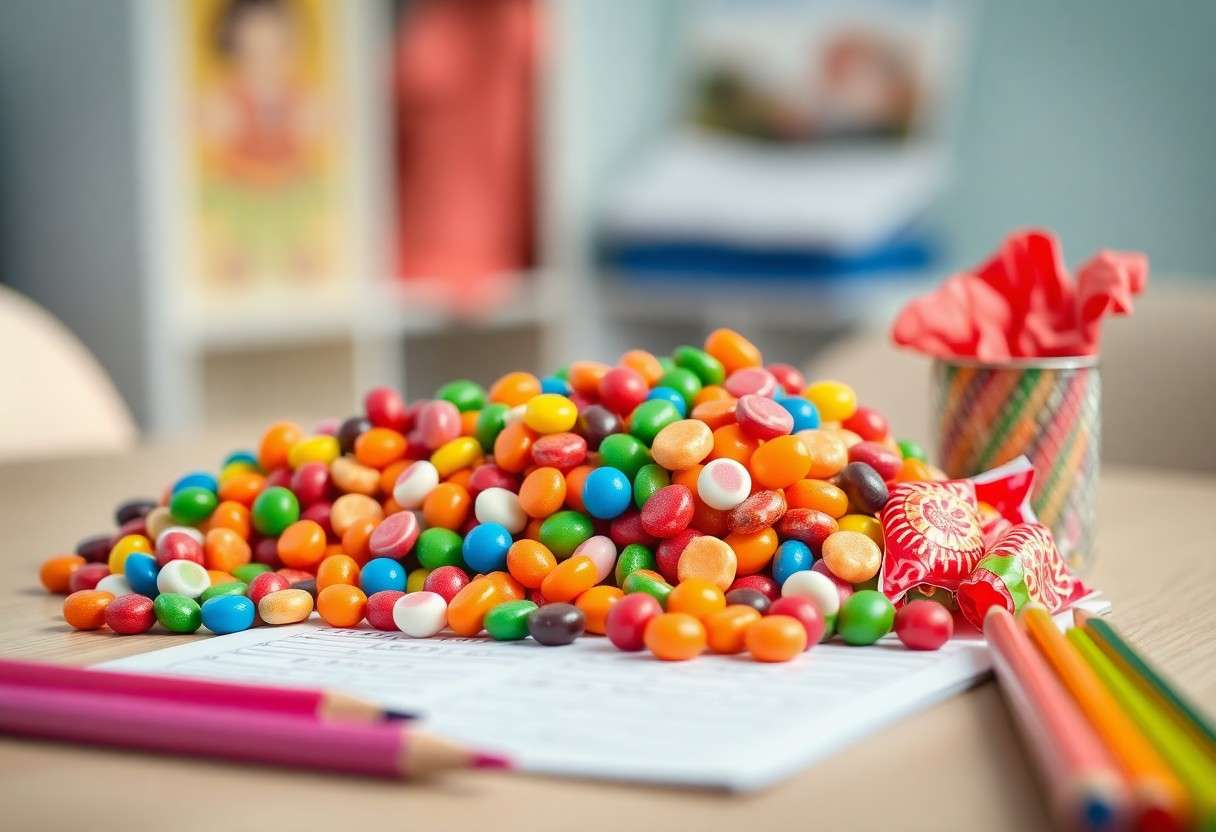
Speech therapy often incorporates fun and engaging activities to enhance communication skills, and candy can play a surprisingly effective role in this process. Using candy as a reward or a motivational tool during therapy sessions can encourage your child to practice speech sounds or phrases, making learning enjoyable. By integrating sweet treats into targeted exercises, you can help maintain your child’s interest and engagement, increasing their willingness to participate. This blog post will explore various strategies for incorporating candy in speech therapy to support your child’s progress in a playful and supportive environment.
The Sweet Science: How Candy Engages Young Minds
Sensory Stimulation and Cognitive Response
Your senses play a vital role in learning, and candy brings a multi-sensory experience into speech therapy. The vibrant colors, unique shapes, and diverse textures of various candies stimulate visual and tactile senses, while the sweet flavors engage taste and smell. This sensory engagement is especially effective for young children who may struggle with traditional learning methods. For instance, gummy candies can be a tactile tool for practicing speech sounds or vocabulary words, creating a direct correlation between fun and educational activities. Research shows that sensory-rich environments foster enhanced cognitive processing, making the therapeutic sessions more effective and enjoyable for children.
Motivation and Reward Systems in Therapy
The intrinsic motivation to communicate can be significantly enhanced through the use of candy in a reward system during therapy. Children are naturally drawn to sweets, so offering candy as a reward for completing tasks helps reinforce positive behaviors and achievements. This can transform the perception of therapy from a chore to an enjoyable experience. For example, after correctly pronouncing a difficult word or completing a sentence-building exercise, receiving a small piece of candy not only creates a moment of joy but also solidifies the connection between effort and reward. The anticipation of that sweet treat can drive continued engagement and persistent effort through challenging tasks.
Setting clear expectations for the use of candy as a motivator allows you to tailor the therapy sessions to the child’s individual needs. For younger children, a simple system where they earn points toward a candy reward may work well, while older children might respond more positively to choosing a piece of candy after accomplishing specific milestones. Establishing this type of reward system creates a sense of progress and accomplishment that is crucial for building confidence and resilience in young learners.
Delicious Strategies: Integrating Candy into Speech Therapy Techniques
Candy as a Tool for Language Development
Utilizing candy in speech therapy creates engaging opportunities for language advancement. When you present your clients with different types of candy, you can encourage them to describe what they see, feel, and taste. For instance, asking them to articulate flavors, colors, and even textures can stimulate vocabulary growth. You could use specific candies like jellybeans, which come in an assortment of flavors, to expand their descriptive language, prompting them to compare and contrast. In this context, candy becomes more than just a treat; it acts as a catalyst for meaningful conversation and expression.
Moreover, incorporating candy into role-playing scenarios can elevate speech therapy sessions. Giving children candy-related scenarios, such as “pretend you’re a shopkeeper selling candy” or “describe your favorite candy to a friend,” fosters not only speaking skills but also critical thinking and creativity. This playful setting reduces stress and builds a positive association with speaking, making your sessions more enjoyable and effective.
Encouraging Social Interaction Through Shared Treats
Sharing candy opens the door to invaluable social interactions, often leading to discussions that might not happen otherwise. When participants share their favorite treats, it naturally prompts questions and responses, paving the way for dialogues that enhance conversational skills. You can integrate group activities where each person shares their candy preference, explaining their choice and its significance, fostering both speaking and active listening skills. By creating an environment centered around sharing treats, you not only make the therapy fun but also impactful in terms of social vocabulary development.
Furthermore, using candy as a focal point for collaborative games can strengthen peer relationships and improve social skills. For example, conducting a candy-tasting party where each participant brings their favorite candy encourages them to interact with one another. Participants must negotiate, share, and discuss flavors while building connections, showcasing how candy becomes a unique facilitative tool in promoting social communication skills.
Balancing Sugar and Speech: Health Considerations
While candy can be a motivating tool in speech therapy, maintaining a balance is vital for overall health. Excessive sugar consumption poses various risks, including obesity, diabetes, and dental issues. Using candy as a reward system should focus on moderation, ensuring children enjoy treats without compromising their health. Minimizing sugary snacks can also prevent potential crashes in energy levels, which may affect attention and engagement during therapy sessions.
Portion Control and Alternative Options
Portion control serves as a practical guideline for incorporating candy into speech therapy. Opting for small, bite-sized pieces allows you to provide a sweet reward while maintaining a manageable intake of sugar. Consider methods such as using a small dish to limit the number of candies offered. Additionally, explore alternative treats like fruit slices, yogurt-covered pretzels, or even homemade snacks that blend healthy ingredients with enjoyable flavors. These options not only satisfy sweet cravings but can also introduce nutrients that support cognitive function.
Creating a Healthy Therapeutic Environment
A healthy therapeutic environment goes beyond just food choices; it encompasses setting norms that prioritize well-being as well as effective communication. Incorporate discussions about healthy eating habits into your sessions. You might encourage children to express preferences for snacks, creating a sense of autonomy and engagement regarding their dietary choices. Incorporating activities like simple cooking tasks or even taste-testing different snacks can make the learning experience more interactive and fun. Emphasizing health, along with speech development, fosters a comprehensive approach that benefits both communication skills and physical wellness.
Working in a space that promotes healthy choices also involves visual cues and materials that reinforce the connection between food and wellness. For instance, displaying colorful charts of fruits and vegetables can serve as a reminder to choose healthier options. Aligning the nutritional discussions with speech-focused activities creates a dynamic environment where children learn about balance in both their speech development and dietary preferences. This integrated approach not only enhances therapeutic outcomes but also instills lifelong habits that contribute to their overall well-being.
Transforming the Therapy Room: Real-World Applications of Candy
Success Stories from Speech Therapists
Your colleagues in the field have found that incorporating candy into speech therapy sessions can lead to remarkable breakthroughs. One speech therapist shared a case where a young boy, previously reluctant to participate in therapy, began to vocalize more when candy was introduced as a reward for verbal communication. This simple change not only motivated him but also created a more engaging atmosphere for learning. With the addition of candy, the therapist noticed a significant improvement in the boy’s articulation skills and overall willingness to communicate.
Another success story involves a group of children with varying speech disorders who participated in a summer camp that utilized candy-based activities. Each day, candy rewards were linked to specific speech goals, such as proper pronunciation or using new vocabulary words in sentences. The results were telling; by the end of the camp, over 80% of participants had made measurable progress in their speech goals, and many parents reported lasting improvements in their children’s confidence and communication skills.
Innovations in Candy Use: From Traditional to Modern Approaches
New methodologies are emerging in how therapists utilize candy, shifting from classic reward systems to more innovative, engaging experiences. For example, some therapists now employ candy-related games that require participants to verbalize words or phrases associated with specific candies. This interactive approach not only keeps the sessions lively but also allows you to seamlessly integrate speech practice into fun activities. The focus on engagement has proven effective in enhancing both participation and learning outcomes.
Emerging trends have also introduced sugar-free or healthier candy alternatives into therapy. Sugar-free options allow you to maintain the motivational aspect without compromising health, especially for children with dietary restrictions. Additionally, the use of themed candy that correlates with specific therapy goals—such as associating certain colors with specific sounds—adds another layer of creativity. With a variety of methods at your disposal, candy can serve as a versatile tool in your speech therapy arsenal, enhancing not just results but the overall experience for your clients.
Future Directions: The Evolving Role of Candy in Therapy
Research Trends and Emerging Practices
Recent studies have begun to highlight the potential benefits of integrating candy beyond mere rewards in speech therapy sessions. Research indicates that utilizing candy during structured activities can enhance engagement and facilitate speech production. For instance, therapists have documented cases where children who struggled with articulation showed marked improvement when motivated by the prospect of receiving a favorite candy after articulating specific sounds correctly. This emerging practice looks at leveraging sweet treats not only as incentives but also as tools for sensory engagement, potentially enhancing focus and retention during therapy. Keeping track of these developments can help you stay at the forefront of innovative therapeutic strategies.
Furthermore, interdisciplinary approaches are gaining traction, where speech therapists collaborate with nutritionists to ensure that candy use doesn’t negatively impact health. Effective strategies look at incorporating sugar-free or lower-calorie alternatives that still retain that element of fun, such as flavored gelatine or fruit-based snacks. This shift towards integrating research findings with practical application can help you customize your therapy approach, fostering both enthusiasm and progress in your clients.
Advocacy for Balanced and Effective Therapy Techniques
A rising emphasis on holistic therapy models necessitates that you advocate for balanced approaches in your practice. While candy can enhance engagement, promoting healthy eating habits is equally important. Many professionals are challenging the perception that candy is solely detrimental and are encouraging the thoughtful incorporation of mindful candy choices in therapy sessions. This aligns with a broader trend in health advocacy, where educators and therapists seek to empower children with knowledge about their choices while maintaining a playful and nurturing environment in therapy.
The dialogue surrounding candy in therapy is evolving, with many practitioners recognizing the need to strike a balance—for every piece of candy offered, there should be an accompanying discussion about healthier snack options and the importance of moderation. By integrating these discussions into your sessions, you help shape not just effective communicators, but informed individuals who recognize the connections between choice, health, and emotional well-being.
Final Words
Ultimately, integrating candy into speech therapy sessions can enhance motivation and engagement among your clients, making the learning process more enjoyable. By using candy as a reward or an incentive, you create a positive association with speech practice, allowing for more effective communication skill development. You should consider incorporating this strategy thoughtfully, ensuring it aligns with each individual’s unique goals and needs.
Moreover, adjusting the use of candy based on your clients’ preferences and feedback is key to maintaining a balanced approach. As you continue to implement this method in your practice, you will observe that candy can serve not only as a fun element but also as a powerful tool to reinforce learning and progress in speech therapy. Staying attuned to the preferences of those you work with will enhance their overall experience and outcomes in therapy.


