The Science of Candy Color Psychology
Psychology plays a significant role in how you perceive and enjoy candy, influencing your choices based on color associations. Each hue can evoke specific emoti

This article contains Amazon affiliate links. As an Amazon Associate, CandiesAndSweets earns from qualifying purchases.
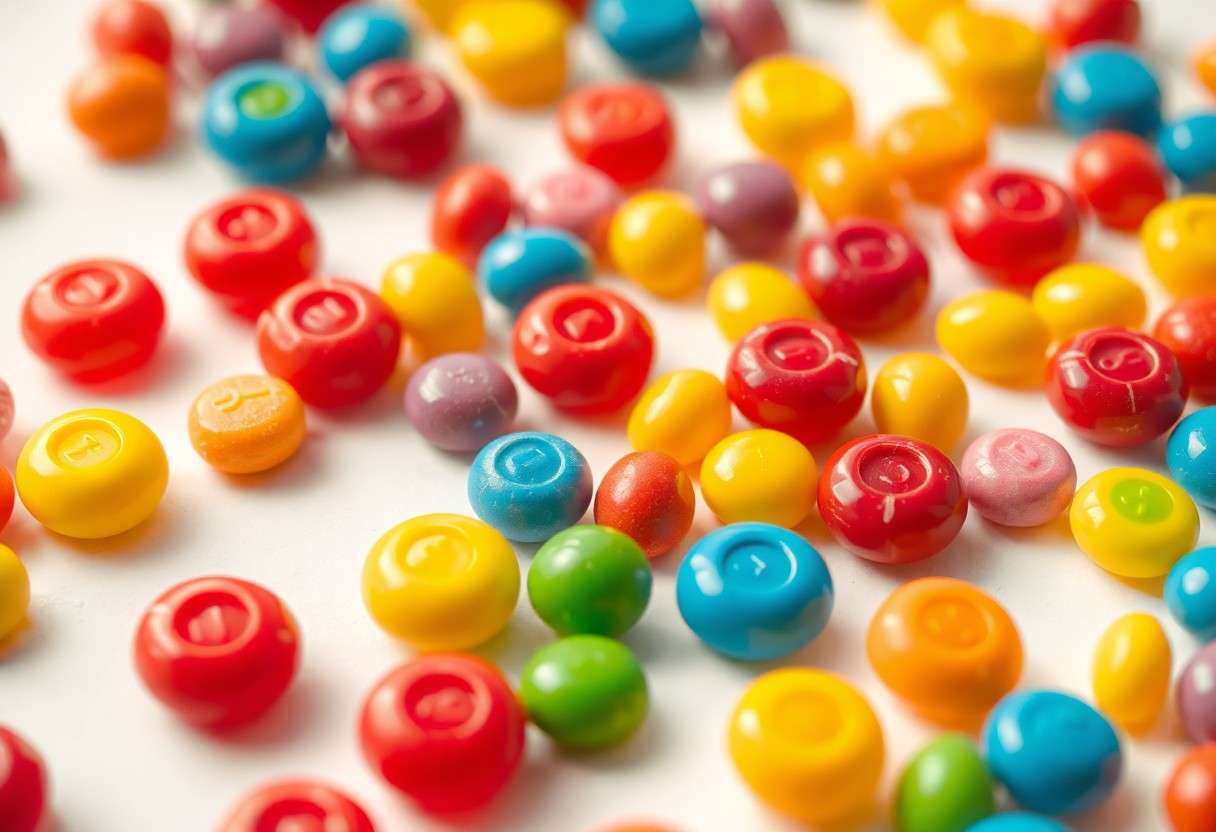
Psychology plays a significant role in how you perceive and enjoy candy, influencing your choices based on color associations. Each hue can evoke specific emotions or cravings, shaping your overall experience. Understanding these color cues not only enhances your enjoyment but also empowers you to make more informed decisions when selecting treats for yourself or others. In this post, we’ll explore the fascinating world of candy color psychology, unveiling how these vibrant shades can impact your mood, appetite, and even your memories associated with sweets.
The Neuroscience of Color Perception
How the Brain Processes Color
Your brain’s visual processing begins the moment light enters your eyes. The retina, located at the back of your eye, contains photoreceptor cells known as cones that detect color. There are three types of cones: S-cones (sensitive to short wavelengths, or blues), M-cones (medium wavelengths, or greens), and L-cones (long wavelengths, or reds). When you consume candy, the vibrant colors do more than appeal visually; they stimulate these cones, sending signals to the brain that interpret the hues you’re seeing. Your brain then processes these inputs using a complex system that involves multiple areas including the primary visual cortex and surrounding regions responsible for perception and recognition.
Emotional Reactions to Color Stimuli
Your emotional responses to colors are deeply ingrained and highly subjective. Studies have shown that specific colors can evoke particular feelings; for instance, red often triggers excitement or urgency, while blues can foster a sense of calmness. Candy companies often exploit this by designing their packaging or product colors to elicit these emotional reactions. The color of the candy can also influence your perception of its taste; for example, a red strawberry-flavored candy may be perceived as sweeter than a green apple-flavored candy due to underlying color associations.
Understanding color psychology in candy marketing demonstrates how your emotions can affect your decision-making. When you reach for brightly colored candy, the vibrant hues not only catch your eye but also stir your emotions. You might find yourself gravitating toward pinks and purples, which are often associated with fun and indulgence, whereas earthy tones like browns might elicit feelings of comfort or nostalgia. The interplay between color and emotion creates a powerful connection that influences your candy choices and consumption habits.
The Role of Color in Consumer Behavior
Color’s Influence on Purchasing Decisions
Color acts as a powerful signal in the purchasing decision process. Research indicates that up to 90% of a buyer’s initial judgment about a product can be based solely on color. This emotional response elicits a subconscious connection, often guiding choices before any consideration of the product’s features. For example, studies show that products in blue packaging are perceived to be more trustworthy, while red can evoke feelings of excitement and urgency, often leading to impulse purchases. Understanding how color resonates with your audience enables you to use it strategically in your marketing efforts.
The psychological implications extend beyond initial impressions. When considering a product, consumers instinctively associate colors with various attributes—green with health and eco-friendliness, black with luxury and sophistication. Such cognitive connections can promote brand loyalty, as consistent coloring reinforces brand identity. Thus, leveraging color as part of your branding strategy enhances not only consumer recall but also encourages a positive purchasing atmosphere that aligns with your brand narrative.
Case Studies: Brands That Mastered Color Psychology
Numerous brands have adeptly navigated color psychology, achieving remarkable success through targeted color strategies. Companies like Coca-Cola, which utilizes the invigorating red, have cultivated an almost universal recognition that corresponds with feelings of excitement and happiness. Similarly, brands such as Tiffany & Co. have effectively used their distinctive robin’s egg blue to convey a sense of sophistication and desirability, becoming synonymous with luxury in the minds of consumers. The visual identity of your brand can significantly impact how it is perceived, influencing both the emotions and intentions of your customers.
- Coca-Cola: The iconic red color reportedly increases appetite and encourages impulsive buying, contributing to the brand’s dominance in the beverage market.
- Tiffany & Co: The 1837 Blue Box™—their signature color—conveys luxury and timelessness, with 93% of consumers associating it with the brand even without the logo.
- McDonald’s: The use of yellow and red together invokes feelings of happiness and speed, leading to impulse visits, resulting in increased foot traffic by approximately 4% globally.
- Starbucks: Their use of green evokes calmness and rejuvenation, aligning with their brand philosophy and directly correlating with increased customer dwell time in outlets.
- Pepsi: The blue branding is strategically chosen to promote a sense of trust and reliability, allowing consumers to feel confident in their purchase decisions.
Examining these case studies illuminates how brands can benefit from a calculated approach to color in their marketing strategies. The data suggests that intuitive color choices resonate with emotional triggers while reinforcing brand identities. This creates lasting impressions and cultivates customer loyalty, demonstrating that a thoughtful color strategy can be as invaluable as the product itself. By observing how these iconic companies leverage color, you gain insights into how to apply similar principles to enhance your own brand’s market positioning.
Cultural Impacts on Color Associations
Global Variations in Color Perception
Color perception varies dramatically across different cultures, affecting how individuals react to and interpret colors. For instance, in many Western cultures, red is associated with love and passion, while in some Eastern contexts, it symbolizes good luck and prosperity. This divergence is reflected in consumer behavior; for example, a candy brand releasing a red treat might evoke excitement in one culture but more of a profound cultural reverence in another. Recognizing these subtleties in color associations can significantly enhance market penetration and acceptance.
Further, the context surrounding color can influence its meaning. A color that invokes a sense of caution or warning in one region may be celebrated in another as a symbol of vibrancy and life. The impact of local traditions and historical experiences shapes these perceptions over time, leading to a rich tapestry of color meanings globally. Brands that acknowledge these differences can better connect with their audience by choosing colors for their products that resonate appropriately within specific cultural frameworks.
How Culture Shapes Candy Marketing Strategies
Your strategies for marketing candy need to reflect the cultural backgrounds of your target audience. For instance, a candy line marketed in the United States might lean heavily on vibrant colors like neon pink or electric blue to evoke a sense of fun and nostalgia. In contrast, a campaign aimed at consumers in Japan might favor pastel hues, connecting with traditional aesthetics and contemporary trends. Understanding local color preferences allows candy brands to design packaging, branding, and advertising that feels personalized and relevant.
The success of global candy companies hinges on their ability to adapt to cultural nuances. Brands like M&M’s often tailor their marketing campaigns based on the distinctive tastes and preferences of various countries. For example, during festive seasons, they integrate culturally significant colors and themes into their packaging and messaging, resulting in a tailored appeal that resonates with local consumers. Employing such strategies not only increases sales but also builds brand loyalty across diverse markets.
The Experimentation Behind Candy Color Trends
Scientific Studies on Color and Taste Perception
Your taste buds don’t operate in isolation; they interact closely with your sense of sight. A plethora of studies indicates that color can influence flavor perception significantly. For instance, researchers at the Polytechnic University of Valencia found that when participants were served a red-colored beverage, they perceived it as sweeter compared to the same drink in clear glass. This phenomenon isn’t merely anecdotal; it demonstrates that visual cues can alter sensory experience, leading manufacturers to leverage color strategically in candy marketing. The takeaway here is that colors aren’t just for eye appeal; they actively shape your expectations and, ultimately, your enjoyment of candy.
This interplay between color and flavor is critical as candy brands invest heavily in research to understand consumer preferences. For example, studies suggest that warmer colors—like red and orange—tend to be associated with sweet flavors, while cooler tones, such as blue and green, evoke more complex tastes like sour or bitter. Identifying these connections allows brands to tailor candy colors that not only attract your attention in stores but also enhance your tasting experience.
The Evolution of Candy Design Through Color
Over the years, candy design has undergone a fascinating transformation, largely influenced by changing consumer attitudes toward color. In the early 20th century, most candies were designed with basic color palettes, often reflecting the natural ingredients used in their production. However, as food coloring technology advanced in the mid-20th century, candy manufacturers began experimenting with vibrant and unconventional color combinations to captivate younger audiences. Bright neon colors became popular in the 1980s, appealing to children and further entrenching the connection between candy and happiness.
As consumers have grown more health-conscious, the evolution of candy colors has also mirrored a shift toward natural and organic ingredients. Brands are increasingly opting for natural coloring agents derived from fruits and vegetables, which affect both color and public perception. For you as a consumer, this means that the candy aisle not only offers a visual feast but also a range of choices that align with your values and preferences regarding health and wellness.
Practical Applications for Candy Marketers
Strategies for Leveraging Color in Product Development
Incorporating color psychology into your product development strategy can significantly influence consumer choices. For instance, if you’re introducing a new line of gummy bears, consider using bright and cheerful colors like yellow and orange for flavors perceived as fruity and sweet. Research indicates that consumers often associate these colors with happiness and excitement—sentiments you want to evoke in your branding. Trials have shown that products in vibrant colors can sell up to 25% more than their dull counterparts, underscoring the potency of color as a marketing tool.
Tailoring colors to align with seasonal and holiday themes can enhance appeal as well. For example, during Halloween, colors like black and purple evoke feelings of mystery and intrigue, making them perfect for candies marketed around this holiday. Conducting focus groups can be an effective avenue to test color preferences before launch, ensuring you’re meeting consumer expectations while standing out on the shelf.
Creating Engaging Marketing Campaigns with Color
Engaging marketing campaigns that harness the power of color can create memorable experiences for your audience. Use vibrant colors in promotional materials to highlight new product releases, especially during peak buying seasons. This strategy was employed effectively by brands like Skittles, which frequently uses a bold and colorful palette in its ads to generate excitement and draw in customers. A study from the Institute for Color Research revealed that up to 90% of consumers make snap judgments about products based on color alone, indicating that your color choices can make or break a campaign.
Color can convey not just the experience of the product but also the brand’s identity. For example, if your candy brand aims to seem playful and adventurous, a combination of bright pinks and blues could reinforce this image in your advertising. Additionally, using consistent colors across various marketing mediums fosters brand recognition, so consumers can easily identify and recall your products. Ultimately, leveraging color creatively in your campaigns can help forge emotional connections with consumers, enhancing brand loyalty and driving sales.
Conclusion
Drawing together the intricate threads of candy color psychology, you can appreciate how the hues of your favorite confections influence your choices and perceptions. The colors used in candy are not merely aesthetic; they evoke emotions and stimulate cravings, playing a significant role in your overall experience. Knowing how colors can impact your mood and decisions, you can make more informed choices when selecting treats for yourself or others. For instance, you might opt for vibrant reds and yellows to amplify excitement or soothing blues and greens when you seek calmness in your indulgences.
Understanding the science behind candy color psychology allows you to tap into the potential of visual stimuli in various contexts, whether you are marketing sweets or simply enjoying them. You can use this knowledge to create enjoyable experiences, catering your selections to the emotions you wish to elicit or the atmosphere you want to cultivate. By considering the subtle psychological effects of color, you can enhance your appreciation of candy, making your treats not only a delightful culinary experience but also a deep-rooted psychological one.


