The Science of Candy Social Bonding
There's an intriguing connection between candy and the way you form social bonds with others. As you savor that sweet treat, your brain releases dopamine, creat

This article contains Amazon affiliate links. As an Amazon Associate, CandiesAndSweets earns from qualifying purchases.
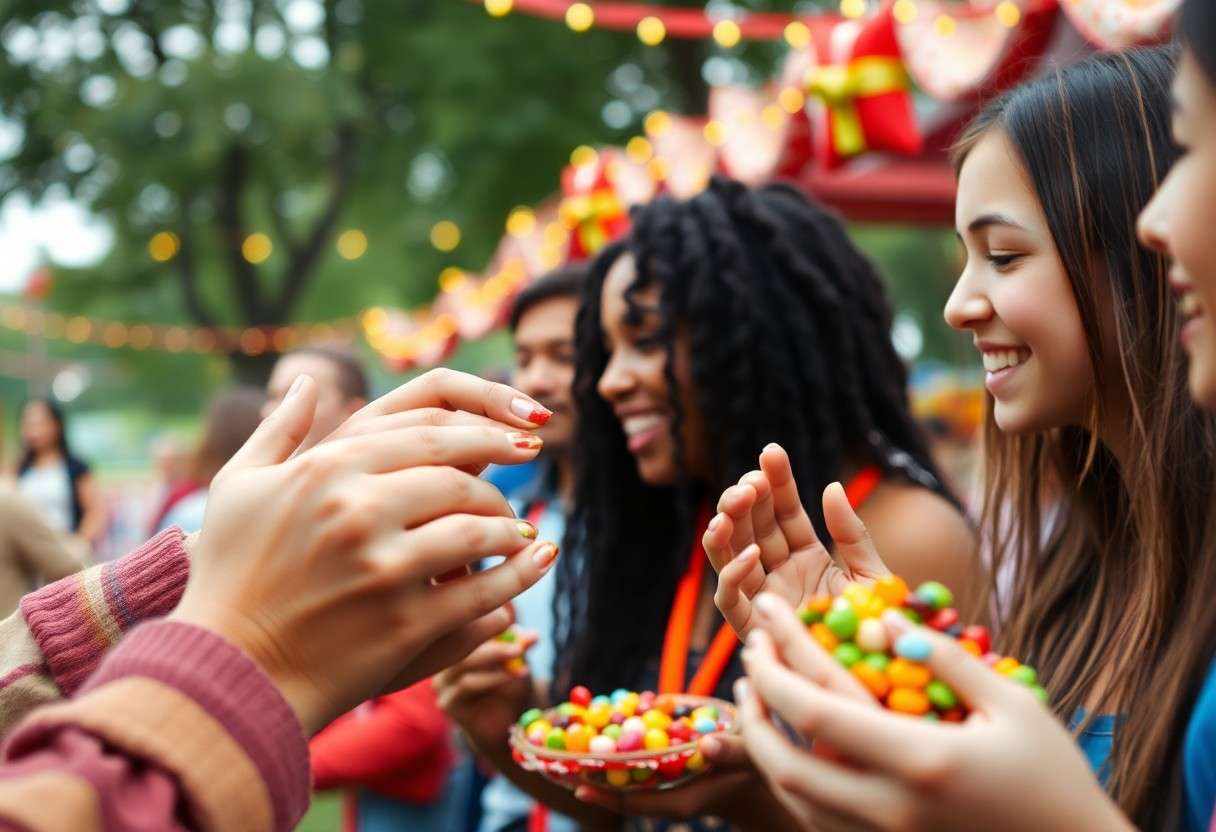
There’s an intriguing connection between candy and the way you form social bonds with others. As you savor that sweet treat, your brain releases dopamine, creating feelings of happiness and pleasure. But it goes beyond just taste; sharing candy opens channels for conversation, strengthens relationships, and fosters a sense of community. In this post, you’ll discover how different types of candy can influence social dynamics, the psychology behind sharing sweets, and practical ways to leverage this delicious phenomenon in your everyday life.
The Emotional Chemistry of Candies
The Neurotransmitter Response to Sweets
Your brain’s chemistry is finely tuned to respond to sugary treats, eliciting a rush of neurotransmitters that heighten feelings of joy and pleasure. The primary player in this emotional response is dopamine, often dubbed the “feel-good” neurotransmitter. Consuming candies stimulates your brain’s reward system, leading to a release of dopamine that creates a sense of satisfaction and happiness. This biochemical reaction can explain why you might instinctively reach for a piece of candy during stressful moments, as it’s not just about the taste but also about the emotional response that follows. Research indicates that sugar intake can lead to elevated serotonin levels, further enhancing your mood and fostering a sense of well-being.
Candy as a Catalyst for Social Connections
Candies often serve as facilitators of social interaction, providing a shared experience that can strengthen your connections with others. When you share a handful of gummy bears or pass around chocolate bars at a gathering, you’re not just sharing snacks; you’re participating in a ritual that cultivates camaraderie. Studies show that social bonding is significantly influenced by shared experiences, and indulging in sweet treats together can create powerful, lasting memories. These moments of togetherness often lead to laughter, storytelling, and deeper conversations, all of which work to enhance your social ties.
Furthermore, the psychology behind sharing candy is fascinating. When you offer someone a piece of your favorite candy, it signals generosity and trust. It fosters an environment where people feel comfortable and open, paving the way for genuine interactions. Think about the last time you celebrated a birthday or a holiday; the act of sharing candy or desserts is often one of those cherished rituals. It transcends simple sustenance, becoming an integral part of the social fabric that binds us together, reinforcing relationships and strengthening community ties.
Sweet Shared Experiences: How Candy Fosters Relationships
Shared experiences are fundamental in forging interpersonal connections, and candy is often at the forefront of these moments. Consider how a simple gesture—offering a piece of chocolate during a conversation—can lead to laughter, smiles, and an exchange of stories, further deepening your relationship with that person. Candy transcends cultural barriers, serving as a universal language that speaks to the heart. Whether you’re sharing gummy bears with coworkers during a break or passing around licorice at a family gathering, these exchanges create memories that linger long after the last bite.
Communal Candy Rituals in Different Cultures
Across the globe, communal candy rituals play a significant role in various cultures. In Mexico, for instance, “Día de los Muertos” (Day of the Dead) includes sugar skulls and marigold-shaped candies that honor deceased loved ones. Sharing these treats during elaborate altars emphasizes connection to the past and to each other, reinforcing family bonds and cultural ties. In Japan, seasonal candy-making, such as “wagashi,” unites families during festivals and holidays, creating a time for storytelling and connection amid the sweet smell of mochi and red bean paste.
Similarly, in the U.S., Halloween serves as a prime example of community bonding through candy. Children and parents alike take part in trick-or-treating, where the exchange of candy becomes a collective experience within neighborhoods. This festive tradition cultivates a sense of camaraderie among families, as everyone participates in the joy of sweet treats, and creates memories of excitement and togetherness. Such customs highlight how candy functions not merely as a treat but as a vehicle for social interaction and collective enjoyment.
The Role of Candy in Celebrations and Milestones
Celebrations are often marked by distinct traditions and rituals where candy plays a central role. Birthdays, weddings, and holidays frequently feature sweet confections that symbolize happiness and festivity. For instance, in many cultures, a wedding cake is adorned with sugary decorations, representing a sweet beginning to a couple’s journey together. Similarly, birthday parties are almost incomplete without a colorful array of candies and cakes, signifying the joy of growing older and sharing life’s milestones with loved ones. The sharing of these treats promotes a lively atmosphere, inviting connections and interactions amongst guests that can turn into cherished memories.
Moreover, milestones such as graduations often see the inclusion of candies in celebratory events. For instance, party favors often consist of assortments of candy, signifying success and sweetening the moment. Graduation ceremonies across various cultures feature candy, from chocolate-dipped fruits to specially designed confectionery, symbolizing the sweet rewards of hard work and achievement. As you share these experiences with friends and family, the shared enjoyment of candy strengthens bonds and creates a sense of unity that towers above individual accomplishments. Embracing candy in these contexts turns every celebration into an occasion of shared joy and connection.
Candy Memories: Nostalgia and Bonding
The Psychology Behind Childhood Candy Memories
Childhood candy memories serve as powerful triggers for nostalgia, a phenomenon that psychologists have studied extensively. Sight, smell, and taste are intricately linked to emotional recall in the brain, making the flavor of a particular candy from your youth instantly transport you back to simpler times. A study from the University of Buffalo found that even the mention of a beloved childhood candy can elevate one’s mood and recreate feelings of joy and safety derived from those early experiences, reinforcing the sense of belonging and connection you felt during that phase of your life. Specifically, candies associated with family outings or celebrations, such as birthday parties, imprint themselves on your psyche, creating rich sensory memories that linger well into adulthood.
How Nostalgia Influences Present-Day Relationships
Nostalgia not only enriches personal memories but also serves as a social glue that strengthens current relationships. Sharing stories about past candy adventures can ignite warmth and laughter among friends or family, reinforcing bonds through that shared history. When you engage in reminiscing about shared treats, like gorging on gummy bears during movie nights or sneaking candy from your Halloween stash with siblings, you tap into deep-seated emotions. A 2019 study published in the journal Emotion emphasizes how this type of recall fosters empathy and connection, even leading to increases in prosocial behaviors, as reminiscing about happy times together enhances your desire to maintain those connections.
Present-day relationships often thrive on these nostalgic connections, creating a shared language that invokes familiarity and closeness. Whether reminiscing during casual conversations or celebrating special occasions with traditional candies, these moments can significantly increase feelings of intimacy and understanding. The act of sharing not just candy, but the stories and emotions attached to them, can fortify your relationships in profound ways, reminding you and those you care about of the love and joy that can be found in the smallest pleasures.
The Marketing Dynamics of Candy and Social Interaction
Creating Community Through Targeted Candy Campaigns
Brands have successfully tapped into the social dynamics of candy consumption by designing campaigns that encourage community engagement. For instance, companies like Skittles and M&M’s have utilized the concept of personalization, allowing customers to create custom wrappers with their names or messages. This level of interactivity not only draws in consumers but also helps create a shared experience. By catering to your personal touch, brands foster a sense of belonging and enhance social bonds, ultimately forging deeper connections among consumers as they share their uniquely wrapped treats on social media.
Event marketing further amplifies this sense of community. Seasonal and cultural candy campaigns, such as Halloween-themed treats or limited-edition flavors that celebrate local festivals, play an integral role in bringing communities together. For example, the pop-up candy shops launched by brands during local summer fairs not only promote various candy products but create a gathering place for people. By merging candy with community events, these marketing strategies facilitate social interactions while embedding the product into your shared experiences, greatly influencing brand loyalty.
The Impact of Social Media on Candy Consumption and Sharing
Social media platforms have become a powerful catalyst for candy consumption and sharing. In a world where Instagrammable moments reign supreme, you are more likely to capture and share photos of colorful candy displays or decadent dessert creations. Brands have capitalized on this by curating enticing visual content that not only showcases their products but also encourages you to share your own experiences. Through hashtags and challenges, candy brands facilitate a global dialogue about their products, effectively creating a virtual community centered around sweet treats.
Collaboration with social media influencers has proven particularly effective in shaping candy consumption trends. Influencers often showcase unique ways to incorporate candy into recipes, introduce candy taste tests, or create themed content around holidays. The resulting engagement is significant; for example, a simple Instagram story featuring a candy can lead to increased sales and heightened interest. Research indicates that 60% of consumers have purchased a product specifically due to social media influencer recommendations, demonstrating the pivotal role that these platforms play in promoting candy not just as a product, but as a shared experience among friends and followers.
Evolving Tastes: The Future of Candy and Social Bonds
Trends Influencing Candy Preferences and Social Circles
Your taste in candy reflects not just personal preferences, but also societal trends and the evolving nature of social interactions. Increasingly, consumers gravitate toward flavors and ingredients that resonate with contemporary influences such as nostalgia, cultural diversity, and adventurous spirit. You may find that artisanal chocolates, exotic fruit-infused gummies, or even savory-sweet snacks are gaining popularity. These trends often become talking points within your social circles, serving as a bridge to new connections. When you share a unique candy experience with friends, whether it’s trying a beloved childhood treat or exploring international sweets, those moments serve to strengthen your bonds through shared discovery.
The Intersection of Health Consciousness and Candy Choices
Final Words
The science of candy social bonding reveals fascinating insights into how sugary treats can enhance your interpersonal connections. When you share a candy experience, whether it’s through exchanging favorites or indulging together, your brain releases chemicals like dopamine that foster feelings of happiness and togetherness. This simple act of enjoying candy can ignite conversations and create lasting memories, strengthening your relationships in the process.
As you explore the world of candy, you not only satisfy your sweet tooth but also open up avenues for bonding and shared experiences with others. Next time you reach for a piece of candy, consider how it can serve as more than just a treat; it can be a medium for connection and joy in your social life. By engaging in these small, sweet moments, you enhance your emotional ties and build a sense of community with those around you.