The Story of Candy in Folk Medicine
There's a fascinating narrative behind the sweet treats you enjoy, as candy has played a significant role in folk medicine throughout history. As you probe into

This article contains Amazon affiliate links. As an Amazon Associate, CandiesAndSweets earns from qualifying purchases.
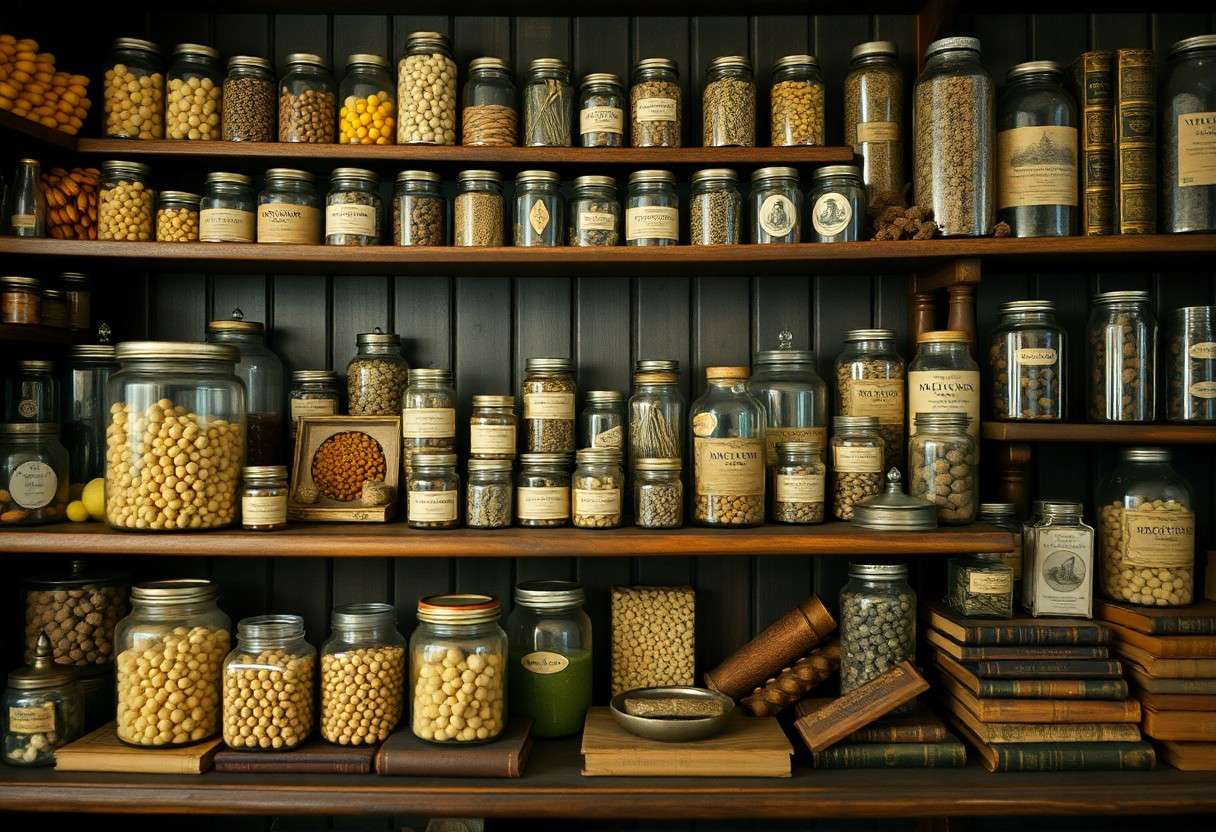
There’s a fascinating narrative behind the sweet treats you enjoy, as candy has played a significant role in folk medicine throughout history. As you probe into the origins and uses of these sugary confections, you will discover how various cultures have harnessed their properties for health benefits. From soothing stomach ailments to uplifting spirits, candy was often more than just a confection—it served as a remedy within traditional practices. Join us as we uncover the intriguing connection between candy and folk medicine, exploring its rich history and unexpected therapeutic applications.
The Ancient Roots of Sweet Remedies
Traditional Uses of Sweeteners in Healing
In many ancient cultures, sweeteners such as honey, sugar, and other natural syrups were not merely tasty indulgences; they were frequently used as remedies for various ailments. Honey, revered for its antibacterial properties, has been utilized for treating wounds and soothing coughs for thousands of years. Ancient Egyptians, for instance, regarded honey as a vital component of their medical practices, employing it in ointments to promote healing and fend off infections. Traditional Chinese medicine also recognized the benefits of sweet substances, using honey mixed with other herbs to create elixirs aimed at alleviating digestive issues and boosting vitality.
Furthermore, sugar cane juice has roots in Ayurvedic medicine, where it was often combined with spices to enhance digestion and cleanse the body. The cultural significance of these sweeteners in healing practices underscores their value as more than mere confections. You may find it fascinating that many herbal remedies incorporate sweeteners, not solely for flavor enhancement but as a medium to improve the absorption and effectiveness of the medicinal herbs.
Cultural Significance of Candy in Folk Practices
Candy’s role transcends mere enjoyment; it embodies cultural significance in folk medicine. Across various traditions, sweets have often been seen as symbols of healing and protection. In some communities, candy was offered as a gift or blessing during rituals, serving to ward off illness or misfortune. For example, ritualistic candies are often distributed in celebrations such as weddings or births, where they are believed to bring prosperity and health to newlyweds or newborns.
Moreover, you might find that different cultures utilize distinct types of candies in their folk practices, integrating local ingredients and flavors unique to their heritage. In some African traditions, for instance, colorful confections are thought to act as talismans, imbued with spiritual significance believed to ensure a prosperous future. This intertwining of candy with cultural beliefs and practices highlights its importance beyond mere sustenance—instead, it serves as a conduit for community identity and shared healing practices.
Throughout history, the cultural significance of candy has encouraged communal bonds and fostered a sense of belonging. As children receive treats during celebrations or as curative offerings in healing rituals, these sweet endings forge connections between past and present, cultural identity and individual experience. You may notice how these traditions are reflected in modern practices, reminding us that candy isn’t only about indulgence but also about history, health, and the ties that bind communities together.
Sweet Concoctions: Ingredients with Medicinal Properties
Honey and Its Historical Healing Powers
You may be surprised to learn that honey, often regarded simply as a natural sweetener, has a rich history as a healing agent. Ancient cultures from the Egyptians to the Greeks recognized honey’s medicinal properties, using it to treat wounds, soothe coughs, and promote digestive health. The antimicrobial properties of honey, particularly Manuka honey, have been well-documented; research indicates that its unique compounds can inhibit bacterial growth, making it a valuable ingredient in folk remedies. In your own kitchen, honey could serve not just as a sweetener for tea but also as a remedy for sore throats or minor burns.
Folk medicine often incorporates honey in concoctions that enhance its potency. For example, mixing honey with lemon juice can create a soothing syrup that addresses respiratory issues, while honey combined with cinnamon can provide cardiovascular benefits. This juxtaposition of sweetness and healing embodies the essence of folk medicine: simple, accessible remedies that have stood the test of time and continue to appear in herbal practices around the globe.
Sugar and Spice: The Role of Flavor in Folk Medicine
The flavors you enjoy can wield a surprising influence over wellness, particularly in folk medicine traditions. Spices like ginger, cinnamon, and cloves are not merely culinary enhancements; they have a long history of being utilized for their therapeutic properties. Ginger, known for its anti-inflammatory effects, is often found in teas meant to alleviate nausea, while cinnamon has been linked to better blood sugar control and is frequently used in remedies for colds. By infusing these spices into sweet concoctions, you blend flavor with function, creating enjoyable treatments for various ailments.
Moreover, the use of flavor in folk medicine extends beyond taste, tapping into the psychological comforts that sweetness can provide. Many cultures believe that the act of indulging in sweet, spiced treats can elevate mood and ease stress, which in itself can be therapeutic. The simple delight of a spiced candy or dessert may not just satisfy a sweet tooth but also contribute to your overall well-being, demonstrating how flavors tie into both physical and emotional health in folk medicine.
Candy’s Transition from Remedy to Indulgence
The Evolution of Candy in Western Medicine
During the 17th and 18th centuries, candy’s status transitioned from a medicinal item to a delightful indulgence in Western cultures. Early candy formulations often included herbs and spices believed to have therapeutic properties. For instance, anise and peppermint were popular for their digestive benefits. Over time, as the understanding of medicine evolved and refined, the ingredients in candy shifted toward sugar and flavor-enhancing additives, leaving behind the health-related roots. This change marked a significant shift from apothecaries and physicians prescribing sweets as remedies to confectioners making candy for pure enjoyment.
Your perception of candy at this point began to reflect societal changes as well. Sugar became more affordable and widely available, transforming the landscape of confectionery. Candy shops started to arise in cities, showcasing colorful displays of treats that weren’t just for the sick or weary. Instead, sweetmeats were embraced as novelties, enjoyed during celebrations, and gifted during festive occasions, shaping the modern experience of candy as a sweet indulgence rather than a medicinal cure.
The Diminishing Role of Folk Medicine in the Modern Era
Advancements in scientific understanding and medical practices led to the gradual decline of folk medicine, including the use of candy as a remedy. Today, licensed practitioners emphasize evidence-based treatments over traditional remedies. With the establishment of formal medical education and research, you can trace the rise of pharmaceuticals that are specifically designed for health, whereas the old practices of herbalism and sugar-based solutions for ailments faded into history.
As health awareness grew through the 19th and 20th centuries, societal perceptions evolved, balancing enjoyment with nutritional considerations. The public increasingly recognized the potential health risks associated with excessive sugar consumption, leading to increased regulation of candy and sweets. Now, you might find yourself carefully scrutinizing labels for additives, sugars, and other ingredients, reflecting a broader movement toward healthy living that diminishes the once-popular reliance on candy as a remedy.
Reevaluating Historical Wisdom: Insights for Today’s Health
The Resurgence of Interest in Traditional Remedies
The increasing popularity of herbal supplements and homeopathic treatments has sparked a renewed fascination with traditional remedies, including candy with medicinal properties. You might find it intriguing that ingredients such as honey, ginger, and even licorice root have historical uses in folk medicine, often found in recipes for age-old candies. For example, ginger candy has long been utilized for its anti-nausea effects, a practice dating back to ancient Chinese medicine where ginger was integrated into various dietary practices. As modern consumers lean toward natural alternatives, these historical sweets are witnessing a revival as more than just indulgences but as functional foods that can enhance well-being.
Health enthusiasts express a growing curiosity about how sugary confections, traditionally viewed as mere treats, can be beneficial. You might recall that in various cultures, specific candies were meticulously crafted not only for their delightful taste but also for their purported health benefits, often used to soothe ailments or promote vitality. A modern example can be seen in the rise of “medicated” candies, which contain herbs and vitamins, merging traditional wisdom with contemporary health trends.
Integrating Candy into Modern Holistic Practices
Your interest in holistic health may lead you to explore how candy can be thoughtfully integrated into a balanced lifestyle. By recognizing the therapeutic ingredients in many candies, you can adopt a more intentional approach to your consumption. For instance, incorporating herbal-infused candies into your routine, such as those made with chamomile or lavender, can provide a calming effect. Many nutritionists suggest using these confections as a complementary strategy in stress management or as a delicious alternative to more processed snacks that lack nutritional value.
Candy can also play a role in mindfulness practices; consuming a piece slowly, appreciating its flavors, can enhance your overall enjoyment and encourage relaxation. This approach reflects the principles of Ayurvedic practices that emphasize the importance of savoring food to cultivate a deeper connection with your body. You might also explore creating your own versions of medicinal candies, using ingredients that resonate with your health goals and taste preferences, allowing you to embrace the medicinal history of candy while adapting it to modern dietary needs.
Society’s Sweet Tooth: A Cultural Perspective
The Role of Candy in Celebrations and Traditions
Candy holds a significant place in many celebrations worldwide, often symbolizing joy and festivity. You might think of the vibrant colors of sugared treats that grace birthday parties, weddings, and holidays such as Halloween and Easter. In Mexico, the Day of the Dead features an array of sweet offerings like sugar skulls that pay homage to deceased loved ones. These customs not only showcase the aesthetic appeal of candy but also evoke a sense of community and togetherness, as families and friends gather to share in the joy of these delights. Each culture infuses its unique traditions into the way candy is presented and enjoyed, making it a powerful medium of expression and connection.
During festive seasons, candy becomes more than just a treat; it transforms into a symbol of celebration and delight, often reflecting local customs and flavors. You may find traditional confections that signal the arrival of specific holidays, such as marzipan figures during Christmas in many European countries or red envelopes filled with candy given during Lunar New Year celebrations. The sweet essence of candy ties you to your heritage, weaving it into the fabric of collective memory where flavors and traditions coexist.
The Myth and Reality of Candy’s Health Benefits
The beliefs surrounding candy’s health benefits present a fascinating blend of myth and reality. You might have heard that some candies offer quick energy boosts due to their sugar content, making them a go-to for athletes and active individuals. Indeed, glucose is an immediate source of energy, which can sometimes be useful in high-intensity competitions or after strenuous workouts. However, the long-term effects of consuming sugary treats regularly can be detrimental, linked to issues such as obesity, diabetes, and dental problems.
Despite the allure of candy as a quick health fix, studies indicate that the potential for hidden health advantages remains largely overstated. While indulging in candy occasionally can certainly elevate your mood or add sweetness to life, relying on it for your nutritional needs is a short-sighted approach. Some candies may contain traces of beneficial ingredients, such as dark chocolate with antioxidants, but these benefits are often overwhelmed by the negatives associated with excessive sugar consumption.
It’s necessary to weigh the cultural significance and emotional benefits of indulging in candy against its implications for well-being. Understanding the nuances between celebration and moderation allows you to partake mindfully in those sweet moments while recognizing the importance of balanced nutrition in your life.
Final Words
From above, you can appreciate how the intersection of candy and folk medicine reveals a fascinating narrative about our relationship with sweets throughout history. As you explore this realm, you uncover not just the origins of various candies but also the belief systems that shaped their uses in traditional remedies. You see how particular candies were esteemed for their supposed health benefits or mood-enhancing properties, allowing you to understand the broader cultural implications of ingesting such treats. This knowledge offers you a richer perspective on not only the candies you enjoy today but also the enduring traditions that have influenced their development.
In studying the story of candy in folk medicine, you gain insight into how sweet confections served not just as indulgences but also as objects of care and healing. This history encourages you to view candy through a lens that transcends mere sugar and flavor, inviting you to reflect on the roles these delightful creations play in your own life and cultural practices. Ultimately, embracing the legacy of candy in folk medicine can lead you to appreciate not only the flavor but also the stories that bind us together through generations.


