The Story of Candy in Traditional Healing
There's an intriguing connection between candy and traditional healing practices that you may not have considered. Often seen merely as a sweet indulgence, cand

This article contains Amazon affiliate links. As an Amazon Associate, CandiesAndSweets earns from qualifying purchases.
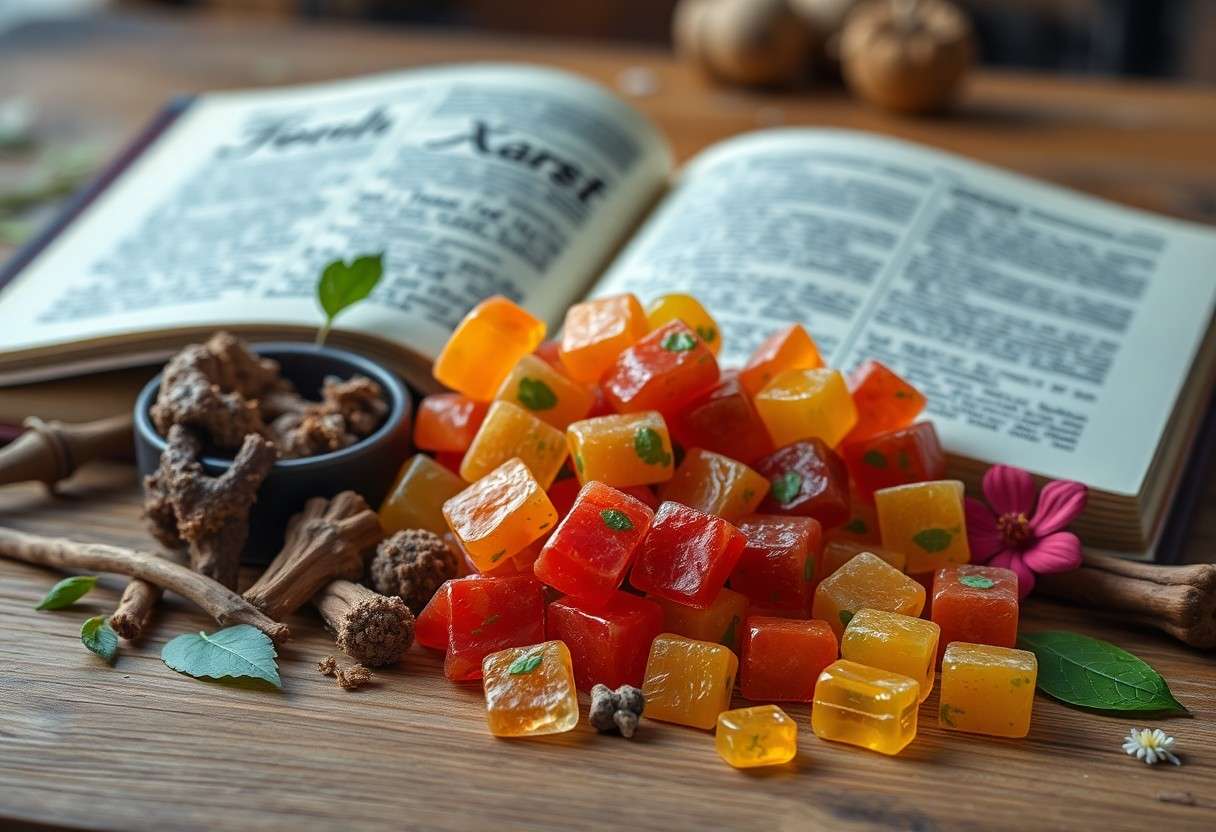
There’s an intriguing connection between candy and traditional healing practices that you may not have considered. Often seen merely as a sweet indulgence, candy has roots deeply embedded in various cultures where it was used for more than just enjoyment. In this post, you will explore how different types of candies have been utilized in traditional medicine, providing insight into their unique histories and the healing properties attributed to them. Understanding this relationship can enrich your appreciation for these treats and their significance in cultural practices around health and wellness.
A Sweet Beginning: The Origins of Candy in Healing Practices
Historical Roots: Ancient Civilizations and Their Use of Candy
In the ancient world, candy was often more than just a delightful treat; it served significant roles in medicinal and cultural practices. Civilizations like the Egyptians used honey—a fundamental ingredient in early candy recipes—not only for its sweetness but also for its healing properties. Honey was revered for its antimicrobial attributes, often incorporated into remedies to treat wounds and infections. You would find ancient Egyptians using honey to preserve fruits or mix it with herbs for healing concoctions, trusting in its natural ability to promote healing and enhance the body’s defenses.
Similarly, in ancient Greece, candies infused with various herbs were used to soothe ailments, such as digestive issues or sore throats. The Greeks crafted sweets from ingredients like figs, almonds, and honey, often bottling the goodness of local flora and sharing them in a restorative context. You might envision gatherings where people passed around these sweet treats, not just as a form of social enjoyment but as a way to nurture their health and alleviate symptoms of common ailments.
Candy as a Medicinal Tool: Formulating Remedies with Sweetness
The medicinal use of candy didn’t stop with ancient civilizations. In many cultures, candies were pharmacologically designed to mask the bitterness of herbs and other unpalatable ingredients. This was particularly beneficial in traditional Chinese medicine, where one might find herbal formulations sweetened with sugar or licorice root. By infusing these remedies with sweetness, practitioners made it easier for patients to consume their medications, thereby increasing adherence and effectiveness.
Your journey into the world of traditional healing through candy can reveal how creativity flourished. Herbalists and healers of old understood the value of flavor in promoting health. Consider the use of peppermint candies in soothing stomach discomfort or ginger candies to relieve nausea. These simple combinations of sweetness and select herbs formed early examples of how food could serve dual purposes: satisfying cravings while simultaneously acting as effective remedies.
The Alchemy of Sugar: Transforming Healing Traditions
The Science Behind Sugar’s Therapeutic Properties
The composition of sugar has long fascinated scientists and healers alike, as it serves multiple roles in both nutrition and traditional remedies. You may not realize that sugar acts as a quick source of energy, which is necessary during illness when your body’s needs for energy heighten. For instance, glucose, a simple form of sugar, is known to fuel the brain and muscle activity, providing the necessary support during recovery phases. Beyond its energy-giving properties, sugar can also create an environment conducive to healing by encouraging the growth of beneficial bacteria, aiding digestion, and fostering a balanced gut microbiome.
How Different Cultures Incorporate Candy in Their Healing Rituals
Candy’s role in healing traditions varies remarkably across cultures, reflecting a rich tapestry of history and belief systems. In Chinese medicine, for example, you might find licorice root candy, which not only provides a sweet taste but also harmonizes other herbs in decoctions, enhancing their therapeutic effects. The Japanese often use sugar to mask the bitter taste of medicinal herbs, making them more palatable for children and adults alike. In these traditions, the sweetness of sugar is not merely for enjoyment; it’s an necessary element that helps facilitate healing by making remedies more acceptable.
The Taste of Tradition: A Culinary Perspective on Healing Candies
Regional Variations: Candy Recipes with Healing Intentions
Exploring healing candies offers a delightful glimpse into the cultural fabric of various regions. In Asia, for example, traditional recipes often include ginger-root candies, renowned for their soothing properties against nausea and digestive issues. In Japan, you might find yuzu-flavored candies, which not only tantalize the taste buds but also boast invigorating properties believed to bolster your immune system. These recipes have often been passed down through generations, evolving with local ingredients while retaining their medicinal intent.
In the Mediterranean, the use of honey in confectionery showcases the integration of natural sweetness with health benefits. For instance, Greek thyme honey candies are traditionally consumed to soothe sore throats and enhance overall vitality. Similarly, in South America, the use of guava and its antioxidant-rich qualities manifest in candies aimed to boost skin health. Each region has tailored its recipes, creating a synergy between flavor and function, ensuring that each bite serves a dual purpose.
From Sweets to Salves: The Culinary and Medicinal Duality of Candy
The journey from sweet indulgence to medicinal salve often reflects a delicate balance between flavor and health. Candy can transcend mere pleasure, embodying age-old wisdom rooted in the desire for wellness. Take licorice root, used in candy form not just for its anise-like taste but also for its anti-inflammatory properties. Similarly, elderberry syrup candies provide a delectable way to harness the immune-boosting benefits of this age-old berry, making it easier for you to incorporate nutrition seamlessly into your daily routine.
Chocolates infused with adaptogenic herbs like ashwagandha or maca bridge the gap between confectionery and wellness, appealing to your taste buds while also supporting mental and physical health. These dual-purpose treats illustrate that when preparing candy, one can embrace not only culinary creativity but also an understanding of medicinal properties, creating a holistic approach that nurtures both the palate and the body.
The Modern Revival: Candy and Holistic Healing Today
Integrating Traditional Candy Practices in Contemporary Wellness
Your search for holistic wellness can find surprising synergy in the age-old practices involving candy. Ancient cultures recognized the balance between sweetness and healing, and modern practitioners of holistic healing are revisiting these traditions. You may encounter workshops focusing on natural ingredients that are sweetened by traditional candies, designed to enhance herbal remedies, teas, and other wellness concoctions. For example, herbal teas sweetened with honeycomb or herbal lozenges often include medicinal herbs known for their healing properties, proving that the intersection between sweetness and health can yield beneficial results.
The Role of Candy in Mindfulness and Emotional Healing
Incorporating candy into your mindfulness practice can enhance emotional wellness. The tactile experience of making or consuming candy fosters a state of presence, allowing you to engage with your senses fully. Picture creating a homemade batch of fruit-flavored gummies infused with calming chamomile. As you mix, pour, and set the candies, each step invites you to slow down and embrace the moment. This act of creation becomes a ritual that promotes relaxation and reduces stress.
The Future of Candy in Healing: Innovations and Trends
New Age Remedies: The Rise of Functional Candies
Functional candies are redefining what it means to indulge in sweets while also prioritizing your health. These innovative confections often contain added vitamins, minerals, adaptogens, or probiotics. For example, some companies are now crafting gummies infused with turmeric for its anti-inflammatory properties or elderberry for immune support. The trend is transforming your perception of candy; it can now serve as a supplement that not only satisfies cravings but also enhances well-being. As more consumers seek multifunctional foods, the market for these types of products is expected to grow significantly, with research suggesting a compound annual growth rate of over 8% in the coming years.
Additionally, the development of alternative sweeteners, such as monk fruit and stevia, plays a key role in this trend. You’ll find that many functional candies are crafted with these sugar substitutes, allowing individuals with dietary restrictions to enjoy the benefits of candy without the adverse effects on blood sugar levels. As consumers become more health-conscious, the surge in functional candies is paving the path for a new era where indulgence and wellness coexist harmoniously.
Ethical Considerations: Sustainability and Health in Candy Production
Sustainability has become a hot topic in the food industry, and candy production is no exception. Many brands are prioritizing sustainable sourcing of ingredients and environmentally-friendly packaging as part of their commitment to ethical practices. For instance, some companies are now using organic, non-GMO ingredients and sourcing their cacao from fair trade farms. This not only supports local farmers but also ensures that the products you enjoy contribute positively to the environment and society at large.
The attention to health throughout candy production is also shifting towards transparency and consumer awareness. Labels now often emphasize clean ingredients, allowing you to make informed choices about what goes into your body. Efforts to reduce artificial additives and preservatives are indicative of a broader trend that prioritizes health without sacrificing the delightful experience of candy consumption. This movement isn’t merely a trend; it reflects a collective consumer desire for products that are both enjoyable and responsible.
Summing Up
Following this exploration of the story of candy in traditional healing, you can appreciate how deeply intertwined candy and herbal remedies are in many cultures. You have seen how sweet treats, often made from natural ingredients, not only serve to delight the senses but also to enhance health and well-being. Understanding these links allows you to approach candy not just as a confectionery item, but as a potential herbal ally that can support traditional healing practices.
As you reflect on your own experiences with candy and health, consider how you might integrate this knowledge into your lifestyle. Whether it’s choosing candies made from local herbs or exploring the folklore surrounding these treats, you can enhance your understanding of health in a flavorful way. By embracing the intersections of candy and traditional healing, you open yourself to a richer, more nuanced perspective on wellness and nutrition that honors both past wisdom and present practices.