The Story of Candy Vending Machines
There's a fascinating journey behind the candy vending machine, a beloved icon of convenience and indulgence. You may have experienced the thrill of selecting a

This article contains Amazon affiliate links. As an Amazon Associate, CandiesAndSweets earns from qualifying purchases.
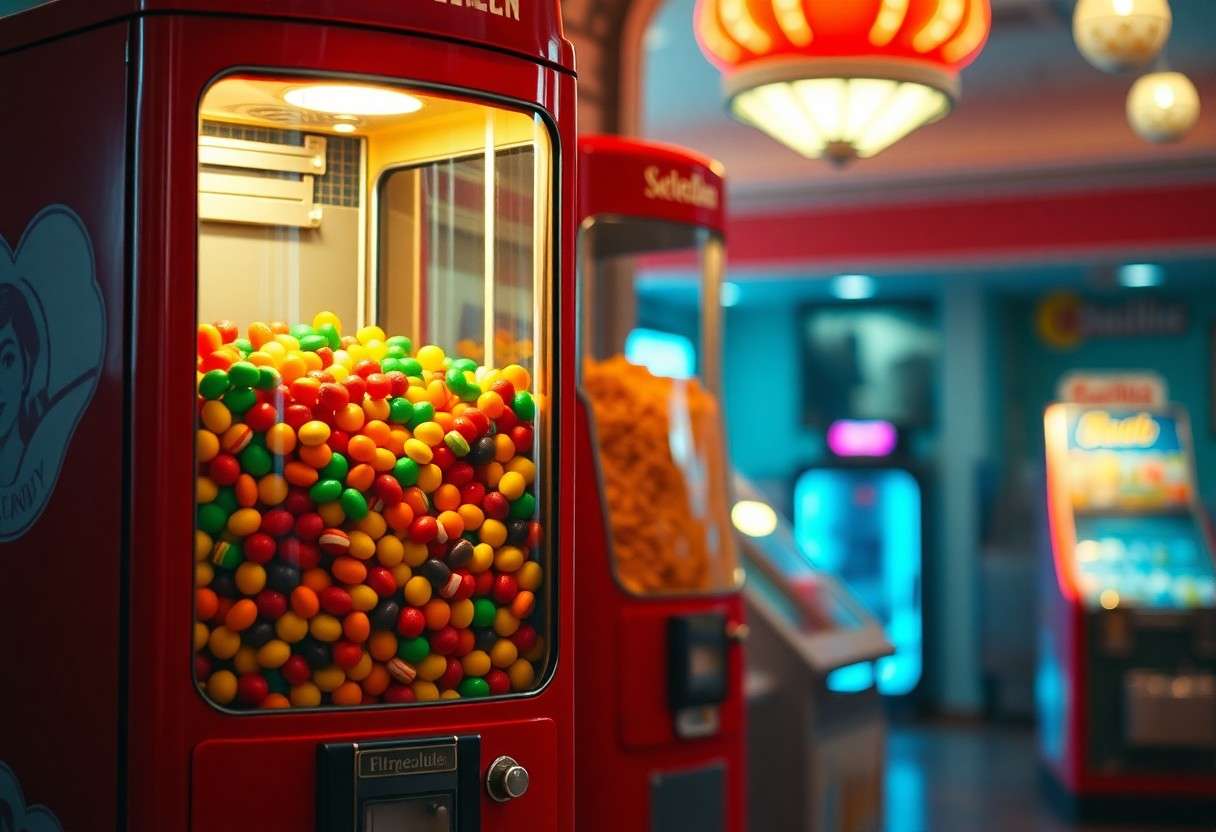
There’s a fascinating journey behind the candy vending machine, a beloved icon of convenience and indulgence. You may have experienced the thrill of selecting a colorful treat from one of these machines, but have you ever wondered about their history and evolution? From their humble beginnings to their ubiquitous presence in modern society, this post will examine into the origins, development, and the impact of candy vending machines on our sweet tooth culture. Get ready to uncover the sweet story that lies behind your favorite sugary snacks!
The Inception of Vending: From Antique Mechanisms to Candy Machines
The Birth of Vending Machines in the 1880s
The first vending machines began making their debut during the late 19th century, specifically around the 1880s, revolutionizing how people accessed goods. These early contraptions primarily dispensed simple items such as postcards and cigarettes, tapping into the burgeoning desire for convenience in society. Inventor Charles Fey is credited with creating one of the earliest designs, which showcased the potential of vending beyond just a novelty, fostering an entirely new industry driven by automation and self-service models that appealed to the public’s need for quick and accessible purchases.
As these machines gained popularity, their simple mechanisms sparked interest in more advanced designs. They were often set up in train stations and street corners, drawing the attention of busy commuters and travelers. The use of coin-operated technology allowed for a seamless transaction process, which laid the foundation for future innovations. By catering to the growing urban populations, vending machines began to appear not just as devices for sales but as symbols of modernism, embodying changing retail landscapes.
Evolution from Simple Mechanisms to Candy Dispensing Innovations
With the foundation laid by early vending machines, the transition to candy dispensing innovations took hold in the early 20th century. The introduction of new materials and mechanized systems allowed for refined designs that could handle more delicate products like candy. It wasn’t long before companies like Hubinger, A&M, and others ventured into automatic vending specifically for snacks and sweets, leading to the breakout of candy machines as we know them today. These machines not only provided access to treats but also incorporated fun, colorful designs that appealed to children and adults alike, enhancing their visibility in busy public spaces.
As the world moved through the decades, candy vending machines saw further adaptations and technological advances. The evolution continued to push boundaries with features like illuminated displays, larger capacities, and variations in dispensing mechanisms—including gravity-fed systems and rotating drums. Each improvement allowed manufacturers to cater to evolving consumer preferences and lifestyle changes, positioning candy vending machines as a staple of snack culture in schools, amusement parks, office buildings, and even shopping centers.
Cultural Impact: Candy Machines in Everyday Life
The presence of candy vending machines permeates various aspects of daily life, influencing not only what you consume but also how you connect with those around you. These machines symbolize convenience and the sweet indulgence that often accompanies moments of joy and celebration. They’ve found their homes in schools, parks, and shopping malls, providing easy access to treats for people of all ages. You may recall waiting in line at a movie theater, your eyes glued to the vibrant colors of the candies spinning behind the glass, each option promising a small thrill with its immediate gratification. This convenience has made candy vending machines not just a source of snacks; they are interwoven into your experiences and memories.
The Role of Candy Vending Machines in Pop Culture
Candy vending machines have undeniably carved a niche for themselves in pop culture, appearing in movies, television shows, and even music videos. These machines often represent childhood innocence and the simple pleasures of life. Think back to the classic scenes where characters congregate around a vending machine, sharing laughs and stories while deciding on which treat to choose. Their frequent appearances underscore the nostalgic joy associated with candy, helping to solidify the machines’ status as cultural icons. For instance, in films like “Willy Wonka & the Chocolate Factory,” the allure of sweets extends beyond mere consumption and becomes a gateway to adventure and imagination.
Nostalgia and the Resurgence of Vintage Machines
The resurgence of vintage candy machines is a testament to your longing for simpler times, where the mechanical clink of a coin and the whir of a mechanism served as precursors to the delightful rewards within. You might have noticed a trend where retro-style vending machines are popping up in artisanal shops, diners, and nostalgia-filled, themed locations. These machines often feature classic candies that evoke fond memories, making them not just a vending option but a nostalgic artifact. A clever mix of style and function, they bring a sense of connection to the past, resonating with both younger generations discovering these treasures and older generations reminiscing about their childhood treats. The tactile experience of choosing candy from a well-worn metal machine brings pleasure that transcends generations, allowing you to share your own stories with friends and family.
In various community events and local markets, vintage candy machines have found a new lease on life, serving as eye-catching focal points that draw you in with their charm. You can often find them filled with classic candies like Red Vines, Tootsie Rolls, and even the occasional bubble gum. Collectors have embraced these machines, showcasing them as pieces of Americana that remind you of a carefree era, when such simple pleasures were part of everyday life. The tactile interaction and nostalgia tied to these machines create a unique experience that modern tech simply cannot replicate.
Anatomy of a Candy Vending Machine: Design and Functionality
The Engineering Behind Candy Dispensing
Understanding the mechanics of candy vending machines reveals the intricate engineering that goes into each design. The basic structure typically involves a series of rotating spiral mechanisms. When a selection button is pushed, a motor activates, causing the spiral shaft to rotate, guiding candy from the storage compartment down to the dispense slot. Precision timing is vital; machines often employ micro-switches to ensure that a selection is only processed once, preventing jams and ensuring correct item delivery. Innovations like infrared sensors detect whether an item has been dispensed, which adds a layer of reliability to the experience.
Your personal interaction with the machine often begins with simply inserting coins or a card. Many modern vending machines have adopted digital payment systems to accommodate cashless transactions. They use software algorithms to manage inventory levels and suggest popular items, making sure that freshness and variety stay at the forefront of your candy selection experience. The durability of materials used, such as tempered glass and robust plastics, counters the wear and tear of everyday usage, blessing you with a machine that stands the test of time.
Aesthetic Choices: Branding and User Experience
Aesthetics play a significant role in the design of candy vending machines, directly affecting user engagement. Eye-catching graphics and bright colors are often utilized to evoke emotions associated with joy and nostalgia, inviting you to indulge in a sweet treat. Brands partner with machine manufacturers to create custom designs, strategically placing logos and branding to catch your attention as you walk by. The layout of the candy selections is often based on consumer behavior studies, positioning popular items at eye level while ensuring that seasonal and trending candies are updated regularly to pique your interest.
Consider the tap into senses beyond just sight; auditory prompts and chimes that signal a successful transaction enhance the overall experience. A well-designed candy vending machine is not merely a functional device but a curated experience. Research supports this approach—consumers are more likely to engage with products presented in a visually appealing way. The blend of design and engineering ensures that each interaction with the candy vending machine is not only easy and efficient but also delightful and memorable.
The Business Model: Profit Margins and Market Strategies
Understanding the Economics of Candy Vending
The profitability of candy vending machines primarily hinges on the careful selection of products, pricing strategies, and operational costs. Typically, candy vending machines offer a profit margin that can range from 70% to 90%, depending on the type of candy and purchase price. For instance, if a candy bar costs you 25 cents wholesale and you sell it for a dollar, you’re looking at a significant return on investment. However, it’s not just about the price point; keeping operational expenses low, such as machine maintenance and location rents, also plays a significant role in determining overall profitability. Balancing the cost of goods sold with expenses ensures you maximize your bottom line.
Alongside product choice and cost management, your sales volume directly affects the overall revenue. High-traffic locations can generate substantial sales momentum. Research shows that machines in busy areas like schools, malls, or office buildings can yield hundreds of dollars per month. Seasonal promotions and rotating stock can further enhance sales. By staying attuned to consumer favorites and current candy trends, you can ensure that your inventory remains appealing and relevant to the market demand.
Identifying Target Demographics and Locations
Understanding your target demographics is necessary for optimizing the success of your candy vending machines. Different locations attract various segments of the population, and aligning your machine placements with the preferences of those groups can significantly impact sales. For example, placing machines in schools or near universities can tap into the student market, which typically favors affordable, quick snacks. Alternatively, vending machines in offices might need to cater to working adults looking for a sweet pick-me-up during their breaks.
Moreover, the locations you choose can also define the types of candy you stock. In family-oriented areas, for instance, a range of traditional candies and popular brands can appeal to both kids and parents. Conversely, trendy urban locations might benefit from gourmet selections or healthier snack options. By analyzing foot traffic patterns and the demographics of nearby residents or workers, you can strategically position your machines to capitalize on the highest potential consumer spend.
Leveraging data from local businesses, schools, and community events can further refine your understanding of target demographics. Engaging with the community through surveys or social media can provide insights into consumer preferences, helping you tailor your offerings to match local tastes. Ultimately, your ability to position machines effectively and understand local habits will be key drivers of your vending success.
Technological Advancements: The Future of Candy Vending Machines
Integration of Smart Technology and Payment Systems
Your experience with candy vending machines is set to transform as technology advances. Imagine machines equipped with touchless payment systems, where simply scanning your smartphone can complete your purchase within seconds. These smart machines are increasingly incorporating biometric recognitions, such as facial recognition, to streamline transactions and enhance customer engagement. With features like interactive touch screens displaying nutritional information and product videos, these innovations aim to create a more personalized shopping experience, helping you make more informed choices at your convenience.
The introduction of data analytics is another significant leap forward for candy vending. By collecting data on purchasing behaviors, companies can adjust inventory to reflect consumer preferences, ensuring that you find your favorite treats stocked consistently. Furthermore, these vending machines can send stock alerts directly to operators, minimizing downtime and maximizing product turnover. Operating costs can potentially decrease significantly, improving profitability and product availability for you, the customer.
Trends in Flavor and Health-Conscious Offerings
The flavor palette of candy vending machines is expanding, adapting to contemporary tastes and dietary preferences. You may notice an increasing range of healthier offerings, including vegan, gluten-free, and low-sugar options that cater to the growing demand for guilt-free snacking. Companies recognize that consumers today often seek indulgent flavors combined with cleaner ingredients, leading to the emergence of exotic options like organic kombucha-flavored candies or spicy chocolate-covered snacks. This trend not only emphasizes flavor diversity but also promotes a health-conscious mindset among vending machine shoppers.
As more candy manufacturers recognize the trend towards health-wellness, they are responding with innovative recipes that maintain flavor without compromising on ingredients. For instance, brands are introducing options infused with superfoods, like goji berries or acai, that bring not just taste but added nutritional value to your favorite treats. Custom flavors like sea salt caramel or matcha latte showcase the culinary creativity emerging in vending machines, offering you an ever-evolving assortment that delights the palate while also catering to health-conscious choices.
Final Words
So, as you explore the fascinating evolution of candy vending machines, you gain a deeper appreciation for how these quirky devices have become an integral part of modern consumer culture. From their humble beginnings in the late 19th century to the high-tech machines of today, candy vending machines have adapted to meet changing consumer preferences while providing instant gratification. You see the delicate balance between convenience and nostalgia that keeps you engaged, whether you’re feeding quarters into a classic model or tapping your smartphone on a sleek touchscreen.
Ultimately, your experience with candy vending machines is not just about satisfying your sweet tooth; it’s a glimpse into the broader narrative of innovation and commerce. Each time you purchase a treat, you’re participating in a time-honored tradition that reflects changing societal norms and technological advancements. So, next time you encounter one of these machines, you’ll find yourself appreciating the stories behind them as much as the sweets they dispense, adding another layer of enjoyment to your candy experience.


