The Sweet History Behind Your Favorite Childhood Candy
Most people have fond memories tied to the sweet treats they enjoyed as children. From chewy gummies to chocolate bars and colorful lollipops, each candy holds

This article contains Amazon affiliate links. As an Amazon Associate, CandiesAndSweets earns from qualifying purchases.
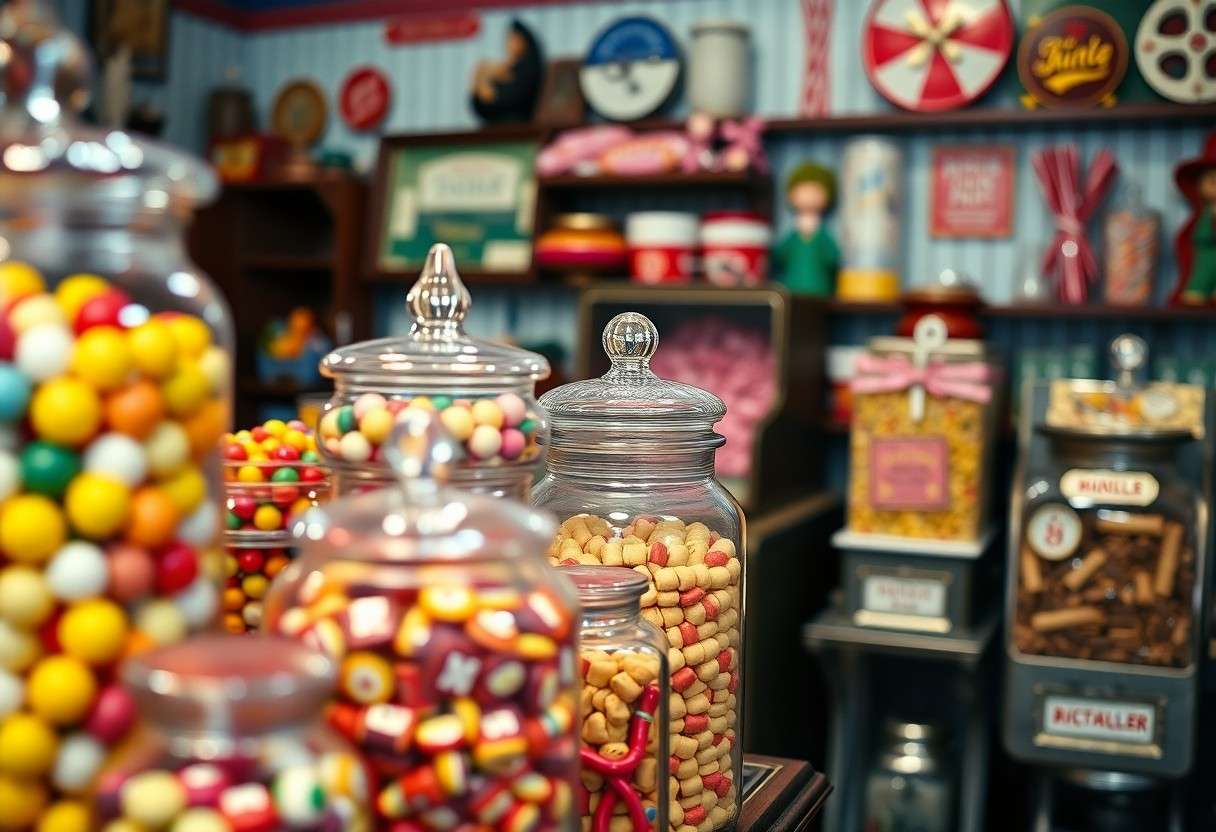
Most people have fond memories tied to the sweet treats they enjoyed as children. From chewy gummies to chocolate bars and colorful lollipops, each candy holds a story that reflects the culture and creativity of its time. As you indulge in these nostalgic flavors today, explore into the captivating history that brought them to life and discover how they’ve evolved through the decades. You’ll be surprised by the quirky origins and fascinating transformations that shaped your beloved confectionery favorites.
The Origins of Candies: A Journey Through Time
Ancient Treats: Earliest Forms of Candy
Your first encounter with candy might have been at a birthday party, but the history of sweet treats goes back thousands of years. In ancient civilizations such as Mesopotamia and Egypt, people discovered that they could combine honey with nuts and fruits to create delightful morsels. Egyptians even prepared honey-coated fruits and nuts as offerings to their gods, showing how deeply embedded these sweet delights were in their culture. Archaeological findings suggest that the ancient Romans also enjoyed confections made from honey and other natural ingredients, setting a foundation for what we would eventually recognize as candy.
The Evolution of Sweets in the 19th Century
Iconic Childhood Candies: Stories Behind the Brands
The Birth of the Chocolate Bar: A Sweet Revolution
In 1847, the chocolate bar as you know it today made its debut, thanks to Joseph Fry, a British chocolatier who discovered that he could create a moldable paste by mixing cocoa powder, sugar, and cacao butter. This innovation ignited a transformation in the candy landscape, allowing chocolate to be shaped into portable bars. By the 1870s, the chocolate bar gained significant popularity, with brands like Cadbury and Nestlé entering the fray. The combination of smooth texture, delectable flavor, and convenience crafted a new category of sweets that catered to the growing demand for affordable luxuries. As a result, chocolate became a staple indulgence, forever altering your treat choices as a child.
The Industrial Revolution facilitated mass production, making chocolate bars accessible to the wider public. Cadbury released its Dairy Milk bar in 1905, introducing milk chocolate to a hungry market, while Hershey’s Milk Chocolate bar brought an American twist to the confection. These bars were marketed to families, encouraging sharing and delight at any moment. The chocolate bar jumped beyond high-society treat status, establishing itself as a beloved childhood memory that has continued to sweeten generations.
Gummy Bears and the Rise of Chewy Candies
Your fondness for gummy bears traces back to the 1920s, when German candy maker Hans Riegel first introduced the concept of gummy candies. Inspired by dancing bears he observed in his hometown, Riegel created the original gummy bear, a small, gelatin-based sweet that quickly caught the attention of the public. By 1960, Riegel’s company, Haribo, began exporting these colorful creatures to America, where they soared in popularity. Chewy candies like these combined fun shapes and vibrant colors, allowing you to enjoy not just the taste but also the tactile experience of eating them. Today, gummy bears have become a staple treat for children, making them a highly influential part of the candy industry.
The appeal of gummy candies really took off in the 1980s when manufacturers began to explore new flavors and textures, expanding beyond the original bear shape. With the creation of various fruit-flavored chewy candies, including worms, rings, and other whimsical shapes, you could indulge in a rainbow of tastes and experiences. This innovation fueled competition, leading to a surge in brands and varieties, capturing your attention in the candy aisle and solidifying chewy confections as a timeless childhood favorite.
Nostalgia and Economics: How Childhood Memories Shape Candy Prices
The Market Demand for Retro Candies
Your sweet tooth and fond memories play a significant role in the current market demand for retro candies. As adults, many of you find comfort in indulging in the treats you enjoyed as children, creating a nostalgic revival that brands are eager to capitalize on. Items like Pop Rocks, Necco Wafers, and Twinkies are not just snacks; they’re portals to simpler times. In fact, surveys have shown that more than 70% of consumers are willing to pay a premium for candy that evokes these cherished memories, revealing how nostalgia can create a robust demand cycle that keeps these iconic brands alive. The growth of specialty candy shops and online retailers reflects this phenomenon, where the retro candy market has seen an uptick of nearly 15% in sales over the last five years.
Pricing Strategies: When Sentimentality Meets Supply
Your emotions play an intriguing role in how much you’re willing to spend for a taste of nostalgia. Candy manufacturers often employ pricing strategies that leverage your sentimental feelings, increasing prices for retro products based on perceived value. For instance, a small bag of candy that once cost pocket change can now retail for nearly three times that amount simply because it invokes happy memories of childhood. Retailers know that the combination of unique packaging and the story behind each candy enhances its perceived value, allowing them to set higher price points. Companies also limit supply to further increase demand—after all, what could be more enticing than a product that feels hard to get? Limited-time offers or special editions entice you to act quickly, creating a sense of urgency that can drive up candy prices even further.
Businesses use various marketing strategies to tap into your nostalgia and maximize profits. For example, appealing to your emotions through vintage-inspired advertising and packaging can activate memories, often leading to impulse purchases. Seasonal promotions around holidays also help boost sales; think of Easter or Halloween when nostalgic candies make a grand return. As you stroll down the candy aisle and catch a glimpse of a favorite from yesteryears, you’ll find that you’re not just buying candy—you’re investing in a slice of your own history, which businesses are all too happy to monetize.
Cultural Impact of Candies: Paving the Path to Modern Day Favorites
The Role of Candies in Celebrations and Traditions
Candies have woven themselves into the fabric of celebrations across the globe, marking significant events and milestones with sweet delights. From the colorful confetti of piñatas at birthdays to the heart-shaped treats exchanged on Valentine’s Day, candies play a vital role in amplifying joy and festivity. During Halloween, the excitement of trick-or-treating becomes synonymous with the thrill of collecting a vast assortment of candies, echoing childhood memories for generations. Each candy shared during these occasions nurtures bonds and creates lasting traditions that you likely cherish and pass down.
Cross-Cultural Influences: How Global Treats Became Childhood Staples
Your favorite childhood treats reflect a rich tapestry of cultural influences that have shaped the confections you indulge in today. Take the iconic gummy bear, for instance, which traces its roots back to German candy maker Hans Riegel in the 1920s. What began as a simple gelatine-based treat quickly crossed borders, evolving into a worldwide sensation that has inspired countless flavors and variations. Regional specialties like Turkish delight and Italian torrone also made their way into the limelight, offering you a taste of international flavors combined with local traditions.
This melding of cultures demonstrates how candies adapt and resonate with diverse audiences. As you explore different countries, local gummies, chocolates, and other sweets often allude to their origins while still appealing universally. For instance, the Indian festival Diwali features dagashi—colorful snacks and sweets—blending traditional with modern flavor profiles, ensuring every child enjoys a delightful experience. As cultures collaborate and share their treats, candies keep evolving, seamlessly integrating into your childhood memories.
The Science of Candy Consumption: Why We Can’t Resist
The Neurochemistry Behind Sugar Cravings
Your sweet tooth is not just a whim; it’s rooted in complex neurochemistry that makes sugar incredibly irresistible. When you consume sugary candies, your brain releases a barrage of neurotransmitters like dopamine, which creates feelings of pleasure and reward. This rush is similar to what you might experience with other rewarding activities, reinforcing your desire to reach for that candy bar or gummy bear again and again. The power of the sugar hits the brain’s pleasure centers, making those delightful treats hard to resist and often leading to cravings that can feel overwhelming.
Marketing Strategies That Make Us Buy
Beyond visual appeal, many brands create limited-time flavors or seasonal editions, which exploit the psychology of scarcity and FOMO (fear of missing out). This tactic encourages you to buy now because you might not get the chance again. Furthermore, familiar jingles and nostalgic advertising campaigns often evoke emotions that connect you back to those carefree childhood days, creating a strong, almost irresistible urge to reach for that candy as a means of reliving those precious moments.
By understanding how these marketing strategies leverage your emotions and memory, you can see not only why you grab that candy bar at the store but also why certain brands have anchored themselves in your hearts from childhood. The combination of neurochemistry and savvy advertising makes it clear: your favorite candies are designed to be utterly enchanting, turning simple sugary snacks into irresistible treats that echo the sweetness of your youth.
Final Words
To wrap up, understanding the sweet history behind your favorite childhood candy not only enhances your appreciation for these beloved treats but also connects you to the cultural and social landscapes that shaped them. From the creativity of early candy makers to the innovative marketing strategies that captured your imagination, each piece of candy has a story waiting to be explored. You may find it fascinating how ingredients and recipes have evolved over time, reflecting changes in society, technology, and even health consciousness. This glimpse into the past allows you to see your favorite candies as more than just sugary indulgences; they are also artifacts of history that have delighted generations.


