How to Host a Memorable Chocolate Tasting Party
Over the years, chocolate has transcended from a simple indulgence to a sophisticated delight, making a chocolate tasting party an exceptional way to gather fri

This article contains Amazon affiliate links. As an Amazon Associate, CandiesAndSweets earns from qualifying purchases.
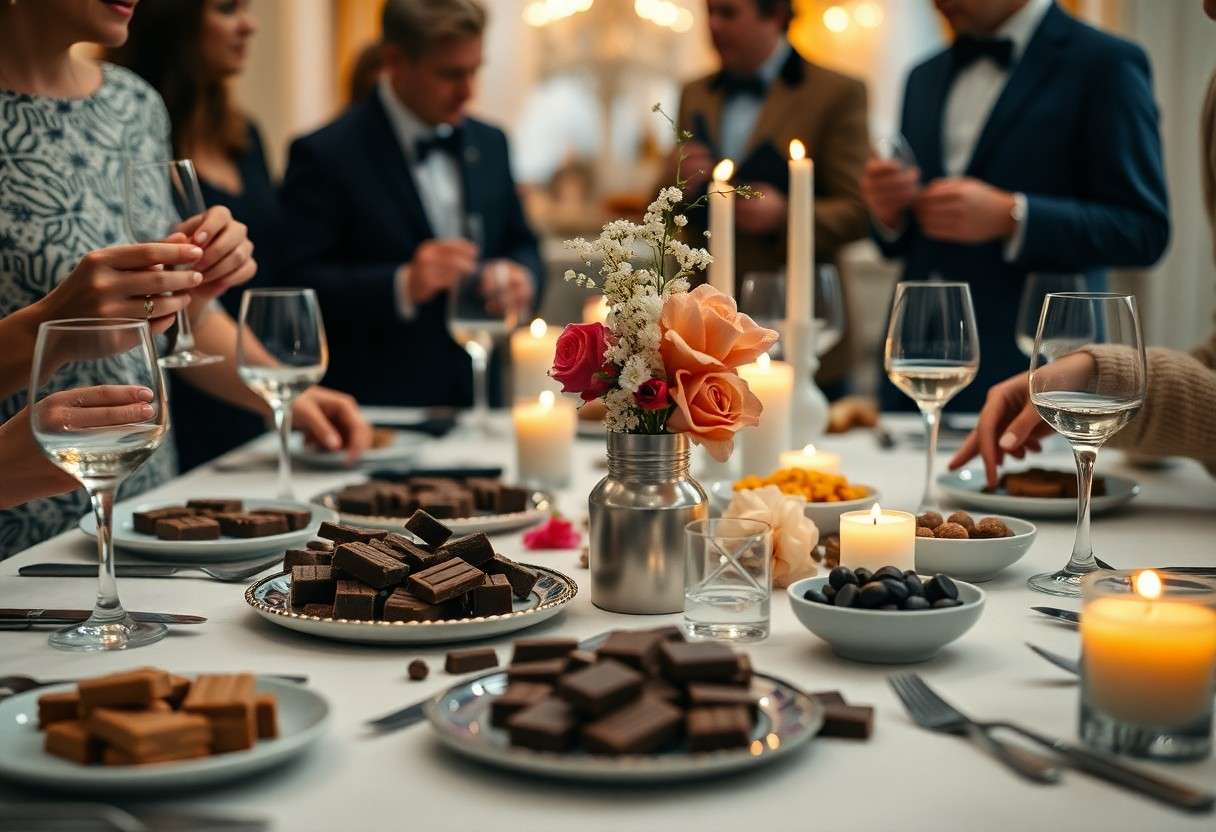
Over the years, chocolate has transcended from a simple indulgence to a sophisticated delight, making a chocolate tasting party an exceptional way to gather friends and family. You can create an unforgettable experience by carefully selecting a range of chocolates, pairing them with complementary flavors, and setting the right ambiance. In this guide, you will discover practical tips on how to host a chocolate tasting that will leave your guests savoring every moment and craving more.
Planning Your Chocolate Tasting Party
To ensure your chocolate tasting party is an unforgettable experience, effective planning is key. Start by considering the logistics, such as when and where to host the event. Timing is important, although weekends are often popular due to convenience, you may want to choose a date that doesn’t conflict with major holidays or events in your area. Choosing a venue that complements the theme of the tasting—whether it’s your home, a cozy café, or even a community hall—will also add to the atmosphere. Ensure the location has enough space for your setup and creates a warm, inviting ambiance where guests can fully enjoy the chocolate experience.
Setting a Date and Venue
For the best experience, establish a date and location that is convenient for you and would be enjoyable for your guests. Be sure to check weather forecasts if planning an outdoor event, as a rainy day may disrupt your plans. Once you’ve selected a date, book your venue early to avoid last-minute headaches, especially if you’re considering a popular location. If you are hosting at home, rearranging your space for comfort and setting up tasting stations can enhance the overall experience.
Creating a Guest List
For a chocolate tasting party, it’s imperative to curate a guest list of individuals who share your passion for chocolate or those who are adventurous enough to try new flavors. Think about inviting a mix of close friends, family members, and even colleagues who would enjoy exploring different types of chocolate with you. A well-considered guest list will set the mood for engaging conversations about taste preferences, which can enhance the overall enjoyment of the evening.
Plus, consider the dynamics of your group; you want a mix of personalities that will contribute to lively discussions without overwhelming the setting. Aim for a range of individuals who might appreciate the finer points of chocolate tasting, while also ensuring that you keep the group to a manageable size. A gathering of 10-15 people is typically ideal, allowing everyone to taste, share opinions, and engage in conversation without anyone feeling left out.
Selecting Chocolate Varieties
Now that you’re gearing up for a delightful chocolate tasting party, one of the most important steps is selecting the right chocolate varieties. Choosing a diverse range of chocolates not only enhances the tasting experience but also adds an exciting element for your guests. Consider including a variety that showcases the myriad of flavors, textures, and origins available in the world of chocolate, which can lead to fascinating conversations and discoveries.
Types of Chocolate to Include
On your journey to curate a remarkable selection, consider incorporating the following types of chocolate:
| Dark Chocolate | Rich in cocoa solids, it offers a bold flavor profile that ranges from sweet to bitter. |
| Milk Chocolate | Sweet and creamy, it appeals to those who prefer a smoother and softer flavor. |
| White Chocolate | Featuring vanilla and cream flavors, it provides a contrasting sweetness to darker options. |
| Ruby Chocolate | With its pink hue and fruity undertones, it adds a visual and flavorful twist. |
| Single-Origin Chocolate | Derived from a specific location, it showcases unique flavors influenced by the local environment. |
After narrowing down the chocolate varieties, you’ll find that the contrasting characteristics spark engaging discussions during the tasting. This way, your guests can learn about the different types and their nuances while enjoying the delicious concoctions.
Sourcing Quality Chocolates
Chocolate sourcing plays a pivotal role in ensuring that your tasting experience is memorable. Opt for chocolates that are crafted from high-quality ingredients and sourced ethically. Many artisanal brands pride themselves on bean-to-bar processes, which means they control every step from bean selection to the final chocolate product. Look for local chocolatiers, specialty shops, or online retailers that prioritize craftsmanship and ethical sourcing to guarantee your chocolates are both delicious and responsibly produced.
Chocolate comes in various forms, so also consider including organic, vegan, or flavored options to cater to dietary restrictions and preferences. By selecting a mixture of mass-produced and artisanal chocolates, you can create a well-rounded tasting experience that highlights the variety in the chocolate world while ensuring your guests enjoy the highest quality treats available.
Pairing Chocolate with Beverages
Some of the most delightful moments at your chocolate tasting party will stem from the harmonious interaction between chocolate and beverages. Selecting the right drinks can elevate the experience and highlight the unique flavors in each chocolate. Whether you opt for classic wines or creative non-alcoholic options, having a thoughtful selection will ensure your guests savor every minute of the tasting journey.
Wine and Chocolate Pairings
Below are a few classic pairings that can enhance your chocolate tasting experience. Dark chocolate often complements robust red wines like Cabernet Sauvignon or Merlot, as the tannins in the wine balance out the chocolate’s bitterness. For milk chocolate, consider pairing it with a lighter red like Pinot Noir or even a creamy dessert wine, which can accentuate the sweetness. White chocolate, while not technically chocolate, pairs wonderfully with sparkling wines or sweet Rieslings, bringing out the creaminess and sweetness of the chocolate.
Non-Alcoholic Beverages to Consider
Against the backdrop of a chocolate tasting, non-alcoholic beverages can provide a refreshing and delightful alternative. Herbal teas can add unique flavor profiles that complement the chocolate, such as a rich chamomile or robust chai. Additionally, consider serving a selection of flavored sparkling waters or fresh fruit juices, which not only cleanse the palate but also refresh your guests between tastings. These options allow everyone to join in, regardless of dietary preferences or restrictions.
Considering the variety of flavors in chocolates, choose non-alcoholic beverages that can both contrast and complement these tastes. You might explore matcha lattes, which can bring out earthy tones in darker chocolates, or even a rich hot chocolate that pairs beautifully with spicy teas for a mellow contrast. Offering a diverse range of drinks will not only cater to different tastes but also keep the atmosphere lively and engaging during your gathering.
Designing a Chocolate Tasting Experience
For a chocolate tasting party to leave a lasting impression, you need to carefully design an experience that caters to your guests’ senses. This includes creating a curated selection of chocolates that vary in origin, flavor profiles, and textures. Consider featuring a mix of dark, milk, and white chocolates, along with single-origin bars and flavored varieties. Encouraging your guests to explore the nuances of each chocolate can turn a simple tasting into an educational journey. You can provide tasting notes and flavor wheels to facilitate discussion, prompting guests to describe their sensations and preferences.
Tasting Guidelines and Techniques
Guidelines for tasting chocolate can elevate your party ambiance and deepen your guests’ appreciation for this delicious treat. Start by instructing guests to take their time examining the chocolate, observing its appearance and aroma before tasting. Encourage them to break the chocolate apart to appreciate its texture and sound, as the snap can also indicate quality. In terms of tasting, guide them to let the chocolate melt in their mouth slowly, allowing the flavors to unfold gradually, and to cleanse their palate with water or a neutral snack between different chocolates.
Presentation and Serving Suggestions
Chocolate as an element of design is just as important as the tasting itself. This is where you can get creative by incorporating visually appealing arrangements that highlight the chocolate selection. Using natural elements like wooden boards or white porcelain plates can provide a beautiful backdrop for displaying your chocolates. Additionally, consider labeling each chocolate with detailed descriptions, including origin, tasting notes, and pairings, which can serve both as information and decoration. Complement your setup with elegant glassware for any drinks you choose to serve alongside the tasting.
Even the smallest details can enhance the overall experience, so don’t overlook the ambiance. Dim lighting, soft music, and comfortable seating can create a cozy atmosphere, inviting your guests to relax and enjoy each piece of chocolate. You might consider creating a thematic backdrop based on chocolate’s roots or its cultural significance, which can spark engaging discussions among your participants. By thoughtfully executing the presentation, you can transform an ordinary tasting into a sensory celebration that your guests will fondly remember.
Engaging Your Guests
Keep your guests involved and entertained with a variety of chocolate tasting games and activities that encourage interaction and foster a lively atmosphere. You could create a chocolate bingo card where participants mark off different chocolate varieties or flavor notes they taste. Another fun idea is to organize a blindfolded tasting challenge where guests must identify different chocolates or ingredients just by taste or smell. These activities not only make the event more engaging but also encourage guests to pay close attention to the nuances of each chocolate, enhancing their appreciation of the experience.
Chocolate Tasting Games and Activities
After the initial tasting, consider structuring some light-hearted games around your chocolate selection. You can set up a trivia quiz about the origins of the chocolates featured in your tasting, or even have a “guess the ingredient” challenge where guests can try to identify unique additives in artisanal chocolates. This interactive approach does wonders in breaking the ice and spurring conversation among your guests, making the event more memorable and enjoyable for everyone involved.
Encouraging Discussions and Feedback
Around your tasting table, create an inviting environment for discussions by providing note cards for guests to jot down their thoughts on each chocolate they sample. This not only serves as a conversation starter but also helps individuals articulate their preferences and share their experience with others. Encourage your guests to express their likes and dislikes freely, which can stimulate thoughtful exchanges and deeper appreciation of the chocolates on display. You could also facilitate mini-group discussions where smaller clusters of guests can share their insights on specific chocolates, enhancing the overall atmosphere of camaraderie.
But allowing for open dialogue about flavors, textures, and personal experiences enhances the tasting journey. Encouraging your guests to share their feedback not only creates a richer communal experience but also allows everyone to learn from one another’s tasting notes. This sharing of ideas and preferences strengthens connections among guests, making your chocolate tasting party an event to remember long after the last piece of chocolate has been enjoyed.
To wrap up
Drawing together all the elements of a successful chocolate tasting party, you will find that attention to detail and a clear structure set the stage for a memorable experience. Start by carefully selecting a diverse range of chocolates that cater to various tastes, ensuring that each selection offers a unique flavor profile. Create a welcoming atmosphere where guests can feel at ease to explore and indulge their palates. With thoughtful pairings of drinks and accompaniment treats, you enhance the overall experience while encouraging conversation and interaction among guests.
As you guide your friends or family through the tasting journey, provide insightful commentary about each chocolate’s origin and characteristics. Engaging them with fun facts and tasting notes not only enriches their experience but fosters a deeper appreciation for this delightful treat. By thoughtfully curating your tasting menu and fostering an enjoyable ambiance, you will create lasting memories that your guests will cherish long after the event is over. So, get ready to indulge in the world of chocolate and create a gathering that everyone will talk about long after the last piece has disappeared!