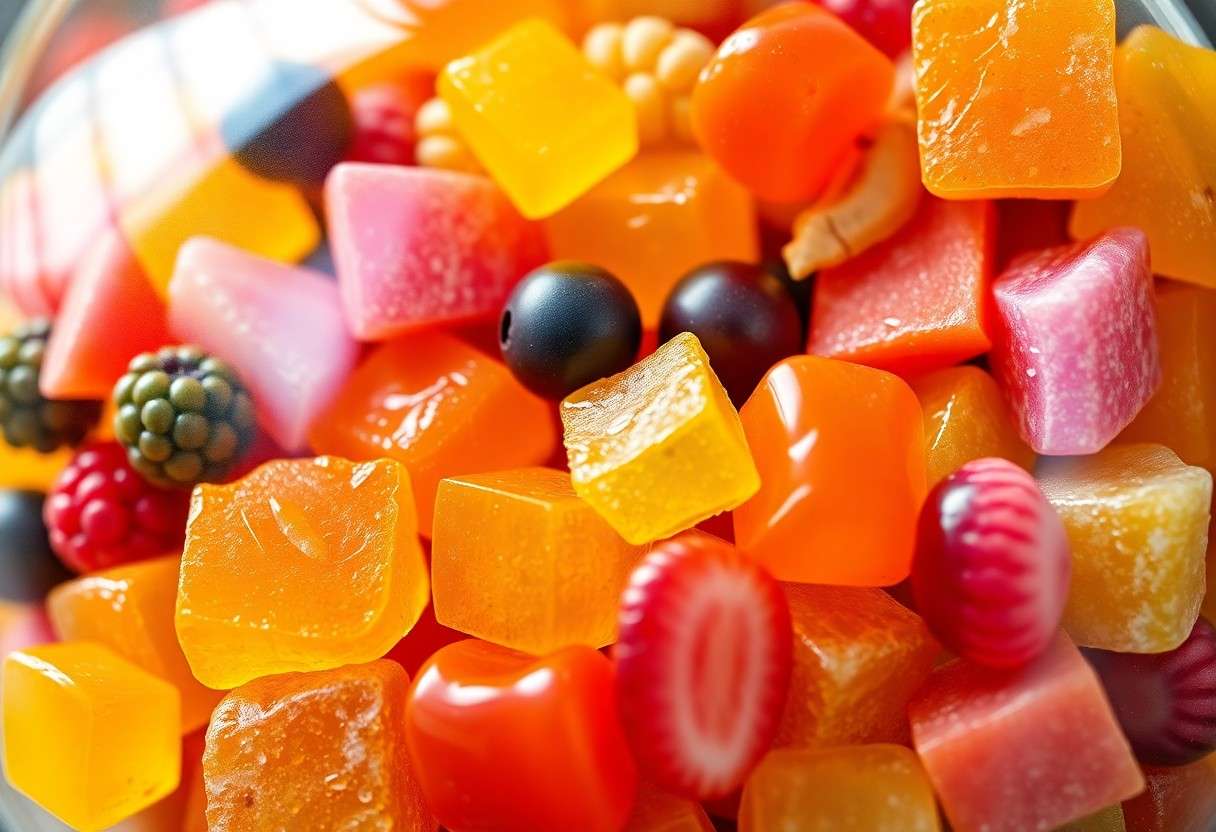
Traditional European Candy for Seasonal Festivals
You have the opportunity to explore the delightful world of traditional European candy, cherished during seasonal festivals. From gingerbread at Weihnachten (Ch

This article contains Amazon affiliate links. As an Amazon Associate, CandiesAndSweets earns from qualifying purchases.

You have the opportunity to explore the delightful world of traditional European candy, cherished during seasonal festivals. From gingerbread at Weihnachten (Christmas) markets to sweet, spiced treats during harvest celebrations, these confections reflect the rich cultural heritage of each region. Whether you’re planning a festive gathering or simply looking to indulge in these seasonal sweets, understanding their origins and significance can enhance your experience. Join us as we take a closer look at the most beloved traditional candies that bring joy and flavor to Europe’s seasonal festivities.
Origins of Traditional European Candy
Historical Influences
The evolution of traditional European candy is rooted in centuries of cultural exchange and historical events. You might be surprised to learn that early confections were primarily created from honey and fruits, which were used by ancient civilizations as offerings and treats for special occasions. As trade routes expanded during the Middle Ages, sugar became more accessible, and candymakers began experimenting with it, leading to the creation of the sweets you enjoy today. This fusion of local ingredients and influences from far-off lands resulted in the diverse candy landscape you can savor during seasonal festivals.
Regional Variations
Below the surface of European candy culture lies a rich tapestry of regional variations shaped by local traditions, climates, and resources. For example, in Italy, you may find marzipan and candied nuts, while in Germany, you might encounter spiced gingerbread cookies and licorice delights during their festive celebrations. Each region infuses its unique flavors and ingredients into the candy-making process, ensuring that you experience distinct tastes that reflect the area’s history and culture.
A closer look at these regional specialties reveals how local produce and customs play a significant role in defining traditional confections. For instance, in Spain, Turrón is a beloved nougat often enjoyed during Christmas, and in the United Kingdom, you might delight in the chewy texture of traditional toffee or the fruity burst of Wine Gums during holidays. By exploring these variations, you gain a deeper appreciation of the unique contributions each culture brings to the world of seasonal candy, making your sweet indulgences all the more enriching.
Popular Candies by Season
Spring Festivals
If you find yourself celebrating spring festivals in Europe, you’ll likely encounter a delightful array of traditional candies that signify the season’s renewal. Against a backdrop of blooming flowers and pastures, sweets like marzipan eggs and pastel-colored chocolates make their appearance. These delicacies, adorned with vibrant spring hues, have roots in both cultural and Christian traditions that celebrate rebirth and hope during Easter.
Additionally, countries like Germany embrace the sweetness of spring with their iconic jelly beans and fruit-flavored treats that symbolize the reawakening of nature. As you partake in these festive sweets, they not only satisfy your sweet tooth but also connect you to the rich history and customs that characterize this joyful season.
Summer Celebrations
Between the vibrant summer festivals and outdoor gatherings, your taste buds are in for a treat with a range of traditional European candies. The balmy weather encourages the creation of refreshing sweets such as fragrant fruit lollipops, zesty lemon drops, and cooling mint candies that can keep you revitalized amidst the summer fun. Whether you’re at a fair or a local market, these confections are often made with fresh, local ingredients, bringing a taste of summer directly to you.
Even in countries like Italy, the summer brings about gelato and granita—smooth, refreshing frozen desserts that can be enjoyed on a hot day. The variety of flavors, inspired by seasonal fruits and herbs, offers you an exceptional way to cherish the essence of summer while indulging in something sweet. When exploring these seasonal delights, you’re embracing a tradition that has been celebrated across Europe for generations.
Autumn Harvests
Between the golden hues of autumn leaves and the festive harvest celebrations, the arrival of fall brings an abundance of flavorful candies to enjoy. You may find yourself savoring treats made from seasonal ingredients like candied apples, pumpkin fudge, or nut nougats that capture the very essence of the harvest season. As the air turns crisp, these traditional sweets serve as reminders of the bountiful harvest, bringing warmth and comfort to your gatherings.
To add even more flair to your autumn festivities, you might also come across spiced confections that incorporate flavors like cinnamon, nutmeg, and clove. These spices not only evoke the feeling of coziness but also tie back to age-old recipes that celebrate the season’s abundance, making your seasonal experience even more enjoyable.
Winter Holidays
After the autumn harvests come to an end, the winter season brings a unique charm with its own set of delectable sweets. As you transition to winter holidays, traditional candies come alive with flavors of peppermint bark, spiced gingerbread, and rich chocolate truffles that fill the air with festive scents. These candies are often shared among family and friends, creating a sense of togetherness during this magical time of year.
Holidays also present an opportunity to explore regional specialties, such as the Polish pierniki—soft gingerbread cookies filled with honey and spices, or French calissons, almond-shaped candies flavored with a blend of fruits and royal icing. Indulging in these sweet treats not only enhances your holiday experience but also allows you to connect with the traditions and cultures that shape winter celebrations across Europe.
Ingredients and Techniques
Unlike many modern candy-making processes that rely heavily on artificial flavors and colors, traditional European candy often celebrates the natural goodness of wholesome ingredients. This focus on authenticity allows you to experience flavors that are as vibrant and varied as the regions from which they hail. By using simple, high-quality components, artisans can create confections that not only taste delightful but also evoke a sense of nostalgia for the seasonal festivals that inspire them.
Common Ingredients
Among the most beloved ingredients in traditional European candies are fruits, nuts, honey, and spices, each adding unique flavor profiles and textures. For instance, you might find candied citrus peels in Italian panettone or the rich essence of almonds in marzipan from Germany. Sugar is, of course, a foundational component, but it’s often complemented by natural sweeteners like honey, which not only enhance flavor but also serve to bind ingredients together in certain recipes.
Traditional Methods of Production
Behind every piece of traditional candy lies a careful and time-honored process. Candy makers often use techniques passed down through generations, ensuring that the craftsmanship remains authentic. Many candies require specific temperature controls and cooking times, allowing for the perfect texture—be it chewy, crunchy, or airy. Artists in the field often combine boiling, pulling, and molding to transform raw ingredients into finished delights that capture the essence of the season.
At the heart of these traditional methods is an appreciation for patience and precision. For example, the art of pulling sugar requires not just skill, but an understanding of the chemistry at play as the sugar cools and transforms. This thoughtful approach is what sets traditional European candy apart, allowing you to savor not just the taste, but the stories and heritage behind each delightful piece. By embracing these practices, you can explore a rich tapestry of flavors that heavily contributes to the unique culinary identity of seasonal festivals across Europe.
Cultural Significance
All across Europe, seasonal festivals are rich with traditions and customs, and traditional candies play an integral role in these celebrations. These sweets are not merely treats; they’re steeped in history and reflect the diverse cultures from which they originate. When you indulge in traditional European candies, you are not just enjoying a delightful taste; you are engaging in a cultural narrative that has been passed down through generations. This blend of flavors and textures often carries with it the essence of a collective identity, making it a vital component of seasonal festivities.
Symbolism of Candies
Below the surface, the symbolism of candies often mirrors the themes of each festival. For example, in many cultures, certain colors or shapes of candies can represent fertility, prosperity, or protection from evil spirits. When tasting a candy shaped like a fruit during harvest festivals, you are often partaking in a ritual that celebrates the bounty of the earth. This not only creates a connection to the land but also to the people who have celebrated these cycles for centuries. Understanding these symbols deepens your appreciation for the artistic and cultural heritage that these treats embody.
Role in Festivals
Candies serve as more than just desserts during festivals; they function as symbols of goodwill and community spirit. They are often exchanged as gifts, shared among friends and family, and symbolize unity and celebration. When you share a festive candy, it transcends mere consumption—it fosters connection and creates memories that bind you to your loved ones and your community.
Further elaborating on their significance, many festivals feature candy-making demonstrations and contests that reinforce community ties. This not only educates attendees about traditional recipes but also encourages a sense of belonging and participation in the cultural heritage. As you watch craftsmen at work, you become part of a living tradition, experiencing firsthand the joy and camaraderie that comes with celebrating these time-honored festivals through the art of candy making.
Contemporary Adaptations
To fully appreciate the charm of traditional European candies, it is important to recognize how they have evolved over time. Modern adaptations have breathed new life into classic treats, merging old-world techniques with contemporary flavors and dietary trends. Many artisans and candy-makers now experiment with organic ingredients, gluten-free options, and even vegan substitutes, allowing you to indulge in these time-honored sweets without compromising your lifestyle choices. You will find that these innovations not only make traditional candies more accessible but also preserve the rich heritage that defines them.
Modern Twists on Classic Recipes
To explore modern twists on classic recipes, consider the delightful incorporation of unexpected flavors or techniques. For example, traditional Italian nougat may now be infused with lavender or sea salt, providing a unique taste experience that indulges your palate in fresh and exciting ways. Similarly, you will notice that jelly candies from Germany are now being infused with exotic fruits like passion fruit or guava, striking a perfect balance between nostalgia and contemporary flavor profiles. This blend of innovation and tradition enhances your enjoyment, making the experience of savoring these candies truly unparalleled.
Perceptions of Traditional Candy Today
Any discussion of traditional candy today must also consider how your perceptions have shifted in our fast-paced, health-conscious society. With consumers increasingly focused on wellness and clean eating, these classic delights often face scrutiny regarding their ingredients and nutritional value. However, this has led to a renaissance in traditional candy-making practices, as many producers are now prioritizing artisanal craftsmanship, quality ingredients, and transparency in their methods. As a result, you may find that traditional candies are being celebrated in new ways, aligning them with the preferences and values of today’s consumers.
Understanding the changing perceptions of traditional candy is vital as it opens the conversation about how these beloved treats fit into your lifestyle. The rise of artisanal candy makers striving for authenticity allows you to savor the nostalgia while prioritizing health and quality. As you probe into seasonal festivals, appreciate both the classic methods and creative reinventions that define the world of European confectionery today.
To wrap up
To wrap up, exploring traditional European candy during seasonal festivals enhances your understanding of cultural heritage and community bonding. Each delightful treat you encounter is steeped in history, reflecting the vibrant festivities celebrated across various regions. From the spiced flavors of gingerbread during Christmas markets to the sweet, colorful confections at summer fairs, these candies give you a taste of local traditions and the unique recipes passed down through generations. Engaging with these sweets allows you to connect with both the past and the present, celebrating the joy and togetherness that festivals typically bring.
Your journey into the world of seasonal candies can inspire you to share these experiences with friends and family, or even research into making some of these confections at home. By introducing traditional recipes to your celebrations, you create an authentic experience that honors the cultural significance behind each treat. So, as you plan your next festive gathering, consider incorporating these classic European candies into your festivities, and relish not only their flavors but also the stories they carry.