Uncovering the Secrets Behind Luxury Swiss Chocolates
Many chocolate lovers dream of indulging in the rich and velvety world of luxury Swiss chocolates. In this blog post, you will explore what sets these exquisite

This article contains Amazon affiliate links. As an Amazon Associate, CandiesAndSweets earns from qualifying purchases.
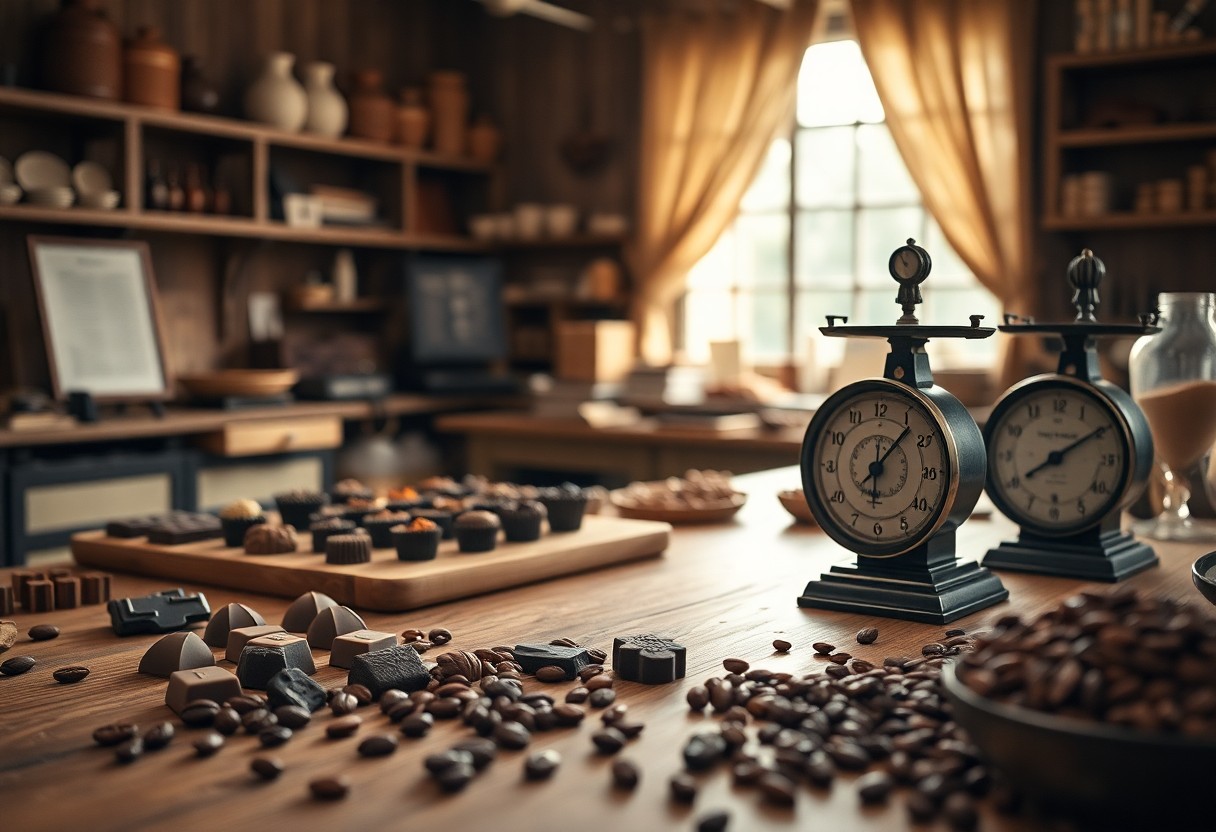
Many chocolate lovers dream of indulging in the rich and velvety world of luxury Swiss chocolates. In this blog post, you will explore what sets these exquisite treats apart from the rest, discovering the artisanal techniques, unique ingredients, and century-old traditions that contribute to their rich flavors. By understanding these aspects, you will not only gain deeper appreciation for your favorite sweets but also learn how to choose, taste, and enjoy them like a true connoisseur. Get ready to elevate your chocolate experience and uncover the secrets that make Swiss chocolates a sublime delight.
The Art of Craftsmanship in Swiss Chocolate
Mastering the Bean Selection
Choosing the right cacao beans is pivotal in creating the luxurious chocolates for which Switzerland is famous. Swiss chocolatiers meticulously source beans from cocoa-producing countries, often traveling to regions like Ghana, Ecuador, and Venezuela to ensure they select the finest quality. The beans’ origin directly influences the flavor profile; for instance, Ecuadorian beans are celebrated for their fruity notes, while those from Madagascar might surprise you with a citrus finish. Your experience with Swiss chocolate begins here, in the careful selection that sets a stringent quality baseline.
This attention to detail during the bean selection process extends beyond just taste. Many chocolatiers prioritize ethical sourcing practices as well, supporting fair trade initiatives that not only ensure you enjoy a delicious treat but also contribute positively to the farmers and communities involved in cacao production. When you bite into that rich Swiss chocolate, you’re not just indulging in luxurious flavors; you’re also partaking in a heritage committed to sustainability.
Traditional Techniques Passed Through Generations
Swiss chocolatiers combine age-old techniques with modern innovations, a dynamic balance that allows them to uphold rich traditions while also embracing advancements. Techniques such as conching, developed in the 19th century by Rodolphe Lindt, refine the texture of chocolate by continuously mixing and aerating it. This painstaking method can take several hours and requires skilled artisans to monitor and adjust the process to achieve that signature silky smoothness. As you savor the melt-in-your-mouth experience of Swiss chocolate, you’re enjoying the fruits of this meticulous craftsmanship that has been honed and perfected over generations.
Many families in Switzerland have been in the chocolate business for generations, passing down recipes and techniques like a cherished heirloom. For instance, the art of tempering chocolate, which involves heating and cooling the chocolate to stabilize it, is handed down from master chocolatier to apprentice. This transmission of knowledge not only preserves the time-honored values of Swiss chocolate-making but also cultivates a deep sense of pride and identity among chocolatiers. You’ll find that each bite of luxury chocolate encapsulates years of passion, expertise, and an unwavering commitment to the craft, ensuring that you taste history and tradition in every piece.
Flavor Profiles: A Journey Through the Tastes of Switzerland
Regional Influences on Taste
Your exploration of Swiss chocolate flavors can take you on a captivating journey through the country’s diverse regions. For instance, the Alpine regions contribute to a unique blending of flavors, often incorporating milk sourced from local dairy farms renowned for their rich, creamy products. Chocolatiers in areas like Fribourg and Gruyères utilize this milk to create exceptionally smooth and velvety chocolates, which are a hallmark of the Swiss delight. In contrast, areas closer to the Mediterranean, such as Ticino, often infuse their confections with a vibrant array of fruits and nuts, offering a taste of the season’s harvest.
The Role of Ingredients in Creating Unique Flavors
Each ingredient used in Swiss chocolate tells a story, contributing to the elaborate flavor profiles you experience. Premium cacao from Central and South America is often selected for its unique characteristics. Indonesia and Malaysia also provide cacao with distinctive fruity and nutty flavors. The art of blending these different cacaos helps chocolatiers achieve a balance that is sublime to the palate. Alongside cacao, you’ll find the inclusion of local specialties such as Swiss hazelnuts, which impart a hearty nuttiness that elevates the overall experience.
Exploring the role of ingredients could reveal a world unexpected flavors; for instance, the choice of sugar, whether it’s traditional cane sugar or innovative alternatives like honey or agave, shifts the flavor spectrum authentically. Local spirits like Kirsch or Absinthe also find their way into some tantalizing creations, offering a nuanced depth rarely found in everyday chocolate. Moreover, care in sourcing organic ingredients not only guarantees quality but also enhances the overall taste profile, giving your palate a taste of the care and dedication that goes into each bar of Swiss chocolate.
The Science Behind Texture: From Smooth to Crunchy
Conching and Tempering Techniques
Your appreciation for Swiss chocolate deepens when you understand the pivotal roles of conching and tempering in achieving that perfect texture. Conching, which involves continuously mixing and aerating the chocolate, enhances its smoothness and refines its flavor. The process can take several hours to even days, depending on the desired outcome. Chocolatiers use large conching machines that serve to reduce the particle size of the cocoa mass, allowing for a velvety mouthfeel that chocolate lovers crave. This meticulous practice not only ensures a luxurious texture but also helps to develop complex flavor profiles, ensuring every bite is a blissful experience.
Tempering, on the other hand, is a process used to stabilize the cocoa butter crystals within chocolate, creating a nicely tempered bar that snaps perfectly when broken. During this phase, the chocolate is carefully cooled and reheated, which can at times feel like a delicate dance with temperature. A well-tempered chocolate exhibits a glossy sheen and a satisfying crunch, helping it to melt in your mouth just right. These techniques are necessary for any chocolatier striving to elevate their craft to the heights of Swiss luxury.
The Impact of Sugar and Fat Ratios
Within Swiss chocolate, the balance between sugar and fat is paramount to the overall texture and mouthfeel. Higher sugar content tends to enhance sweetness but can also result in a grainier sensation, especially if not properly conched. In contrast, the right amount of cocoa butter adds creaminess and richness, allowing the chocolate to glide seamlessly across your palate. You’ll notice how different chocolate makers tweak these ratios to create variations that cater to a diverse audience, offering everything from intensely dark bars to light, creamy milk chocolates designed to deliver a silky texture.
In many cases, the variability in sugar and fat not only affects sweetness and texture but also influences the chocolate’s melting point. For instance, premium chocolate brands often utilize a higher fat ratio, enriching the chocolate’s flavor while simultaneously providing a smoother texture. Conversely, bars with less fat can feel dryer and more coarse, which might appeal to certain preferences. The complexity behind these ratios is an art form, a reflection of meticulous experimentation and a deep understanding of chocolate science, ensuring that each bite meets the high expectations associated with luxury Swiss chocolate.
Beyond the Product: The Branding and Marketing of Luxury Chocolates
Branding and marketing play a vital role in elevating Swiss chocolate from a mere confection to an emblem of luxury. Various brands employ a sophisticated combination of aesthetics, storytelling, and emotional connection to resonate with consumers who seek not only a product but an experience. From visually striking ads in high-end magazines to collaborations with renowned artists for limited edition packaging, the allure of luxury chocolate extends far beyond taste alone. Companies like Neuhaus and Peter Chocolatier have successfully created a narrative around their chocolates, positioning them not only as indulgent treats but as symbols of sophistication and status. This branding often encompasses everything from the sourcing of ethically produced ingredients to the stories behind the master chocolatiers themselves, creating a tapestry of authenticity and exclusivity that attracts discerning customers.
Packaging as an Extension of Quality
Luxury Swiss chocolate brands elevate the unboxing experience through intricate and thoughtfully designed packaging that reflects their commitment to quality. Each element, from the color palette to the texture of the box, is meticulously chosen to evoke feelings of elegance and indulgence. For instance, brand Toblerone uses its iconic triangular packaging not only to stand out among competitors but also to signal premium quality and Swiss heritage. This attention to detail helps create a visceral reaction in consumers, setting the stage for the delightful experience that follows. Moreover, eco-friendly materials are increasingly being utilized to align with environmentally-conscious consumers, making packaging not just a visual delight but also a responsible choice.
The Allure of Exclusivity in Luxury Branding
Exclusivity is another powerful driver in the marketing strategies of luxury chocolates. By offering limited-edition flavors or artisanal collections, brands create a sense of urgency and desirability. This tactic often targets a niche market that is willing to pay a premium for a product that feels unique and hard to obtain. An illustrative example is the yearly release of seasonal chocolates or collaboration lines, which can sell out within hours, drawing in both loyal customers and new enthusiasts eager to experience the ephemeral offerings. Moreover, luxury brands like La Maison du Chocolat build their reputation through selective distribution, ensuring that these indulgences are available only in high-end stores or specialized boutiques, further enhancing their status in the eyes of consumers.
The strategic creation of exclusivity extends beyond mere product availability. Luxury chocolatiers often cultivate an elite image by employing master chocolatiers renowned in culinary circles or by offering private tasting events that allow consumers to engage with the brand in an intimate setting. These experiences not only reinforce their luxury status but also foster loyalty among customers who feel a connection with the craftsmanship behind each piece of chocolate. In a world where personalization and specialty experiences are increasingly valorized, the allure of luxury chocolate becomes not just about the taste itself, but about the entire narrative and experience tied to it.
Sustainability Challenges in the Luxury Chocolate Market
Ethical Sourcing of Cocoa
Your appreciation for luxury Swiss chocolates goes beyond just taste; it’s intertwined with the ethical responsibilities surrounding cocoa sourcing. Many renowned chocolate makers are now confronting the harsh reality of child labor and unfair wages in cocoa-producing regions, particularly in West Africa. The luxury market has responded to these issues by embracing Fair Trade and Rainforest Alliance certifications, which ensure that farmers receive fair compensation and that child labor is systematically eradicated. You may find a growing number of brands transparently showcasing their cocoa sourcing practices, providing confidence that each indulgent bite of chocolate supports sustainable farming and local communities.
The journey towards ethical sourcing, however, remains complex. Despite increased awareness, many small farmers lack access to resources necessary for certification, leaving them at a disadvantage. You may come across innovative partnerships between luxury brands and NGOs that are working to empower these farmers through education, resources, and financial support, cultivating a more equitable supply chain. Ultimately, your choice in chocolate can drive demand for higher ethical standards, influencing the industry as a whole.
Environmental Impacts and Future Considerations
The cultivation of cocoa is not only a socio-economic concern but also an environmental one. Your enjoyment of luxury chocolate contributes indirectly to deforestation and biodiversity loss associated with cocoa farming. As land is converted for cocoa plantations, you might consider the ecological footprint of your chocolate choices. Brands are increasingly working towards sustainable farming practices that minimize deforestation and promote agroforestry methods, which can enhance biodiversity and soil health while continuing to produce high-quality cacao.
Moreover, climate change poses an imminent threat to cocoa production, with rising temperatures and shifting rainfall patterns jeopardizing yields. This reality is prompting a wave of innovation and adaptation within the industry. You can look for brands investing in research to develop climate-resilient cocoa varieties or those participating in regenerative agriculture initiatives. The future of the luxury chocolate market will hinge on finding a balance between high-quality production and sustainable practices, ensuring that your chocolate indulgence doesn’t come at the expense of the planet.
To wrap up
Drawing together the intricacies of luxury Swiss chocolates, you can truly appreciate the meticulous craftsmanship and dedication that goes into each delectable piece. As you explore the rich history and innovative techniques of Swiss chocolatiers, you cultivate a deeper understanding of the quality and artistry that define these indulgent treats. Each bite is not just a moment of pleasure but a glimpse into the cultural heritage and precision that make Swiss chocolates extraordinary.
With this newfound insight, you can elevate your enjoyment of chocolate, whether you’re savoring a single-origin bar or a handcrafted truffle. Becoming aware of the nuances in flavor profiles and the importance of sourcing quality ingredients enhances your overall chocolate experience. Now, you can approach luxury Swiss chocolates not just as a sweet delight but as a celebration of culinary excellence that invites you to indulge mindfully and appreciate the artistry behind every creation.


