Understanding Fair Trade Practices in Chocolate Sourcing
Just like you care about the quality of the chocolate you enjoy, understanding the fair trade practices behind its sourcing is important. Fair trade not only ai

This article contains Amazon affiliate links. As an Amazon Associate, CandiesAndSweets earns from qualifying purchases.
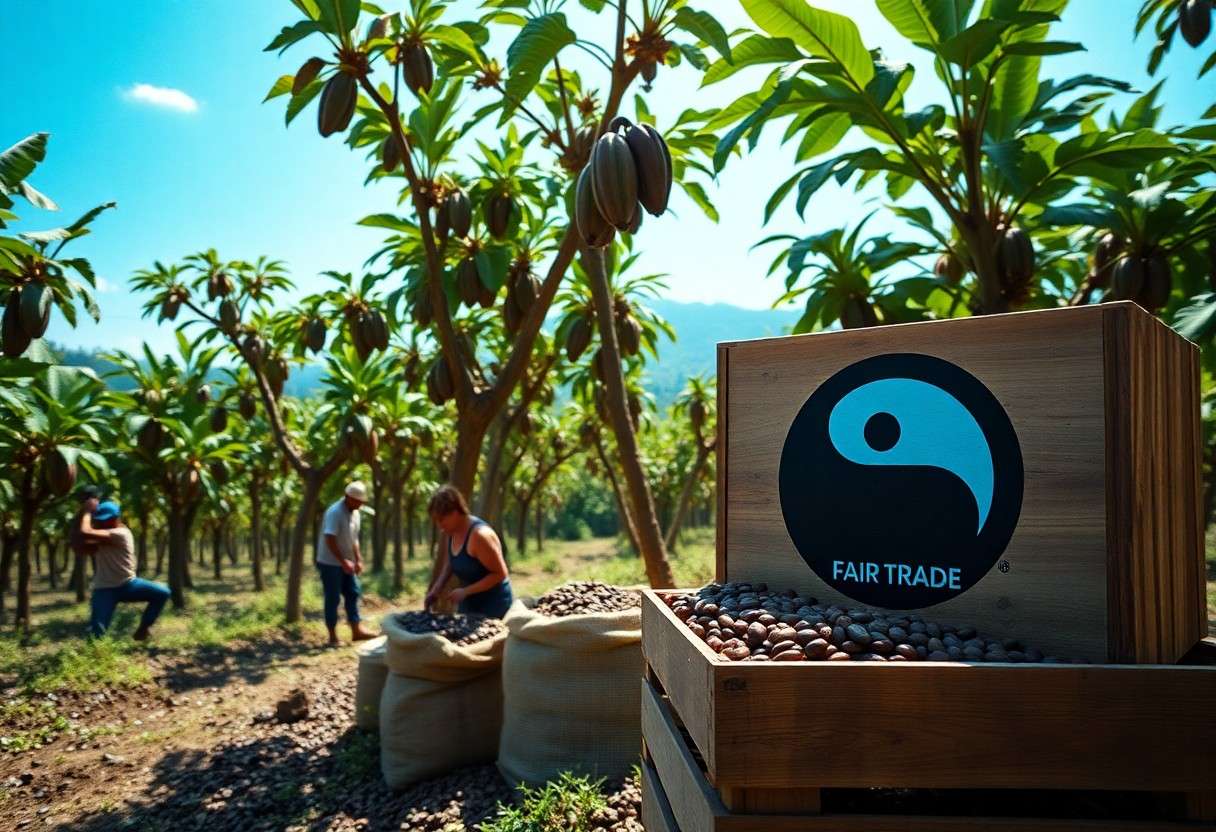
Just like you care about the quality of the chocolate you enjoy, understanding the fair trade practices behind its sourcing is important. Fair trade not only aims to provide better prices for farmers but also fosters sustainable farming methods and supports community development. By delving into how chocolate is sourced, you can make informed choices that align with your values, ensuring that every bite contributes to positive change in the industry and supports the livelihoods of cocoa farmers around the globe.
The Ethical Implications of Chocolate Production
Exploitation versus Empowerment: The Worker’s Dilemma
The dichotomy between exploitation and empowerment in chocolate production encapsulates the ongoing struggles faced by cocoa farmers. In many regions, farmers receive only a small fraction of the chocolate’s retail price, often subjected to unfair wages and poor working conditions. A mere 6-7% of the total price for a chocolate bar finds its way back to the hands of those who have nurtured the cocoa beans from seed to harvest. This stark reality has perpetuated cycles of poverty, especially in West African countries like Côte d’Ivoire and Ghana, which supply more than 60% of the world’s cocoa. As you investigate into ethical sourcing, consider whether the brands you support are genuinely fostering change or simply capitalizing on the notion of fair trade without delivering tangible benefits to farmers.
On the flip side, genuine fair trade practices have the potential to empower farmers through better compensation, sustainable agricultural practices, and cooperative ownership strategies. By paying farmers a fair price, you contribute to improving their quality of life, providing access to education, healthcare, and resources. Successful cooperatives have been documented to increase not only profits but also the community’s overall resilience. Fair trade certification creates a pathway for farmers to advocate for their rights and reclaim agency in the global market. If you’re committed to making a difference, selecting ethically sourced chocolate not only supports the farmers but also paves the way for industry-wide transformation.
Environmental Consequences: Sustainability or Depletion?
The environmental impact of chocolate production stands at a crossroads between sustainability and depletion. Traditional cocoa farming practices often lead to deforestation, soil degradation, and a decreased biodiversity. As you’ve likely seen in the headlines, swathes of rainforest have been cleared to make way for cocoa plantations, contributing to habitat loss for countless species and increasing carbon emissions in an already strained climate. The consequence? A chocolate supply chain that threatens not just your indulgent treat, but also the broader ecological balance. Yet, there is a burgeoning movement toward sustainable practices in the industry. Consumers like you can drive change by opting for brands that ensure environmentally conscious sourcing with certifications like Rainforest Alliance or Fair Trade.
Brands taking proactive measures to enhance sustainability focus on agroforestry methods, which work towards preserving the environment while providing farmers with crops that yield higher profits. Sustainable cocoa farming can include practices such as shade-grown cocoa, which allows biodiversity to thrive and protects soil health. For you as a consumer, making informed choices about where and how your chocolate is sourced can influence agricultural practices and allow for responsible production techniques that minimize environmental harm. The future of cocoa, and subsequently chocolate, hinges on the commitment of both producers and consumers to balance the enjoyment of chocolate with the imperative to protect our planet.
Fair Trade Certification: What It Really Means
Standards and Requirements: The Path to Certification
Fair Trade certification involves a rigorous set of standards that ensure producers are treated ethically and that their communities benefit from their labor. You might be surprised to learn that for a chocolate brand to be certified, farmers must adhere to specific guidelines that cover environmental practices, labor conditions, and social equity. For instance, farmers are required to follow sustainable agricultural practices that protect ecosystems and improve soil health. They must also provide safe working conditions for their workers and empower them through cooperative structures. These factors all contribute to a more equitable supply chain that respects both people and the planet.
Certification bodies such as Fair Trade International and Fair Trade USA engage in audits and ongoing assessments to verify compliance with these standards. This means that your choice of Fair Trade chocolate supports not only ethical labor practices but also efforts to combat climate change. The required minimum price guarantees that farmers receive a stable income, but the journey to certification is one of commitment and accountability that reflects the values you want to support with your purchasing decisions.
The Benefits for Farmers: More than Just Fair Prices
Opting for Fair Trade chocolate means that you’re not just enjoying great taste; you’re also contributing to improving farmers’ lives in several ways. Farmers receive a premium over the market price, which helps them invest in their farms, education, and healthcare. This economic stability allows them to break free from the cycle of poverty and fosters community growth through shared resources. In many cases, cooperatives formed under Fair Trade have provided access to financing, enabling farmers to purchase better equipment and supplies, enhancing their productivity and output quality.
Beyond financial gains, farmers experience significant social benefits through collaboration and community building. They often establish cooperatives that empower individuals, encourage shared decision-making, and foster a sense of unity. This networking not only amplifies their voices in negotiations with buyers but also ensures they have the tools and support to advocate for their rights. The impact of Fair Trade extends far beyond fungibility; it plants the seeds for sustainable community development and long-term resilience in the face of economic challenges.
How Fair Trade Practices Influence Consumer Choices
The Role of Awareness and Education in Buying Decisions
Your awareness and understanding of fair trade practices significantly shape your purchasing decisions. As consumers become educated about the ethical implications of their choices, they are more likely to seek out products that align with their values. Research indicates that up to 66% of consumers in the U.S. are willing to pay more for sustainable products, including fair trade chocolate. This willingness stems from a desire to support farmers who are compensated fairly and work under humane conditions. When companies highlight their fair trade certification on packaging or in marketing campaigns, they attract buyers who prioritize ethical sourcing in their purchasing criteria.
The Impact of Consumer Demand on Global Markets
Your purchasing choices directly impact global markets, especially in sectors like chocolate, where demand for fair trade products is on the rise. When you choose to buy fair trade chocolate, you contribute to a growing shift towards ethical business practices. This market change compels producers to adopt fair trade standards as they realize that consumers are more likely to support brands that prioritize ethics over profit. For instance, in recent years, brands that embraced fair trade certification reported an increase in sales, underscoring the direct relationship between consumer preferences and market transformations.
Challenges in the Fair Trade Chocolate Sector
Addressing the Complexity of Supply Chains
The chocolate supply chain is notoriously intricate, entangling various stakeholders from farmers and cooperatives to traders and chocolate manufacturers. This complexity often leads to difficulties in tracking the origin of cocoa beans, raising concerns over whether certified chocolate genuinely adheres to fair trade practices. For instance, a single chocolate bar can contain cocoa from numerous farms across different countries, making it challenging to ensure that all components meet fair trade standards. As a consumer, your ability to identify truly fair trade chocolate relies heavily on transparency throughout this convoluted chain.
Moreover, many producers operate on a small scale in remote areas, where access to resources and support for compliance with fair trade standards can be limited. The lack of infrastructure, education, and financial resources can hinder farmers from obtaining or maintaining certification, perpetuating cycles of poverty that fair trade seeks to eradicate. Your understanding of these systemic issues can help you make more informed choices in the marketplace, supporting those efforts that genuinely uplift farmers while ensuring ethical sourcing.
Criticisms and Limitations of Fair Trade as a Solution
The limitations of fair trade can be seen in the assertion that it may not significantly impact global cocoa prices in a meaningful way. As you explore the fair trade chocolate sector, consider how these criticisms highlight the importance of addressing root causes of poverty and empowering farmers through diverse and comprehensive strategies. Fair trade is just one piece of a complex puzzle that requires holistic approaches to truly uplift all members of the farming community.
The Future of Fair Trade in the Chocolate Industry
Innovations and Trends Shaping Sustainable Sourcing
Emerging technologies and innovative practices are transforming how chocolate is sourced and produced, paving the way for a more sustainable future. Blockchain technology, for instance, allows for greater transparency in the supply chain by documenting every transaction from bean to bar. This ensures that consumers like you can trace exactly where your chocolate comes from and the conditions under which it was produced. Collaborations between growers, NGOs, and brands are also fostering the development of sustainable agricultural practices and fostering resilience against climate change, ensuring long-term viability for both farmers and consumers.
Additionally, an increasing number of companies are experimenting with direct trade models, bypassing traditional supply chain intermediaries. This approach often enables farmers to receive a higher portion of the sale price, resulting in improved livelihoods and community development. As you explore your chocolate options, keep an eye out for brands that highlight their use of innovative farming techniques or showcase partnerships that prioritize fair compensation.
Potential for Growth and Increased Awareness
The fair trade chocolate market is poised for expansion as both consumer demand and awareness continue to grow. A 2021 report highlighted that the global fair trade chocolate market is projected to reach $1.5 billion by 2025, with younger generations increasingly prioritizing ethical consumption. As this trend gains momentum, more chocolate brands are adopting fair trade certification and highlighting their commitment to social and environmental responsibility on packaging, allowing you to make informed choices more easily.
Your purchasing decisions can drive change within the industry. Each time you choose fair trade chocolate, you influence not just business practices but also encourage others to follow suit. The collective momentum generated by consumer awareness is powerful and can help create a more equitable chocolate industry where farmers receive fair compensation for their labor and a sustainable future is built for the entire supply chain.
Summing up
Drawing together the insights gained from understanding fair trade practices in chocolate sourcing, it becomes evident that your choices as a consumer can significantly impact the livelihoods of cocoa farmers around the world. By opting for fair trade chocolate, you participate in a system that prioritizes equitable wages, sustainable farming practices, and community development. This not only ensures that farmers receive a fair price for their labor but also supports initiatives that enhance their quality of life and preserve the environment.


