Unique Candy Traditions Around the World
It's fascinating to explore how different cultures celebrate life's sweetest moments through unique candy traditions. From colorful festivals to special occasio

This article contains Amazon affiliate links. As an Amazon Associate, CandiesAndSweets earns from qualifying purchases.

It’s fascinating to explore how different cultures celebrate life’s sweetest moments through unique candy traditions. From colorful festivals to special occasions, each country’s confectionery customs offer insights into their history and values. You’ll discover how these beloved treats are woven into the fabric of their festivals, holidays, and everyday life. Join us as we take a delicious journey around the globe, highlighting the most intriguing candy traditions that will delight your taste buds and broaden your culinary horizons.
Candy Traditions in North America
The North American candy traditions are as diverse as its culture, blending indigenous customs with modern festivities. From coast to coast, locals celebrate with sweet treats, often aligning with seasonal events and community gatherings. You’ll find that these traditions not only satisfy your sweet tooth but also serve as a way to foster community spirit and cultural heritage.
Halloween Candies
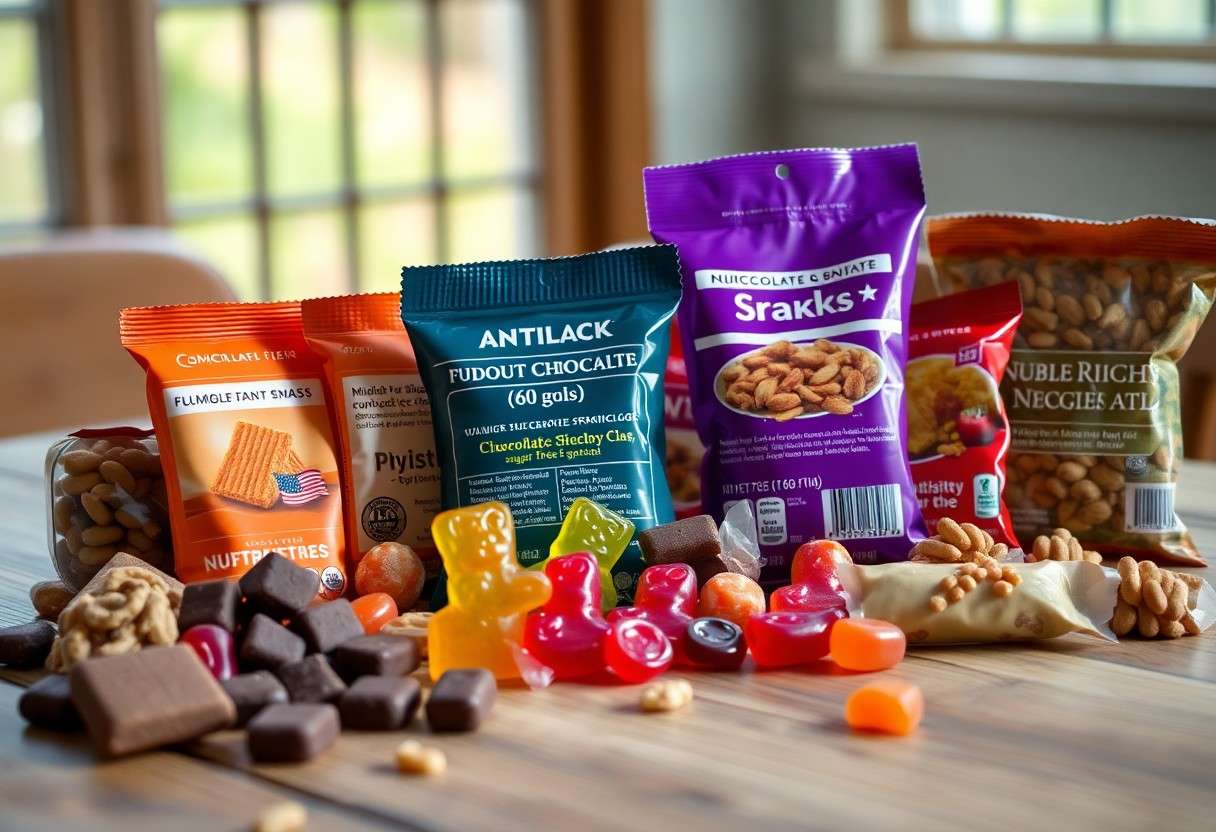
Above all other holidays, Halloween stands out as a quintcrucial candy celebration in North America. During this spooky season, you can transform your home into a haunted haven, where trick-or-treaters roam the streets. You’ll delight in filling your bowl with a variety of confections—from tiny chocolate bars to gummy delights—ensuring there is something for everyone. As you partake in this age-old tradition, you embrace the joy of sharing and the thrill of the hunt for the ultimate candy haul.
Maple Sugar Festivals
Traditions surrounding Maple Sugar Festivals are deeply rooted in North American history, particularly in regions like New England and Canada. Each spring, as the sap begins to flow from maple trees, communities come together to celebrate this sweet elixir. At these lively festivals, you can indulge in freshly made maple taffy, which is created by pouring hot syrup over snow, creating a chewy treat that’s unlike any other. It’s an opportunity to taste the sweetness of the season while learning about the tapping process and the rich cultural significance that surrounds maple syrup production.
But the festivities extend far beyond just tasting delicious treats. You can partake in various activities such as rides through the sugar bush, demonstrations of traditional maple syrup-making techniques, and even live music performances, all of which showcase the charm of rural life in North America. This sweet celebration not only highlights a beloved candy but also invites you to connect with nature and participate in an age-old tradition that has brought communities together for generations.
European Sweet Treats
Some of the most delightful candy traditions can be found throughout Europe, where locals celebrate their culture with unique sweet treats. One standout experience can be had at the German Christmas Markets, which come alive each winter, offering various festive specialties that tantalize your taste buds. These markets feature an array of traditional sweets such as Lebkuchen, a spiced gingerbread cookie often adorned with icing and nuts, and stollen, a rich fruitcake dusted with powdered sugar. As you wander through the stalls, the warm, inviting aroma of roasted nuts and mulled wine envelopes you, drawing you into the heart of holiday celebrations.
German Christmas Markets
European Christmas Markets have become synonymous with joy and festivity and are a must-visit if you ever find yourself in Germany during the season. Not only do you get to sample exquisite candy, but you also experience the charm of twinkling lights and cheerful carolers. Take your time as you explore the beautifully crafted ornaments and handmade gifts that go hand in hand with these sweet delights, creating a beautiful atmosphere that will leave lasting memories.
Italian Easter Eggs
Any visit to Italy around Easter time unveils a colorful tradition involving intricately decorated Easter eggs. Italians celebrate the holiday with both standard and chocolate eggs, often filled with surprises or symbolic messages. These eggs are typically beautifully painted and can be filled with praline, nuts, or other delightful confections that beckon you to indulge your sweet cravings. Families exchange these decorated eggs as tokens of love and abundance, fostering a sense of community and shared joy during the holiday season.
Plus, the historical significance behind these Italian Easter Eggs adds an exciting layer to your culinary journey. Many regions have their own unique styles and customs when it comes to decorating the eggs, reflecting local culture and artistry. In some areas, you might discover eggs adorned with delicate lacework or floral patterns, while others may embrace bold colors and intricate designs. This seasonal treat not only delights your taste buds but also offers a deeper connection to Italian heritage and family traditions.
Asian Confectionery Customs
Even as you explore the diverse world of candy traditions, Asia stands out with its rich tapestry of confectionery customs that reflect cultural heritage and community spirit. Each festivity brings unique sweets that symbolize joy, prosperity, or good fortune, making treats an integral part of celebrations. You may find that indulging in these specialties not only satisfies your sweet tooth but also connects you to a deeper cultural narrative.
Mooncake Festival in China
After the harvest season, one of the most cherished celebrations in China is the Mooncake Festival, also known as the Mid-Autumn Festival. This occasion, typically held in September or early October, revolves around the theme of reunion and thanksgiving. You can expect to enjoy mooncakes, round pastries filled with various fillings such as lotus seed paste, red bean paste, or even salted egg yolks. These treats symbolize family unity and completeness, making them a vital part of the festival’s rituals.
Japanese Mochi Traditions
The Japanese take great pride in their mochi traditions, which are centered around a glutinous rice treat that has a chewy texture and can be filled with a plethora of sweet or savory fillings. Traditionally made during the New Year, mochi represents prosperity and health for the coming year. You may find yourself sampling the delightful texture of fresh mochi, often covered in sweet soybean flour or filled with sweetened red bean paste during various Japanese festivals. The practice of making mochi, which involves soaking, steaming, and pounding rice, can also be a communal activity bringing families together.
But the allure of mochi doesn’t end there—this versatile candy has a place in many seasonal celebrations and even in popular treats like mochi ice cream. With flavors ranging from classic matcha to inventive combinations like strawberry cheesecake, you can appreciate how mochi continues to evolve while enticing your taste buds. Engaging with mochi traditions gives you a unique glimpse into Japanese culture where culinary craftsmanship meets deep-rooted customs, making each bite a blend of history and innovation.
Latin American Delight
After exploring various candy traditions around the globe, the vibrant and colorful practices in Latin America stand out for their rich cultural significance and delightful flavors. From the mystical celebrations of Día de los Muertos to the sweet indulgence of dulce de leche, Latin American sweets are deeply intertwined with local customs, offering you a taste of tradition infused with love and history. These delectable treats not only satisfy your sweet tooth but also connect you to the rhythm of life and death celebrated in this region.
Día de los Muertos Sugar Skulls
Among the most iconic symbols of Día de los Muertos, or the Day of the Dead, are the beautifully decorated sugar skulls. These colorful confections represent the souls of the departed, and they play a significant role in this Mexican holiday that honors and remembers loved ones who have passed on. You will find that these sugar skulls, adorned with vibrant icing and intricate designs, are not only visually stunning but also serve as a loving reminder of those who have influenced your life. Placing these sweet offerings on altars, known as ofrendas, is an imperative practice during the celebrations, symbolizing the connection between the living and the deceased.
Dulce de Leche Celebrations
Below the surface of Latin American culture lies the beloved treat known as dulce de leche, a rich and creamy caramel made from sweetened milk. Throughout the region, dulce de leche is more than just a popular dessert; it becomes the centerpiece of many celebrations, from birthdays to weddings. When you taste this luscious treat, you can appreciate the tradition itself, which often includes family gatherings centered around the preparation and enjoyment of this delicacy. It’s an opportunity for you to bond over the joys of cooking, sharing, and crafting dessert experiences that can be passed down through generations.
Hence, you will find that in many Latin American households, dulce de leche is frequently used as a filling for pastries, a topping for ice cream, or even a drizzle over fresh fruit, making it a versatile ingredient that showcases the loving spirit of family-oriented celebrations. The experience of sharing dulce de leche brings people together, encouraging the exchange of stories, laughter, and memories, thereby enriching the cultural tapestry that makes Latin American candy traditions so unique. Embrace these moments, and you might even be inspired to create your own recipes steeped in joyful celebration.
African Candy Heritage
For many cultures across the African continent, candy is not just a treat but a deep-rooted tradition that has been passed down through generations. From intriguing flavors to unique preparation methods, the variety of sweets showcases the rich heritage and diversity of African communities. You may find that African candy often reflects local ingredients, customs, and even storytelling, adding a layer of meaning to your indulging experience.
South African Fudge and Sweets
Among the plethora of South African confections, you will discover an array of fudges and sweets that are noteworthy for their rich textures and flavors. The famous South African fudge, often made with milk, sugar, and a hint of vanilla, is a delightful treat that can be encountered at various local festivals and markets. You may also come across a variety of unprocessed candies, such as koeksisters, which are twisted plaited doughnuts drenched in syrup and bursting with sweetness. Each bite can transport you to the heart of South Africa’s culinary culture.
Traditional Honey Candies
Among the many traditional sweets, honey candies stand out for their natural sweetness and historical significance. Many African communities have long recognized honey not just as an ingredient, but as a symbol of wealth and prosperity. You may be intrigued to learn that these candies often incorporate locally sourced honey mixed with nuts, spices, and sometimes dried fruits, resulting in a chewy, delicious morsel that epitomizes the essence of traditional African candy-making. Not only do they offer a delightful experience for your taste buds, but they also connect you to the region’s agricultural practices and cultural narratives.
Hence, honey candies serve as both a treat and a testament to the resources available in Africa. They reflect local flora and fauna, while also revealing the intricate relationship between indigenous communities and their environment. By enjoying these candies, you can appreciate the natural sweetness of honey intertwined with the collective history and flavors of various regions, inviting a unique taste of African tradition into your own life.
Unique Candies of Oceania
All around Oceania, you’ll discover a rich tapestry of candy traditions, each reflecting the local cultures and flavors. In this vibrant region, two standout traditions are fairy floss in Australia and kava-based treats in Fiji, both of which captivate the taste buds and carry a unique story of their own. Each candy serves not just to satisfy sweet cravings but also to foster connections within communities and celebrate local customs.
Fairy Floss in Australia
Unique to Australia, fairy floss is what you might know as cotton candy. This light and airy confection is spun from sugar and often flavored with vibrant colors, making it a favorite among festival-goers and carnival lovers. As you savor the melt-in-your-mouth texture, you’ll find that fairy floss is more than just a treat; it conjures up childhood memories of summer fairs, amusement parks, and the joyous spirit of outdoor gatherings. With its nostalgic charm, it’s a must-try whenever you visit Australia.
Kava-based Treats in Fiji
Unique in both flavor and cultural significance, kava-based treats stand out in Fiji as an intriguing culinary experience. Kava, a traditional beverage made from the root of the kava plant, is renowned for its calming properties, and when incorporated into candy, it offers a delightful twist on sweet snacks. These confections could range from chewy candies to infused chocolates, each delivering a mellow, earthy flavor that speaks to Fiji’s rich cultural heritage and communal traditions.
To explore kava-based treats fully is to immerse yourself in the Fijian way of life. Often enjoyed during ceremonies or special gatherings, these sweets not only serve as delicious goodies but also act as a conduit for social interaction and bonding. When you indulge in these unique candies, be sure to appreciate the context and craftsmanship that goes into creating them, as they truly represent the heart of Fijian culture.
Final Words
So, as you explore the delightful world of unique candy traditions around the globe, you uncover a rich tapestry of cultural significance and creativity in confectionery. Each country’s sweet treats not only satisfy your cravings but also tell stories of heritage, celebration, and even local ingredients. Whether you find joy in the vibrant colors of piñatas during Mexican celebrations or savor the intricate designs of Japanese wagashi, these candies serve more than just a taste; they offer a glimpse into the lives of those who make and enjoy them.
Your journey through these global candy traditions not only broadens your palate but also enriches your understanding of diverse cultures. The next time you indulge in a sweet, consider the history and meaning behind it – you may find your taste buds not only enjoying the flavor but also connecting with a larger narrative that transcends borders. Embracing these traditions offers you a unique opportunity to appreciate the artistry and love that goes into each candy, making them special not just for their sweetness but for the stories they carry.