What Candy Colors Do to Your Brain
The Psychological Impact of Color in Confectionery The Connection Between Colors and Emotions Your emotions can be significantly influenced by the colors of the

This article contains Amazon affiliate links. As an Amazon Associate, CandiesAndSweets earns from qualifying purchases.
The Psychological Impact of Color in Confectionery
The Connection Between Colors and Emotions
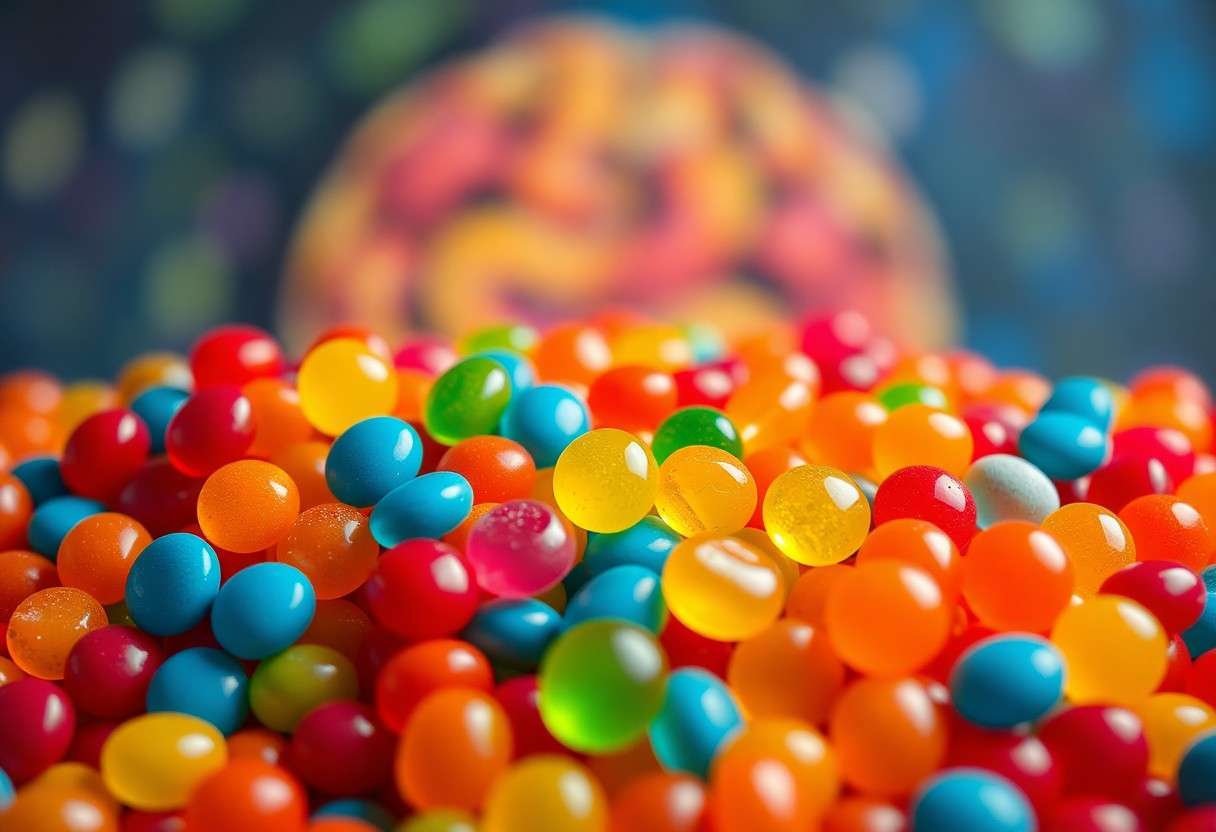
Your emotions can be significantly influenced by the colors of the candy you consume. For instance, vibrant reds and bright yellows are often associated with excitement and happiness, while softer pastels like pink and lavender evoke feelings of calmness and nostalgia. Research by color psychologists suggests that colors can stir specific emotional responses; this is particularly relevant in marketing strategies for confectionery brands. When you see a strikingly colored candy, your brain may release dopamine, triggering a feeling of pleasure associated with the treat. Think of the joyful rush you feel upon spotting a rainbow of M&Ms or a bowl of colorful jelly beans—this instant gratification is not just about the flavor but also the visual feast your eyes devour.
Candy Colors and Mood Enhancement
How Colors Influence Emotions
Each color conveys a specific feeling, and candy often utilizes this psychology to make you feel a certain way. For instance, consider the bright yellows and oranges of citrus candies—they are energetic and uplifting. You might notice a rush of joy or excitement as you see a bright yellow gummy bear, which can evoke memories of sunshine and warm days. Contrastingly, deeper colors like rich reds and purples can bring out moods of passion or nostalgia, often associated with indulgence and comfort. When you indulge in these visually appealing delights, it’s not just about the flavors; the colors are working on your emotions at a subconscious level.
The Link Between Color and Behavioral Responses
Your reactions to candy colors extend beyond feeling good; they can actually guide your behavior. Studies indicate that colors can activate varying responses in your brain. For example, seeing bright red can stimulate appetite and excitement, prompting you to reach for that candy jar. Alternatively, shades of blue may not evoke that same response due to their association with calmness and tranquility. Data collected from consumer research suggests that product packaging featuring vibrant colors tends to boost sales significantly because these hues appeal to your emotional desires, leading to impulsive purchasing behaviors.
Notably, in a study involving participants’ preferences for candy colors, there was a clear inclination towards bright, vibrant colors that elicited feelings of happiness and enthusiasm. This highlights that when candy makers design their products with specific colors in mind, they are not only enhancing the visual appeal but also eliciting an emotional and behavioral response that can dramatically influence your choices. The candy aisle becomes a canvas of strategized colors prompting you to engage, taste, and ultimately savor the sweet experiences they offer.
Neurochemistry of Candy Colors
The Role of Colors in Dopamine Release
Candy colors have a remarkable ability to stimulate the brain’s reward system, primarily through the release of dopamine. This neurotransmitter plays a vital role in motivation, pleasure, and reinforcement. When you see bright, vibrant candy colors—like the rich reds of cherry or the sunny yellows of lemon—your brain anticipates pleasure. This anticipation often triggers the release of dopamine before you even taste the treat. Research suggests that certain colors, like pink and yellow, can lead to higher dopamine production, enhancing your cravings and turning a simple candy experience into an irresistible delight.
Your body’s physiological response to color often starts before taste or sugar content come into play. For instance, a study conducted found that participants exposed to bright colors while tasting various candies reported a greater pleasure response than those who tasted treats in muted tones. This pattern demonstrates how the combination of color and taste synergistically interacts, resulting in increased dopamine release. Next time you spot a candy that catches your eye, consider how its color might be priming your brain to enjoy it even more.
Color-Specific Psychological Associations
Each color that your eyes encounter tells a story and evokes different psychological associations that vary from person to person. For example, the color red is often linked to excitement and passion, while blue tends to evoke feelings of calmness and serenity. Even in the context of candy, these associations significantly impact your perception and enjoyment. A piece of candy wrapped in a bright red foil can subconsciously increase your anticipation and excitement, setting the stage for a more pleasurable experience as you indulge.
Diving deeper into the world of candy colors reveals notable trends in how specific hues might alter your mood or behaviors. The hue of the candy can even suggest its flavor; bright orange candies are often expected to taste like orange, while green candies hint at lime or apple. This expectancy affects your overall enjoyment and emotional response. Understanding these associations can help you make more informed choices about the treats you pick, enhancing your overall snacking experience.
Marketing Strategies: Leveraging Color Psychology
The Art of Color Selection in Advertising
Color selection in advertising isn’t just a mere aesthetic choice; it plays a pivotal role in influencing consumer perception and behavior. By understanding the psychological impact of colors, you can strategically design your marketing campaigns to evoke specific feelings and associations. For instance, blue instills a sense of trust and security, making it a popular choice for financial institutions, while vibrant yellow invokes feelings of happiness and optimism, often utilized in retail promotions to catch your eye.
The right color palette can significantly enhance brand recall, making it easier for consumers to recognize you among myriad competitors. It’s fascinating how subtly different shades can alter the messages you convey. For example, a deeper shade of red may evoke excitement, while a softer pastel can suggest gentleness or approachability. By utilizing color theory in your marketing strategies, you equip yourself to resonate more deeply with your target audience.
Case Studies: Brands That Got It Right
Several brands have effectively harnessed color psychology to enhance their market presence and consumer engagement. Take Coca-Cola, for instance, whose signature red not only contrasts with competitors but also stimulates appetite and promotes energy. Remarkably, their brand recognition soared to 94% globally, significantly attributed to their effective use of color.
Another exemplary case is the fast-food chain McDonald’s. Their branding features a cheerful combination of red and yellow, strategically chosen to evoke hunger and happiness. Studies have shown that their branding leads to a more than 40% increase in impulsive purchases in comparison to establishments with more muted color schemes. These examples underscore the power of color in shaping consumer behavior and successful marketing strategies.
- Coca-Cola: 94% global brand recognition; signature red stimulates appetite and energy.
- McDonald’s: 40% increase in impulsive purchases; red and yellow evoke hunger and happiness.
- Target: The use of red creates urgency in shopping; their sales increased by 15% after redesigning their logo to maintain brand consistency.
- Apple: The minimalist design and use of white signify sophistication; this approach led to them capturing over 44% of the US market share in premium smartphones.
- Starbucks: Green signifies tranquility and connection; their color strategy contributes to a loyal customer base with over 56% of customers visiting multiple times a week.
These case studies illustrate that brands that understand and utilize color psychology can significantly enhance their market performance. The successful integration of color into branding and advertising strategies has resulted in higher engagement rates, brand loyalty, and an overall increased revenue stream, reaffirming the influence that color has in a brand’s journey. Moreover, as consumer preferences evolve, strategies surrounding color need constant refinement, ensuring your approach remains relevant and impactful in a competitive landscape.
Cultural Perspectives on Color and Candy
Color Preferences Across Different Cultures
Your understanding of color preferences might be shaped by your own cultural background, which often dictates how you perceive and enjoy candy. For instance, in Western cultures, blue is often associated with calmness and trust, leading to a preference for blue-hued treats during festive occasions. Meanwhile, in many Asian cultures, white signifies purity and is commonly used in candy during weddings and celebrations, further demonstrating how color choice aligns with cultural values. A study indicated that preferences can vary significantly, with countries like Italy favoring vibrant reds and greens in their confectionery, suggesting that local traditions and customs greatly influence how colors are embraced in sweets.
Diving deeper, color associations also impact purchasing decisions immensely. Research highlights that individuals from different cultural backgrounds may choose candies based on color symbolism, such as the preference for red in China, where it represents prosperity and happiness. This invites brands to cater their products’ color palette according to regional preferences, harnessing local color meanings to enhance emotional connections and drive sales.
Symbolism of Colors in Sweet Treats
The colors of candy often carry rich symbolism that varies significantly around the globe. For example, in Western countries, red candies might be linked with love and passion, making them popular choices for celebrations like Valentine’s Day, whereas green is often associated with freshness and nature. In the context of holidays, specific colors may take on additional meanings; for example, orange is frequently connected to Halloween festivities, symbolizing energy and vitality, while pastels are reserved for Easter, representing renewal and springtime.
This symbolism can also extend to the ingredients used in these sweets. Natural colorants extracted from fruits and vegetables often reflect their health benefits, reinforcing a perception of wholesome indulgence. For instance, a candy that boasts a vibrant purple hue might draw on the association with antioxidants found in blueberries, appealing to health-conscious consumers. Understanding the interplay between color and symbolism can enhance your enjoyment and appreciation of candy, making each sweet treat not just a confection, but a story worth savoring.
Practical Applications: Choosing Candy for Desired Effects
Color-Coding Candy for Events and Marketing
Your choice of candy colors can enhance the overall theme of any event. For instance, if you’re hosting a summer party, vibrant yellows and greens can evoke feelings of freshness and positivity. In contrast, a Halloween gathering might benefit from dark purples and oranges that signal excitement and a bit of mystery. Tailoring candy color to the occasion not only aligns with the visual aspects of the events but also stimulates the intended emotional response from guests. Consider how various shades evoke different senses; bright colors are typically associated with fun and energy, while softer pastels tend to be calming and inviting.
This strategy extends beyond personal events. In retail marketing, using colored candies that match seasonal colors can create a stronger brand presence. Research shows that products with color coordination can increase consumer spending by as much as 20%. Therefore, by aligning candy choices with promotional offers, you can generate greater interest and attention. This might involve featuring seasonal colors in-store or tailoring candy assortments to fit holiday themes, ensuring shoppers’ choices are both visually appealing and emotionally resonant.
Crafting the Perfect Color Palette for Boosting Sales
As you develop your product offerings, understanding consumer psychology behind colors can guide your selection of candy not only for visual appeal but also for driving sales. For example, colors like red and yellow are often associated with energy and can elevate mood, encouraging impulse buys. In a study by Color Communications Inc., it was noted that 85% of consumers make their purchase decision based solely on color. Optimizing your candy palette to include these high-response colors could lead to increased conversion rates.
Utilizing a targeted approach in your color strategy can set your candy display apart. By positioning stronger colors at eye level and creating a cohesive palette that flows well, you can facilitate a superior shopping experience. Think about the contrast of your packaging with the candy itself; for instance, a bright blue candy against a white background can capture attention and promote a sense of freshness. This contrast can draw customers in, prompting them to engage with your product and ultimately make a purchase.
To wrap up
Conclusively, understanding the psychological effects of candy colors on your brain can enhance your decision-making, whether you’re selecting treats for an event or simply indulging in a personal favorite. Bright colors like red and yellow can stimulate feelings of excitement and warmth, while cooler colors such as blue or green might evoke calm and satisfaction. By recognizing how these colors influence your mood and preferences, you can make more informed choices that align with your emotional state or the ambiance you wish to create.
Additionally, it’s important to consider how these colors can impact social environments. When you are aware of the reactions that vibrant, appealing candy colors can provoke in yourself and others, you can use this knowledge to elevate social gatherings or celebrations. This understanding not only boosts your enjoyment but also adds an engaging element to your experiences, allowing you to fully appreciate the delightful interplay between color and emotion in the world of candy.


