What Candy Looked Like 100 Years Ago
Over the past century, the world of candy has transformed dramatically, and understanding what sweets looked like 100 years ago can give you fascinating insight

This article contains Amazon affiliate links. As an Amazon Associate, CandiesAndSweets earns from qualifying purchases.
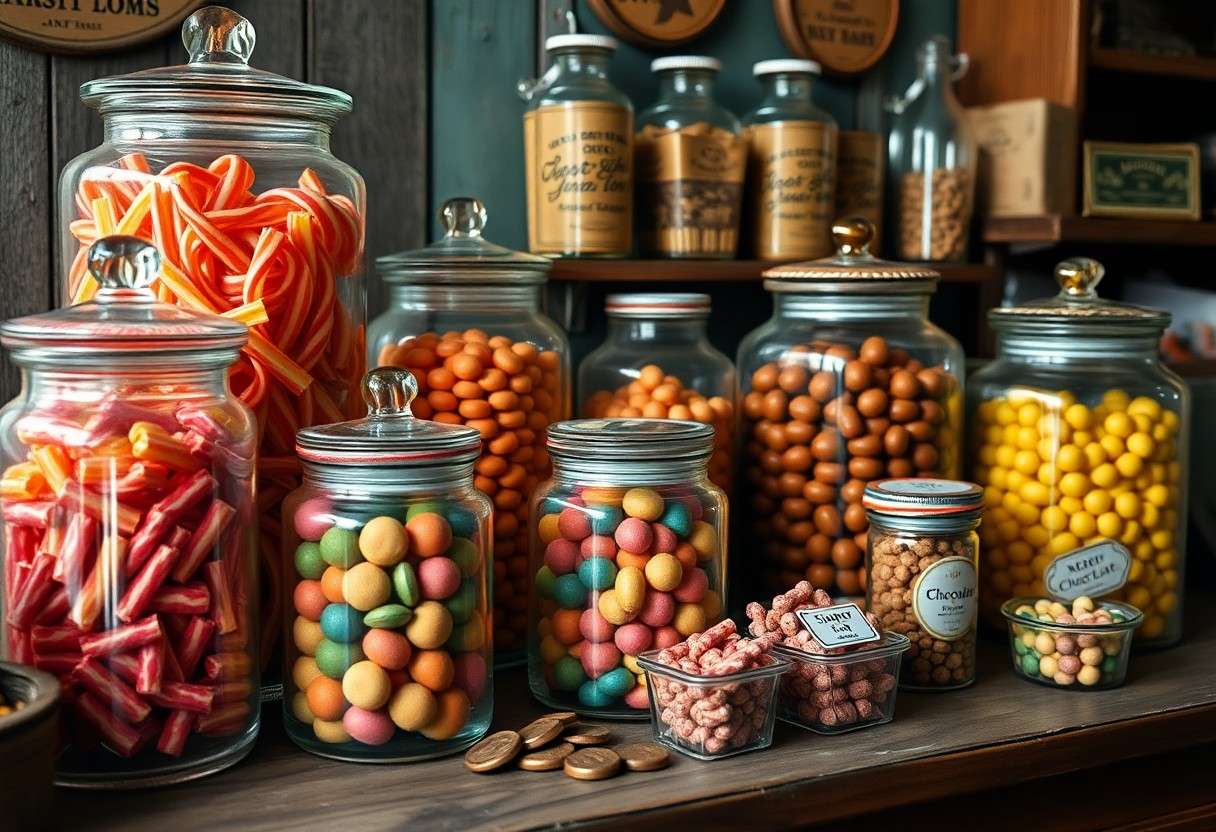
Over the past century, the world of candy has transformed dramatically, and understanding what sweets looked like 100 years ago can give you fascinating insight into our culinary history. You might be surprised to learn that candy was not just a sugary treat but also a reflection of the social and economic conditions of the time. From the origins of iconic brands to the flavors that once were popular, you’ll discover how these sugary delights have evolved and what they meant to your ancestors.
Culinary Evolution: The Origins of Candy
Historical Background of Confectionery in the Early 20th Century
During the early 20th century, candy was more than just a treat; it represented a moment of indulgence in an era marked by industrialization and technological advancement. The emergence of mass production techniques allowed confectioners to create sweets on a scale never before seen. For instance, candy bars, which had just recently been introduced, quickly became a favorite among consumers, with iconic brands like Hershey’s making their debut in this period. You might find it fascinating that by the 1920s, candy consumption in the United States was on the rise, with a survey indicating that Americans spent about $2.6 billion annually on candy, equivalent to almost $40 billion today.
This newfound accessibility to candy coincided with changes in societal norms as well. Candy started to be seen as more than just an occasional treat; it became woven into the fabric of childhood and celebration. Social events and holidays placed a significant emphasis on sweets, which you might discover reflected in the many candy options available. The rise of marketing during this time also played a pivotal role. Companies began targeting children and families, with brightly colored packages and catchy jingles that would entice young palates.
Ingredients and Techniques Used in Candy Making
Confectioners in the early 20th century used simple, yet effective methods for candy making, relying on a limited array of ingredients like sugar, corn syrup, and starch. Traditional techniques included boiling sugar to specific temperatures to achieve different textures—from the crispy crunchiness of toffees to the soft chewiness of caramels. You’d notice that the basic recipes often incorporated natural flavors, with fruits and nuts being prominent. Innovations like chocolate coating also started gaining popularity, turning everyday candies into irresistible treats.
Most candies were crafted using straightforward tools, initially relying on hand-kneading and molding, before evolving into factory methods that could produce massive quantities. The sugar syrup was carefully heated to reach the desired consistency, after which flavors and other ingredients were mixed in. This mixing process allowed for a delightful texture, such as the sticky, gooey nature of taffies that you may still enjoy today. As industrial techniques progressed, candy making became more streamlined while still holding onto the charm of traditional craftsmanship.
Fascinatingly, these early techniques paved the way for modern candy making. While today’s confectioners have access to advanced technologies and a multitude of flavoring agents, the foundational principles of candy making remain largely unchanged. This blend of historical methods and contemporary innovation continues to influence the candy you enjoy, leading to a nostalgic connection with the flavors first developed over a century ago.
Iconic Confections of the Past: What Was Popular?
Spotlight on Vintage Candy Brands and Their Signature Products
You might be surprised to learn that some candy brands from the early 20th century have stood the test of time and remain beloved today. For instance, Necco Wafers were first produced in 1847, but they became particularly popular in the early 1900s. These pastel-colored disks, made of sugar, cornstarch, and flavoring, were often sold by the piece, allowing children to indulge in a bit of sweet nostalgia. Similarly, the Hershey Bar made its debut in 1900, with its rich and creamy chocolate quickly capturing the hearts—and taste buds—of many. By 1918, Hershey’s reputation as the go-to chocolate bar had solidified, paving the way for the broader world of chocolate confections that followed.
An interesting contender in vintage candy is the Tootsie Roll, which was introduced in 1896. It offered a chewy, chocolatey treat that appealed to both children and adults alike. With its consistent popularity, Tootsie Rolls became a staple for many American families. These brands not only shaped the candy landscape of their time but also provided affordability and accessibility for all, making candy a cherished part of American culture.
Cultural Influences Reflected in Early Candy Styles
The candy of the early 20th century did not exist in a vacuum—it mirrored the societal trends and cultural movements of its time. The rise of industrialization meant that mass production techniques were increasingly being applied to confectionery, allowing for new and exciting candy styles. As you explore classic candies, you’ll notice their shapes, colors, and flavors often reflect the broader aesthetic movements of the era, such as Art Deco and Victorian influences. Bright colors became trendy due to advances in food coloring, leading to a dazzling array of sweets that caught the eye of consumers.
You can also see the impact of immigrant traditions in the candy scene, where diverse flavor profiles emerged as communities sought to replicate treats from their homelands. For example, marzipan, a sweet almond paste known for its delicate design capabilities, gained popularity among European immigrants and translated into elaborate confectionery creations. This melding of flavors and styles contributed to a rich tapestry of candy culture, blending old-world craftsmanship with modern manufacturing techniques.
Aesthetic Appeal: The Design and Packaging of Yesteryear
Artistic Trends in Candy Packaging in the 1920s
Stepping into the 1920s, the explosion of artistic movements like Art Deco had a profound influence on candy packaging designs. You’d find bold geometries and luxurious motifs adorning boxes, inviting consumers to indulge not just in the sweets, but in an experience that reflected the glamour of the Roaring Twenties. Bright colors, unique shapes, and sophisticated typography transformed simple wrappers into miniature works of art, often elevating the candy itself to a status symbol. Brands were keen to align their products with the era’s modern aesthetic, making even the packaging a reflection of societal trends.
The use of illustrations also played a significant role during this era. Many candy manufacturers employed renowned artists to craft whimsical images that evoked joy and nostalgia, captivating the eyes of both children and adults alike. These charming designs celebrated the whimsical nature of candy, making every interaction with the product something special. Beyond mere functionality, packaging became a vital part of marketing, aimed directly at enticing consumers and securing a place on the crowded shelves of local shops.
Color and Form: The Visual Identity of Classic Confections
The distinctive colors and forms of candy during this period were not arbitrary; each was designed to resonate with consumers on a sensory level. You’re likely to notice that pastel hues dominated the landscape of confections, suggesting sweetness and playfulness while adding an alluring visual charm. Confections such as taffy, bonbons, and chocolate truffles were crafted into bright, inviting shapes, often mimicking fruits or flowers, to communicate their flavor profiles even before the first bite.
This vibrant color palette was complemented by innovative forms that drew on both natural motifs and whimsical designs. For instance, speckled jelly beans and swirled lollipops became synonymous with fun, while the perfect spherical shape of marbles created a visual connection to childhood play. Such attention to both color and form not only enhanced marketability but also instilled a sense of nostalgia, reminding consumers of simpler times while indulging in these sweet delights. Every piece of candy was crafted to be visually captivating, ensuring that the experience of enjoyment extended far beyond just taste.
The Role of Candy in Social Dynamics and Celebrations
Candies as Gifts: Tradition and Cultural Significance
Candies have often served as tokens of affection and celebration in various cultures. Think back to how you might receive a box of chocolates on Valentine’s Day or a handful of candy canes during the Christmas season. The act of gifting sweets can denote love, appreciation, or respect; for instance, in many cultures, gifting candy is a longstanding custom during festivals such as Diwali or Halloween. You might find that these sugary treats not only satisfy a sweet tooth but also embody sentiments that transcend simple flavors, reflecting shared traditions and emotional connections. In the past century, the colorful wrappers and unique shapes of candies have further enhanced their visual appeal, making them a desirable gift item beyond mere edible pleasure.
Moreover, regional variations in candy gifting highlight local customs and preferences. In Japan, for example, the giving of wagashi—traditional sweets made from rice flour and sweet bean paste—represents appreciation and respect during tea ceremonies. Understanding this cultural significance reveals how candy can serve as a medium for communication, bridging gaps across generations, and telling stories about social practices and familial bonds. As you explore into these traditions, you can appreciate the role candy plays not just as a treat, but as a meaningful gesture ingrained in social dynamics.
The Connection Between Candy and Major Historical Events
The Post-War era ushered in a candy revolution with the introduction of nostalgia-inducing delights like Pop Rocks and Bubble Yum—a clear reflection of changing consumer appetites for fun and excitement. Each era of candy production gives you insights into the economic conditions and cultural shifts of the time, illustrating how candies were not just snacks but also a mirror to history. Even in contemporary times, you can see how candy continues to evolve alongside technological advances and societal norms, reinforcing its role as a significant cultural artifact.
History tells a story where candy appears as not just a sweet indulgence but also a representation of events that shape society. For example, during economic downturns, candy manufacturers often pivot to producing smaller, more affordable sweets, allowing accessibility even in difficult times. You might notice that this adaptability reflects the resilience of communities and the sweet escape that candy provides. These connections between candy and historical events enrich your understanding of how confectionery not only satisfies cravings but also captures slices of history that resonate within your own experiences.
The Economic Landscape of Confectionery Manufacturing
The confectionery industry experienced remarkable shifts during the early 20th century, especially with the onset of World War I. The war not only altered the global landscape but also significantly affected candy production and availability. Sugar shortages became a pressing concern due to rationing, leading to creative adaptations by confectioners. Many companies began to experiment with alternative sweeteners and ingredients to cope with supply constraints. This innovation, while born out of necessity, ultimately paved the way for more diverse candy options in the market post-war.
The Impact of World War I on Candy Production
During World War I, numerous candy manufacturers found themselves in a precarious situation as sugar and other vital ingredients became scarce. To adapt, companies explored alternatives that were often less sweet but still aimed to satisfy the sugar cravings of consumers. This period saw a rise in the popularity of chocolate bars being marketed as energy-boosting snacks for soldiers, a strategy that solidified their presence in the market. Even after the war, the effects of rationing lingered, shaping the strategies of manufacturers as they sought to stabilize their offerings in a changing economic environment.
The Rise of Mass Production and its Implications for Quality
As the economy shifted in the 1920s and beyond, the confectionery industry embraced mass production techniques, enabling manufacturers to churn out large quantities of candy at a fraction of the previous cost. The assembly line, popularized by figures like Henry Ford in automobile manufacturing, found its way into candy production, streamlining processes and minimizing labor costs. However, this transition brought with it the risk of a decline in product quality. While mass production allowed for lower prices, some candies became overly standardized, leading to a loss of artisanal craftsmanship that characterized earlier confectionery products.
Many classic candies began to be produced in vast quantities, which sometimes meant sacrificing unique flavors or traditional methods for efficiency and uniformity. For example, while the beloved caramel or chocolate bars were made in large batches, subtle tastes and textures that were once masterfully crafted could be diluted. This tension between quantity and quality illustrated a pivotal moment in confectionery history, where the demand for affordable sweets clashed with the desire for specialty and authenticity. Consumers found themselves navigating a landscape where they could choose from a plethora of options, but the experience of enjoying a hand-crafted candy became increasingly rare. The changing tides of production techniques set the stage for future developments in the confectionery world, further intertwining the relationship between economics and consumer preferences.
To Wrap Up
Hence, you can see that candy a century ago was vastly different from what you encounter today. The enchanting combinations of flavors and textures were shaped by historical contexts, technological advancements, and cultural influences of the time. By examining old-fashioned candies like taffy, fudge, and licorice, you gain insight not only into the sweetness that delighted taste buds but also into the dietary restrictions and preferences that defined that era. The aesthetics of candy packaging, which often featured bright colors and whimsical designs, reflected the emerging consumer culture of the early 20th century, showing just how much a simple treat can tell you about society.
Furthermore, as you investigate deeper into the candy landscape from 100 years ago, you start to appreciate the craftsmanship that went into each piece and how it has evolved into the mass production you see today. From the fine art of making homemade confections to the industrial methods that dominate the market, the journey of candy is a fascinating one. Your exploration into the past helps you better understand the roots of modern treats and might just inspire you to seek out those retro flavors that have stood the test of time. Embrace this sweet history and let it deepen your enjoyment of candy today.