What Candy Textures Reveal About Sensory Processing
Delighting in the sensory experience of candy textures offers you a unique glimpse into your own sensory processing abilities. Each texture—whether crunchy, che

This article contains Amazon affiliate links. As an Amazon Associate, CandiesAndSweets earns from qualifying purchases.
Delighting in the sensory experience of candy textures offers you a unique glimpse into your own sensory processing abilities. Each texture—whether crunchy, chewy, or smooth—can evoke specific reactions and preferences that reflect how your brain interprets sensory input. By exploring these candy experiences, you can gain valuable insights into your own sensory sensitivities and tendencies, ultimately enhancing your understanding of how you interact with the world around you. Join us as we examine into the fascinating relationship between candy textures and sensory processing.
The Science of Texture and Taste
How Texture Influences Taste Perception
Your experience of flavor is intricately tied to the texture of the candy you consume. For example, the contrast between a hard outer shell and a soft center can enhance your overall perception of sweetness and flavor complexity. Researchers have found that certain textures can augment specific taste sensations; a crunchy texture, for instance, often amplifies the sensation of saltiness, while a creamy texture tends to enhance sweetness. This delicate interplay means that the tactile experience of eating candy is just as important as its flavor profile. Pay attention to how the crunch of a caramel-covered chocolate versus the smoothness of a fudge affects your interpretation of their respective sweetness levels.
The Role of Oral Processing in Flavor Experience
Oral processing directly influences how you perceive flavors in each bite of candy. The act of chewing not only breaks down the food but also releases volatile compounds that contribute to aroma, along with the basic tastes detected by your taste buds. For example, products such as gummy bears retain their flavor longer due to their chewy nature, allowing you to extract flavor gradually over time. This extended duration of flavor exposure can lead to a richer and more intense tasting experience, as opposed to the swift and often fleeting flavor burst from more brittle candies.
Moreover, studies indicate that the speed at which you break down candy in your mouth can alter your overall perception of flavor richness. Foods that require more extensive chewing, such as marshmallow or nougat, can create an illusion of enhanced sweetness. In stark contrast, candies that dissolve quickly tend to offer a sharper, more immediate flavor hit, which might not linger as pleasantly in your mouth. The nuance of oral processing demonstrates that it’s not just the ingredients that matter; the texture and how you physically interact with the candy plays a pivotal part in shaping your flavor experience. Out of the many candy choices available, understanding these texture influences may guide your preferences, allowing you to savor every morsel more fully.
Decoding Candy Textures: A Sensory Milestone
Distinguishing Crunchy, Chewy, and Silky
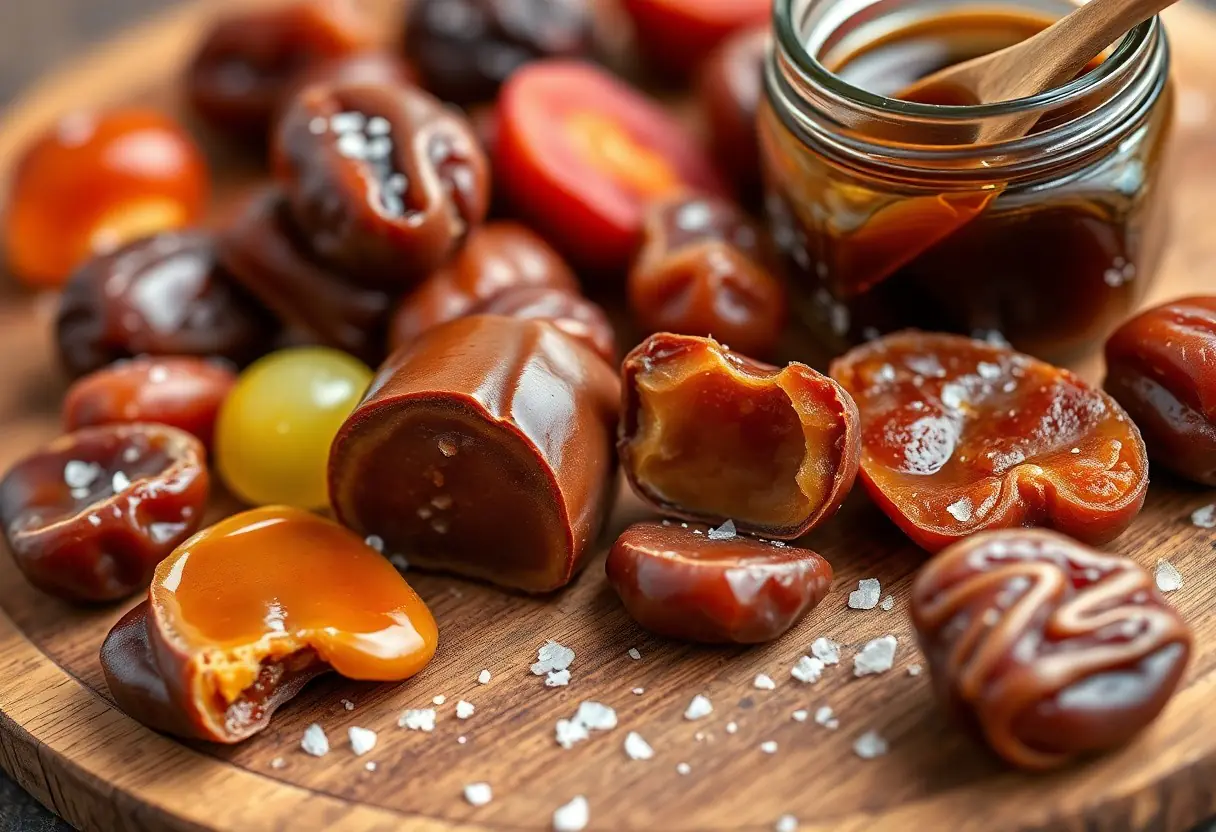
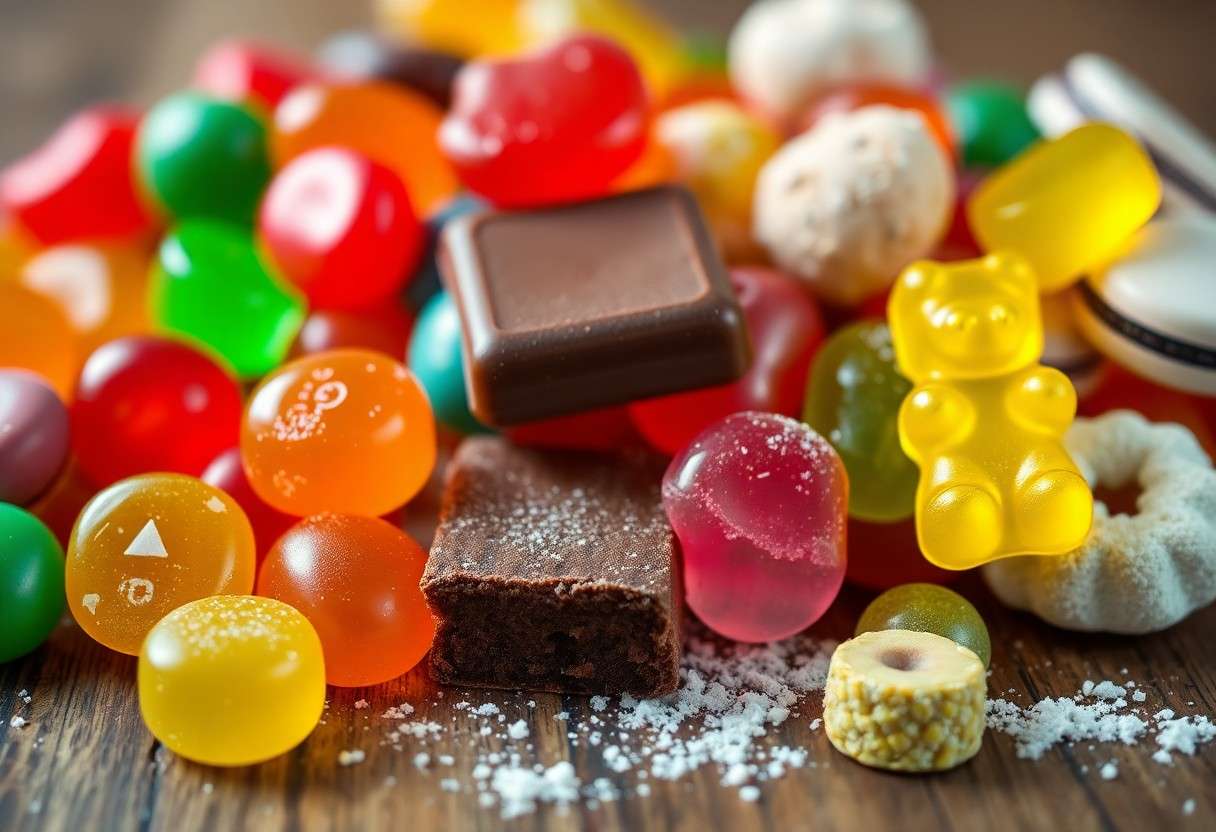
The enjoyment of candy often hinges on its texture, which can significantly influence your overall experience. Crunchy candies, like toffee or brittle, create a sharp auditory response as you bite into them. This sound, coupled with the physical sensation of breaking through a hard exterior, can trigger immediate excitement, making these candies popular for those who appreciate a stimulating crunch. Chewy candies, such as taffy or gummy bears, demand a slower, more deliberate act of consumption, engaging multiple sensory pathways as your teeth work through the resistant texture. Silky textures, found in products like chocolate or certain caramels, invite a different sensory response; their smoothness can elicit a sense of comfort and indulgence, creating a luxurious feel that lingers on your palate.
The ability to differentiate these textures also points to pivotal developments in sensory processing as one matures. For a child, discovering the unique characteristics of various candy textures can enhance their cognitive skills and motor functions, as each bite serves as a small learning opportunity. You engage multiple senses simultaneously—touch, taste, and even sound—when distinguishing between these textures, leading to richer experiences and improved sensory integration.
The Emotional Responses Linked to Texture
Your emotional connections to the textures of candy are profound and can vary significantly from person to person. Crunchy candies might evoke feelings of excitement due to their engaging crunch, while chewy varieties could bring about nostalgia, recalling childhood memories spent at movie theaters or carnivals. Silky textures often associate with luxury and indulgence, potentially triggering emotions of comfort and pleasure. These responses are not merely subjective but are indeed backed by psychological studies establishing that texture plays a key role in your emotional experiences related to food.
Diving deeper into emotional responses to candy textures, you’ll find that they can even correlate with your personality traits. For instance, studies suggest that individuals with a preference for crunchiness may exhibit a more adventurous side, seeking stimulating experiences beyond food. In contrast, someone who favors softer, silkier textures might lean toward more soothing and nurturing influences in their lives. This relationship between candy textures and emotional responses highlights how seemingly simple experiences with food can reveal deeper insights into your sensory processing and emotional wiring.
Linking Candy Textures to Sensory Processing Styles
Identifying Sensory Processing Sensitivity Through Candy Choices
Your candy preferences can serve as an intriguing mirror to your sensory processing sensitivity. Individuals who lean towards softer textures, like marshmallows or chocolate, may display a higher sensitivity to tactile input, finding comfort in more soothing sensations. In contrast, those who favor crunchy or hard candies, such as toffee or pretzels, might exhibit a more adventurous spirit, actively seeking out stronger tactile experiences. The textures you gravitate towards reflect not just a desire for flavor, but also your sensory thresholds and processing styles, helping to identify whether you react sensitively or actively seek stimulation in your environment.
How Preferences in Texture Reflect Broader Sensory Profiles
Practical Implications: Choosing Candy for Sensory Processing
Tailoring Candy Choices for Sensory Needs
Understanding your sensory processing style can significantly influence your candy selections. For instance, if you tend to seek a stronger tactile experience, opt for candies with complex textures, like gummy worms or marshmallows that allow for a variety of biting and chewing sensations. On the other hand, if you prefer a challenging sensory engagement, crispy rice candy or chocolate-covered pretzels can provide a delightful contrast that satisfies both crunchiness and chewiness. Tailoring your candy choices according to these preferences not only enhances enjoyment but also caters to your unique sensory needs, allowing for a more fulfilling experience during snack time.
Pay attention to the textures that resonate with you emotionally. Certain candies can evoke specific responses based on their mouthfeel or consistency. For example, if you find solace in the silkiness of a truffle, it may be an indicator that you crave a comforting sensory experience. By aligning your candy preferences with your sensory needs, you can create a collection of treats that serves as both indulgence and self-care.
Strategies for Enhancing Sensory Experiences with Candy
Enhancing your sensory experiences with candy involves more than just choosing the right texture; it also entails engaging multiple senses. Experiment with temperature by chilling chocolate or warming up caramels before indulging. This variation adds a new dimension to your tasting experience and can heighten your overall enjoyment. The interplay between the cold, hard sensation of chilled chocolate and the soft, gooey nature of warm caramel offers a uniquely engaging experience for your taste buds.
Texture experiments can extend beyond mere flavor to include presentation and interaction. Consider incorporating candy in creative activities like a candy buffet where you can mix and match different textures and flavors. You could also explore candy-making classes as a way to engage your senses in the process of creation, allowing you to connect with your food on a deeper level. This hands-on approach not only bolsters your sensory exploration but also adds a dose of fun to understanding how different candy textures affect personal enjoyment.
Rethinking Snacking: The Broader Impacts of Candy Textures
Candy Textures in Food Design and Marketing
Candy manufacturers have long understood that the textures of their products significantly influence consumer preferences and purchasing decisions. For instance, the contrast between crunchy and chewy textures can evoke distinct emotional responses and memories. Brands often play with these textures in their marketing campaigns, highlighting unique characteristics such as the satisfying crack of a chocolate shell encasing soft caramel or the surprising pop of a fizzy candy. Beyond just enticing imagery, sensory experiences are meticulously designed to boost desirability—consider the way bite-sized morsels are advertised as the perfect on-the-go indulgence, catering to consumers’ fast-paced lifestyles while still delivering textured satisfaction.
The Potential for Candy in Sensory Therapeutics
The therapeutic use of textures found in candy is an emerging field with fascinating implications for sensory processing disorders. As you explore the world of candy, the varied textures can provide sensory inputs that are therapeutic in nature. For instance, the act of chewing a gummy or crunching a hard candy not only satisfies cravings but can also serve as a grounding exercise for those with sensory sensitivities. Some occupational therapists now incorporate candy as part of sensory integration therapy, recognizing that the tangible experiences of touch, taste, and sound can help patients develop coping strategies for overwhelming sensory environments.
This therapeutic potential extends even further, as studies suggest that certain textures can improve mood and cognitive function. For example, the act of chewing has been shown to increase dopamine levels, enhancing your overall sense of wellbeing and curbing anxiety. Exploring how different candies—like the crispness of a sugar-coated treat versus a soft chocolate—can elicit specific responses may help in establishing tailored approaches to sensory therapy. Through these individualized experiences, you might find that your preferred candy not only satisfies a sweet tooth but also serves as a tool for emotional regulation and sensory engagement.
Conclusion
Now that you’ve explored the intricate relationship between candy textures and sensory processing, you may appreciate how these elements interact to shape your overall experience with sweets. The feel of a candy in your mouth—the crunchiness of a hard candy, the chewiness of a gummy, or the creaminess of chocolate—can create a rich tapestry of sensory feedback that enhances enjoyment and satisfaction. Understanding these textures allows you to better appreciate your personal preferences and the psychological factors that influence them, leading to a more mindful experience when indulging in your favorite treats.
Moreover, engaging with various candy textures can serve as a way to explore and improve your sensory processing skills. By intentionally choosing candies with different tactile qualities, you can expand your sensory repertoire and learn how to regulate your responses to different stimuli. Whether you seek comfort in familiar textures or adventure in discovering new ones, the candy world offers a vast landscape for your taste buds and sensory systems to thrive. With this knowledge, you can make informed choices that enhance your enjoyment and deepen your understanding of the sensory world around you.