What Candy Trends Predict About Future Tastes
Most people enjoy indulging in sweets from time to time, but have you ever considered what your candy choices reveal about upcoming flavor trends? Understanding

This article contains Amazon affiliate links. As an Amazon Associate, CandiesAndSweets earns from qualifying purchases.
Most people enjoy indulging in sweets from time to time, but have you ever considered what your candy choices reveal about upcoming flavor trends? Understanding current patterns in candy consumption can give you valuable insights into the evolving tastes of consumers, including preferences for healthier options or exotic flavors. In this blog post, we’ll explore the connection between candy trends and future tastes, helping you stay ahead of the curve when it comes to satisfying your sweet tooth.
The Sweet Science: Analyzing Flavor Preferences
The Impact of Globalization on Flavor Palates
Globalization has undoubtedly shifted your flavor preferences, exposing you to a mosaic of tastes from around the world. This has led to an increased appetite for exotic ingredients like matcha, hibiscus, and even spicy candies infused with flavors like sriracha and chili mango. You may find yourself drawn to combinations that resonate with diverse cultures, such as sweet and savory or tangy and spicy. Brands have seized on this trend by incorporating global elements into their product lines, tapping into your desire for unique and adventurous experiences with candy.
Your cravings for these new flavors are not just personal preferences but also reflect broader cultural exchanges. As more people travel and connect through social media, the mixing of culinary traditions becomes inevitable. This has prompted many candy companies to create limited-edition collections inspired by international flavors, allowing you to partake in a global snacking phenomenon right from your hometown. Think of how the popularity of Thai tea-flavored treats or mango-infused gummies speaks to the blend of cultures on a plate, and in your candy jar.
How Demographics Shape Candy Choices
Age, gender, and economic status play significant roles in how you choose your candies, defining not only the flavors you prefer but also the brands you trust. Younger consumers, particularly Gen Z, lean towards healthier alternatives that include organic and low-sugar options, whereas older generations are likely to gravitate towards more traditional flavors like chocolate or caramel. This segmentation allows manufacturers to tailor products specifically to meet your preferences, creating everything from keto-friendly gummies to nostalgic candy bars.
Economic factors also come into play when examining your candy choices. Premium products that boast high-quality ingredients often appeal to higher-income consumers who are willing to pay a little extra for artisanal flavors or unique experiences. Conversely, those on tighter budgets may prioritize quantity and brand familiarity, opting for the classic products that evoke childhood memories while remaining affordable. Knowing the nuances behind these demographics helps candy producers gear their marketing and innovation efforts in ways that best capture your interest.
As your candy shopping habits evolve, keep in mind how brands are listening to your demographic cues. From seasonal flavors aligned with your age group’s nostalgia to healthier versions catering to growing health concerns, manufacturers are working to meet the desires and demands of diverse groups. The candy landscape is dynamic, and understanding your preferences helps businesses innovate and expand their offerings, ensuring you have options that resonate with your evolving tastes.
Nostalgia and Innovation: The Dual Forces of Candy Development
The Resurgence of Retro Flavors
Retro flavors have emerged as a powerful trend that taps into your childhood memories, offering a comfort that resonates with consumers of all ages. Treats like Ring Pops and Pop Rocks have made a noteworthy comeback, and brands are increasingly drawing inspiration from classic confections. The excitement of rediscovering flavors like cotton candy, bubblegum, and even nostalgic holiday-themed candies injects a familiar taste into your snacking experience. As you indulge in these delights, there’s a sense of connectedness to simpler times, providing both comfort and shared experiences among generations.
These nostalgic offerings often come with modern twists that appeal to your evolving palate. For instance, brands have experimented with unique combinations—think watermelon-flavored gummies with a hint of salt to create a playful, updated version of a beloved classic. Nostalgia isn’t just about mimicking the original; it’s often about enhancing it, allowing you to relive those cherished moments while enjoying something wholly new. This balance of the old and the new is vital as companies aim not just to satisfy your cravings, but to evoke meaningful connections as well.
Innovations in Ingredients and Production Techniques
While nostalgia plays a crucial role in candy development, innovations in ingredients and production techniques are shaping the future of confections in remarkable ways. The rise of health-conscious consumers has prompted candy manufacturers to explore better-for-you options. You might notice an increased presence of natural sweeteners, organic ingredients, and allergen-free alternatives in your favorite treats. Moreover, brands are now more attuned to catering to dietary preferences, including vegan and gluten-free options that broaden your snacking experience.
Technological advancements in food production have also transformed the candy-making landscape. High-precision manufacturing processes allow for better consistency and taste, ensuring that every piece of candy meets your expectations. Techniques like 3D printing have started to gain traction, enabling the creation of custom, intricate candy designs—perfect for special occasions or personalized gifts. As you explore these innovations, you’ll see how they enhance flavor profiles and redefine the way you enjoy sweets.
Additionally, the incorporation of superfoods into candy reflects a growing trend towards healthier indulgences. Ingredients like moringa, spirulina, or even adaptogenic herbs are making their way into confectionery products, providing not only flavor but also potential health benefits. Brands introducing these elements highlight the evolving definition of candy, serving as a bridge between the desire for indulgence and your growing awareness of health and wellness. The marriage of nostalgia and cutting-edge techniques offers an exciting glimpse into where your taste buds are headed next, melding past enjoyment with forward-thinking concepts for an ever-evolving candy landscape.
Health-Conscious Indulgence: Balancing Taste and Wellness
The Rise of Low-Sugar and Functional Candies
Your cravings for something sweet no longer have to come with the guilt of excess sugar. The candy market is witnessing a notable shift towards low-sugar options and functional treats. Brands like SmartSweets and ChocZero are leading the charge with products that not only satisfy your sweet tooth but also come with added health benefits. For instance, these candies often incorporate erythritol and monk fruit as natural sweeteners, making them more appealing to health-conscious consumers. A recent report found that sales of low-sugar and sugar-free candies grew by over 24% in the past year alone, signaling a strong demand for alternatives that align with modern dietary preferences.
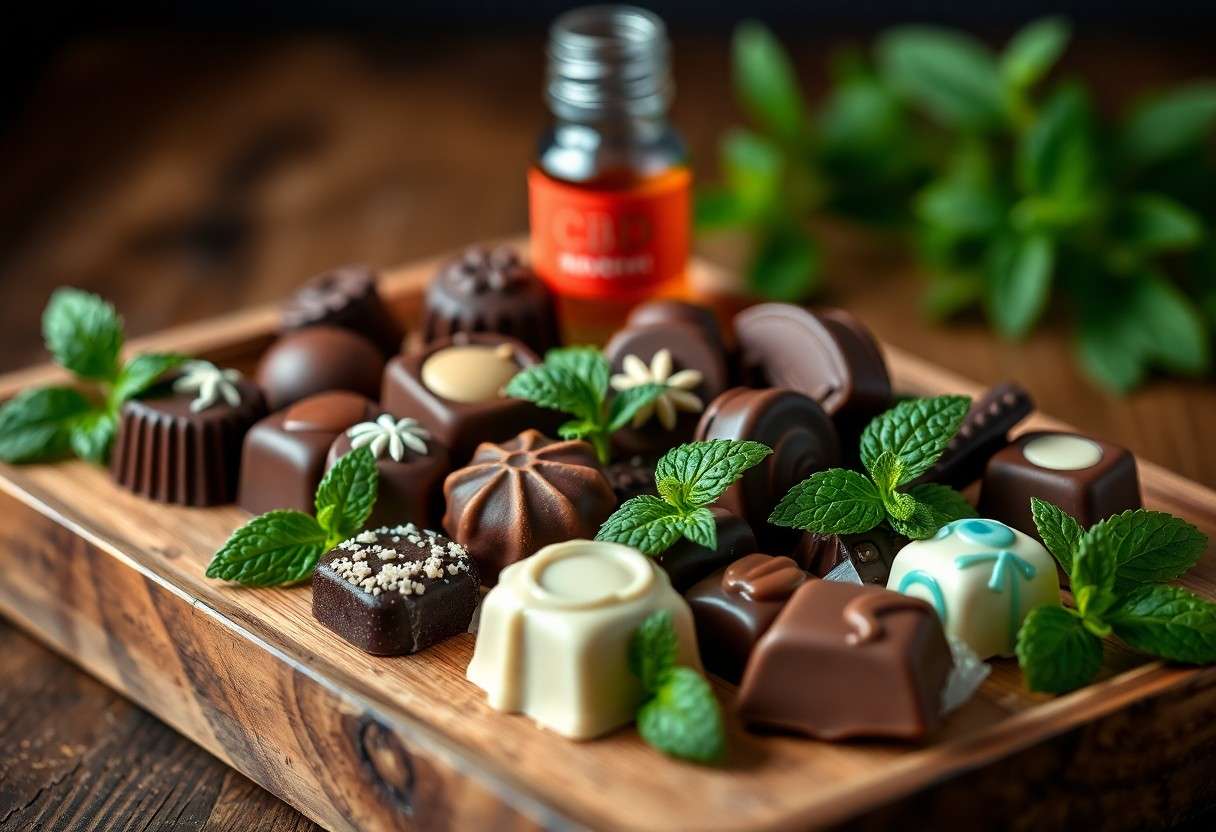
Functional candies that promote wellness, such as CBD-infused gummies or those fortified with vitamins and minerals, are also gaining traction. These products cater to the growing desire for snacks that provide more than just a moment of indulgence. For example, brands like Wyld and Blume are not just focusing on taste but also on offering unique health benefits, such as stress relief or enhanced focus. This trend illustrates a shift in how you perceive candy—not merely as a treat but as part of a balanced lifestyle.
How Natural Ingredients are Changing Consumer Expectations
The ingredient list on your food labels has never been more scrutinized. As consumers become more educated about what goes into their diets, the demand for natural ingredients in candy has surged. You might find it refreshing that brands are moving away from artificial colors, flavors, and preservatives, particularly as organizations like the Non-GMO Project and USDA organic certification add credibility. Research shows that more than 60% of consumers are seeking out products with recognizable, simple ingredients. Popular candies are now showcasing real fruit purees, nut butters, and organic chocolate, ensuring that you don’t just enjoy your treat—but are also aware of what contributes to it.
This transition towards natural ingredients reflects a broader cultural shift towards wellness, where transparency and healthfulness are expected by consumers. You now likely feel empowered to make more informed choices, seeking out brands that align with your values of health and sustainability. Products that label their ingredients with clarity, often boasting about their vegan, gluten-free or non-GMO status, resonate with you, as you navigate smart indulgences that fit into a health-conscious lifestyle.
Cultural Influences: The Flavor Profiles of Tomorrow
The Role of Social Media in Shaping Taste Trends
Social media platforms have transcended their traditional role, evolving into powerful catalysts for flavor trends in the candy industry. Visual-driven platforms like Instagram and TikTok allow brands and consumers alike to share their taste experiences, making seemingly obscure flavors gain widespread attention overnight. You may notice striking videos showcasing unique candy creations rapidly gaining traction, leading to increased demand for those particular flavors. Trendsetters, influencers, and even everyday consumers are pivotal in promoting new combinations or highlighting culturally inspired snacks that might have remained niche otherwise.
In 2022, a significant surge in the popularity of flavors like matcha and ube was observed, attributed in no small part to viral campaigns and influencers embracing these tastes. The hashtag #MatchaCandy racked up millions of views, showcasing recipes and products that made the flavor accessible and appealing. By engaging daily with these platforms, you help drive the evolution of candy flavors, creating a vibrant dialogue that shapes your preferences and the industry at large.
International Flavors Making Their Way into Mainstream Candy
As global palates evolve, international flavors are steadily infiltrating the American candy scene, expanding your options beyond the familiar chocolate and vanilla. Traditional sweets from countries like Japan, India, and Mexico serve as a rich source of inspiration. You might find yourself indulging in goodies infused with exciting spices like chili and tamarind or enjoying the subtle sweetness of Japanese sakura (cherry blossom) flavors. Such innovations not only tantalize your taste buds but also invite you to explore the cultural backgrounds of these ingredients, enriching your overall candy experience.
The rise of international flavors as mainstream delights reflects the melting pot of current consumer culture, where diverse tastes intersect and intermingle. For example, candies like chili mango and horchata-flavored treats have gained traction, capturing attention in candy aisles across the U.S. The successful integration of these exotic flavors demonstrates a shift in consumer willingness to explore, adapting to new and adventurous taste experiences. Whether you’re experimenting at home or purchasing from your favorite store, the influence of international sweets will undoubtedly shape your candy consumption for years to come.
Sustainable Sweetness: The Future of Eco-Friendly Candy
Packaging Innovations Driving Sustainability
Consumer demand for eco-friendly practices has awakened a wave of innovation in candy packaging. Brands are increasingly adopting biodegradable materials, compostable wrappers, and refillable containers to reduce their carbon footprint. For instance, some companies have partnered with organizations specializing in sustainable materials to create packaging that decomposes within months instead of contributing to long-lasting landfill waste. These innovations not only cater to environmentally conscious consumers but also position brands as leaders in sustainability, enhancing brand loyalty amongst eco-aware shoppers.
Furthermore, you may find that companies are leveraging smart technology to minimize waste during production and delivery. This encompasses everything from adjustable box sizes to ensure you’re not receiving more candy than you can consume, to QR codes on wrappers that provide sources and recycling information. By integrating these advancements into their strategies, candy brands are not just selling sweets, but also promoting a cultural shift toward a more sustainable future.
Ethical Sourcing and Its Impact on Consumer Choices
As consumers become increasingly educated about where their food comes from, ethical sourcing has emerged as a pivotal factor in purchasing decisions. This trend reflects a growing awareness of the social and environmental implications of ingredient sourcing, which extends beyond mere taste. You might notice that brands sourcing cacao from Fair Trade-certified farms are attracting a dedicated following, as shoppers appreciate how such practices support fair wages and sustainable agriculture. Transparency in ingredient sourcing is no longer just a marketing gimmick; it’s a core value that can significantly influence consumer loyalty.
Research indicates that around 66% of consumers are willing to pay more for products from companies committed to positive social and environmental impact. With your heightened commitment to ethical consumption, you are empowering brands focusing on humane practices, such as using sustainably-farmed cocoa and sugar. This shift influences the candy landscape, compelling manufacturers to prioritize not just taste and texture but also the integrity of their ingredient supply chains.
Summing up
Now that you have explored the evolving landscape of candy trends, it’s clear that your tastes are being shaped by a variety of factors, including health consciousness, innovative flavors, and cultural influences. As you pay attention to these shifts, you may find that your preferences lean toward products that offer unique experiences and align with your lifestyle choices. The rise of plant-based and sustainable options indicates a future where you will likely prioritize not only taste but also the impact of your indulgences on health and the environment.
Moreover, nostalgia remains a powerful force in shaping what you crave. As brands tap into classic flavors with modern twists, you might discover that your palate is as much about memory as it is about variety. Keep an eye on these trends; they provide valuable insights into not just what you will find on store shelves tomorrow, but also what will satisfy your cravings in new and exciting ways. Your future candy experiences will undoubtedly reflect a blend of tradition and innovation, inviting you to explore and enjoy the next generation of sweet treats.