What Candy Trends Predict About Society
Just as fashion and technology evolve, candy trends can offer fascinating insights into societal shifts. By examining what flavors, ingredients, and types of co

This article contains Amazon affiliate links. As an Amazon Associate, CandiesAndSweets earns from qualifying purchases.
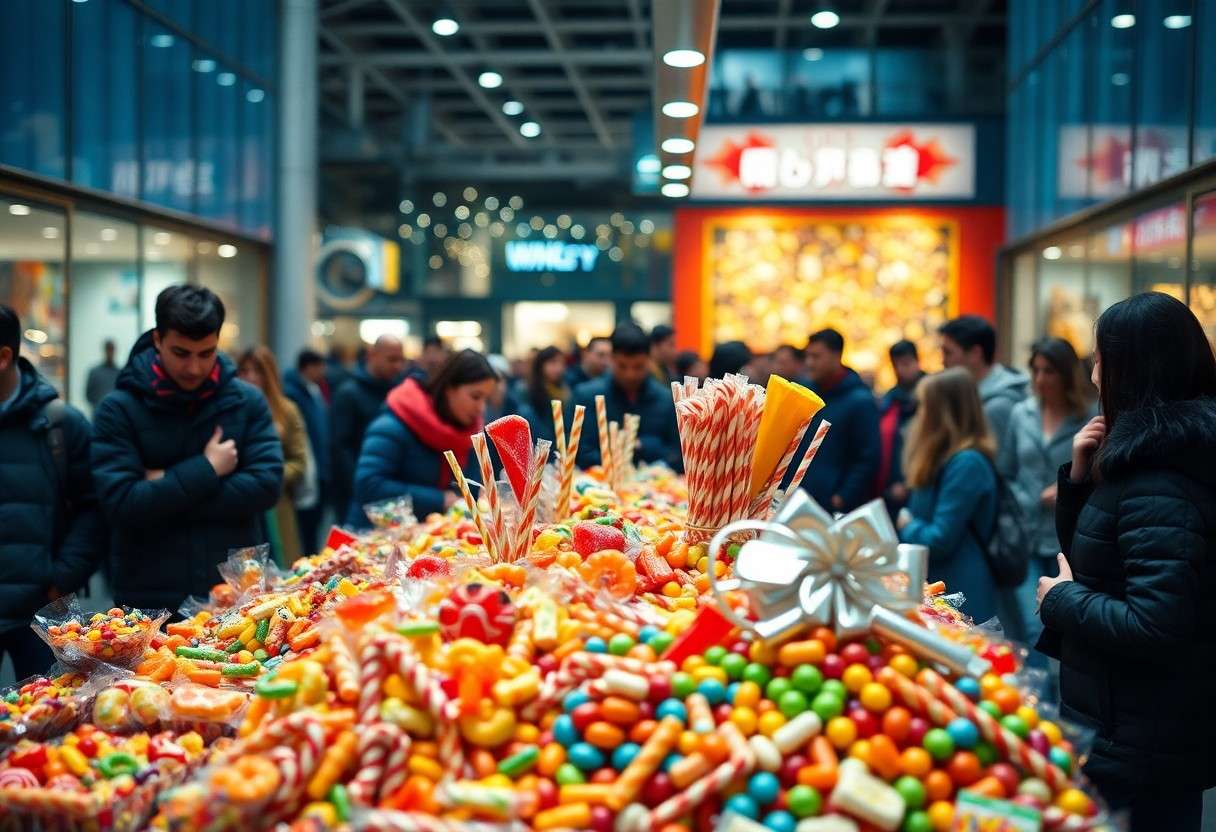
Just as fashion and technology evolve, candy trends can offer fascinating insights into societal shifts. By examining what flavors, ingredients, and types of confections capture your attention, you can learn about underlying societal values, health trends, and lifestyle changes. This exploration not only highlights what draws you to specific candies but also reveals deeper cultural currents that shape your preferences. Join us as we research into the sweet world of candy and uncover what these trends truly reveal about you and the society you live in.
The Sweet Indicators: Analyzing Candy Sales Trends
Seasonal Fluctuations and Consumer Behavior
Your candy cravings often shift with the seasons, highlighting a dynamic relationship between consumer behavior and the calendar year. Seasonal events like Halloween, Valentine’s Day, and Easter drive significant spikes in candy sales, showcasing how traditions and cultural rituals heavily influence purchasing patterns. For instance, during Halloween in 2022, Americans bought an estimated $3.1 billion worth of candy, a notable increase from previous years. This holiday not only bolsters sales for confectionery brands but also shapes marketing strategies, prompting companies to introduce limited-edition flavors and themed packaging to appeal to festive shoppers.
The Rise of Premium and Artisanal Confections
The Cultural Influence of Candy: What Flavors Reveal About Society
Nostalgia: The Rebirth of Classic Confections
Your fond memories attached to childhood treats are more than mere sentiment; they reflect a broader cultural phenomenon. As you stroll through aisles lined with candy, you might notice a resurgence of retro confections like Necco Wafers and Butterfinger bars. This revival speaks to a collective yearning for simpler times and a desire to reconnect with the past. During periods of uncertainty, like economic downturns or societal upheaval, people often gravitate toward familiar flavors that provide comfort. Brands are capitalizing on this trend by reintroducing old favorites, proving that nostalgia is a powerful marketing tool.
Current consumers, especially millennials and Gen Z, tend to value experiences that evoke nostalgia, and candy brands have responded accordingly. Limited-edition flavors inspired by classic candies tap into that longing while appealing to your desire for novelty. Take the launch of ‘Rainbow Nerds’ or ‘Tropical Skittles,’ which play on throwback themes while modernizing the flavors. This culinary flashback not only delights your taste buds but also reinforces cultural values, serving as a reminder of collective experiences shared over candy dinners and birthday parties.
Globalization: The Fusion of International Flavors
The candy aisle has become a vibrant tapestry of global influences, mirroring the interconnected world we live in. You might find yourself captivated by a sweet lychee-flavored gummy or a spicy mango hard candy; these inexplicable fusions reflect your own curiosity for new experiences and flavors from afar. With products like Korean honey butter chip-infused chocolate or matcha-flavored Kit Kats, it’s clear that globalization has expanded your palate. Major brands are no longer defined by geography; rather, they embrace an assortment of international tastes, catering to a consumer base enthusiastic about exploring global cuisine.
This exploration isn’t just a matter of taste; it’s a reflection of the increasingly diverse society you inhabit. The influx of international flavors into mainstream candy shows how cultural appreciation can influence consumer choices. Companies recognize that as your world becomes more globalized, so too will your taste preferences. By bridging culinary divides, brands like Haribo and Lindt are creating opportunities for you to experience flavors previously unknown, fostering an appreciation for global cultures and cuisines through indulgent confections.
Spanning continents, flavors such as Wasabi Kit Kats from Japan or Spicy Pear Sour Patch Kids from North America signal the growing acceptance of diverse tastes. As you indulge in these multicultural treats, it becomes evident that candy is not just about sugar; it’s a gateway to discovering the stories and traditions of different cultures. These innovative flavors reflect your evolving identity as a global citizen, opening doors to conversations and connections through the universal language of candy.
Health Trends Impacting Candy Preferences
The Shift Towards Health-Conscious Alternatives
Your candy preferences are increasingly shaped by a growing awareness of health and nutrition that influences consumer choices. Gone are the days when options were purely about taste; today, you find an expanding array of candies boasting organic, gluten-free, or low-sugar formulations. According to a 2022 survey by the National Confectioners Association, nearly 40% of consumers are seeking candies with fewer allergens and healthier ingredient lists. Brands like SmartSweets and ChocZero are now leading the charge with their innovative, plant-based solutions that cater to the health-conscious candy lover. These options not only satisfy your sweet tooth but also align better with dietary goals, shifting the candy narrative from indulgence to a balanced treat.
This trend has led to an increasing number of sugar-free and reduced-calorie items flooding the shelves. You are likely to notice items sweetened with stevia or erythritol, appealing to those aiming to reduce sugar intake without sacrificing flavor. The versatility of options means there’s something for everyone, including the health-conscious parent seeking a guilt-free indulgence for their children. Candy is being redefined as an occasional treat rather than a guilty pleasure, allowing you to enjoy a sweet treat while staying on track with your health objectives.
The Role of Dietary Restrictions in Candy Production
Your dietary restrictions significantly impact the candy landscape as manufacturers respond to diverse customer needs. With the rise of allergies and food intolerances, you see an increased demand for candies that are nut-free, dairy-free, and vegan. An estimated 6 million children in the U.S. have food allergies, underscoring the importance of allergy-friendly options. Many brands are now prioritizing transparency in their ingredient sourcing to cater to these consumers. Major brands like Haribo and Skittles have introduced allergen-free varieties, reflecting a shift in production that embraces inclusivity and safety.
More specifically, the gluten-free movement has also influenced candy preferences. Brands like YumEarth and Surf Sweets are innovating their recipes to ensure they meet gluten-free standards without compromising on taste. This adaptation is vital for maintaining your loyalty in an increasingly health-aware society. An increasing number of vegan options now span the candy aisle, proving that indulgence can still meet ethical eating practices. The result is a vibrant candy market that celebrates inclusivity while keeping your dietary needs front and center.
The Environmental Connection: Sustainability in Candy Production
Eco-Friendly Packaging and Sourcing
Shifts in consumer preferences are compelling candy companies to rethink their packaging strategies, with many now opting for biodegradable or recyclable materials. Brands like Alter Eco and YumEarth have embraced compostable wrappers made from sustainable materials, demonstrating that indulgence can coexist with eco-responsibility. The move towards transparent sourcing is equally important; companies are increasingly disclosing the origins of their ingredients, ensuring that they are not only high-quality but also grown in a manner that respects the land and the communities involved. This commitment to sustainability resonates strongly with you, the consumer, who is becoming more aware of the broader environmental implications of your purchase choices.
As the focus on sustainability escalates, innovative alternatives are emerging, such as candy produced from upcycled ingredients. Brands like Fruity Booty are utilizing surplus produce to create unique sweetness without the waste. Such practices not only mitigate the burden on landfills but also showcase the potential for creativity in flavor and texture that comes from unexpected sources. Sustainable sourcing is becoming more than just a trend; it reflects a fundamental change in the way you prefer to engage with food, prioritizing quality and positive environmental impact.
The Public’s Growing Demand for Ethical Consumption
Your desire for ethical consumption is reshaping the candy landscape. You actively seek products that align with your values, which means fair trade ingredients and environmentally friendly practices are no longer optional but expected. Major brands often lead the charge in creating certifications that reinforce their dedication to social responsibility, addressing concerns surrounding labor practices and child labor in the chocolate supply chain, for example. This growing awareness prompts you to be more discerning, considering the ethics behind your favorite snacks.
With surveys indicating that nearly 70% of consumers are willing to pay a premium for products that demonstrate sustainability and ethical sourcing, companies must adapt or risk facing backlash. This trend toward responsible consumption reflects a broader cultural shift towards transparency and corporate accountability; it’s not merely about satisfying a sweet tooth anymore. As you navigate this evolving marketplace, your choices are increasingly guided by a sense of purpose that influences and motivates brands to prioritize ethical practices over mere profit margins.
Social Media and the Evolution of Candy Marketing
Viral Trends and the Influence of Online Communities
Social media platforms have transformed the way candy brands connect with consumers, making it easier than ever for viral trends to emerge. Brands that can adapt quickly to these trends often see their products flying off the shelves. Take, for example, the rise of the “TikTok candy” phenomenon, where certain treats gain popularity through short, engaging videos. You may have noticed how candies like edible glitter gummy bears or spicy chocolates captured attention and spread like wildfire across social media, leading to significant sales spikes. The dynamics within online communities mean that word-of-mouth is no longer confined to face-to-face interactions; now, a single post can reach millions of potential customers within hours.
Your engagement in these online communities can give insights into what resonates with collective tastes. Brands are keenly aware of the power of influencers and user-generated content. By collaborating with popular figures in social media, they can leverage their reach to create buzz and relevance. You might find that candy brands sponsor social media challenges or contests that encourage creativity and participation from their audience, allowing consumers to redefine the candy experience interactively. This new landscape signals a shift away from traditional marketing strategies, favoring a community-driven approach where trends reflect the collective mindset of your peers.
The Impact of Visual Platforms on Candy Consumption Patterns
Visually-driven platforms like Instagram and Pinterest have fundamentally changed how you discover and perceive candy. The aesthetic appeal of treats plays a pivotal role in driving consumption, as gorgeous presentations are often shared, liked, and saved. The vibrant colors and intricate designs of candies not only command attention but also encourage you and your peers to try these products to replicate enticing images that fill your feeds. Consequently, companies are investing in eye-catching packaging and unique product designs to cater to this trend.
The data backs this up: research shows that products with visual appeal on platforms like Instagram often lead to a higher likelihood of impulse buying. Among younger consumers, the influence of a well-curated candy post can outshine nostalgic branding and traditional marketing methods. Your social feed might be riddled with beautifully styled candyflat lays, creating an urgency in wanting to purchase the latest seasonal mixes or novelty flavors. The relationship between consumption and visual appeal continues to grow, further blurring the lines between traditional indulgence and trendy experience, propelling candy into art and social currency.
Conclusion
Hence, understanding candy trends provides you with valuable insight into the evolving preferences and values of society. The flavors, textures, and packaging choices that attract consumers reflect not only individual desires but also broader cultural shifts. For instance, as health consciousness rises, you might notice an influx of organic or low-sugar options, signifying a societal move towards wellness and sustainability. Additionally, the resurgence of nostalgic candies can be seen as a collective yearning for simpler times, highlighting the importance of emotional connections in your choice of treats.
Moreover, the rise of innovative and inclusive candy offerings indicates a growing demand for diversity and inclusivity in your consumption choices. As a consumer, you play an integral role in shaping the market, encouraging brands to align with your values. Thus, staying attuned to these trends not only enhances your own candy experience but also keeps you engaged with the anthropological narrative of today’s society. In doing so, you become not just a consumer, but a participant in the cultural dialogue that candy continues to foster.


