What Makes Candy Effective for Autism Support
You may be surprised to learn that candy can play a beneficial role in supporting individuals with autism. The unique properties of certain candies, especially

This article contains Amazon affiliate links. As an Amazon Associate, CandiesAndSweets earns from qualifying purchases.
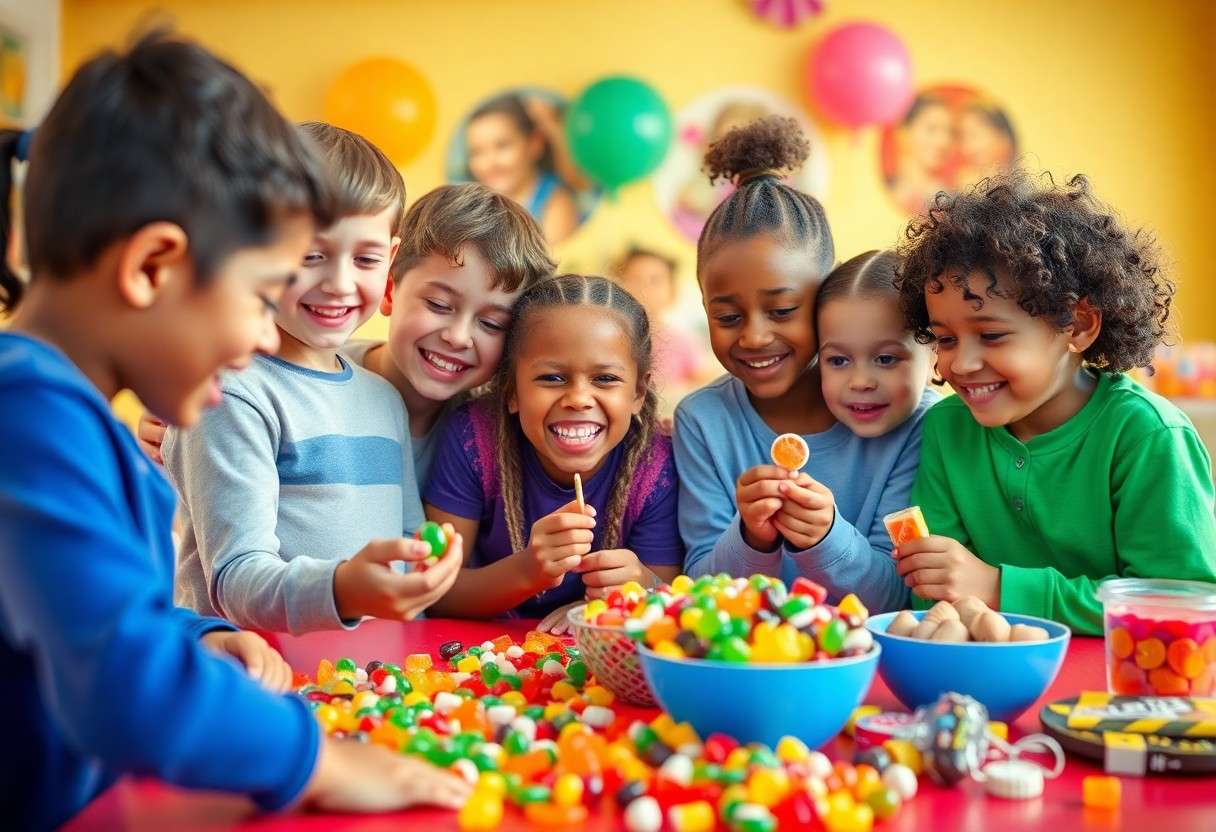
You may be surprised to learn that candy can play a beneficial role in supporting individuals with autism. The unique properties of certain candies, especially those that are tailored to sensory preferences, can help enhance focus, reduce anxiety, and promote positive behavior. By understanding the science behind why these sugary treats can be effective, you can make informed choices that align with your loved one’s needs. In this post, we’ll explore the various ways candy can serve as a supportive tool in autism care, shedding light on its impact and benefits.
The Role of Sugar in Neurological Function
Sugar and Brain Energy: Fueling Activity
Your brain utilizes glucose as its primary source of energy, and sugar is a quick form of glucose that can provide rapid fuel for cognitive functions. When you consume candy, the sugars are rapidly absorbed into the bloodstream, leading to a quick spike in blood sugar levels. This immediate influx of energy can lead to enhanced alertness, improved mood, and an overall boost in your ability to focus. For individuals with autism, who often experience challenges with attention and motivation, this swift energy source can be leveraged during times of need, such as during social interactions or learning activities. The short-term effects of sugar can empower your child to participate more fully in various situations, thereby enhancing their overall social experiences.
Glycemic Response: Regulation and Impact on Behavior
The body’s response to sugar intake is reflected in the glycemic response, which measures how quickly sugar enters the bloodstream after consumption. An ideal glycemic response helps maintain stable energy levels, which is particularly significant for individuals on the autism spectrum. For instance, fluctuations in blood sugar can lead to mood swings, irritability, and inattention. You may observe that certain sugary treats trigger these fluctuations, while others could provide a more balanced energy release. Long-term refined sugar consumption can lead to issues such as insulin resistance, which impacts not only physical health but also emotional and cognitive regulation. Understanding these connections can help you make informed choices about when and how to introduce candy as a supportive tool in your child’s daily routine.
Research Shines a Light on Behaviors: Studying glycemic responses in diverse populations, including those with autism, has indicated a potential link between blood sugar levels and behavioral patterns. In some cases, candy offers immediate energy that may lead to a surge in social and cognitive engagement, yet if paired with neglect of balanced nutrition, the subsequent crash could exacerbate behavioral challenges. Monitoring not just the quantity of sugar but its timing and pairing with other foods can assist you in harnessing positive effects while avoiding the pitfalls of poor glycemic control, thereby serving as a foundational part of an autism support strategy.
Ingredients that Matter: More than Just Sweetness
The composition of candy can significantly influence its effectiveness in autism support, extending far beyond just the sweetness that appeals to the palate. Various ingredients contribute to sensory processing and emotional well-being, with an emphasis on natural additives and nutritional components. Your choice in candy not only satisfies a craving but can serve as a source of comfort and stability, especially when the ingredients are thoughtfully curated to meet specific needs.
The Power of Natural Additives: Colors and Flavors
Natural colors and flavors in candy can enhance sensory experiences and stimulate taste and visual senses in a positive way. For example, using beet juice for coloring instead of artificial dyes not only renders the candy visually appealing but also aligns with a more wholesome approach. Flavors derived from fruits and herbs can evoke familiarity and enjoyment, helping to soothe anxiety or sensory overload. Additionally, specific natural flavors may have properties that promote relaxation, aiding you or your loved one in navigating challenging moments.
Nutritional Components: Vitamins and Minerals in Candy
While candy is often deemed a treat, some formulations include vitamins and minerals that can provide additional health benefits. Ingredients such as vitamin C, extracted from real fruits, can boost immunity and support overall health. Certain candies may include minerals like magnesium or calcium, which play important roles in brain health and function. Substituting calorie-dense sugars for nutrient-rich alternatives can turn a simple indulgence into a functional treat, enhancing well-being while delivering that sought-after sweetness.
This approach to candy formulation illustrates how dietary choices impact daily functioning, particularly for individuals with autism. Integrating micronutrients like B vitamins can support energy metabolism and cognitive performance. For instance, vitamin B6 contributes to neurotransmitter production, influencing mood and behavior. By selecting candies that prioritize these nutritional components, you actively contribute to a balanced diet, which may have a positive impact on your loved one’s cognitive function and emotional regulation.
The Link Between Mood and Treats: Emotional Connections
Candy as a Comfort: Creating Safe Spaces
Candy often acts as a source of comfort, along with the nostalgic feelings it can evoke. The tactile nature of candy, accompanied by its vibrant colors and appealing shapes, creates a multisensory experience. This can be particularly soothing for individuals with autism, who may find comfort in familiar routines and sensory stimuli. By incorporating candy into a safe space, you provide a tangible element that enhances feelings of security. Some parents have reported that offering candy during challenging situations, like dental check-ups or family gatherings, can significantly reduce anxiety and help manage difficult emotions.
Social Connotations: Fostering Connection through Shared Experiences
The act of sharing candy can become an important social ritual, offering opportunities for bonding and connection. In group settings, such as classrooms or family gatherings, sharing treats can break the ice, sparking conversations and creating feelings of inclusion. You may notice how simple acts, like passing a bowl of candy around, can ignite laughter and enhance social interaction, making you feel more included in the group dynamic.
Candy also provides a way to celebrate small victories and achievements, reinforcing positive behaviors. For instance, a teacher might use candy as a reward for participation in group activities, encouraging your child to engage with peers while making lasting memories. This not only enhances social skills but builds a sense of belonging and community, critical for emotional well-being and development.
The wonderful aspect of using candy to foster social connections lies in its universal appeal. A shared enjoyment of treats can transcend behavioral differences and create lasting friendships. You’ll find that simply enjoying a candy bar together or exchanging favorite sweets acts as a bridge, easing social anxiety and building camaraderie. It’s a shared experience that goes beyond taste, fostering memories and connections that can last a lifetime.
Mindful Consumption: Balancing Treats with Health
Finding a balance between enjoyment and nourishment isn’t just a matter of willpower; it’s about being deliberate in your choices. Incorporating treats like candy can provide sensory rewards and emotional comfort, especially for individuals with autism. However, this can lead to overindulgence if not managed well. By fostering a mindful approach to consumption, you can enjoy treats without sacrificing overall health. Consider integrating candies into your routine during structured times, reducing impulsive snacking and making it part of a planned treat rather than a random decision.
Your approach can also involve talking openly about preferences and feelings toward candy and other treats. Creating a space for your child or yourself to express whether a certain candy enhances their mood or sensory experience encourages conscious awareness of how food impacts emotional wellbeing. This dialogue can foster healthier food choices, equipping you to tackle cravings without the pressure of completely eliminating sweets.
Portion Control: Managing Sugar Intake for Stability
Portion control should be your best friend when it comes to enjoying candy without going overboard on sugar. Visual cues, like using smaller bowls, can help maintain appropriateness in servings. If you choose bite-sized candies, it naturally limits consumption while providing that needed treat satisfaction. A simple technique is to reserve a certain amount at the start of your time with treats; this not only establishes boundaries but also allows for anticipation and enjoyment of each piece. You can even involve your child in creating a “candy plan,” which delineates how many treats will be consumed throughout the week, fostering responsibility and ownership over their choices.
Monitoring the effects of sugar on behavior is another part of this balancing act. Keep track of how your child or yourself feels after consuming candy and look out for any mood swings that might result from sugar fluctuations. This information should guide future consumption patterns and establish an ongoing awareness of how different amounts of sugar affect your day-to-day stability.
Alternatives to Traditional Candy: Healthier Options that Satisfy
Exploring alternative candy options is an effective way to satisfy sweet cravings while keeping health in mind. Many brands now offer candies made with natural sweeteners, such as honey or agave, that reduce the high sugar content common in traditional sweets. Furthermore, fruit-based snacks like freeze-dried fruits or fruit leathers can provide that candy-like chewiness while delivering important nutrients. There are also numerous recipes available for making your own healthier treats at home. Incorporating ingredients like oats, nut butters, and dark chocolate can yield delicious snacks that feel indulgent without the drawbacks of conventional candy.
Additionally, consider choices that focus on enjoying flavors without sugar overload. Yogurt-covered treats or smoothies packed with berries can provide the sweetness you desire while being full of vitamins and minerals. Just remember to read labels and ensure any alternatives chosen are not loaded with hidden sugars or additives, maintaining that mindful consumption ethos. It’s about making smarter choices that keep the joy of treats alive while positively impacting overall health.
The Future of Candy in Autism Support: Research Implications
Innovative Approaches: Behavioral Interventions with Candy Use
In recent years, inventive strategies have emerged that incorporate candy into behavioral interventions for individuals with autism. Utilizing candy as a positive reinforcement tool can enhance motivation and engagement during therapeutic sessions. For example, you might observe that during skill-building activities, small pieces of candy are offered as rewards for completing tasks, which reinforces desirable behaviors. This not only makes the therapy more enjoyable but can also lead to increased cooperation and success rates in learning new skills and concepts.
Furthermore, the tactile and sensory attributes of candy can play a role in therapeutic practices. For some individuals, the physical act of handling colorful, textured candy can provide sensory stimulation, making the intervention more relatable and appealing. By integrating candy into learning environments, you create opportunities that resonate more with the sensory preferences of autistic individuals, leading to a richer therapeutic experience.
Ongoing Studies: Unpacking the Efficacy of Candy for Autistic Individuals
Research is increasingly focused on determining the effectiveness of candy as a tool for support in autism. Current studies are exploring how the strategic use of candy can enhance engagement and learning outcomes in therapeutic settings. For instance, trials that measure the impact of candy in reward systems show promising improvements in communication skills and social interactions among participants. This data assists you in understanding not only the motivational aspects of candy but also its potential role in fostering social connections.
As ongoing studies gather more comprehensive data, researchers are examining specific types of candy and their effects on various individuals within the spectrum. While some studies indicate a positive correlation between candy rewards and increased task performance, others aim to uncover potential negative repercussions on health and behavior. By closely monitoring variables such as sugar intake and behavioral responses, these studies create a more nuanced understanding of how candy can be utilized most effectively without compromising overall well-being.
To Wrap Up
Ultimately, understanding what makes candy effective for autism support begins with recognizing its potential to create positive reinforcement in various settings. When you incorporate candy as a reward for desired behaviors or accomplishments, it can foster motivation and encourage engagement. You can also use candy to facilitate social interactions, as sharing treats can serve as a delightful way to build relationships and improve communication skills. By strategically integrating candy into your approach, you create an enjoyable and rewarding environment that can positively impact the support you provide.
Your awareness of the sensory-friendly aspects of candy is another important factor. Many individuals with autism may appreciate the different textures and flavors available, which can serve as a comforting or enjoyable experience. By selecting the right types of candy that cater to your child’s preferences, you can enhance sensory exploration and reduce anxiety. Ultimately, utilizing candy thoughtfully in your support strategies can create a more inclusive and comforting atmosphere, making a meaningful difference in your child’s development and daily interactions.


