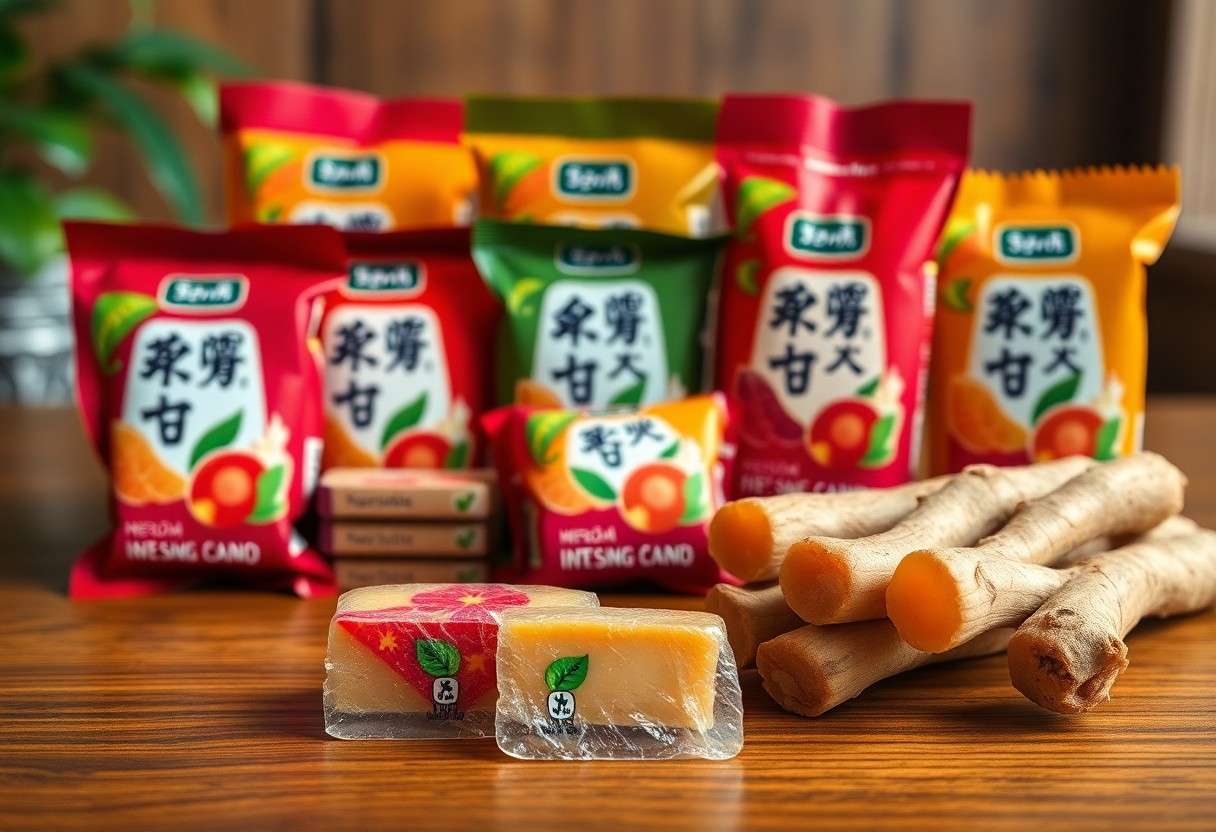
What Makes Candy Packaging Sustainable
You might be surprised to learn that the sustainability of candy packaging can significantly impact the environment. By understanding the materials used, the de

This article contains Amazon affiliate links. As an Amazon Associate, CandiesAndSweets earns from qualifying purchases.

You might be surprised to learn that the sustainability of candy packaging can significantly impact the environment. By understanding the materials used, the design process, and the end-of-life options for packaging, you can make more informed choices when it comes to your favorite treats. In this post, you will discover the key elements that contribute to sustainable candy packaging, the benefits of eco-friendly materials, and how these choices can help reduce waste and promote a healthier planet. Join us as we research into what truly makes candy packaging sustainable.
The Environmental Costs of Traditional Candy Packaging
Resource Depletion and Emission Footprint
Traditional candy packaging often relies heavily on petrochemical-based plastics, which contribute to significant resource depletion. The extraction of crude oil not only depletes finite resources but also disrupts local ecosystems and contributes to greenhouse gas emissions. You might be surprised to know that the production of a single ton of plastic can emit between 1.5 to 3 tons of carbon dioxide. Furthermore, the manufacturing process itself consumes considerable energy, further complicating the equation as a potential driver of climate change. As you enjoy your favorite confections, it’s vital to consider the hidden costs of the wrappers and packaging that conceal their delicious contents.
However, the environmental impact does not end with resource extraction. The entire lifecycle of traditional candy packaging, from production to transportation, accumulates a significant carbon footprint. Transporting these materials across long distances adds an additional layer of emissions. In fact, studies suggest that transportation alone can account for up to 15% of a product’s total carbon footprint. As you opt for your next sweet treat, think about the journey that its packaging took before it reached your hands.
Waste Management Challenges
The disposal and treatment of traditional candy wrappers pose significant waste management challenges. Many candy packaging materials, particularly multi-layered plastics and laminates, are not recyclable in standard facilities, leading to increased landfill waste. You might be surprised to learn that it is estimated that around 300 million tons of plastic are produced globally each year—and approximately 50% of that is single-use. This means that within a few minutes or hours of use, these wrappers often find themselves in a landfill, where they can take hundreds of years to decompose.
Incineration of non-recyclable materials releases toxic gases into the atmosphere, while landfills contribute to soil and water contamination. This creates a cycle of pollution that not only affects the immediate environment but also poses long-term health risks to communities nearby. Finding alternatives that can close the waste loop—such as compostable or biodegradable packaging—can not only mitigate these issues but also align more closely with a sustainable approach to consumption. Embracing these alternatives allows you to indulge your sweet tooth while minimizing your environmental impact.
Materials Matter: The Shift Towards Eco-Friendly Resources
Biodegradable and Compostable Options
Transitioning to biodegradable and compostable packaging is a game changer for the candy industry. When you choose packaging made from materials such as polylactic acid (PLA) derived from cornstarch or cellulose, you’re actively supporting a lifecycle that minimizes environmental impact. These alternatives break down more quickly in composting conditions—often within 90 to 180 days—compared to conventional plastics that can persist in landfills for hundreds of years. Imagine the positive contribution you could make by opting for candies wrapped in materials that return to the earth safely, enriching the soil instead of contributing to pollution.
Brands are increasingly recognizing the need for innovation in this area. For instance, companies like Tony’s Chocolonely are pioneering the use of compostable wrappers that not only maintain product freshness but also align with consumer preferences for environmentally responsible choices. As you select your favorite treats, consider how seamless sustainability can be integrated into your snacking experience through these forward-thinking solutions.
The Role of Recycled Materials
Utilizing recycled materials is another vital strategy in the quest for sustainable candy packaging. Products made from post-consumer recycled content, such as paper and certain plastics, significantly lessen the demand for virgin resources and reduce energy consumption. By supporting candies that are packaged using these materials, your choices can contribute to a circular economy where resources are continually reused rather than discarded. In fact, using recycled materials can save up to 60% of the energy needed to produce new materials from scratch, illustrating the clear benefits of this approach.
Case studies show that well-known brands like Mars have begun incorporating recycled materials into their packaging. The company announced an ambitious goal of making 100% of its packaging recyclable, reusable, or compostable by 2025. This movement reflects a broader trend within the confectionery sector, where companies are committing to transparency and sustainability. As you indulge in your favorite candy, take a moment to consider the broader implications of your choices and the role you play in promoting sustainable practices through your purchases.
Design Innovations Driving Sustainable Solutions
Minimalism and Reducing Material Use
Modern candy packaging is increasingly adopting minimalist designs that focus on reducing material usage without compromising the aesthetic appeal. By utilizing simple shapes and lightweight materials, brands are not only cutting down on waste but also saving costs in production and transportation. For instance, some companies have transitioned to flat cardboard strips for packaging instead of bulky boxes, which drastically reduces the volume of materials used. This innovative shift can result in a decrease of up to 30% in material consumption, contributing significantly to waste reduction. Your experience with candy purchases may soon involve more eco-friendly designs that prioritize efficiency and sustainability.
You might also notice changes in graphics and printed elements on packaging, where brands favor vegetable-based inks that are less harmful to the environment. This combination of minimalist structure and eco-conscious printing brings you a product that not only catches your eye but is also kinder to the planet. Your decision to choose candy with such thoughtful designs is a step towards supporting sustainable practices in the industry.
The Rise of Reusable Packaging Formats
Reusable packaging is gaining momentum as more brands recognize the value of designs that can be used multiple times and ultimately reduce waste. This approach encourages a new relationship between you and the products you purchase. For example, some companies offer candy in refillable containers, allowing you to bring the packaging back for a discount or a fresh refill of your favorite sweets. This not only reduces the volume of single-use packaging but also creates a community-oriented buying experience that deepens your engagement with the brand.
A vivid case is seen with reusable pouches and tins where brands like M&M’s have explored options that allow for a sustainable packaging loop. Customers can refill their reusable containers at select retailers, diminishing the reliance on traditional disposable wrappers. As you embrace these reusable formats, you’re contributing to a circular economy that promotes ethical consumption and waste reduction while enjoying your treats guilt-free. This approach is quickly transforming the candy landscape, making sustainable choices more accessible and appealing than ever.
Consumer Behavior: How Sustainability Influences Buying Decisions
The Demand for Transparency in Packaging
Consumers are increasingly prioritizing transparency when it comes to product packaging. You want to know not just what you’re buying, but also how it impacts the environment. Brands that provide detailed information about their packaging materials, production processes, and waste management efforts often see higher levels of trust and loyalty. For example, a survey by Nielsen revealed that 73% of global consumers are willing to change their consumption habits to reduce their environmental impact, highlighting a significant shift in behavior towards more environmentally responsible purchasing. The more transparent a brand is about its sustainability efforts, the more likely you are to choose their products over others.
Your preferences are noticeably influenced by a brand’s commitment to sustainability. If a candy company showcases how its packaging is made from recycled materials or how it minimizes carbon emissions during production, you’re more inclined to make a purchase. Brands like Lay’s, which has pledged to transition to 100% recyclable, compostable, or biodegradable packaging by 2025, are responding to this demand for transparency. You can now enjoy your favorite snack with peace of mind, knowing that the company is taking steps to reduce its ecological footprint.
The Impact of Eco-Labels and Certifications
Eco-labels and certifications play a substantial role in your decision-making process when it comes to sustainable candy packaging. Recognizable symbols, such as those from the Forest Stewardship Council or the Biodegradable Products Institute, provide reassurance that you’re purchasing from brands committed to environmentally responsible practices. When faced with multiple options, products bearing these eco-labels often stand out to you, greatly increasing the likelihood of a purchase. Statistically, products with such certifications can experience a sales increase of up to 20%, showcasing the power of these endorsements in shaping consumer preferences.
As you browse the aisles, certifications give you confidence in your choices. They simplify a complex sustainability landscape, allowing you to quickly assess which products align with your values. This not only influences your immediate purchasing decision, but can also foster long-term brand loyalty, as you tend to gravitate towards companies consistently committed to sustainable practices. Furthermore, a Nielsen report indicates that 66% of consumers are willing to pay more for sustainable brands, particularly if they feel assured by certifications.
The Industry’s Response: Regulatory and Corporate Initiatives
Government Policies Promoting Sustainable Packaging
You might be aware that various governments around the world are implementing policies aimed at reducing plastic waste and promoting sustainable packaging practices. For instance, the European Union’s Single-Use Plastics Directive, enacted in 2019, bans specific single-use plastic items and encourages the use of alternative materials in packaging. Countries like Canada have also pledged to ban harmful single-use plastics, creating a ripple effect for manufacturers, including candy producers, who are urged to innovate and adopt eco-friendlier packaging solutions. These regulatory frameworks not only seek to limit environmental impact but also incentivize businesses to invest in sustainable technologies.
Corporate Social Responsibility and Brand Commitment
Many candy brands are taking leaps in corporate social responsibility by embedding sustainability into their core business strategies. Major companies, such as Mars and Nestlé, have set ambitious goals to make 100% of their packaging recyclable or reusable by 2025. This commitment goes beyond mere compliance; it reflects a deeper understanding of the need for sustainable practices among consumers who are increasingly supportive of brands prioritizing environmentally responsible initiatives.
By actively engaging in sustainable sourcing, reducing carbon footprints, and increasing transparency about their supply chains, these brands position themselves as leaders in responsible consumption. Your purchasing decisions can directly influence these companies to uphold their commitments, as every eco-conscious choice acts as a vote for greener practices.
Final Words
Presently, understanding what makes candy packaging sustainable is vital for you as a consumer who is increasingly aware of environmental impact. Your choices matter when it comes to selecting products that incorporate eco-friendly materials, such as biodegradable, compostable, or recyclable options. You can look for packaging made from post-consumer recycled materials or those that are easily recyclable to minimize waste. Additionally, opting for brands that prioritize sustainability in their supply chains can influence industry practices and encourage more companies to adopt greener packaging solutions.
In your pursuit of sustainable candy packaging, you can also consider the size and function of the packaging itself. By choosing products with minimal or reusable packaging, you can further reduce waste and promote efficiency. Keep an eye out for certifications that indicate responsible sourcing and manufacturing processes to ensure your purchases contribute to a healthier planet. Ultimately, your informed choices can drive positive change in the candy industry and support a more sustainable future for everyone.