Why Some Candies Are Considered Luxury Items
It's fascinating to investigate into the world of confections, where some candies are elevated from everyday treats to luxury items. You might wonder what sets

This article contains Amazon affiliate links. As an Amazon Associate, CandiesAndSweets earns from qualifying purchases.
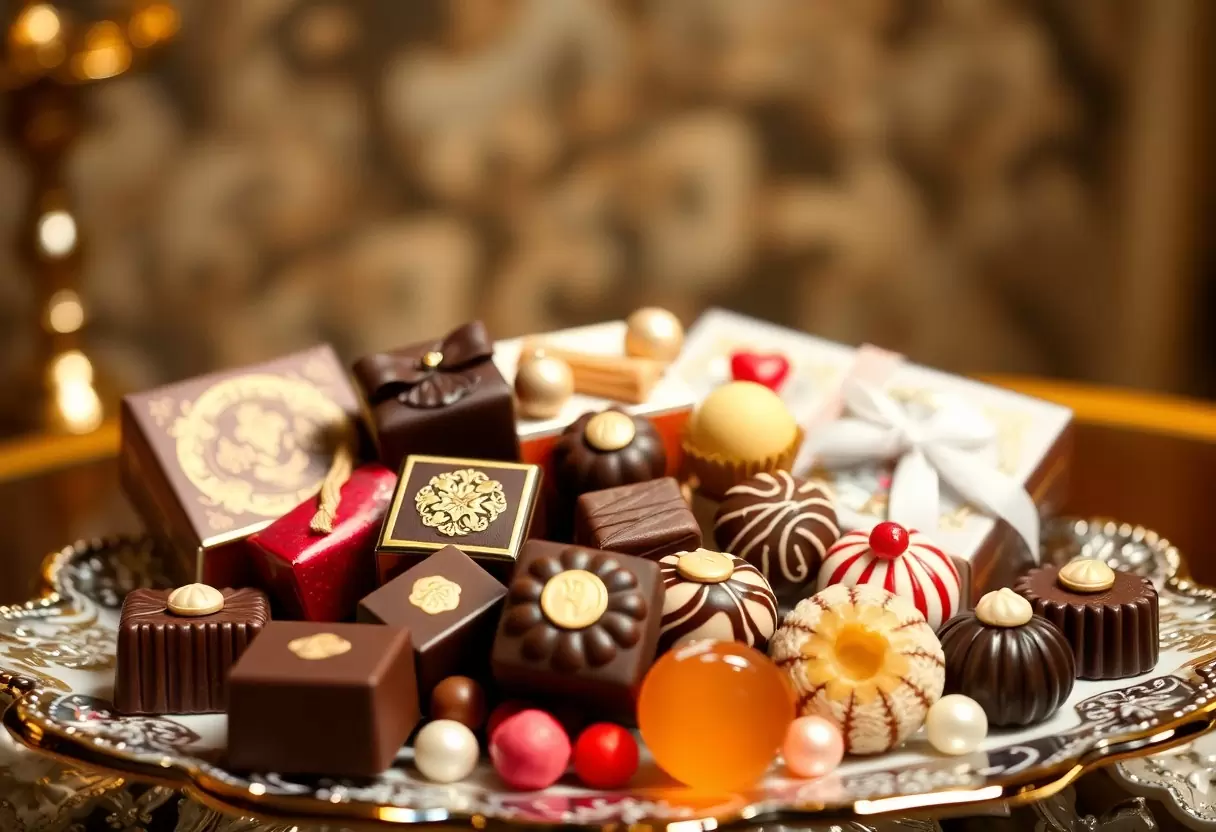
It’s fascinating to investigate into the world of confections, where some candies are elevated from everyday treats to luxury items. You might wonder what sets these indulgent sweets apart, and how their unique ingredients, craftsmanship, and branding contribute to their high status. By exploring the factors that define luxury candies—such as exclusive sourcing and meticulous production processes—you can gain a deeper appreciation for these decadent delights that tantalize your taste buds and elevate your snacking experience.
The Art of Craftsmanship: Why Quality Matters
Luxury candies often embody meticulous craftsmanship that sets them apart from mass-produced options. The focus on artisanal techniques means that each piece of candy is made by experts who have honed their skills over years, sometimes even decades. These artisans often utilize time-honored methods, which may include hand-stirring caramel, precisely tempering chocolate, or slowly infusing flavor with natural ingredients. Each of these techniques contributes to a richer, more complex flavor profile and a pleasing texture that you won’t find in conventional candies. The dedication to perfecting these processes adds a layer of artistry that transforms simple ingredients into culinary masterpieces.
Handcrafted Techniques and Unique Recipes
Crafted candies frequently showcase unique recipes that reflect a strong sense of identity and cultural heritage. For example, high-end chocolatiers might draw inspiration from traditional French techniques, blending them with unexpected flavors like sea salt and olive oil or exotic spices like cardamom. The end product is not only a treat for your taste buds but also a journey through time and place. This focus on unique recipes allows luxury candy makers to offer creations that are not only delicious but also distinctive, making each experience memorable.
The Role of Fine Ingredients and Sourcing
The selection of high-quality ingredients is another pillar of luxury candy craftsmanship. Top-tier chocolate makers often source organic cacao from specific regions known for their unique flavor characteristics, such as Madagascar or Ecuador. Each region produces beans with distinct taste notes, which contribute to the overall flavor profile of the candy. Additionally, utilizing organic, non-GMO, and ethically sourced components demonstrates a commitment to sustainability and quality that resonates with discerning consumers who value transparency in sourcing.
In luxury candies, the sourcing process often involves relationships with small farmers and producers, ensuring that the ingredients selected are not only of the highest quality but also ethically obtained. This commitment elevates the value of luxury candies since you’re not just enjoying a treat; you’re participating in a broader story of sustainability and ethical responsibility. Products made with rareness in mind often come with higher price tags, but the flavor and experience they offer can justify the investment, making you feel good about your choice to indulge in exquisite confections.
Branding and Perception: The Luxurious Image
Your perception of luxury candy is often shaped by branding strategies that go well beyond the flavor of the product itself. High-end brands like Amedei or Sprüngli use sophisticated packaging and storytelling to create a narrative around their products, enticing you to see them as indulgences rather than simple treats. The careful curation of ingredients, combination of flavors, and meticulous craftsmanship all contribute to this luxurious image. You’re not just buying a chocolate; you’re investing in an experience that promises sophistication, exclusivity, and a touch of elegance. Each brand builds its identity using a blend of visuals and messaging that evoke feelings of luxury, refinement, and a lifestyle that you aspire to.
With luxury candies, limited editions and exclusivity often play pivotal roles in enhancing their luxurious appeal. Brands release small batches of items with unique flavors or artisanal designs, making these candies not just a treat but a collectible experience. For instance, some chocolate makers introduce seasonal or limited-time offerings, driving consumers to act quickly before the opportunity slips away. This urgency creates a perception of rarity that further elevates the status of the product. When you own a box of limited edition chocolates, it feels special, as if you hold a piece of confectionary art that not everyone can access.
Limited Editions and Exclusivity
Exclusivity serves as a powerful marketing tool in the luxury candy sector. By releasing products in limited quantities, brands create a sense of scarcity that appeals to your desire for unique experiences. You’re more likely to view a luxury candy as an extravagant treat if you know only a select few have had the chance to enjoy it. This strategy not only fuels demand but also encourages collectors to seek out these rare items, further connecting the candy with a sense of status and distinction.
Seasonal flavors or collaborations with renowned chefs can heighten this exclusivity. A brand like La Maison du Chocolat occasionally partners with artists to create visually stunning, limited-edition boxes that speak to both gastronomic and visual artistry. As a result, the mere act of purchasing becomes a privilege, an access point to a world of refined tastes and artistry that few can claim for themselves. It’s this connection between limited offerings and a sense of exclusivity that makes luxury candies not just about taste, but about status.
Subtle Marketing Strategies that Elevate Status
Subtle marketing tactics employed by luxury candy brands ensure that you perceive their products as symbols of status. The choice of premium ingredients is paraded as a mark of quality, and stories about sourcing organic cacao or collaborating with local farmers become part of the brand narrative. You’re engaged through storytelling that emphasizes sustainability and ethical practices, further enhancing the allure of the product. Packaging also plays a pivotal role in how you experience these candies; striking visuals using high-quality materials like glass or unique textures can transform the simple act of unwrapping a chocolate into a moment of unadulterated indulgence.
Beyond the physical attributes, the emotional connection created through these subtle marketing strategies is what truly elevates the candy’s status. You’re invited into a world where the experience of enjoying candy carries with it associations of sophistication and luxury. Consider how limited-edition releases or collaborations with prestigious chefs prompt excitement and exclusivity; these strategies not only drive sales but also reinforce your perception of the brand as a purveyor of luxury. This continuous engagement and relationship building ensures that luxury candy remains not just a product, but a lifestyle that you aspire to embrace.
Cultural Significance: Candies in High Society
Historical Associations with Affluence
Your understanding of luxury candies begins to deepen when you consider their historical ties to wealth and privilege. For centuries, confections made from sugar and chocolate were accessible only to the affluent classes, as the ingredients were both rare and expensive. During the Renaissance, for example, sugar was proof of social status, enjoyed in elaborate displays at aristocratic banquets, often crafted into intricate sculptures. The introduction of cacao from the Americas transformed chocolate into a coveted item throughout Europe, especially in royal courts, where it was consumed in various forms, from drinking chocolate to ornate confections. This historical precedent set the stage for candies to be symbols of opulence and exclusivity, often reserved for moments of celebration or as gifts among the elite.
Candies as Status Symbols in Contemporary Culture
artisanal chocolates promote a sense of exclusivity, presenting an image of sophistication and taste aligned with luxury lifestyles. Consumers often find themselves drawn to limited edition or elegantly packaged confections, which signify indulgence and refinement.
confectionery preferences can thus play a vital role in your social narrative, grounding your identity in the heritage of indulgence and exclusivity that candies embodied throughout history.
Sensory Experience: Beyond Taste
Aesthetic Presentation and Packaging Effects
A luxurious candy experience begins long before the sweet morsel even touches your lips. Elegant packaging often distinguishes high-end chocolates and confections from their more pedestrian counterparts. Brands like Pierre Marcolini or La Maison du Chocolat prioritize not just the quality of their candies but also how they present them. Think of beautifully wrapped boxes, intricate designs, and use of premium materials such as embossed paper or metallic finishes that draw your eye and communicate a sense of exclusivity. This attention to detail generates anticipation, transforming the act of unwrapping into a ritual that heightens your sensory engagement.
Multi-Sensory Engagement: Taste, Smell, and Sight
The true allure of luxury candies lies in their ability to engage multiple senses simultaneously. It starts with the rich aroma of premium ingredients like Madagascar vanilla or single-origin cacao that tantalizes your sense of smell even before you take a bite. The flavors are often crafted to be complex, drawing on unique pairings that surprise and delight your palate. When you consider haute chocolatiers who source their ingredients sustainably, this attention to sourcing and flavor profile results in an exceptional multi-sensory experience.
Incorporating visual elements such as vibrant colors, exquisite designs, and innovative shapes elevates the candy beyond mere confection, turning it into a sensory masterpiece. For example, you might encounter chocolates that appear as tiny sculptures, where the artistry has been meticulously crafted to garner attention. This emphasis on sight and smell creates an immersive experience, as each chocolate you encounter becomes an invitation to explore and savor.
In luxury confections, each facet adds layers to your sensory experience. The crunch of a delicate praline, the smooth texture of fine ganache, or the unexpected pop of flavor in a gourmet jelly can transport you to another world. Additionally, how the candy looks and smells before you indulge has a significant impact on your overall enjoyment. This multi-sensory approach not only captures your attention but also fosters emotional connections, making every piece of luxury candy a memorable experience rather than just a quick treat.
The Economics of Indulgence: Pricing and Demand Dynamics
Supply Chain and Production Costs
The production of luxury candies often features a complex supply chain that meticulously sources high-quality ingredients. These can include exotic chocolates sourced from specific cocoa farms known for their unique flavor profiles, as well as rare fruits or nuts that are harvested in limited quantities. Such ingredients command premium prices—not just because of their rarity, but also due to the rigorous standards maintained throughout their cultivation and harvesting processes. Each step, from bean to bar, is designed to ensure the finest quality, which inherently increases both production costs and retail prices, paving the way for luxury positioning in the market.
Your experience with luxury candy isn’t just about taste; it’s also tied to the processes that elevate these products. For example, artisanal chocolate makers might invest considerable resources into handcrafting their confections, utilizing techniques that have been honed over generations. This painstaking attention to detail results in a final product where every flavor and texture is meticulously balanced. These added layers of production contribute not only to the overall cost but also enhance the perceived value among discerning consumers who are willing to pay more for a truly unique indulgence.
Consumer Psychology Behind Willingness to Pay
The psychology behind your willingness to pay a premium for luxury candies often hinges on the allure of exclusivity and luxury branding. Studies indicate that consumers associate higher-priced items with superior quality and craftsmanship. In this context, luxury candies are perceived not merely as treats but as experiences or status symbols, allowing you to signify your taste and discernment to others. Brands often capitalize on this notion by emphasizing their artisan production methods, exotic ingredients, and packaging that exudes opulence, further enhancing your emotional connection to the product.
Additionally, it’s not just about the taste; purchasing luxury candies fulfills a desire for indulgence and escapism. Whether it’s celebrating a special occasion or simply treating yourself, the act of indulging in a high-priced confection provides instant gratification, positively reinforcing future spending behaviors. Your purchase effectively becomes a statement of self-worth and sophistication, driving demand for these luxury treats regardless of economic factors. The positive reinforcement associated with such purchases serves to justify and even amplify your inclination to opt for finer options in the candy aisle.
This phenomenon transforms luxury candies into more than just food; they evolve into artifacts of culture and society, deeply intertwined with individual identity. When a particular brand employs sophisticated marketing strategies that evoke emotions and aspirations, it compels you to associate personal success and high standards with indulgent treats. This explains why, even in times of economic strain, there remains a loyal segment willing to invest in these sugary luxuries—a testament to the remarkable power of consumer psychology in indulgence.
Conclusion
Drawing together the various elements that contribute to the status of certain candies as luxury items, you can appreciate that it’s not just about taste but also about craftsmanship, quality ingredients, and presentation. These factors come together to create a unique experience that elevates indulgence to a new level. When you savor a finely crafted chocolate or a beautifully packaged confection, you are engaging in a sensory journey that reflects the artistry and passion of the creators behind these delicacies.
Your understanding of luxury candies helps you recognize that they often serve as a form of self-expression or celebration. Whether for gifting or personal enjoyment, these treats are more than just sugary delights; they represent a commitment to quality and an appreciation for the finer things in life. In your pursuit of sweetness, consider how these elements influence your experience and why investing in luxury candies may bring you not just satisfaction, but also a deeper enjoyment of the art of confectionery.


