Why Some Candies Make You Pucker
Candies can evoke a range of taste experiences, and some are well-known for their tartness that makes you pucker. This phenomenon primarily occurs due to the pr

This article contains Amazon affiliate links. As an Amazon Associate, CandiesAndSweets earns from qualifying purchases.
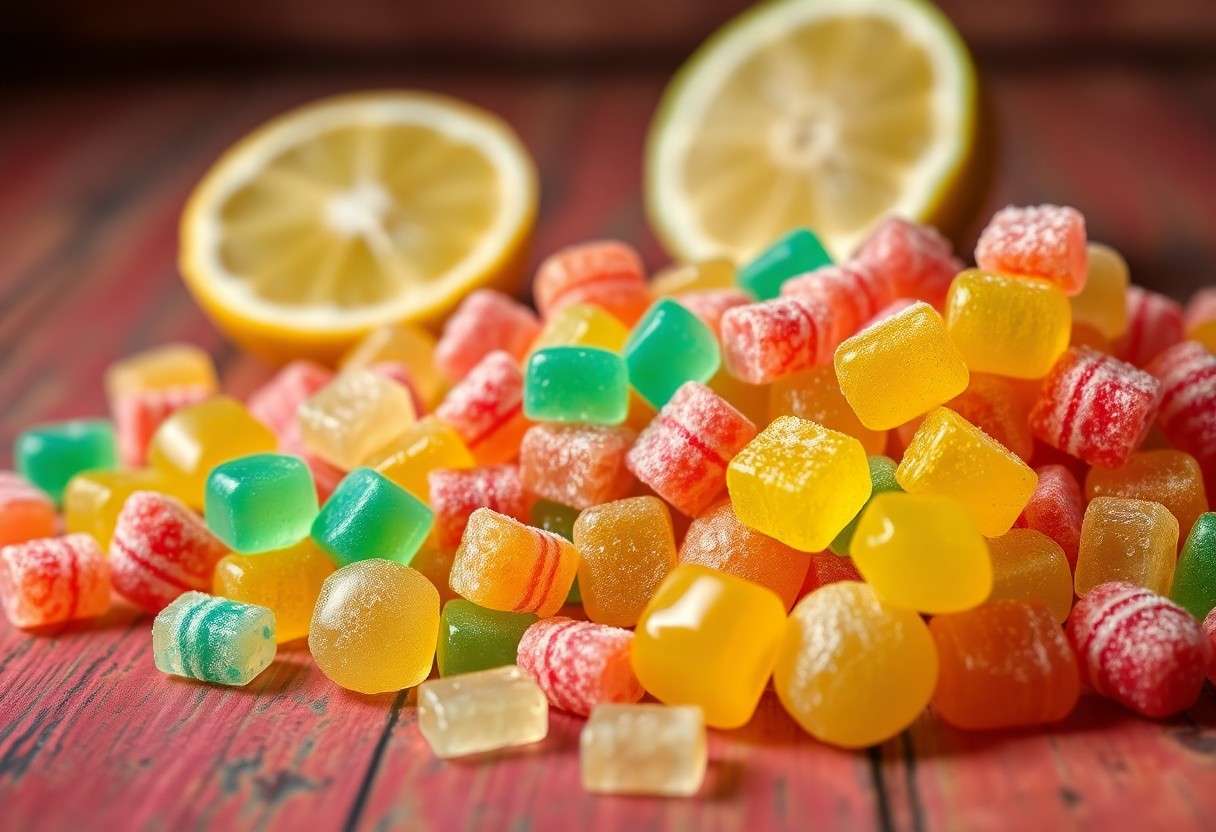
Candies can evoke a range of taste experiences, and some are well-known for their tartness that makes you pucker. This phenomenon primarily occurs due to the presence of sour ingredients, such as citric acid and malic acid, that stimulate your taste buds. These acids interact with the receptors on your tongue, triggering a response that can feel both shocking and delightful. In this post, you will discover the science behind the sour sensations of various candies and learn why some treats can leave you leaning back in your seat while reaching for more.
The Science of Sour: How Acids Create the Pucker
The Role of Citric Acid and Malic Acid in Candies
Citric acid and malic acid are predominant in many popular sour candies. Citric acid, naturally found in citrus fruits like lemons and limes, contributes a sharp, tangy flavor that can make your taste buds tingle. Malic acid, on the other hand, is often associated with the green apple flavor and provides a more complex, fruity sourness. Both acids activate your taste receptors, sending signals to your brain that create the pucker effect. Many manufacturers blend these acids to achieve a perfect balance, ensuring the sour punch is just right without overwhelming the candy’s sweetness.
The effectiveness of these acids in eliciting a pucker response is further enhanced by their concentrations. Take, for example, a classic sour gummy worm, which often boasts a high citric acid coating. This sticky layer packs a sour punch that can initiate an immediate reaction, sparking that delightful pucker you associate with sour treats. The balance between sweet and sour is imperative to create a satisfying candy experience, keeping you reaching for another bite (or three) despite the initial shock to your senses.
pH Levels and Human Taste Perception
Your perception of taste is intricately linked to the pH levels of the foods and candies you consume. A lower pH indicates higher acidity, which intensifies the sour flavor. Most sour candies tend to have a pH below 4.0, making them tangy and refreshing rather than simply bitter or unpleasant. Your taste buds are particularly sensitive to acids, which evoke stronger sensory reactions compared to other flavor profiles. This sensitivity can lead to intense experiences when you taste sour candies, as your body instinctively responds to the acidic nature.
In fact, some of the most tart candies can have a pH level as low as 2.0, akin to that of vinegar or lemon juice. This acidity heightens your taste perception and stimulates saliva production, which can further enhance the overall experience. The interplay of sugars and acids creates a balance that not only makes the candy enjoyable but also keeps you intrigued with its flavor complexities.
The Chemistry Behind Flavor Reactions
The Maillard Reaction and Its Effect on Sourness
You might be surprised to learn that the Maillard reaction, a well-known chemical process that occurs during the cooking of proteins and sugars, can also influence the sour flavor in some candies. This reaction typically takes place at elevated temperatures, resulting in the browning of food and the development of complex flavors. In candies, certain sugars interact with amino acids during the cooking process, creating a diversity of flavor compounds. Depending on the specific ingredients and their ratios, these compounds can introduce a slight sourness that may enhance your overall tasting experience, contributing that irresistible pucker to the final product. This is why you may find that some sour candies have underlying flavors that are not immediately identified as sour but complement the acidity beautifully.
| Influence on Flavor | Creates complex flavors through sugar and amino acid interaction. |
| Temperature Dependency | Occurs at higher temperatures, common in candy cooking processes. |
How Temperature Influences Taste Sensation
The temperature of your candy can significantly affect how you perceive its taste. When candies are served at warmer temperatures, your taste buds become more sensitive to sweetness, which may mask some of the sour notes that you would normally experience. In this state, the combination of warmer candy and the presence of citric or malic acids might lead to a burst of flavor that feels zestier yet less sharp than cooler alternatives. Conversely, colder candies tend to emphasize sourness, letting the acidic components hit your palate more directly, creating that familiar pucker. Adjusting the temperature of your candy consumption can thus be an enjoyable experiment in flavor perception.
| Warm Candies | Reveal more sweetness, potentially softening sour sensations. |
| Cold Candies | Highlight acidity and enhance pucker reactions with pronounced sourness. |
As you explore different candies at varying temperatures, you’ll likely notice a spectrum of flavors that could surprise you. The interplay between heat and flavor compounds not only invites curiosity but also encourages experimentation. Trying a sour candy that usually makes you pucker at room temperature can be a different experience when it’s slightly chilled, revealing a new dimension of its flavor profile. Engaging with candy in this way transforms each piece into an evolving taste adventure that’s just waiting for you to discover.
The Evolution of Sour Candies: A Cultural Perspective
Historical Context of Sour Treats Across Different Cultures
Sour treats have graced the tables of various cultures throughout history, often symbolizing not just flavor, but the brandishing of creativity in food preparation. In ancient Egypt, for instance, sour flavors were frequently achieved through the fermentation of fruits, leading to delicacies that tapped into natural acidity. Beyond Europe, in Asia, tamarind plays a central role in sour snacks, celebrated for its tangy taste. This cultural perspective reveals that the love for sourness transcends geographical barriers, intertwining with customs, rituals, and gastronomy. The incorporation of sour flavors into meals ranged from tart yogurt and fermented pickles in Eastern Europe to sourdough bread—a fermentation practice originating thousands of years ago—which formed an vital part of the daily diet.
The Rise of Sour Candies in Modern Confectionery
The popularity of sour candies surged in the latter half of the 20th century, coinciding with the birth of commercial candy production. Brands like Sour Patch Kids and Warheads emerged, capturing the fascination of candy enthusiasts with their tantalizing and bold flavors. As your taste buds called for something more acidic, these brands capitalized on that desire by inventing candies designed to deliver an intense sour punch, often followed by a sweet finish. Market trends reflect your evolving preferences, showcasing sour candies as not just a snack, but an adventure that has inspired numerous flavor combinations and innovations throughout the years.
The rise of sour candies also mirrors broader trends in consumer behavior, where the thrill-seeking mindset influences food choices. As you notice candies with increasingly daring flavor profiles, manufacturers have introduced unprecedented sour levels, appealing to a demographic eager to test the limits of taste. This has sparked a proliferation of sour-flavored products, even transcending traditional candies into realms like drinks, snacks, and desserts. Yours is a generation that thrives on experience, and sour candies undeniably position themselves as an embodiment of that exploratory spirit, continuously pushing the boundaries of sweetness and sourness in harmony.
The Psychological Appeal of Sourness
Why We Crave Sour: The Intersection of Pain and Pleasure
Your brain responds to sour flavors by releasing a cocktail of neurotransmitters that can elicit feelings of excitement and pleasure. This is a fascinating interplay between pain and pleasure; sourness, often perceived as a form of mild discomfort, triggers a rush of adrenaline which can be exhilarating. The sour taste is linked to evolutionary survival instincts; a sharp flavor often indicates that a food may be spoiled or harmful, yet this same discomfort can be addressed through the enjoyment of intentionally sour candies. The thrill of a sour candy can be likened to riding a roller coaster: a challenge you embrace because you enjoy the sensation of conquering it.
This sweet-and-sour dynamic creates a sort of “thrill-seeking” behavior. Engaging with sour foods allows you to experience a sensory adventure, pushing your taste buds to their limits. The unique phenomenon of the “pucker” response, where the taste receptors react strongly to sour stimuli, has not only led to a compelling and memorable eating experience but also a sense of triumph when you manage to savor the flavor rather than recoil from it.
Marketing Strategies That Spotlight Sourness
Marketers have adeptly tapped into the nostalgia and thrill associated with sour candies, crafting campaigns that evoke a sense of adventure. Techniques include emphasizing bold flavors, catchy slogans, and vibrant packaging that grabs your attention. Campaigns often showcase the exhilaration of sourness through unique tasting experiences and challenges—think sour taste contests or limited-edition flavors that amplify the pucker-factor. Brands like Warheads and Sour Patch Kids capitalize on both the intensity of the flavor and the playful way it can test your limits, creating a robust community of enthusiasts.
Additionally, social media platforms amplify the buzz surrounding sour candies by encouraging user-generated content sharing “sour challenges.” This creates a sense of belonging among fans, as they voluntarily partake in visual expressions of their experiences. Hashtags like #SourChallenge generate engagement while simultaneously inviting newcomers to witness the daring and enticing nature of going sour. With growing trends in experiential marketing pushing brands to create live events centered around taste tests, the appeal of sour will likely continue to thrive as companies innovate and find new ways to keep you hooked on that electrifying taste experience.
Crafting the Perfect Sour Candy: A Manufacturer’s Guide
Ingredient Selection for Optimal Sour Flavor
Choosing the right ingredients is the foundation of any great sour candy. The most effective sour candies often utilize food acids such as citric acid, tartaric acid, and malic acid. Each of these acids contributes a unique flavor profile; for instance, citric acid provides a bright and zesty taste reminiscent of citrus fruits, while malic acid imparts a sharper, more intense sourness, often found in green apples. Manufacturers frequently experiment with varying concentrations of these acids to achieve that perfect level of sour intensity that compels consumers to reach for another piece.
A blend of natural and artificial flavors can also enhance the sour experience. Sour fruit flavors such as lemon, lime, and cherry not only complement the tartness of the acids but can also add layers of complexity to the taste. Some manufacturers create signature blends that include various fruit flavors to make their candies stand out on the shelf, maintaining a balance that captivates sour enthusiasts and new consumers alike.
Balancing Sweetness and Sour for Consumer Satisfaction
Striking the right balance between sweetness and sourness is often what sets exceptional sour candies apart from the rest. You might find that a hint of sweetness, provided by sugars or sweeteners like dextrose and aspartame, serves to moderate the intensity of the sour flavors without overshadowing them. This equilibrium is crucial in making sure your product appeals across a broad audience, as candy lovers often prefer a flavor experience that is nuanced rather than one-dimensional.
The ideal ratio typically falls around a 2:1 balance of sweet to sour, allowing the tartness to hit your palate first before the sweetness gently surfaces. By continuously conducting consumer taste tests and gathering feedback, you can fine-tune this ratio to cater to specific demographics, ensuring satisfaction. Ideally, the goal is to create a mouthwatering sensation that delivers that delightful pucker without overwhelming the taste buds.
This balancing act goes beyond ratios—texture and mouthfeel also play a vital role in consumer perception. Chewy or gummy candies enhance the delivery of the flavor profile, while crunchy varieties can add an additional auditory appeal, making the experience multi-dimensional. Incorporating innovative textures alongside your sweet-sour balance can create an engaging candy that keeps consumers coming back for more.
Conclusion
As a reminder, the unique experience of taste you encounter when eating certain candies that make you pucker can be attributed to the presence of acids and tart flavors. These elements, often found in sour candies, stimulate your taste buds in a way that creates an intense reaction, leading to that irresistible yet sharp sensation. Knowing how your taste receptors work allows you to appreciate the intricate relationship between sweetness and acidity in your favorite treats.
Understanding why some candies elicit such strong reactions illustrates not just the complexity of flavor perception, but also the artistry behind candy-making. Next time you indulge in a tangy delight, consider how the balance of flavors plays a significant role in your enjoyment. By exploring the ingredients and their effects on your taste experience, you can enhance your appreciation for the delightful world of confections.


