Why Some People Hate Certain Candy Textures
Candy comes in a variety of textures, from chewy gummies to crunchy chocolates, and your preferences can significantly affect your enjoyment. You might find you

This article contains Amazon affiliate links. As an Amazon Associate, CandiesAndSweets earns from qualifying purchases.
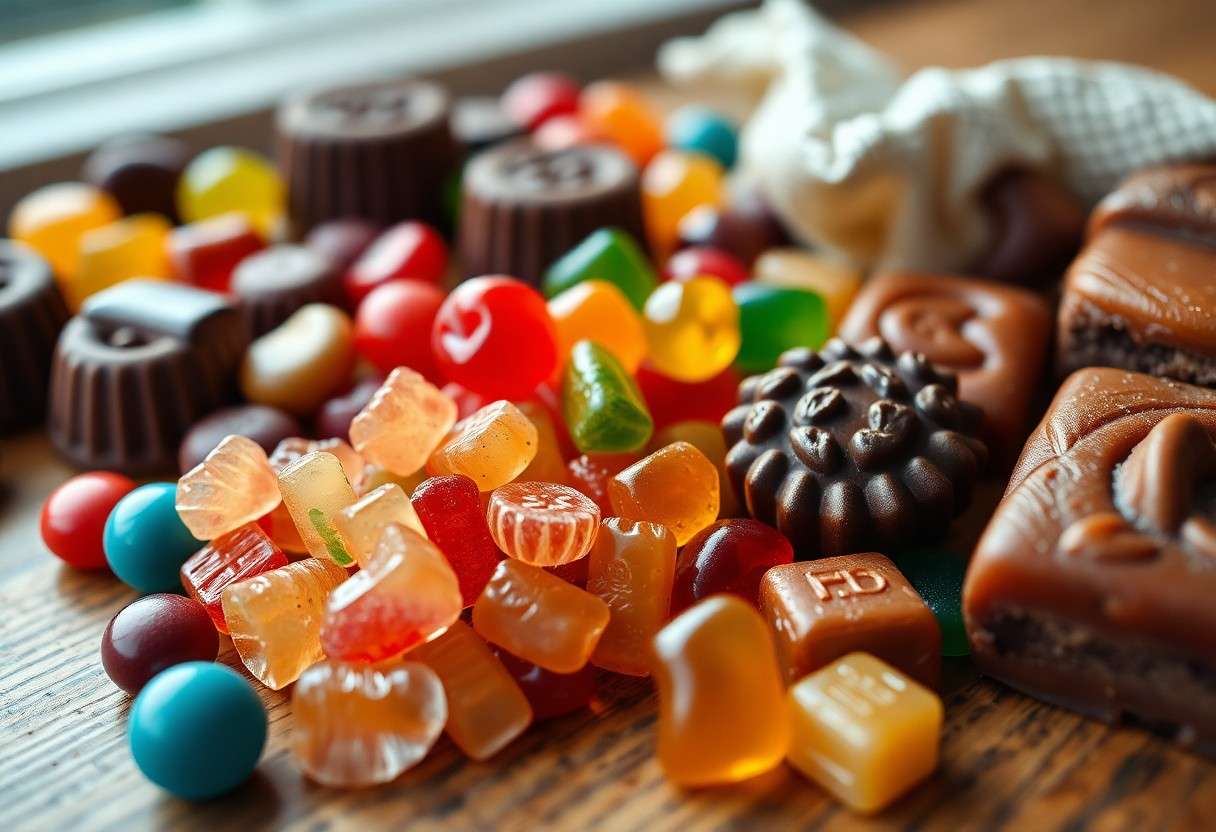
Candy comes in a variety of textures, from chewy gummies to crunchy chocolates, and your preferences can significantly affect your enjoyment. You might find yourself repulsed by certain textures, and this aversion is rooted in both psychological and sensory responses. Factors such as personal experiences, genetic predispositions, and even cultural influences may shape your feelings toward specific types of candy. Understanding why certain textures turn you off can provide insight into your taste buds and help you navigate your candy choices more effectively.
The Psychology of Texture Preferences
Evolutionary Background of Texture Sensitivity
Your aversion to certain candy textures may have deeper roots than you realize. Throughout human evolution, sensitivity to texture likely played a critical role in dietary survival. Our ancestors relied on texture as a guide for determining the edibility and, by extension, safety of food. For instance, rough or fibrous textures could signal the presence of potentially harmful, spoiled, or inedible items, while smooth and soft textures might suggest freshness and safety. You can see this preference reflected in modern dietary habits, where many people are instinctively wary of fruits and vegetables that appear overly bruised or have a gritty texture, favoring those that are more palatable. This instinctive reaction to texture helps you navigate a complex food landscape, ensuring the selection of safe and nutritious options.
chocolate bar or the gritty feel of a nougat, can evoke strong feelings of nostalgia or disgust based on past experiences. These emotional ties have an evolutionary basis, as they help shape your preferences over time. Your brain creates associations between taste and sensory experiences, leading to the development of strong preferences or aversions that transcend mere taste.
The Role of Personal Experiences and Conditioning
Your personal experiences significantly shape your attitudes toward various candy textures. For instance, if you recall a childhood instance where you bit into a stale marshmallow, the unpleasant texture may have set off a lifelong aversion. Associative learning plays a pivotal role in this process; it’s not only about the taste but also the texture that your brain remembers from these formative moments. In essence, negative experiences can condition you to develop a dislike for specific candy types, leaving lasting impressions that affect your choices even decades later.
The blend of conditioning and personal experiences is particularly fascinating when considering cultural influences. Perhaps you grew up in a household where candy was strictly soft and chewy, leading to an aversion to the hard, crunchy options. Alternately, if a certain candy was a staple at family gatherings and had a particular texture, it might evoke fond memories, making you appreciate and seek out that specific candy or texture in the future. Preferences are shaped by more than just individual taste; they often arise from rich tapestries of experiences that create complex associations in your mind.
When dissecting the role of personal experiences and conditioning further, it’s clear that these influences are not standardized; each person’s relationship with candy textures is unique and multifaceted. For example, you might find that your sibling relishes the crunch of a hard candy, while you find it off-putting due to a childhood incident. These diverging experiences illustrate how texture preferences can stem from deeply ingrained memories, consequently impacting your candy choices well into adulthood. The psychological interplay between your past and present choices adds layers to your overall relationship with food and candy, fostering a more significant understanding of your texture aversions.
Unpacking Texture Dislike: A Sensory Analysis
How Texture Influences Taste Perception
Texture plays a critical role in how you perceive flavors. When you bite into a candy, your mouth experiences an array of sensations—crunchy, soft, creamy, or gritty. Each of these textures interacts with your taste buds and can enhance or even detract from sweetness or bitterness. For instance, a chewy candy may create a prolonged release of sugar, extending the sweetness and letting you savor the flavor for longer. On the other hand, a grainy texture might overshadow these flavors, leading you to perceive it as unpleasant. Studies have shown that consumers often prefer candy with textures that match their expectations of the flavor; a soft chocolate is expected to be creamy and indulgent, while a hard candy might be anticipated to deliver a sharp, robust flavor that is released gradually.
The Science of Oral Sensory Evaluation
Your mouth is a complex sensory organ that evaluates the texture of food through a combination of tactile and proprioceptive signals. Oral sensory evaluation involves the brain interpreting these signals, allowing you to distinguish between a smooth chocolate and a gritty caramel. A 2015 study in the journal “Sensory Processes” indicates that the mouth detects five main sensory attributes: firmness, cohesiveness, viscosity, and astringency. Each of these characteristics can alter your overall enjoyment of candy. For example, high viscosity in a gummy candy can create a pleasurable stickiness that enhances satisfaction, while overly tough gummies may lead to frustration, pushing you toward avoidance.
Understanding oral sensory evaluation can shed light on why certain textures provoke strong reactions. Sensory scientists utilize methods like texture profile analysis to quantify how different attributes impact overall enjoyment. For instance, they can measure the hardness of a candy or its stickiness to create a comprehensive picture of how it might be perceived by consumers. This analysis reveals that texture not only impacts your personal preferences but also influences broader market trends, as manufacturers experiment with different textures to meet consumer demands.
The Impact of Culture and Environment on Candy Texture Preferences
Regional Variations in Candy Choices
Your candy preferences often reflect your cultural background and the environment in which you were raised. Different regions have distinctive candy options that can shape your texture perceptions. For instance, in the United States, you may find a plethora of gummy and chewy candies like Sour Patch Kids and Haribo, which can create a lasting fondness for these particular textures. In contrast, if you grew up in a country where hard candies or nougats are more prevalent, you might develop a strong affinity for these textures instead. The local palate influences what you consider a treat, leading to a rich variety of preferences across geographical lines.
Childhood Memories and Their Lingering Effects
The bond you have with certain candy textures often traces back to your childhood experiences. Nostalgic memories associated with specific candies can create a lasting impact on your current preferences. For example, if you recall enjoying cotton candy at a fair or biting into a Snickers bar during family movie night, those fond moments solidify your love for those particular textures. When you’re confronted with a similar texture in adulthood, it can evoke strong feelings of happiness or comfort, making you more likely to gravitate toward those treats when selecting candies.
The Polarizing Debate: Chewy vs. Crunchy
The Debate Among Candy Enthusiasts
You might find yourself in a crowd of candy lovers divided sharply between chewy and crunchy aficionados. For some, the elastic texture of a classic taffy or gummy bear brings delight and nostalgia, evoking childhood memories of chewing for what feels like hours. Others, however, crave the satisfying snap of a crunchy candy—think of the crisp shell of an M&M or the crackling sound of a chocolate-coated pretzel. This divide isn’t just a matter of personal preference; it often leads to passionate discussions about mouthfeel, sensory experiences, and the overall enjoyment derived from candy consumption.
Health and Dietary Implications of Texture Choices
Navigating Candy Aisles: Strategies for Texture Avoidance
Label Reading and Ingredient Awareness
As you stand in the candy aisle, deciphering labels can become your best ally in steering clear of undesirable textures. Many candy brands now provide detailed ingredient lists, allowing you to identify specific components that might be texture culprits, such as gelatin, corn syrup, or certain artificial additives. Familiarizing yourself with terms like “chewy,” “gummy,” or “crunchy” can also help you make informed choices quickly. Knowing which textures turn you off will guide your selections toward alternatives that are more aligned with your preference, saving you from unexpected mouthfuls of unpleasant candy.
Helping your taste buds thrive involves being aware not just of ingredients but also of texture descriptors found on packaging. Descriptions often hint at the overall mouthfeel—words like “smooth,” “creamy,” or “crisp” might point to more favorable treats. If you’re uncertain about a product, consider checking online reviews or looking for videos showcasing its texture prior to your purchase. This way, you can effectively navigate the aisles with purpose and assurance.
Alternatives for Texture-Averse Sweet Tooth
You don’t need to forfeit your sweet cravings if certain textures turn your stomach. Fortunately, a variety of texture-friendly candies exist, catering to a broader range of preferences without sacrificing taste. Options like chocolate-covered pretzels, smooth chocolate bars, or fudge deliver sweetness with enticing textures that can bypass the discomfort of your texture aversions. Seeking out artisanal candymakers can also yield delightful discoveries, as many focus on crafting products with appealing textures that embrace a more sophisticated mouthfeel than mass-produced varieties.
If you’re in the mood for a chewy experience, consider taffy or caramel, which, when made with high-quality ingredients, offer a satisfying chew without the slime associated with certain gummy candies. In contrast, if you prefer crunch, look for candy coated nuts or crisps that introduce a delightful crunch paired with sweetness. Exploring gourmet or specialty candy shops can further enhance your experience, as these shops often feature unique blends and innovative textures that might suit your tastes perfectly.
To Wrap Up
Ultimately, your feelings toward certain candy textures can be influenced by a variety of factors, including personal preferences, sensory sensitivities, and even cultural influences. As you explore the wide spectrum of candy textures, from chewy caramels to crunchy chocolate bars, it’s important to recognize that your unique experiences shape your enjoyment or aversion to these treats. Tastes are not merely subjective; they’re tied to deeper neurological responses and past experiences that can evoke strong emotional reactions, both positive and negative.
Your dislike for specific textures can stem from sensory overload, where some consistencies may provoke discomfort or irritation. Understanding these reactions can help you navigate your candy choices more mindfully, allowing you to enjoy the sweets that align with your preferences while avoiding those that don’t resonate with you. By acknowledging the reasons behind your texture-related aversions, you can appreciate the diverse world of candy in a way that aligns with your own individual tastes and comfort levels.


