Why Transparent Sourcing Builds Candy Brand Trust
You may not realize it, but your choices in candy are heavily influenced by how brands communicate their sourcing practices. By embracing transparency, candy br

This article contains Amazon affiliate links. As an Amazon Associate, CandiesAndSweets earns from qualifying purchases.
You may not realize it, but your choices in candy are heavily influenced by how brands communicate their sourcing practices. By embracing transparency, candy brands can foster trust by showing you where ingredients come from, how they are produced, and the ethical implications behind those choices. This clarity empowers you to make informed decisions, ultimately leading to a stronger connection with brands that align with your values. Understanding the origins of your favorite treats can transform your purchasing experience and contribute to a more responsible consumer culture.
The Importance of Transparency in Branding
Transparency in branding goes beyond just marketing; it establishes a foundational trust between you and your consumers. When your candy brand is open about sourcing, production processes, and ingredient origins, you create a narrative that resonates with consumers looking for authenticity. This honesty not only enhances your brand’s reputation but also fosters customer loyalty. In today’s market, where consumers are increasingly educated and environmentally conscious, understanding the complete journey of a product is imperative. Brands that prioritize transparent sourcing enable you to make informed choices, aligning with your values and preferences.
Defining Transparent Sourcing
Transparent sourcing refers to the practice of openly communicating the ingredients, origins, production methods, and overall supply chain of your candy products. It means you disclose where your cocoa, sugar, and other components come from, showcasing your commitment to ethical practices. For instance, if you source cocoa from a fair-trade cooperative, highlighting this in your branding appeals to consumers who prioritize ethical consumption. Clear labeling and accessible information not only enhance your brand’s visibility but also help you mitigate potential misinformation about how and where your products are made. This level of clarity can set your brand apart in a crowded market.
Real-world examples illustrate the effectiveness of transparent sourcing. Some candy brands share stories of the farmers they source ingredients from, allowing you to connect on a personal level with those who contribute to your sweets. When you see visuals of the farms, read stories about sustainable harvesting practices, or learn about community initiatives supported by the brand, it adds depth to your understanding and enhances your overall candy experience. This transparency helps build a positive image and strengthens your loyalty as a consumer.
Moreover, transparent sourcing is about accountability. If issues arise, such as environmental concerns or product recalls, brands that practice transparency can address these matters more effectively. You’re more likely to stay loyal to a brand that is upfront about challenges and actively seeks solutions rather than one that hides behind vague statements or lack of information. By cultivating a culture of openness, you create a robust framework for trust that benefits both your brand and your consumers in the long run.
Consumer Expectations
As a consumer, your expectations have shifted profoundly in recent years. You now seek greater accountability from brands, particularly regarding ethical sourcing and sustainability practices. According to a 2021 survey, over 70% of consumers prioritize brands that practice ethical sourcing, indicating an overarching demand for transparency. You are increasingly aware of how your purchasing decisions impact global practices, from environmental issues to social justice. Brands that acknowledge this shift and openly share information about their sourcing are more likely to earn your trust and loyalty. This acceptance of transparent sourcing isn’t merely a trend; it reflects a fundamental change in consumer behavior and priorities.
With this in mind, establishing transparent sourcing within your candy brand not only meets your expectations but also positions you as a leader in ethical practices. You’re more inclined to support brands that uphold integrity, understanding that your choices contribute to larger societal changes. The narrative around candy isn’t just about taste; it extends into the realms of community impact and environmental stewardship. By aligning your sourcing practices with these values, you offer more than just a sweet treat—you provide a product that resonates on a personal level with your audience.
Ultimately, your expectation for transparency ensures that brands can no longer operate in obscurity. You demand visibility into not just ingredients but also the stories behind them. As trust becomes a key differentiator in the market, brands willing to embrace this transparency stand to gain a competitive edge by fostering deeper connections with consumers like you.
Building Trust Through Transparency
The Role of Ingredient Sourcing
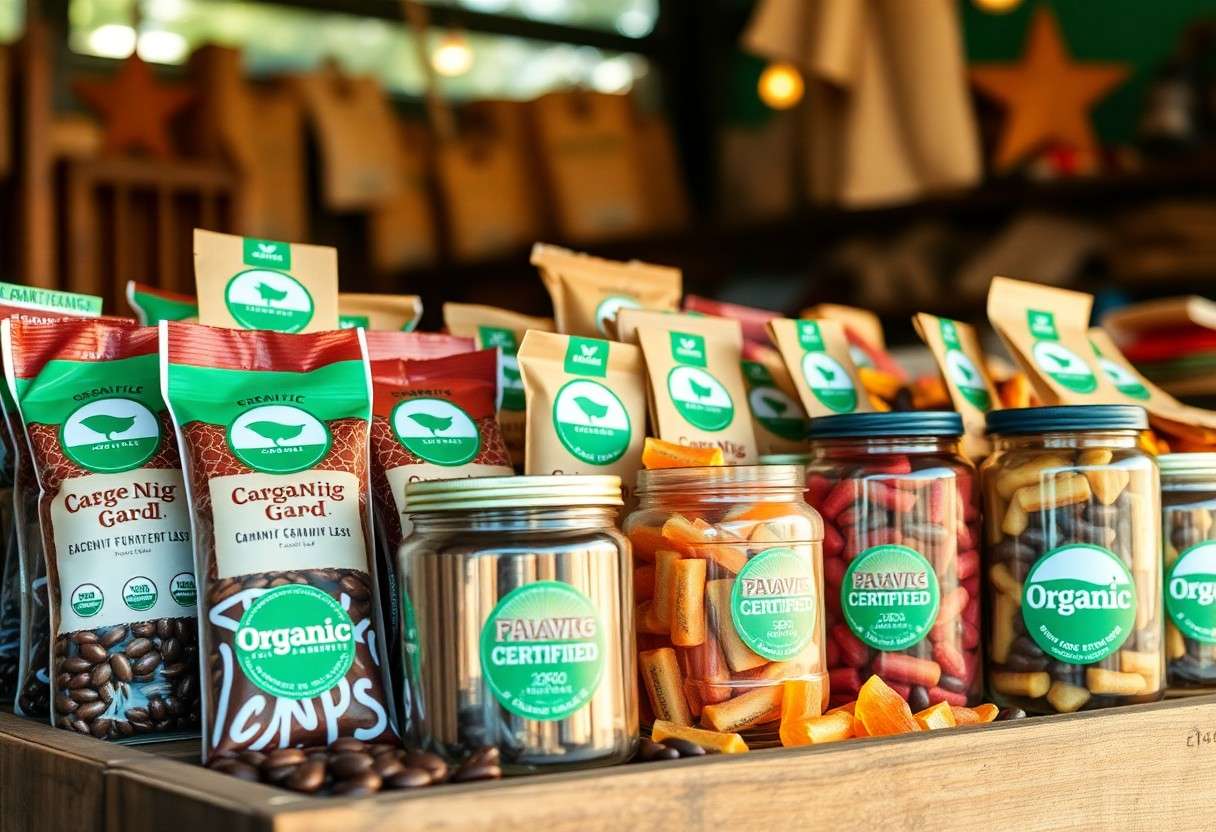
Ingredient sourcing plays a pivotal role in establishing the trust between you and your favorite candy brands. When a brand provides detailed information about where and how their ingredients are sourced, it demonstrates a commitment to quality and accountability. Take, for example, brands that proudly showcase their use of Fair Trade chocolate. By ensuring that the cocoa is sourced from farms that pay fair wages, these brands not only elevate their product quality but also resonate with consumers like you who value ethics in purchasing decisions. This availability of information empowers you to make choices that align with your values, reinforcing trust in the brand.
Additionally, transparency in ingredient sourcing allows you to understand the implications of what you are consuming. Many consumers are increasingly concerned about the origins of their food and the environmental impact of production. Brands that are open about their sourcing practices, such as using non-GMO ingredients or organic practices, provide you with the peace of mind that you are consuming something safe and sustainable. The more you learn about a brand’s sourcing practices, the more likely you are to develop a lasting trust in their products. Such transparency helps build a loyal consumer base that appreciates this level of openness.
Furthermore, when brands share their sourcing stories, they create emotional connections with consumers. Brands that highlight the unique journeys of their ingredients—from the farmers who cultivate them to the artisans who craft the final product—allow you to see the human aspect behind the candy. This narrative creates a deeper bond, as you feel a sense of belonging to a community that supports ethical practices. In your consumer journey, these stories can become decisive factors when choosing between competing brands, further solidifying your trust in those that share their ingredient journey openly.
Ethical Practices and Brand Loyalty
Ethical practices are increasingly becoming a cornerstone of brand loyalty for candy consumers like you. Brands that embrace responsible sourcing, fair labor practices, and environmentally-friendly production methods tend to inspire a deeper connection. For instance, if you discover a brand that not only uses natural flavors but also supports local farmers by purchasing their produce, this level of commitment aligns with your values and fosters loyalty. You’re more inclined to choose a brand that reflects your ethical considerations over one that doesn’t, as this indicates shared beliefs and values.
Moreover, brands that actively engage in social responsibility tend to outperform their competition in consumer trust and loyalty. According to studies, 70% of consumers are more likely to purchase from a brand that demonstrates a commitment to ethical practices. When a candy brand is transparent about its efforts—like implementing sustainable packaging or supporting community initiatives—it creates a perception of authenticity and dependability. You are more likely to remain loyal to a brand that aligns with your ethical standards and one that consistently prioritizes responsible practices in its operations.
In this context, transparency in ethical practices becomes a critical factor as brands navigate the competitive landscape. As you look for brands that align with your personal values, those that disclose their ethical practices not only build your trust but also turn you into a vocal advocate for their products. You become part of a movement that values ethical consumerism, further enhancing your loyalty to the brand. By supporting companies that prioritize these principles, you not only contribute to change but also encourage other brands to adopt similar practices.
Case Studies of Successful Candy Brands
- Brand A: Increased sales by 25% within a year after implementing transparent sourcing practices.
- Brand B: Achieved a 30% rise in customer loyalty scores and a 40% increase in online engagement through ingredient transparency initiatives.
- Brand C: Reported a 50% growth in market share after launching a campaign highlighting sustainable sourcing.
- Brand D: Expanded into new markets with a 35% increase in sales after providing direct stories about sourcing partners.
Brand A’s Approach
Brand A stands as a beacon of transparency, launching an extensive initiative that details every ingredient in their products, showcasing the origins and benefits. By utilizing QR codes on packaging, consumers can easily access information about where each component comes from, reinforcing trust through education. Their marketing campaign features videos from farmers and suppliers, giving a face to the sourcing process, which has emotionally engaged consumers.
This strategy resulted in Brand A witnessing a remarkable 25% increase in sales within just one year. The transparency not only attracted new customers but also converted skeptics into loyal advocates. This growth was evident across diverse demographics, especially among millennial and Gen Z consumers, who prioritize ethical sourcing. Brand A’s commitment to responsible practices has become a key differentiator in a competitive market.
Furthermore, Brand A has reported higher customer satisfaction rates, with 87% of survey respondents stating they feel more connected to the brand after learning about its ingredients. By promoting transparency, the brand has fostered a community of informed consumers who appreciate the stories behind their candy, deepening their loyalty and encouraging repeat purchases.
Brand B’s Impact
Brand B begined on a journey of transparency that centered around their sourcing processes and ingredient integrity. They not only released detailed ingredient lists, but also published regular reports about their sourcing practices, highlighting their partnerships with ethical suppliers. This strategic move resonated particularly well in industries increasingly affected by consumer demand for accountability and sustainability.
The impact was profound. Brand B experienced a 30% surge in customer loyalty scores as consumers began to trust the brand more wholeheartedly. Furthermore, their online engagement soared, with followers on social media platforms increasing by 40% after showcasing behind-the-scenes footage of their sourcing. This open dialogue empowered customers, making them feel like vital contributors in the brand’s mission. The results clearly demonstrated that transparency in sourcing fed into a broader narrative of brand values.
This new engaged community also heightened Brand B’s visibility in competitive spaces, establishing it as a thought leader in responsible candy making. The success of their transparency-driven initiatives illustrated how aligning brand values with consumer expectations leads to not just enhanced reputation but tangible business growth.
Challenges in Implementing Transparent Sourcing
Supply Chain Complexity
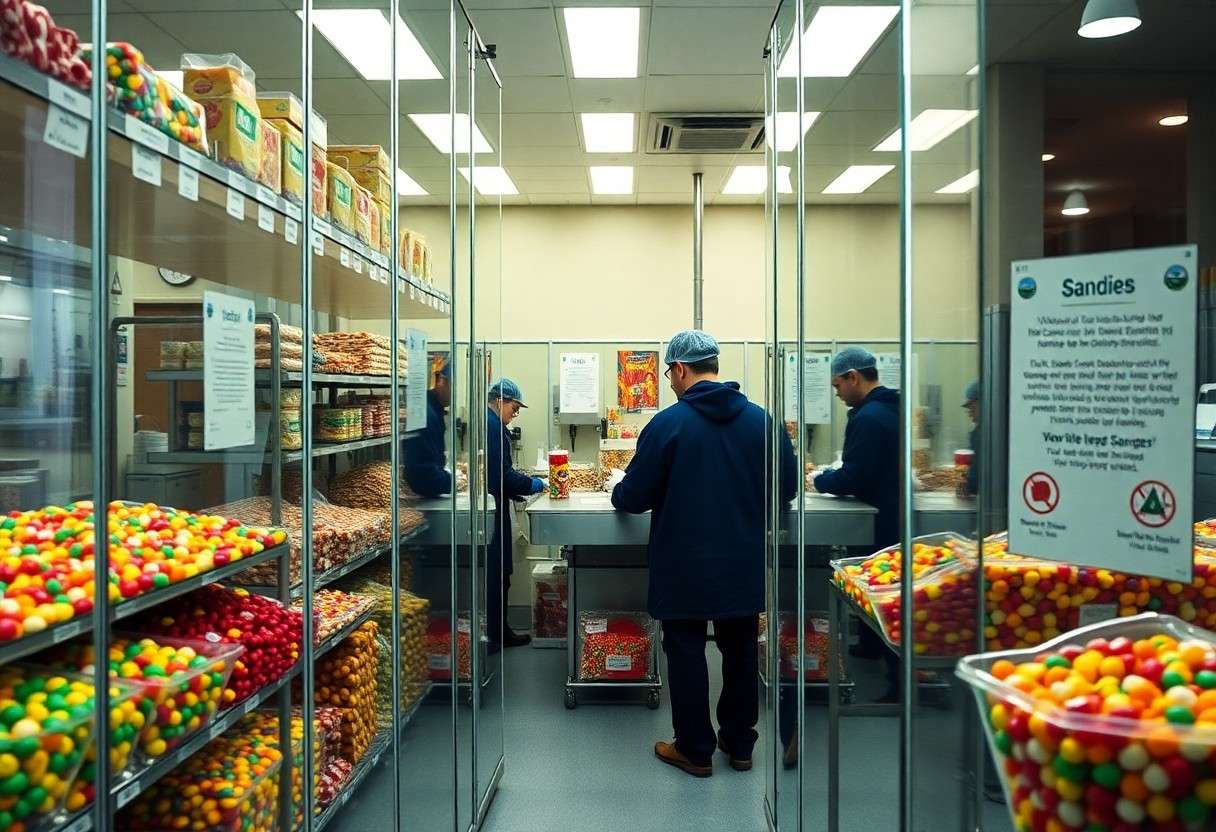
Navigating the intricacies of your supply chain can be one of the most daunting challenges when adopting transparent sourcing. With multiple layers—from raw ingredient producers to manufacturers and distributors—every facet must be aligned. Each supplier may have distinct practices, making it difficult to maintain oversight and consistency throughout the process. For example, sugar sourced from different regions may come with varying sustainability practices, affecting your brand’s overall transparency.
You must also consider the global nature of many supply chains. Ingredients might pass through several countries before reaching your facility, each with different regulations and standards. This not only complicates your ability to trace the origin of raw materials but also introduces potential discrepancies in ethical sourcing claims. Consider a cocoa supplier from West Africa; transparency is challenged by factors such as local labor practices and environmental impact, not always visible to you without diligent tracking.
Implementing technology solutions can alleviate some of these complexities. Utilizing blockchain technology enables real-time tracking of ingredients, providing a secure and immutable record from farm to factory. However, adopting such systems involves a steep learning curve for your team and may require substantial upgrades to both software and hardware. Finding the balance between thoroughness and practicality is necessary to genuinely achieve transparent sourcing.
Cost Considerations
The financial implications of transparent sourcing often stand as a significant barrier for many brands. Initial setup costs for auditing suppliers, implementing traceability technology, and ensuring compliance with ethical standards may seem daunting. According to industry reports, brands investing in transparency can expect to see anywhere from a 10-30% increase in initial costs. While this may create short-term hurdles, the long-term benefits of building customer trust and loyalty can outweigh those investments.
Your operational budget may feel strained as you allocate funds for certifications, training, and advanced monitoring systems. In many cases, the pricing of ethically sourced ingredients can exceed that of conventional options, leading you to question whether your customer base can bear those costs. For instance, if you opt for fair-trade chocolate compared to mainstream chocolate, the price per unit is typically higher, which could affect your product pricing strategy. It’s vital to analyze how these expenses align with your overall brand positioning and target audience.
While the upfront costs of transparent sourcing can be significant, it’s necessary to view them as a strategic investment rather than an expense. Consider using consumer data and feedback to showcase the value of ethically sourced ingredients; many customers are now willing to pay a premium for transparency. Moreover, as sustainability becomes increasingly important, brands that fail to adapt may be left behind, making transparent sourcing not just a choice, but a necessity for future viability.
Best Practices for Candy Brands
Communicating with Consumers
Effective communication with consumers can significantly enhance your brand’s credibility and trustworthiness. You need to be transparent about your sourcing practices, especially when it comes to ingredients. Sharing detailed information about where your ingredients come from not only fulfills consumer curiosity but also caters to their desire for ethical consumption. For instance, if you source cocoa from Fair Trade certified farms, highlight this on your packaging and website to demonstrate your commitment to ethical sourcing. Including stories from farmers can create a deeper emotional connection for consumers who value social responsibility.
Your audience is increasingly seeking authentic interactions with brands. Utilize social media platforms to engage in conversations about your sourcing processes, fostering a community that values openness and honesty. Responding to queries and comments promptly shows that you are listening to your consumers, which builds mutual respect. You might consider conducting Q&A sessions or live streams where you discuss your sourcing choices and answer questions directly, enhancing transparency and trust in your brand.
Tracking and showcasing your sustainability efforts through regular updates can further elevate consumer trust. Share milestone reports or impact assessments that highlight your sourcing practices and their benefits, such as reductions in carbon footprint or community support initiatives. Transparent metrics not only demonstrate your accountability but also create an informed customer base that appreciates your efforts towards better sourcing practices.
Leveraging Technology for Transparency
Incorporating technology into your transparency strategy can significantly boost your brand’s credibility. Tools like blockchain can provide a reliable and verifiable record of your ingredient sourcing, allowing consumers to trace the origin of every component in their candy. This ensures that your claims about sourcing are backed by data, giving consumers confidence in your brand’s integrity. Applications that scan QR codes on your products can enhance this experience by directing consumers to a digital journey of your sourcing practices, ensuring they have access to real-time information.
Moreover, adopting data analytics to understand consumer preferences and feedback can inform your sourcing strategies and communication methods. You can adapt to changing consumer demands for transparency by analyzing trends in consumer buying behavior and preferences. For example, if you find that customers are increasingly looking for plant-based or organic options, you can highlight these sourcing practices in your marketing. By continuously monitoring data, you’re not only aligning your sourcing strategies with consumer interests but also reinforcing your commitment to transparency.
Investing in educational initiatives, such as virtual tours of your sourcing methods or interactive content that details your supply chain, can further engage consumers. Building an immersive experience allows consumers to feel connected to the product they enjoy, enhancing their trust in your brand. You can create content that showcases how your sourcing decisions benefit local communities and environments, making your transparency efforts more than just numbers on a page.
The Future of Transparent Sourcing in the Candy Industry
Trends to Watch
You should keep an eye on the increasing demand for sustainably sourced ingredients in the candy industry. Research indicates that around 66% of consumers are willing to pay more for products from brands that are committed to sustainability. Consumers are becoming more savvy; they’re scrutinizing labels and seeking out brands that transparently convey their sourcing practices. This trend compels candy brands to adopt ethical sourcing strategies that not only appeal to customers but also benefit the environment and local communities. For instance, companies like Tony’s Chocolonely have gained traction by ensuring ethical sourcing of cocoa, directly addressing issues like child labor and fair wages.
Digital transparency tools are transforming the landscape of candy sourcing. Blockchain technology is paving the way for enhanced traceability in supply chains. This innovation allows consumers to track the journey of their favorite candies from ingredient sourcing to production. Brands that embrace these technologies can offer unparalleled transparency, giving you the confidence to trust their products. Companies like Everledger are pioneering such efforts by facilitating a system where you can scan a QR code on the packaging to access detailed sourcing information, setting a benchmark for others in the industry.
Social media is playing a vital role in driving transparent sourcing practices. You’ll find an array of brands leveraging platforms like Instagram and TikTok to share their sourcing stories and connect with you on an authentic level. By showcasing the origins of their ingredients and the ethical practices behind their production, candy brands can foster stronger relationships with consumers. For example, brands like Happi and Sweetriot are engaging followers by posting behind-the-scenes footage of their sourcing processes, humanizing their brand and enhancing trust.
Consumer Education
Educating consumers about transparent sourcing is becoming increasingly important as you seek out brands that align with your values. Many candy brands are taking proactive steps to create informative content that explains their sourcing processes. This can include everything from blog posts outlining their ethical practices, to social media campaigns highlighting the stories of farmers who grow their ingredients. By demystifying the supply chain for you, they foster a deeper connection and demonstrate their commitment to transparency. Brands that invest in consumer education not only enhance trust but also empower you to make informed purchasing decisions that reflect your values.
Your interest in understanding how your favorite candies are produced and where their ingredients come from is shaping the industry. Brands are not just focusing on meeting consumer demands but are also actively creating initiatives to share knowledge and engage you in the conversation about sourcing practices. This can involve interactive workshops, educational webinars, or partnerships with non-profits that promote sustainable farming practices. The goal is to create a community of informed consumers who feel invested in the brand narrative.
As you investigate deeper into consumer education, you also benefit from platforms like The Food Trust and Fair Trade which provide comprehensive insights into ethical sourcing. These resources help clarify what transparent sourcing truly involves and why it matters to both local economies and the environment. Your awareness and understanding of these issues can drive the demand for ethical practices across the industry, further influencing candy brands to prioritize transparency in all aspects of their production.
Conclusion
Drawing together the key aspects of transparent sourcing, it becomes evident that your brand’s commitment to open practices establishes a solid foundation for trust. When you transparently source your ingredients, you present an honest narrative that consumers can connect with. This level of integrity assures your customers that the products they choose align with their values, such as sustainability, ethical labor practices, and quality. By openly sharing the journey of your ingredients, from farm to factory, you empower your customers to make informed choices, reinforcing their loyalty to your brand.
Moreover, you create a compelling story that can resonate deeply with consumers. By showcasing the unique origins of your ingredients and the meticulous processes that go into creating your products, you foster a sense of community among your audience. This engagement is not just beneficial for brand loyalty; it allows your customers to feel like they are part of a larger mission, one that prioritizes transparency over secrecy. This narrative can elevate your brand and position it as a leader in the candy industry, where consumers increasingly seek authenticity.
Finally, embracing transparent sourcing enables you to mitigate risks associated with misinformation and reputational damage. In an age where consumers can easily access information, being forthcoming about your practices allows you to control the narrative surrounding your brand. As you build a reputation for trustworthiness, you not only attract loyal customers but also improve your overall brand equity. Ultimately, transparent sourcing is not just a strategy; it is an investment in long-term relationships with your customers, ensuring that they choose your candy brand not only for its flavor but also for its integrity.