Why Yuzu Flavored Confectionery Is Capturing Global Attention
Just you must note yuzu's intense floral-citrus aroma and complex tart-sweet flavor make confections stand out globally; you should also be aware of high acidit

This article contains Amazon affiliate links. As an Amazon Associate, CandiesAndSweets earns from qualifying purchases.
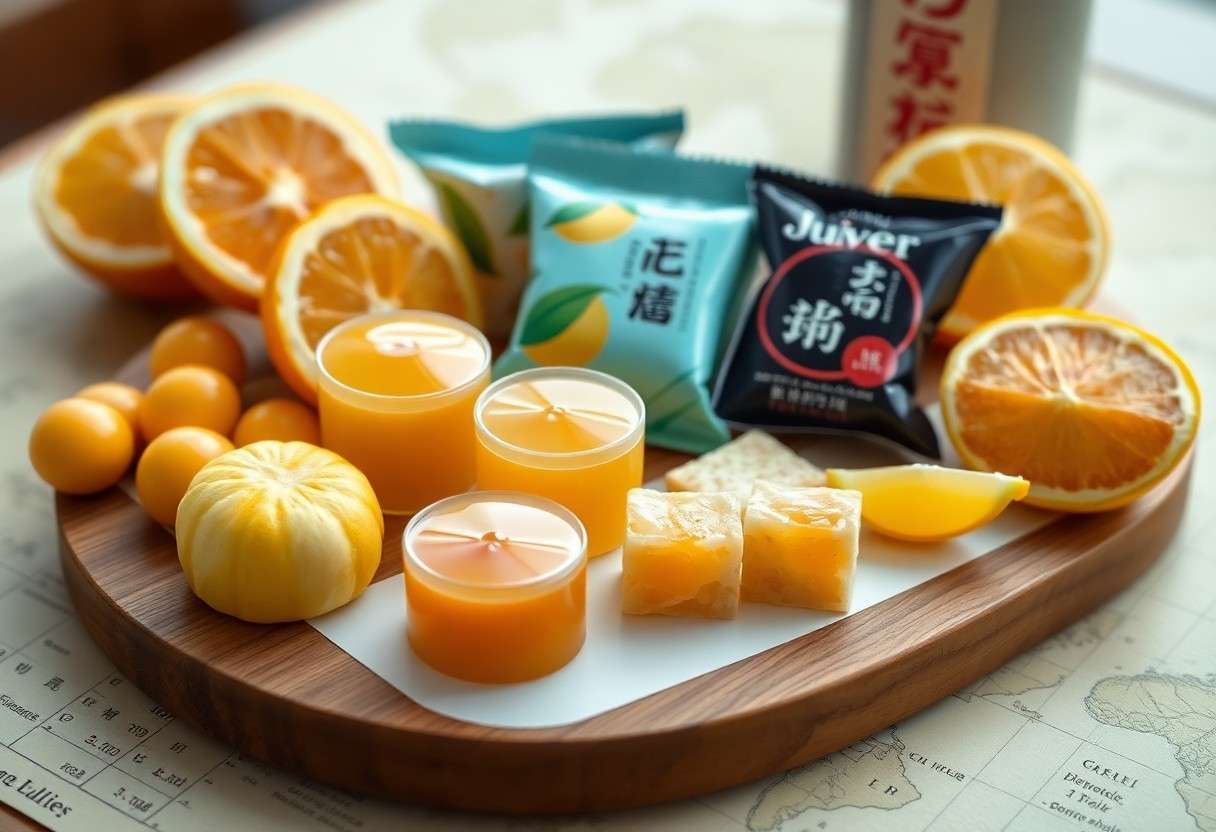
Just you must note yuzu’s intense floral-citrus aroma and complex tart-sweet flavor make confections stand out globally; you should also be aware of high acidity that can irritate sensitive mouths and rare allergic reactions.
The Unique Sensory Profile of Yuzu
Yuzu seduces you with a layered aroma that blends tart citrus top notes, floral heart, and a subtle bitter finish, so you perceive bright complexity in every bite. You find that its high acidity cuts through sugar, allowing confectionery to feel lighter and more refined without losing indulgence.
Distinctive Aromatic and Flavor Characteristics
Your nose will pick up sharp peel oils, bergamot-like floral accents, and a faint savory note that deepens the palate; you use these cues to craft balanced sweets. You can rely on its aromatic intensity to make simple confections taste sophisticated.
Sensory Attributes
| Aroma | Bright floral-citrus |
| Flavor | Tart, bittersweet, umami |
| Acidity | High, crisp |
Comparative Analysis with Traditional Citrus Fruits
Citrus like lemon and orange give you direct sourness or sweetness, whereas yuzu provides layered floral, bitter, and savory notes that demand careful sweet-acid balance; you must guard against letting sugar mask its nuance. You can exploit its delicate bitterness to add depth without harshness.
Taste comparisons show you yuzu delivers more peel-driven aroma and less straightforward sweetness than mandarin or orange, so you adjust sugar and fat accordingly to preserve its character. You should expect more aromatic complexity and sharper acidity in finished confections.
Yuzu vs Traditional Citrus
| Yuzu | Traditional Citrus |
| Floral, peel-forward | Simple sour or sweet |
| Higher acidity | Varies; often milder |
| Subtle umami/bitter | Less savory character |
Drivers of Global Consumer Demand
Consumers are seeking novel taste profiles and you gravitate toward confections that offer clear differentiation; yuzu’s bright acidity and floral complexity drive trial and support premium pricing among adventurous buyers.
Brands have amplified yuzu through limited runs and influencer campaigns, so you see increased visibility across markets; that social buzz accelerates adoption and cross-border interest.
The Shift Toward Exotic and Sophisticated Palates
Palates among younger and food-curious shoppers now favor bitter-sour contrasts, and you respond to yuzu’s unique tension when paired with chocolate, tea, or creamy bases, creating memorable sensory experiences.
Curiosity prompts you to try hybrid formats and small-batch releases, and manufacturers answer with artisanal lines that signal rarity and justify trial purchases.
Perception of Health Benefits and Natural Ingredients
Perception of yuzu as a natural, citrus-forward ingredient leads you to prefer it over synthetic flavors; marketing often highlights perceived antioxidant and vitamin C benefits to attract health-minded shoppers.
Health-focused packaging cues make you assume cleaner labels and lower additives, yet you should check ingredient lists for added sugars and possible allergen or labeling risks.
Labeling transparency affects your trust: clear origin and ingredient claims reduce hesitation, while vague terms can prompt scrutiny and raise the chance of regulatory questions and consumer mistrust.
Innovation in Confectionery Applications
You can use yuzu’s aromatic complexity to push confectionery beyond standard citrus profiles, crafting layered flavor experiences that pair with nuts, teas, and spirits. Its floral, tangy top notes invite novel textures, but high acidity can challenge sugar balance and texture, so recipe calibration is necessary.
Artisans are experimenting with encapsulation, freeze-drying, and oil-infused powders so you retain volatile aroma while extending shelf life. Controlled-release techniques let you present an immediate citrus hit followed by a lingering floral finish, and premium positioning often increases perceived value.
Integration in Premium Chocolates and Patisserie
Chefs incorporate yuzu as zest, oil, and curd to accent ganaches, pralines, and entremets, giving you a distinctive citrus signature. You must balance acidity against cocoa intensity to prevent separation; careful pairing with dark or white chocolate infusions creates refined, high-margin items.
Evolution of Gummy and Hard Candy Formulations
Product developers adjust pectin, gelatin, and sugar-acid ratios so you can deliver authentic yuzu aroma without harsh bite. pH control preserves brightness and prevents crystallization, and balancing sweetness and acidity preserves shelf stability and flavor fidelity.
Texture design now favors chewier gummies and glassier hard candies that carry yuzu’s volatile oils; you can use encapsulated oil droplets to retain aroma during cooking. Heat-stable emulsions and tailored humectants reduce flavor loss and improve consumer acceptance.
Formulators explore reduced-sugar matrices and alternative acidulants so you can offer lower-calorie yuzu confections without sacrificing punch; be mindful that acid choice affects mouthfeel and labeling. Thorough sensory and regulatory testing minimizes product risk.
Strategic Marketing and Aesthetic Appeal
Brands are using yuzu’s striking color and citrus profile to craft campaigns that catch the eye and invite you to try products, with yuzu’s bright, floral-citrus aroma acting as a sensory hook that drives sampling.
Packaging pairs minimalist Japanese motifs with bold yellow accents so you can spot yuzu items instantly on crowded shelves, and selective collaborations signal exclusivity that nudges purchase decisions.
Impact of Visual Branding and Social Media Trends
Visuals are optimized for feeds, so you share glossy close-ups that emphasize texture and color and turn confections into snackable, shoppable moments.
Platforms like Instagram and TikTok amplify limited drops and influencer pairings, creating urgency and curiosity while also risking short-lived hype if follow-through on quality is missing.
Leveraging the Premium Status of Japanese Ingredients
Provenance stories invite you to trust product quality by naming prefectures and cultivation methods, which lets brands justify premium pricing through claims like single-origin yuzu.
Storytelling links you directly to growers and seasonal harvests, making purchases feel like cultural experiences and exposing supply sensitivities such as limited harvests that affect availability.
Sourcing relationships let brands promise traceability and authenticity, so you accept higher prices for documented origin, artisanal processing, and the narrative that supports perceived value.
Market Expansion and Supply Chain
When you track global uptake, yuzu confectionery is moving from niche imports into mainstream specialty aisles and e-commerce, and rapid consumer demand for citrus novelty is prompting wider distribution trials.
Growth Trajectories in Western Retail Sectors
If you shop in Western retailers, you notice yuzu appearing in snacks, ice creams, and confections, with premium pricing translating into profitable test programs and seasonal rollouts.
Sourcing Challenges and Global Distribution
While you depend on imports, limited harvest windows and concentrated cultivation in East Asia produce supply shortages and price volatility that can disrupt planned launches.
As you plan procurement, you should assess frozen puree, contract sourcing, and regional growers to reduce exposure while monitoring trade restrictions and rising shipping costs.
Final Words
So you recognize why yuzu confectionery is winning global attention: its sharp citrus acidity and floral aroma refresh your palate while offering a distinct Asian origin story that appeals to curious consumers. You will find chefs and artisans experimenting with balance between sweet, bitter, and umami, making these treats both familiar and novel for your taste. You can expect continued growth as you seek bold, refined flavors in snacks and desserts.


