Artistic Designs Elevating Chocolate Sculptures to Art
Chocolate, a beloved treat, transcends its sweet origins when transformed into exquisite sculptures that captivate the senses. As you explore the world of choco

This article contains Amazon affiliate links. As an Amazon Associate, CandiesAndSweets earns from qualifying purchases.
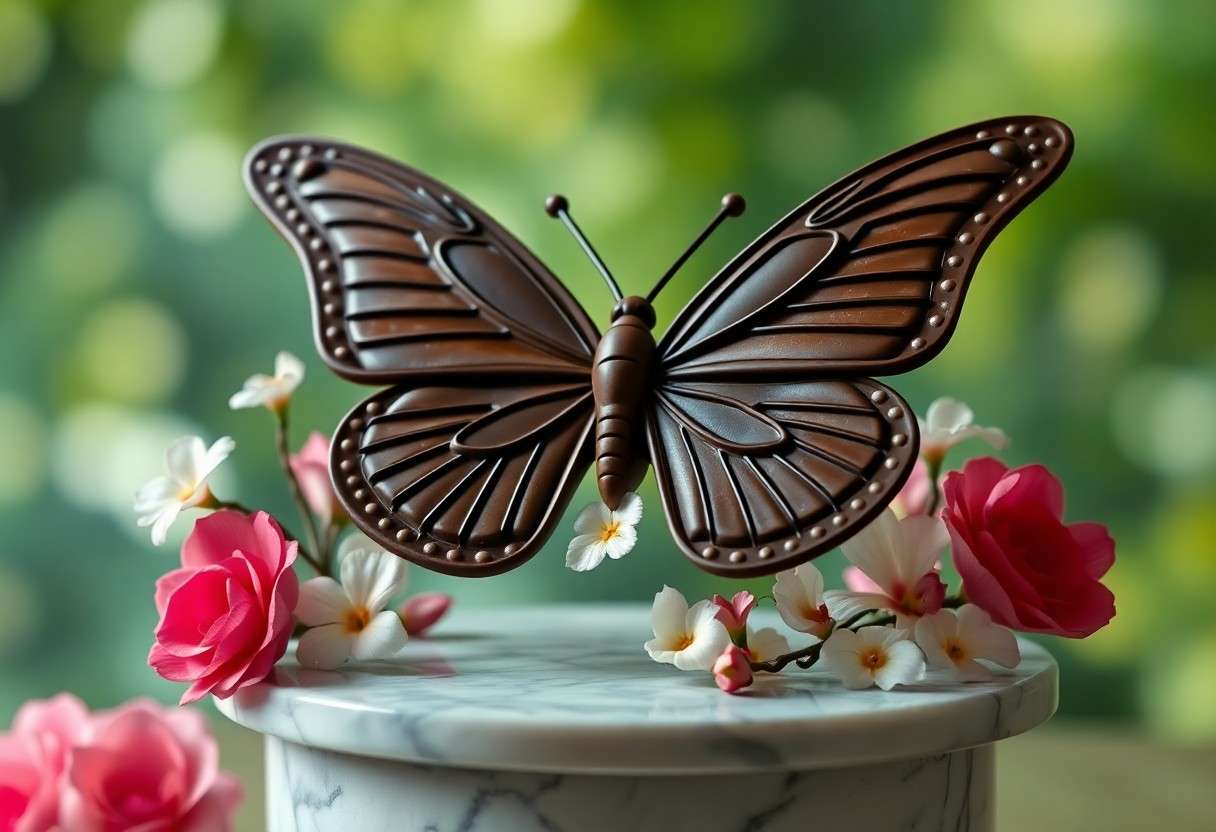
Chocolate, a beloved treat, transcends its sweet origins when transformed into exquisite sculptures that captivate the senses. As you explore the world of chocolate artistry, you’ll discover how skilled artisans turn this indulgent material into breathtaking works that blend taste and visual appeal. This blog post will guide you through the innovative techniques and creative designs that elevate chocolate creations to high art, enhancing your appreciation for the intricate beauty behind each masterpiece. Join us on this delicious journey and learn how chocolate can be both a treat and an artistic expression.
The Intersection of Art and Confectionery
Historical Context: From Craft to Art
Chocolate sculpting has evolved remarkably from a mere craft to a recognized art form, with roots tracing back to ancient Mesoamerican cultures. The Maya and Aztecs revered cacao, often using it in rituals and social gatherings, yet it was in the kitchens of European aristocracies where chocolate began its transformation into an artistic medium. By the 17th century, chocolatiers were not only crafting delectable confections but also creating ornate desserts that showcased their skills. This shift signified a move towards a more aesthetic appreciation of chocolate, paving the way for the intricate sculptures that would come to define modern chocolate artistry.
In the 19th and 20th centuries, advancements in processing and accessibility of chocolate allowed for broader experimentation. This period witnessed chocolatiers starting to push boundaries, creating elaborate designs that fused culinary technique with artistic flair. Chocolate shows, competitions, and exhibitions further offered platforms for artisans to showcase their sculptural talents. You can see how this intersection of culinary expertise and artistic expression culminated in chocolate’s rise not just as a confection but as a legitimate medium for art, similar to mediums like clay and metal.
Key Influencers in Chocolate Sculpture Artistry
Several key figures have played pivotal roles in elevating chocolate sculpture to fine art, shaping how you perceive this decadent medium. Renowned chocolatiers such as Jacques Torres, often dubbed “Mr. Chocolate,” have transformed chocolate into stunning masterpieces that exemplify craftsmanship and creativity. Torres’s work showcases not only technical prowess but also a narrative quality, often telling stories through his sculpted designs. Similarly, French pastry chef Pierre Hermé has made waves with his intricate chocolate compositions, which blend art with culinary innovation, inspiring chocolatiers around the globe to embrace chocolate as a canvas for their artistic visions.
Another influential figure is Patrick Roger, known for his large-scale chocolate installations that often provoke thought and conversation. His creations challenge traditional perceptions of chocolate, as he utilizes this versatile medium to address themes from nature to contemporary societal issues. Roger’s exhibitions have garnered international acclaim and serve as a testament to the potential of chocolate sculpture as an art form that engages not just the palate but also the intellect and emotions of its audience. As you explore the contributions of these artisans, you can appreciate the rich tapestry of creativity that chocolate sculpture embodies.
Techniques That Transform Chocolate into Masterpieces
Innovative Tools and Technology in Chocolate Sculpting
Advanced tools and technology significantly enhance your chocolate sculpting abilities, allowing for more intricate designs than ever before. For instance, 3D printing technology specifically for food has emerged, enabling artists like you to create complex structures with precision. The use of airbrushes for color applications brings depth and realism to your sculptures. Moreover, temperature-controlled workstations, equipped with warming and cooling elements, help manage the chocolate’s consistency to keep it pliable while you mold and shape your masterpiece.
Innovative Tools | Benefits
— | —
3D Printers | Precisely detail intricate designs, creating unique shapes and patterns.
Airbrush Systems | Offers even color application for lifelike textures.
Temperature-Controlled Tables | Maintains optimal chocolate viscosity without compromising texture.
Silicone Molds | Allows for quick replication of complex designs, perfect for dessert displays.
The Role of Temperature and Texture in Design
Temperature plays a pivotal role in chocolate sculpting, as it directly impacts the material’s behavior. Chocolate is temperamental; too hot, and it becomes too runny; too cold, and it hardens quickly and may not hold its shape. Understanding the nuances of chocolate tempering is important for achieving that shiny finish and snap that elevates your creation from ordinary to extraordinary. Additionally, the texture influences not just the aesthetic but also the tactile experience of the chocolate. Each technique, whether it involves ganache or a chocolate shell, requires a careful approach to temperature to achieve your desired outcome.
Temperature Effects | Texture Considerations
— | —
Higher Temperatures | Makes chocolate pourable but risks losing sheen if not tempered correctly.
Lower Temperatures | Causes quick hardening; important for fine details but requires control.
Smooth Texture | Achieved through proper tempering, delivers a luxurious mouthfeel.
Textured Varieties | Can be created through various techniques like scraping or stamping, adding depth to designs.
With the right balance of temperature, texture, and tool usage, your chocolate sculptures can not only please the eye but also offer an exceptional sensory experience that captivates and delights. Mastering these elements allows you to bring your artistic vision to life, turning a simple block of chocolate into a breathtaking work of art.
Aesthetic Principles in Chocolate Sculptures
Color Theory and Visual Appeal
Color plays a pivotal role in the visual allure of chocolate sculptures. You might not realize it, but the hues and tones you choose can evoke different emotions and capture attention in unique ways. For instance, vibrant shades of red and orange can create a sense of warmth and excitement, ideal for festive occasions. In contrast, cooler tones like blue and green can convey tranquility and sophistication, appealing to a different audience. Balancing colors to achieve a harmonious palette is important; for example, pairing dark chocolate with light-colored white chocolate can enhance contrast, drawing the eye and heightening visual and taste appeal.
Texture also factors into color attractiveness—smooth surfaces reflect light differently than rough, matte finishes do. You can elevate your work by incorporating techniques like marbling or airbrushing to introduce subtle gradients and depth, leading viewers to appreciate the nuances in your sculptures. It’s about creating a narrative that invites viewers to engage, explore, and ultimately savor not only the flavors but the artistry behind each creation.
The Importance of Balance and Composition
Balance and composition are as significant as flavor in chocolate sculptures. This principle applies whether you’re crafting a large centerpiece for an event or an intricate, smaller piece for personal enjoyment. Consider asymmetry and symmetry in your designs; both can convey different messages and impacts. For example, a symmetrical piece may evoke a sense of stability and order, while asymmetry can introduce excitement and dynamism. You can manipulate these elements through how you arrange components of your sculpture—stacking elements unevenly for an off-kilter look can create visual intrigue, encouraging viewers to explore all angles of your creation.
Additionally, negative space—the space around and between objects—can enhance your sculptures significantly. Instead of filling every inch with chocolate, allowing empty spaces can provide breathing room, contributing to the overall composition. This approach brings focus to key elements of your artwork, guiding the observer’s gaze and maintaining their interest without overwhelming them. A thoughtful composition can turn a simple chocolate creation into a masterpiece that leaves a lasting impression.
Behind the Scenes: The Creation Process of a Chocolate Sculpture
Concept Development and Design Sketching
Every masterpiece begins with an idea, and chocolate sculptures are no exception. You’ll find that the process kicks off with brainstorming sessions, where your imagination runs wild. Sketching your vision not only helps to visualize the end product but also allows you to experiment with shapes and dimensions. Artists often create multiple drafts of their designs, trying out various elements until they feel confident in the composition. Inspiration can come from various sources, whether it’s nature, architecture, or abstract concepts that stir emotions. With a detailed sketch, you establish a blue-print of sorts, providing guidance as you move into the more technical aspects of chocolate sculpting.
Step-by-Step Execution: From Start to Finish
Transforming sketches into stunning chocolate sculptures involves a meticulous execution plan. To begin, you’ll need to select the type of chocolate that best suits your vision—dark, milk, or white chocolate may be chosen for their unique flavors and textural properties. After tempering the chocolate, you’ll create components individually, whether it’s pieces for a larger sculpture or standalone artworks. Assembling these pieces calls for precision, ensuring that each element complements the others. Adequate cooling times and the use of molds also play significant roles in achieving your desired outcome. Finally, you’ll apply finishing touches, which may include painting, airbrushing, or adding decorative elements to heighten the aesthetic appeal.
| Aspect | Details |
|---|---|
| Initial Sketches | Draft multiple designs reflecting different perspectives. |
| Material Selection | Choose chocolate varieties based on flavor and intended texture. |
| Component Creation | Craft individual pieces, focusing on details such as thickness and form. |
| Assembly | Use heat or chocolate adhesive to bond components together. |
| Finishing Touches | Enhance your work with colors or decorative elements for added appeal. |
The craftsmanship behind chocolate sculptures is not just about combining ingredients; it is a disciplined process requiring keen attention to detail at every step. Temperature control is vital throughout this journey, from melting chocolate to the final cooling stages. Any miscalculations can lead to undesirable textures or structural weaknesses, undermining your artistic intentions. With patience and practice, the transformation from concept to a visually stunning chocolate sculpture becomes deeply rewarding, allowing for a tangible expression of creativity that tantalizes both the eyes and the taste buds.
| Execution Process | Description |
|---|---|
| Melting Chocolate | Gently heat to avoid burning, crucial for tempering. |
| Pouring into Molds | Create uniform shapes and structures that support your design. |
| Cooling Periods | Ensure each component sets properly to maintain integrity. |
| Assembly Techniques | Use strategic joining methods for flawless cohesion. |
| Final Enhancements | Add elements such as edible glitter, or edible paints for a refined finish. |
The Cultural Impact of Chocolate as Art
Chocolate Sculpture in Exhibitions and Competitions
Many prestigious art exhibits and competitions now highlight chocolate sculptures, showcasing this delicious medium’s transformation into fine art. Events like the International Chocolate Awards bring together the world’s best chocolatiers and artists, allowing them to demonstrate their remarkable skills and creativity in front of a captivated audience. Take, for instance, the elaborate sculptures displayed at the Salon de Chocolat in Paris, where incredible masterpieces made entirely of chocolate are crafted on-site, leaving attendees in awe of the craftsmanship and innovation that emerge. The thrill of competition not only pushes chocolatiers to elevate their artistry but also raises awareness about chocolate as a genuine form of artistic expression.
You might be intrigued by specific competitions that focus solely on chocolate sculptures, such as the Chocolate Masters, held biennially in Amsterdam. Here, artists compete to create stunning works that blend culinary creativity with artistic flair. The exposure and recognition garnered from such events not only enhance the reputations of the participating artists but also contribute significantly to the evolving perception of chocolate in the fine arts. Ultimately, by elevating chocolate to the status of artistic media, these competitions encourage more individuals to explore its potential beyond confections.
The Rising Popularity of Chocolate Installations in Public Spaces
In recent years, there has been a visible increase in the number of chocolate installations gracing public spaces, blurring the lines between culinary delights and public art. These captivating displays not only engage your senses but also invite interaction, often transforming neighborhoods into vibrant, transformative experiences. Large-scale installations, such as the chocolate fountain creations at festivals or the whimsical chocolate sculptures in parks, attract thousands of visitors and spark conversations around food, art, and sustainability. Each piece aims to evoke emotions while celebrating cultural heritage and local flavors.
Walk through an art festival or community event, and the chances are high that you’ll encounter a striking chocolate sculpture, beckoning you to marvel at its intricate design and artistry. Public installations often incorporate elements of local culture or seasonal themes, providing an aesthetic delight while also fostering community engagement. Participatory art experiences involving chocolate invite you to not just view but also interact (and sometimes taste!), enhancing community bonding while creating meaningful memories around a shared love for art and food.
To wrap up
Hence, you can appreciate how chocolate sculptures can transcend their role as mere confections and emerge as captivating works of art. By embracing design principles, innovative techniques, and an understanding of aesthetics, you are empowered to elevate your chocolate creations to a new level. Each sculpture offers a unique opportunity for you to express creativity while delighting the senses, inviting not just admiration but also a taste experience that resonates beyond the visual.
Whether you are an aspiring chocolatier or an art enthusiast, acknowledging the artistic aspects of chocolate sculpting can transform your approach. You have the tools and knowledge to create enticing pieces that are as breathtaking as they are delicious. Your journey into chocolate artistry not only enhances your culinary skills but also enlivens the art world with deliciously imaginative designs. Embrace your artistry, and let your chocolate creations inspire and captivate those who encounter them.


