Best Plant Based Caramels Made With Natural Sweeteners
Many plant-based caramels use natural sweeteners like dates, maple, and coconut sugar, so you should check sugar content, avoid artificial additives that pose h

This article contains Amazon affiliate links. As an Amazon Associate, CandiesAndSweets earns from qualifying purchases.
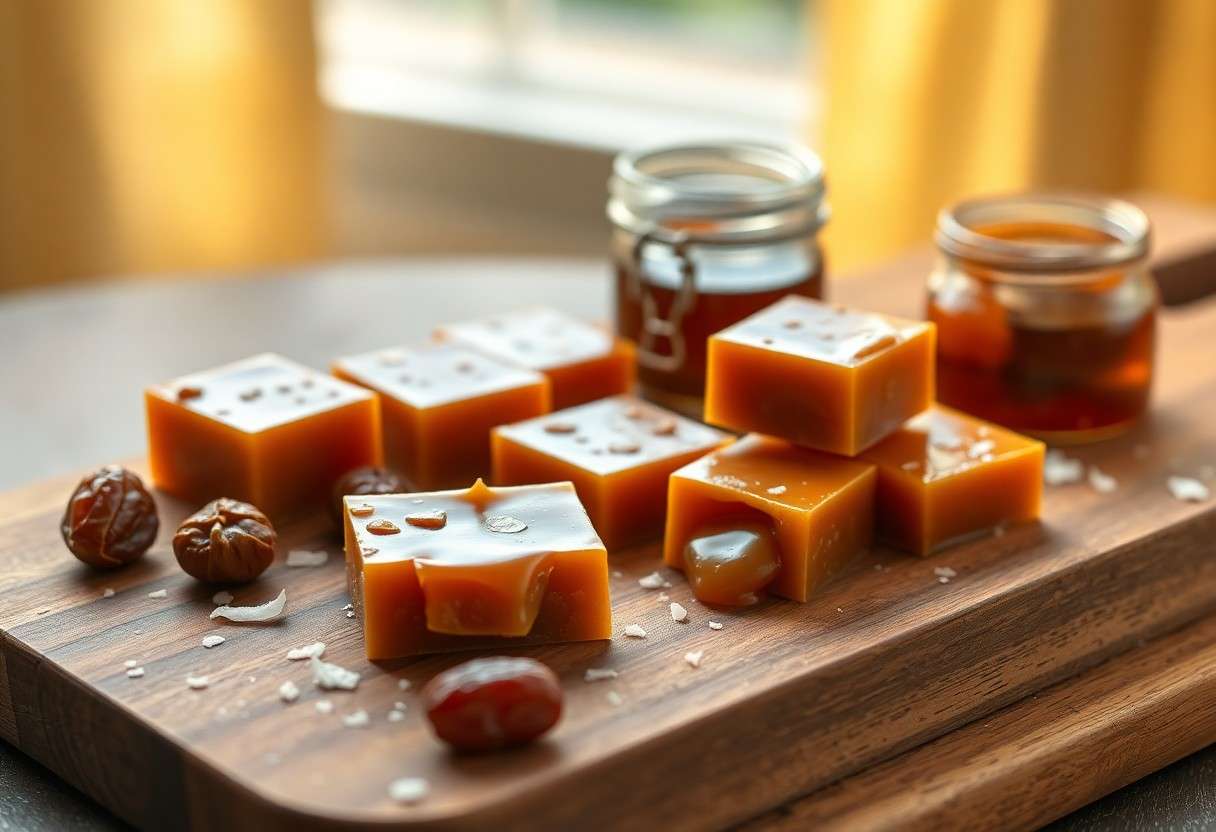
Many plant-based caramels use natural sweeteners like dates, maple, and coconut sugar, so you should check sugar content, avoid artificial additives that pose health risks, and favor clean-label, allergen-friendly recipes.
The Evolution of Plant-Based Confectionery
You’ve watched plant-based caramels grow from novelty to craft staple as makers recreate creamy textures with nut milks and plant fats while swapping cane sugar for natural sweeteners. Research and consumer pressure pushed reformulations that cut refined sugar, but you should still monitor portion sizes because concentrated sweeteners can be calorie-dense.
Shifting trends toward dairy-free alternatives
Consumers expect dairy-free caramels to match traditional creaminess, so you see cashew, oat, and coconut bases delivering familiar mouthfeel while maintaining clean labels. Labels matter because allergen swaps and processing can affect texture and safety; you should check ingredient lists for added stabilizers or concentrated syrups.
Why natural sweeteners are replacing refined sugars
Manufacturers favor date paste, maple, and coconut sugar because you perceive them as less processed and more nutrient-retaining; these options provide flavor depth and trace minerals. You should note they still contribute calories and can alter shelf life, so balancing sugar type and moisture is key to product stability.
Sweeteners differ in glycemic impact and taste, so you compare maple’s lower GI to cane and watch that agave may be high in fructose, which can affect metabolism. You ought to read labels for added syrups and portion guidance to enjoy plant-based caramels responsibly.
Core Ingredients for the Perfect Vegan Caramel
You rely on a handful of pantry staples: natural sweeteners like maple or date syrup, a plant fat for mouthfeel, coconut cream for richness, and nut butters for texture and depth. Watch temperature to avoid scorching and burns.
Utilizing coconut cream for traditional richness
Coconut cream gives you the closest match to traditional caramel with a fatty, silky mouthfeel; use full‑fat canned cream and warm gently to prevent separation while you finish the sauce.
The role of nut butters in flavor and stability
Nut butters add depth and help emulsify your caramel, so you can choose almond for mild sweetness, cashew for extra creaminess, or peanut for a bolder note, and always consider allergies when serving.
For texture control, start with a tablespoon or two per cup of sweetener and whisk in off the heat to avoid oil separation; prefer smooth nut butters and adjust salt to balance the sweetness.
Evaluating Natural Sweetener Profiles
You weigh flavor, texture, and chemistry when choosing sweeteners for plant-based caramels; water content and sugar type shape browning, chew, and shelf life. Pay attention to moisture and sugar composition because they directly affect final set and caramelization speed.
Taste and metabolic impact should guide your swaps, since some sweeteners bring minerals or fiber while others behave like refined sugar. Control portions for blood-sugar management and always test small batches to balance flavor and texture.
Coconut sugar for deep, molasses-like notes
Coconut sugar delivers warm, molasses-like depth and a darker hue that complements rich caramels, while its lower glycemic index and trace minerals add a subtle benefit. Expect a softer set and intensified flavor, and be aware it can still raise blood sugar.
Maple syrup and date paste for low-glycemic options
Maple syrup brings nuanced caramel and vanilla notes but adds liquid that thins your base, so you should cut other liquids and adjust cooking time. Positive: mineral and antioxidant content; caution: altered cook stages and browning.
Dates paste supplies fiber and natural sweetness that give a fudgier texture and can blunt rapid glucose spikes compared with pure syrups. Still, its concentrated sugars require portion control to prevent blood-sugar surges.
Also, when substituting these liquids, reduce added water, increase cooking temperature to achieve a firmer set, and experiment with ratios-start with a 1:1 swap by sweetness then tweak texture. Test small batches to find the right balance.
Techniques for Achieving Ideal Texture
Temperature control for soft vs. hard caramels
You can control chewiness by targeting final temperatures: 234-240°F yields soft caramels, 244-248°F gives a chewier bite, and 250-255°F produces firmer pieces; always use a candy thermometer and be mindful of burn risk when handling boiling syrups.
Allow the cooked caramel to rest and you should perform a quick cold-water test to verify set; cooling slowly at room temperature keeps centers tender while rapid chilling makes pieces harder.
Temperature vs Texture
| Target Texture | Final Temp / Tip |
|---|---|
| Soft | 234-240°F – gentle cook, watch for foaming |
| Chewy | 244-248°F – balanced moisture, minimal stirring |
| Firm | 250-255°F – cooler slowly for bite |
| Hard | >255°F – risk of brittleness and burning |
Emulsifying fats with plant-based syrups
Use viscous syrups like brown rice or invert-style syrups to help disperse fats and create mouthfeel; you can add a touch of sunflower lecithin to increase stability and achieve a creamier texture when you mix carefully.
Whisk or blend while warming components so you force incorporation; if you under-shear you risk separation and graininess, so you should keep the mixture warm and consistent as you work.
Add syrup slowly while emulsifying warm fat at about 100-120°F so you avoid shock-cooling; try 0.5-1% sunflower lecithin and a starting syrup-to-fat ratio near 15-20%, then adjust for the texture you want.
Top-Rated Commercial Plant-Based Caramels
Some of the top commercial plant-based caramels deliver rich, chewy texture while using natural sweeteners like date syrup, coconut sugar, or maple, and you can expect clear ingredient lists that spell out sweetener sources. You should watch for added refined sugars and common allergens on labels that undermine the “clean” claim.
Brands that earn high marks prioritize transparent sourcing and minimal additives, and you should compare texture, mouthfeel, and ingredient clarity when choosing. You must also note if a product contains sugar alcohols, which can cause digestive upset for some people.
Criteria for selecting high-quality artisanal brands
When you evaluate artisanal caramels, check for short ingredient lists with named sweeteners (dates, maple, coconut) and evidence of small-batch production or single-origin ingredients; these signal attention to craft. You should also confirm clear allergen statements, visible sweetener sourcing, and packaging that discloses shelf life and storage recommendations.
Understanding non-GMO and organic certification standards
Look for seals such as Non‑GMO Project Verified and USDA Organic so you can verify that genetic modification and synthetic pesticide rules were considered in production. You should understand that Non‑GMO speaks to genetic integrity while Organic covers broader farming and handling standards.
Expect certified items to undergo audits and supply-chain checks, but know that organic does not mean sugar-free, so you must read nutrition facts for total sugars. You should also be aware that Non‑GMO verification doesn’t fully address processing methods or all environmental practices.
Culinary Applications and Pairings
Pair plant-based caramels with bold coffee, tart citrus, or nutty plant cheeses to balance sweetness. You can drizzle them over bowls, fold into batters, or serve as a sauce. Watch for nut allergens if you include nut milks or chunks, and note that using natural sweeteners keeps flavors bright while reducing refined sugar.
Incorporating caramels into plant-based desserts
Use salted or flavored caramels as swirls in plant-based ice cream, fillings for tarts, or layered in trifles. You should warm them slightly for a pourable texture and cool to set for chews; these techniques control mouthfeel and sweetness. Aim for a creamy texture that complements, rather than overwhelms, other elements.
Enhancing flavor with sea salt and botanical extracts
Salted edges and floral extracts make caramels pop: a pinch of flaky sea salt contrasts sugar, while vanilla, lavender, or citrus zest adds depth. You can apply salts sparingly so the flavor contrast stays balanced and avoids overpowering delicate botanicals.
Botanicals like cardamom, rose, or chamomile pair well with brown-rice or date-based caramels; infuse warm plant milk for subtle notes and strain before reducing. Test small batches because strong extracts can quickly dominate, and use sea salt flakes as a finishing touch to highlight sweetness and aroma.
Final Words
With these considerations you can confidently choose or craft plant-based caramels made with natural sweeteners. You should prioritize minimal ingredients, whole-food sweeteners like date paste or maple, and stable plant fats for texture. You will assess sweetness, mouthfeel, and shelf life, testing small batches to balance flavor without refined sugars. You will find satisfying recipes that align with dietary goals while delivering classic caramel richness.


