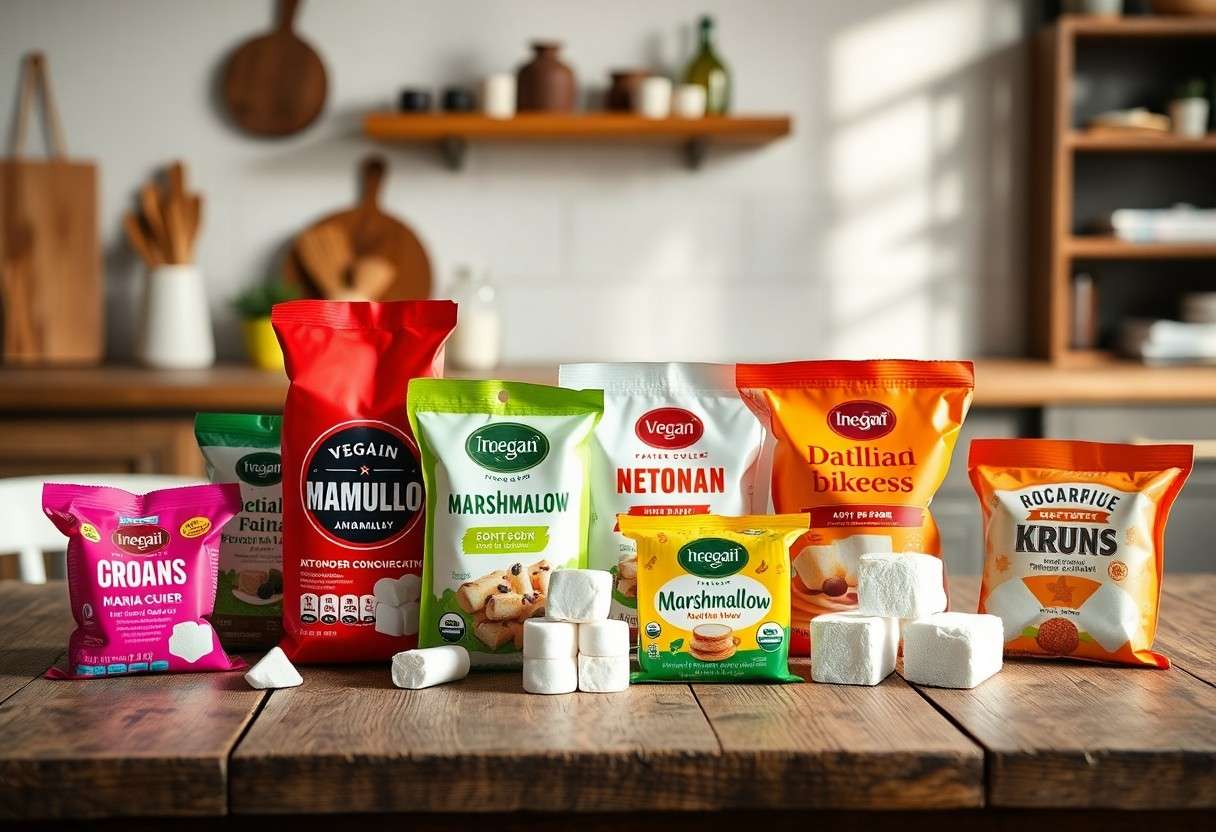
Biodegradable Packaging Solutions Replace Traditional Plastic in Confectionery Industry
There's a significant shift happening in the confectionery industry as businesses like yours seek sustainable alternatives to traditional plastic packaging. Wit

This article contains Amazon affiliate links. As an Amazon Associate, CandiesAndSweets earns from qualifying purchases.

There’s a significant shift happening in the confectionery industry as businesses like yours seek sustainable alternatives to traditional plastic packaging. With growing environmental concerns, biodegradable packaging solutions are emerging as a viable way to reduce waste and appeal to eco-conscious consumers. This blog post will explore how these innovative materials can benefit your brand, enhance product appeal, and contribute positively to the planet, ensuring you stay ahead in a competitive market.
Overview of the Confectionery Industry
The confectionery industry continues to be a vibrant sector, characterized by a diverse array of products ranging from chocolates and candies to gum and other sweet treats. In 2021, the global confectionery market was valued at approximately $200 billion, with projections indicating steady growth driven by increasing consumer demand for innovative and premium products. Your customers are increasingly interested in unique flavors, healthier options, and eye-catching packaging, which presents an opportunity for brands to differentiate themselves and capture market share.
Market segmentation reveals that the demand for chocolate products, particularly artisan and dark chocolate, is on the rise, along with a shift toward sugar-free and organic options. These trends are mirrored by changing consumer behaviors, notably the rising preference for plant-based snacks and environmentally friendly products. As manufacturers adapt, an emphasis on sustainability and ethical sourcing is becoming paramount in your product offerings.
Market Trends and Challenges
The confectionery sector faces several dynamic trends, primarily influenced by consumer awareness of health and environmental issues. You will find an increasing demand for transparency in ingredient sourcing, leading brands to reformulate products in response to health-conscious consumers. Alongside this, the embrace of e-commerce and online sales channels is reshaping market access, giving you a platform to reach broader audiences while optimizing consumer engagement through direct-to-consumer sales.
Nevertheless, challenges remain as the industry navigates complexities such as fluctuating raw material costs and supply chain disruptions. The surge in demand for sustainably sourced ingredients can raise production costs, which may ultimately affect pricing strategies. Staying agile and responsive to these challenges will be crucial for you to maintain competitiveness and brand loyalty.
Environmental Impact of Traditional Packaging
Traditional plastic packaging in the confectionery industry poses significant environmental concerns, contributing to the escalating global plastic waste crisis. Approximately 300 million tons of plastic are produced each year, with a substantial portion ending up in landfills or oceans. The appeal of single-use plastics lies in their convenience and durability; however, they commonly take hundreds of years to decompose, leading to long-lasting ecological harm.
Packaging waste from confectionery products not only affects terrestrial and marine ecosystems but also contributes to greenhouse gas emissions as plastics degrade. As consumers become more aware of these issues, many are demanding alternatives that mitigate environmental harm. By opting for biodegradable solutions, you are helping to drive positive change and meet consumer expectations while minimizing your brand’s carbon footprint.
Various studies indicate that liquid and solid waste generated from plastic-packaged products can lead to increased soil and water pollution. A study conducted by the United Nations Environment Programme revealed that plastics contribute to the deaths of over a million seabirds and countless marine mammals annually. Making the switch to biodegradable options will not only align your brand with sustainability goals but also resonate deeply with a consumer base that prioritizes environmental responsibility.
Biodegradable Packaging Solutions
Materials Used in Biodegradable Packaging
Plant-based materials, such as corn starch and sugarcane, are commonly utilized in the production of biodegradable packaging options. These materials decompose naturally and can significantly reduce environmental impact when disposed of properly. Additionally, bioplastics made from polyactic acid (PLA) offer strong resistance to moisture, making them ideal for wrapping sugary confections.
Another innovative material is mushroom-based mycelium, which is exploited for creating packing that can fully decompose. This material provides an excellent cushioning effect and has gained attention due to its sustainable sourcing and zero-waste potential. With ongoing research, more materials are being developed to enhance functionality while maintaining eco-friendliness.
| Material | Properties |
| Corn Starch | Biodegradable, moisture resistant |
| Sugarcane | Renewable source, compostable |
| PLA (Polyactic Acid) | Strong, suitable for food packaging |
| Mycelium | Customizable, fully compostable |
| Wood Pulp | Biodegradable, versatile |
Types of Biodegradable Packaging in Confectionery
Several types of biodegradable packaging are making waves in the confectionery industry. Flexible films made from materials like PLA are designed to hold candies, providing durability without the environmental consequences of traditional plastic. Furthermore, rigid containers from molded fiber are emerging, allowing for safe transport while being fully compostable.
Biodegradable wrappers, made from various plant materials, are also gaining traction for candies and chocolates. These wrappers maintain freshness and can break down in industrial composting environments, appealing to environmentally conscious consumers. Manufacturers can opt for innovative designs that enhance the product’s appeal while ensuring sustainability.
| Type of Packaging | Applications |
| Flexible Films | Candy wrappers and snack bags |
| Molded Fiber Containers | Chocolate boxes and cookie trays |
| Biodegradable Wrappers | Individual candy and chocolate packaging |
| Compostable Trays | Bulk confectionery display |
| Paper-based Bags | Gift packaging for assorted treats |
Incorporating biodegradable packaging not only aligns your brand with sustainability initiatives but also attracts environmentally aware consumers. This shift involves using packaging that complements product quality and enhances consumer trust, thereby fostering loyalty. Many companies also utilize eco-labeling to inform customers about their sustainable practices, enabling them to choose products aligned with their values.
- Biodegradable packaging enhances brand image.
- It reduces landfill waste significantly.
- Utilizing eco-friendly materials can lower carbon footprints.
- Engaging in sustainable practices increases customer loyalty.
- The market for biodegradable packaging is expanding rapidly.
Benefits of Biodegradable Options
Environmental Advantages
Adopting biodegradable packaging significantly reduces environmental impact compared to traditional plastic options. These materials decompose naturally, breaking down into non-toxic components within a few months to few years, depending on conditions, as opposed to the hundreds of years plastics may require. This swift decomposition lessens landfill burdens and mitigates pollution, allowing you to contribute positively to environmental health. Moreover, many biodegradable materials are derived from renewable resources, furthering their ecological benefits and reducing reliance on fossil fuels.
Introducing biodegradable packaging in the confectionery industry can also enhance your brand’s image and appeal. As consumers become increasingly aware of environmental issues, aligning your products with sustainability initiatives shows your commitment to responsible production. For example, brands that have switched to plant-based packaging have reported growth in customer loyalty, boosting both sales and brand reputation.
Consumer Preferences and Market Demand
Today’s consumers prioritize sustainability in their purchasing decisions, with 73% of millennials willing to pay more for eco-friendly products. Your choice of biodegradable packaging can not only attract conscientious consumers but also set your brand apart in a competitive market. Research indicates that manufacturers committed to sustainable practices experience increased customer engagement and retention, particularly among younger demographics who typically drive trends and demand for innovation.
Offering biodegradable packaging caters to a growing segment of consumers seeking sustainable alternatives. This movement is becoming more than a trend; it reflects a fundamental shift in values. As awareness of climate change and pollution rises, you can position your confectionery products as pioneering in sustainability, capturing the attention of eco-conscious shoppers who are eager to support brands that prioritize the planet. With environmental impacts becoming a focal point in consumer decisions, the incorporation of biodegradable options can also encourage a deeper connection with your customer base, resulting in more meaningful engagement and loyalty.
Case Studies of Successful Implementation
- Mondelez International: Implemented fully biodegradable wrappers for its brands like Toblerone, resulting in a 30% reduction in plastic waste across packaging lines by 2022.
- Hershey’s: Launched a new line of chocolate bars wrapped in plant-based materials, achieving a 40% decrease in carbon footprint compared to traditional packaging solutions.
- Cadbury: Transitioned to compostable packaging for seasonal items, contributing to a 25% increase in consumer awareness regarding sustainable practices within six months.
- Ferrero: Embraced biodegradable packaging across its Kinder brand, reported a 15% rise in sales attributed directly to sustainability marketing initiatives.
- Haribo: Introduced biodegradable bags for its gummy candies, leading to a 20% uptick in environmentally conscious customer engagement and positive online feedback.
Notable Brands Adopting Biodegradable Packaging
Market leaders are increasingly turning to biodegradable packaging as a key differentiator in a competitive landscape. Brands like Mondelez and Ferrero stand out for their commitment to sustainability, which resonates with eco-conscious consumers. For instance, Mondelez’s initiative to replace conventional plastic wrappers has not only enhanced their brand’s responsibility image but has also driven higher sales in specific product lines by attracting environmentally aware buyers.
Emerging brands are also making significant strides. Startups focused on sustainability have incorporated biodegradable packaging from the outset, positioning themselves to appeal widely to the growing demographic seeking green alternatives. This strategic decision enables these brands to carve out a niche in an industry traditionally dominated by large, less nimble players.
Impact on Brand Image and Sales
Adopting biodegradable packaging has profound implications for your brand image and sales performance. As consumers become more environmentally conscious, they actively seek out brands that reflect their values. Companies utilizing biodegradable materials often report enhanced brand loyalty and a stronger connection with their audience. This shift translates into increased sales as sustainable practices become an integral part of a company’s identity and marketing narrative.
Brands that have implemented biodegradable packaging consistently demonstrate improved consumer perceptions, which in turn creates a positive feedback loop driving sales growth. For example, Ferrero’s Kinder brand reported a remarkable increase in sales tied to consumer perceptions of environmental responsibility, showcasing that when customers feel aligned with a brand’s ethos, they are more likely to make a purchase. This trend emphasizes the tangible benefits of committing to environmentally friendly packaging solutions.
Regulatory and Certification Standards
Global Regulations on Packaging
Your understanding of global regulations on packaging is crucial, particularly as countries establish stricter controls on single-use plastics. For instance, the European Union’s Single-Use Plastics Directive mandates certain plastic products be banned, leading to increased demand for biodegradable alternatives. In the United States, individual states, like California and New York, are passing laws that restrict plastic packaging, compelling confectionery brands to adapt or face penalties.
Different regions have varied requirements, making it vital for you to stay informed about the regulations applicable to your target markets. Compliance with these regulations not only avoids legal repercussions but also enhances your brand’s reputation as environmentally responsible. Aligning your packaging solutions with these regulations offers a competitive edge in a market increasingly driven by eco-conscious consumers.
Certifications for Biodegradable Products
Certifications play a significant role in guiding your selection of biodegradable packaging. Look for labels such as the Biodegradable Products Institute (BPI) certification in the U.S. or the European EN 13432 standard, which ensures products meet specific compostability criteria. These certifications provide assurance that the materials will break down into non-toxic components within a designated timeframe under industrial composting conditions.
In addition to ensuring compliance, these certifications support your marketing strategies. Featuring recognizable certification symbols can differentiate your products in a competitive landscape, fostering consumer trust. Brands that prioritize certified biodegradable packaging are often perceived as more sustainable, thereby cultivating loyalty among environmentally-conscious customers.
Investing in reputable certifications not only simplifies navigating regulatory frameworks but also aids in showcasing your commitment to sustainability. Certifications like ASTM D6400 or ISO 17088 confirm your packaging fulfills rigorous standards, making it more appealing to retailers seeking environmentally friendly products. As consumers increasingly look for transparency and responsibility from brands, these certifications act as key identifiers of your sustainable practices in the marketplace.
Future Trends in Packaging Solutions
Innovations in Biodegradable Materials
The ongoing development of biodegradable materials is transforming packaging options within the confectionery industry. Researchers are exploring plant-based polymers derived from sources like cornstarch and sugarcane, which not only comply with sustainability standards but also exhibit performance comparable to traditional plastics. Companies like Danimer Scientific and NatureWorks are leading the charge with innovations such as PHA (polyhydroxyalkanoates) and Ingeo, which decompose naturally and can be used for flexible film packaging that is necessary for candies and chocolates.
Predictions for the Confectionery Industry
Conclusion
From above, it is clear that adopting biodegradable packaging solutions can significantly enhance your confectionery products’ sustainability. By replacing traditional plastic with eco-friendly alternatives, you contribute to a healthier environment while appealing to increasingly conscious consumers. This shift not only aligns your brand with modern sustainability practices but also positions you favorably in a competitive market that values environmentally responsible choices.
Embracing these innovative packaging options allows you to reduce waste and promote a circular economy within the confectionery industry. As you navigate this transition, resources such as Exploring Alternatives to Plastic Packaging for Food can provide you with valuable insights and strategies. Ultimately, your commitment to biodegradable solutions can lead to a positive impact on both your business and the planet.