How Botanical Infused Confectionery Supports Whole Body Health
Wellness can improve when you choose botanical-infused confectionery that delivers phytonutrients for digestion, mood, and immunity; you should watch for herb-d

This article contains Amazon affiliate links. As an Amazon Associate, CandiesAndSweets earns from qualifying purchases.
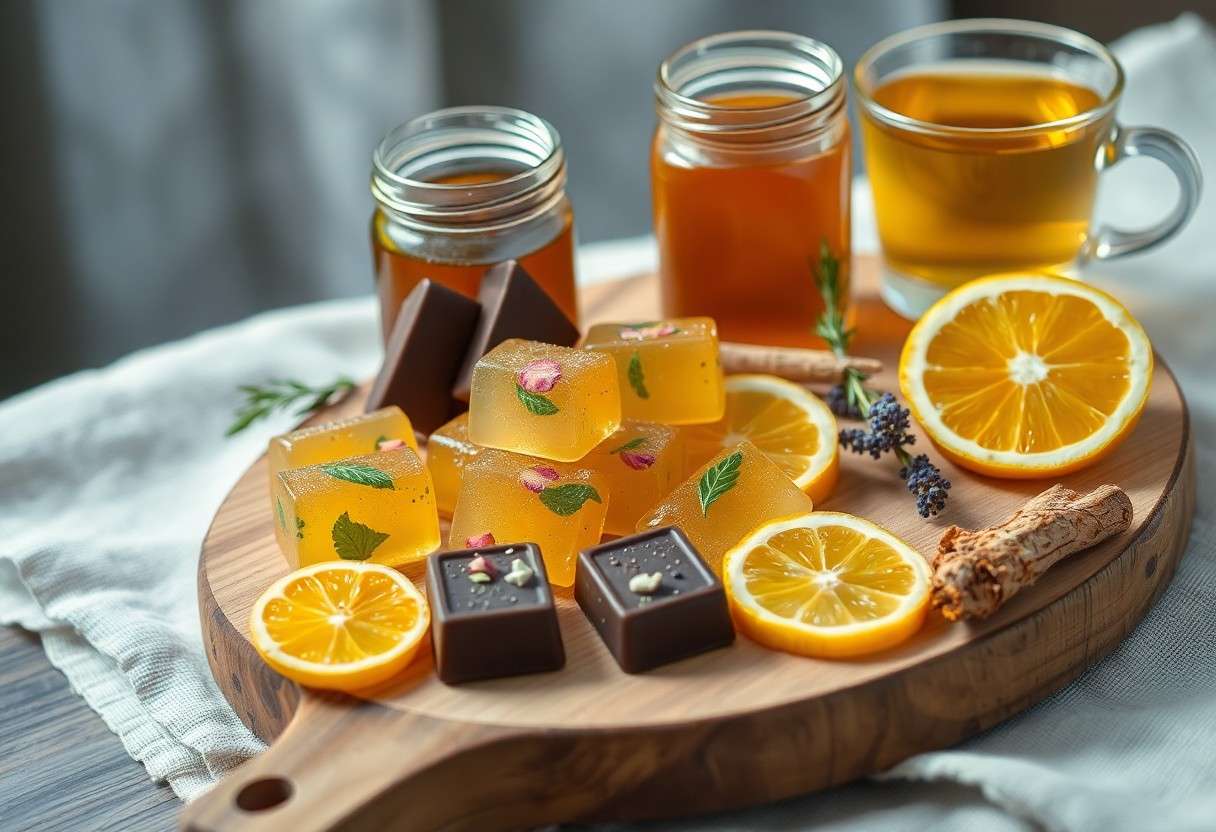
Wellness can improve when you choose botanical-infused confectionery that delivers phytonutrients for digestion, mood, and immunity; you should watch for herb-drug interactions and allergies, and favor products tested for purity and dosage to gain measurable health benefits.
The Science of Botanical Delivery Systems
Bioavailability and Sublingual Absorption
Sublingual delivery in botanical confections lets you bypass hepatic first-pass metabolism, producing higher bioavailability and faster onset for lipophilic phytochemicals. Rapid absorption can increase both efficacy and drug interaction risk, so you should match dosing and formulation to the compound’s pharmacology.
Synergistic Effects of Phytochemicals and Glucose
Blends of phytochemicals with sugar matrices improve palatability and can facilitate transport across membranes via glucose-related pathways, giving you enhanced adherence to therapeutic regimens while accelerating onset. Watch portions to avoid a harmful glycemic burden.
Combinations of flavonoids and sugars often form glycosides that are more readily absorbed, so you may observe amplified circulating antioxidant activity after ingestion. Be mindful that this synergy can potentiate drug effects when combined with certain prescriptions.
Interactions between glucose-driven insulin responses and phytochemical metabolism can alter pharmacokinetics, increasing variability in effect size and timing, so you should consider dose timing relative to meals and concurrent medications.
Cognitive Enhancement and Neuroprotection
You can boost short-term focus with botanical confections that combine adaptogens and cholinergic herbs; these blends support attention and memory encoding when taken in controlled portions. Small, consistent servings help you assess effects while the confection format improves adherence. Use therapeutic doses under professional guidance and note that some formulations contain stimulants-excessive intake may cause anxiety or interact with medications.
Herbal antioxidants and anti-inflammatory compounds in sweets contribute to long-term neuronal health by reducing oxidative stress and supporting synaptic signaling. Choose products with standardized extracts and minimal added sugars so you receive measurable benefit. If you take prescription drugs, consult a clinician since herb-drug interactions can be serious.
Nootropic Infusions for Mental Clarity
Nootropics such as bacopa, lion’s mane, and balanced caffeine/L-theanine blends in confectionery can sharpen working memory and sustained attention for demanding tasks. You should monitor timing and dose to avoid interference with sleep. Pay attention to product quality because poorly standardized nootropics may produce unpredictable effects.
Botanical Support for Long-term Brain Health
Clinical studies link polyphenols and terpenes to enhanced synaptic plasticity and lower markers of neurodegeneration, suggesting regular botanical intake can support cognitive reserve. You can incorporate low-dose, standardized confections into your routine as one element of a brain-healthy strategy while maintaining exercise and sleep habits; expect gradual benefits rather than immediate fixes.
Long-term effectiveness depends on consistent use, product standardization, and lifestyle synergy; avoid high-sugar treats and check labels for concentrated actives. Always consult a healthcare professional about interactions-especially if you use anticoagulants or stimulants.
Adaptogens and Stress Response Regulation
Adaptogens in botanical confections modulate your stress response by gently supporting the HPA axis, helping you sustain more even energy and mood. Lowered cortisol and improved resilience can follow regular low-dose intake, while interactions with medications represent a potential risk you should monitor.
Blending adaptogens into bite-sized sweets gives you controlled dosing and easier adherence than swallowing pills. Overconsumption may cause insomnia, GI upset, or herb-drug interactions, so you should choose products with transparent sourcing and labeling.
Balancing the HPA Axis through Herbal Confectionery
Herbal confectionery can nudge the HPA axis toward balance by delivering steady microdoses that help you reduce reactivity to stress. Reduced stress reactivity and steadier cortisol rhythms are common benefits when you maintain consistent intake.
Consistent daily intake from palatable formats makes it easier for you to maintain therapeutic levels without peaks and troughs. Sleep disruption or blood pressure shifts are potential adverse signs to report to your clinician.
Managing Cortisol Levels with Ashwagandha and Rhodiola
Ashwagandha and Rhodiola in confectionery target cortisol regulation differently-ashwagandha often reduces baseline cortisol while rhodiola blunts stress-induced spikes-so you can notice calmer responses and sharper focus. Lower cortisol and improved stress tolerance are positive outcomes, but interactions with thyroid medications or antidepressants can be dangerous.
Combining standardized extracts within a confection helps you get predictable effects and simpler dosing, though synergy can increase potency. Jitteriness, insomnia, or mood swings may indicate an excessive cumulative dose that you should address.
Clinical studies show withanolides modulate HPA signaling while rosavins and salidroside influence monoaminergic systems, so you can rely on distinct mechanisms when choosing blends. Dosage control and caution during pregnancy or with prescription drugs are high-priority safety considerations for you.
Metabolic Support and Digestive Wellness
You can choose botanical-infused confections containing cinnamon, green tea polyphenols, and bitter melon extracts to support insulin sensitivity and favorable lipid profiles, while enjoying treats; consult your clinician if you use glucose-lowering drugs because of potential hypoglycemia risk.
Cinnamon and berberine-like botanicals in modest doses may moderate postprandial glucose and improve metabolic signaling, yet high intake can interact with anticoagulants or hepatic enzymes, creating a bleeding or drug-interaction risk you should monitor.
Glycemic Impact and Functional Sweeteners
Low-glycemic sweeteners such as stevia, monk fruit, and allulose let you lower caloric and carbohydrate load while keeping flavor and reducing post-meal blood sugar spikes.
Allulose provides sweetness with minimal calories but can cause gastrointestinal upset at high doses, so you should check labels and start with small servings to avoid laxative effects.
Botanical Carminatives for Gastrointestinal Equilibrium
Peppermint, fennel, and chamomile in confections soothe bloating and gas by relaxing gut musculature, helping you feel lighter after meals; note that peppermint can worsen acid reflux and should be avoided if you have GERD symptoms.
Ginger adds anti-nausea and prokinetic benefits, reducing postprandial discomfort while offering antioxidant support, although high doses may interact with blood thinners and pose a bleeding consideration.
Microencapsulation and precise dosing in confectionery let you enjoy carminative botanicals without overpowering flavors and enable predictable therapeutic dosing, yet you should consult a provider when pregnant, breastfeeding, or taking multiple medications because of potential interactions.
Immune Modulation and Antioxidant Defense
Botanicals in confections deliver concentrated phytochemicals that modulate your immune responses and supply antioxidant support, reducing cellular oxidative stress. You benefit from antioxidant-rich compounds like flavonoids and vitamin C that scavenge free radicals and support healthy inflammatory signaling when consumed at sensible serving sizes.
Polyphenols influence immune cell signaling and can help restrain chronic inflammation, supporting recovery and tissue repair. You should be aware that high doses may cause drug interactions or trigger allergic reactions in sensitive individuals, so follow guidance on safe formulations.
Strengthening Cellular Resilience with Polyphenols
You gain mitochondrial support and preservation of antioxidant systems when polyphenol-infused sweets supply compounds that boost glutathione recycling and reduce lipid peroxidation. Such cellular resilience helps limit oxidative damage to membranes and proteins during daily metabolic stress.
Plant-Based Antimicrobials in Functional Sweets
Herbal extracts like cinnamon, clove, thyme and honey provide natural antimicrobial activity in functional sweets, targeting oral and gut pathogens while contributing pleasant flavor. You should note that therapeutic concentrations vary and overuse can cause microbial imbalance or mucosal irritation.
Carefully formulated confections balance efficacy and safety by using standardized extracts, testing stability, and keeping concentrations within regulatory limits; this ensures targeted pathogen suppression without overwhelming beneficial microbes or causing adverse effects.
Formulation Integrity and Quality Standards
Quality control protocols require you to enforce batch-to-batch potency checks and contaminant screens so each confection meets label claims; use GMP-certified processes and validated assays to reduce variability. You maintain documentation for traceability and set actionable release criteria that protect consumer safety.
Standards for analytical verification compel you to perform stability and shelf-life testing alongside allergen and microbial monitoring; employ third-party labs for independent verification when possible. You update specifications as formulations evolve to preserve both efficacy and compliance.
Sourcing Potent Standardized Extracts
Sourcing high-quality extracts means you favor suppliers who provide full phytochemical profiles and consistent marker concentrations so dosing remains predictable; require standardized extracts with validated potency. You confirm extraction methods and solvent residues before approving lots.
Verification of supplier credentials and batch COAs prevents introduction of contaminants, and you implement periodic audits to enforce quality agreements; demand independent contaminant testing for heavy metals and pesticides. You reject any material that fails your acceptance thresholds.
Preservation of Volatile Compounds in Confectionery
Formulation strategies determine volatile retention; you reduce thermal exposure and use microencapsulation or protective carriers to shield terpenes and aromatics during mixing and heating. You optimize binder selection to limit evaporation and preserve sensory effects.
Packaging choices extend aroma life by controlling headspace and barrier properties, so you select high-barrier films, nitrogen flushing and desiccants to limit oxygen and moisture ingress. You label storage conditions to maintain product integrity.
Stability testing using GC-MS and headspace analysis lets you quantify volatile loss under accelerated and real-time conditions, enabling you to tweak pH, water activity and antioxidant levels to minimize degradation and retain therapeutic and sensory profiles.
Summing up
Now you can enjoy botanical-infused confectionery that supplies antioxidants, anti-inflammatory phytochemicals, and calming adaptogens in a palatable form, supporting digestion, stress resilience, and metabolic balance when consumed in moderation. Choosing products with low added sugars and verified botanical doses helps you integrate plant bioactives into daily habits for broader whole-body health.


