Why Certain Candies Are Perfect for Sensory Integration
Just as you seek ways to enhance your sensory experiences, certain candies can serve as effective tools for sensory integration. These tasty treats engage your

This article contains Amazon affiliate links. As an Amazon Associate, CandiesAndSweets earns from qualifying purchases.
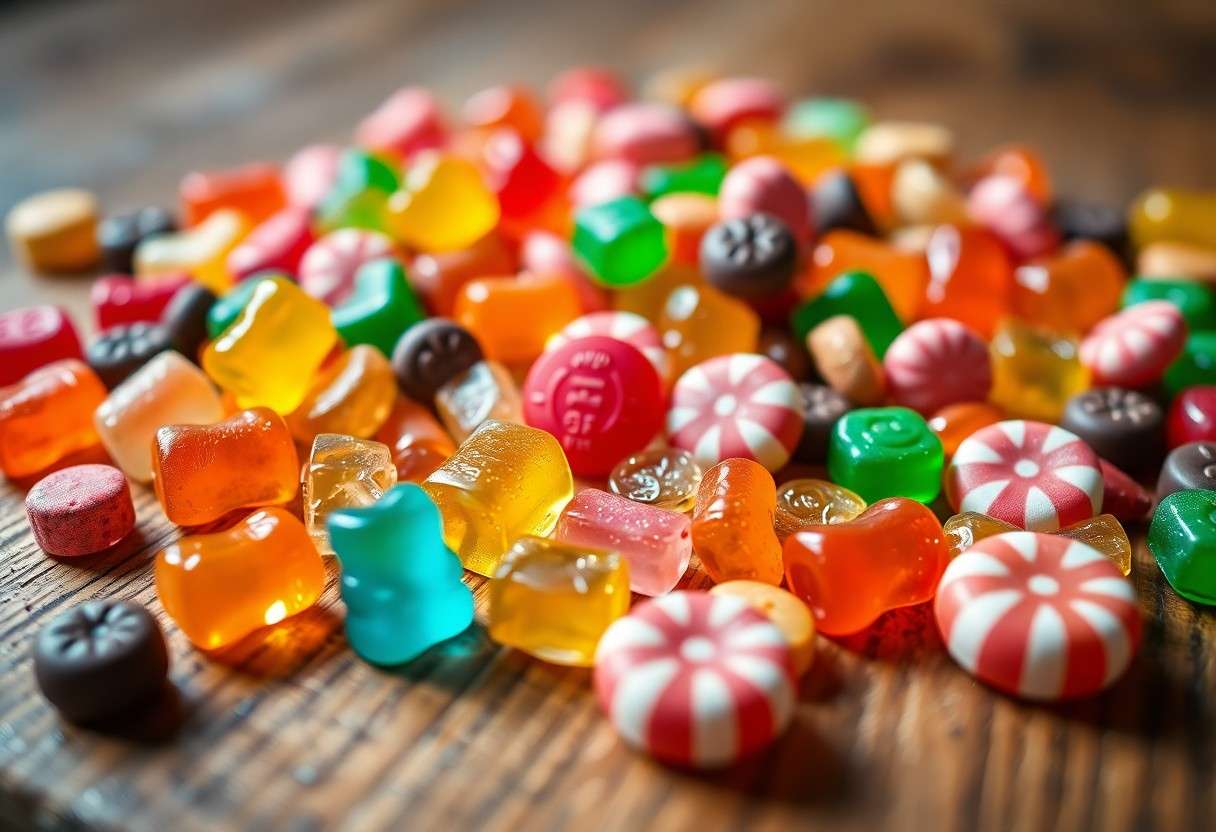
Just as you seek ways to enhance your sensory experiences, certain candies can serve as effective tools for sensory integration. These tasty treats engage your senses through flavors, textures, and colors, making them ideal for individuals looking to improve sensory processing skills. By understanding the characteristics that make specific candies beneficial, you can make informed choices that support your sensory needs or those of loved ones. Discover how incorporating these delightful options into your routine can contribute to a more balanced and enjoyable sensory experience.
The Sensory Symphony: How Candy Engages Multiple Senses
Taste Beyond Sweetness: Exploring Flavor Profiles
Your palate is uniquely capable of experiencing a symphony of flavors beyond mere sweetness. With options ranging from tangy citrus bursts in sour gummies to the rich, bold notes of dark chocolate, candies can offer a spectrum of sensations that tantalize taste buds. This complexity in flavor profiles can engage your sense of taste and stimulate mental processes, helping those with sensory integration challenges to create deeper connections between taste and emotion. For instance, the contrasting flavor of a sweet-and-sour candy may heighten emotional responses, enlivening the experience and providing a welcome distraction during anxious moments.
A candy’s flavor profile can also elicit memories and associations, creating an emotional framework through taste. The nostalgic sweetness of butterscotch or the warm, spiced notes of cinnamon can transport you back to childhood, each bite a journey through your sensory landscape. Updating your tasting experiences with international flavors, such as taro or matcha from Asian candies, allows you to explore how varied flavor combinations interact with your other senses, enriching your overall sensory integration practice.
Textural Effects: The Importance of Crunch vs. Chew
Candy offers a diverse array of textures that can significantly influence your sensory experience. A crunchy candy, such as a caramel-coated nut, provides an immediate, satisfying auditory feedback that resonates through your sensory pathways, while chewy candies like taffy engage your muscles as you work through the texture, promoting a different kind of involvement. This variance in textural interactions can serve as a form of stimulation that enhances sensory processing, making each experience distinct. Textures interact with taste, as the initial crunch followed by a chewy finish can prolong the enjoyment, inviting you to savor the candy longer.
Understanding the dynamics of texture in candy can help tailor your sensory integration activities. For example, you might find that crunchy options add excitement to your experiences, while softer, chewy varieties create a sense of calm and focus. When combined, these textures can create a holistic sensory experience, helping you to navigate and decode the richness of sensory input in your daily life.
The Neurobiology of Sugar: Why Candy Works for Sensory Processing
Understanding how sugar interacts with your brain can illuminate why certain candies have a unique place in sensory integration therapies. Sugar, particularly in its refined form, activates various pathways within your brain, resulting in pleasurable sensations. The immediate gratification you experience when consuming candy is largely attributed to a surge in dopamine levels, a neurotransmitter associated with reward and pleasure. This suspension of momentary stress or discomfort provides an invaluable means of sensory relief, particularly for individuals who are frequently overwhelmed by external stimuli. For someone who benefits from sensory integration, the appeal of candies isn’t just the taste; it’s the neurological response that continues to engage your brain positively.
Dopamine Release: The Reward Pathway Uncovered
Engaging with sugary treats like candy sets off a cascade of dopamine release in your brain. Dopamine functions as a chemical messenger that plays a significant role in how you feel pleasure. When you consume candy, and the sugar enters your bloodstream, your brain registers this influx as rewarding, which reinforces the behavior of seeking out sweet treats. This positive feedback loop can be particularly helpful in sensory integration therapy, where finding effective rewards can be challenging. Each time you indulge in your favorite candy, your brain associates it with a beneficial experience, motivating you to explore other sensory activities that might require rewarding as well.
Candy and Stress: How Sugar Affects Anxiety Levels
The consumption of candy can also have an immediate impact on your stress levels by acting as a quick source of energy and serotonin production. As you consume sugary snacks, your body releases insulin, which helps to metabolize glucose effectively, providing an energy boost that can momentarily alleviate feelings of anxiety. This quick fix can feel like a reprieve, especially for those navigating sensory overload. However, the effects might not last, leading to a sharp drop in energy and potentially increasing feelings of stress. Balancing sugar intake becomes key to maintaining a stable mood, allowing you agility in how you respond to sensory stimuli without being reliant on candy alone.
With this in mind, it’s worthwhile to note that not all candies are created equal when it comes to their effects on stress and anxiety. Some candies that are high in sugar and artificial ingredients may exacerbate feelings of jitters or anxiety after the initial spike in pleasure fades. Opting for candies with natural ingredients, or even those that offer added benefits like magnesium, can help stabilize your mood while still providing that rewarding sugar experience. By being mindful of your candy choices, you can effectively harness the benefits of sugar while minimizing its potential downsides on your mental well-being.
Crafting the Perfect Experience: Choosing the Right Candies for Sensory Needs
Visual Appeal: Color and Presentation Enhancement
Colors play a significant role in sensory integration, and the right candy selections can create an engaging kaleidoscope that captivates not just visually, but emotionally as well. Bright, vivid hues—like neon pinks, electric blues, and sunny yellows—can stimulate your senses and evoke feelings of joy and excitement. Just consider how a vibrant display of rainbow-colored gummies can instantly brighten a gathering or a session designed for sensory support. Presentation, too, matters; using clear jars, elegant serving trays, or themed decorations can elevate the candy experience, turning a simple treat into an extravagant sensory journey.
Flavor Balance: Sweet, Sour, and Beyond for Engagement
The world of candy is rich with a variety of flavors that can engage your taste buds and provide distinct sensory experiences. Think about how sour candies, like sour belts or tangy gummies, create a zesty pop that contrasts beautifully with sweet confections. This flavor interplay not only adds depth to your experience but can also enhance attention and focus during tasks requiring sensory integration. Balancing sweet and sour in your candy selection fosters curiosity as you explore different sugar compositions, heightening your awareness of taste and flavor variations.
When you incorporate a mix of flavors, including adventurous combinations such as sweet-and-spicy or salty-sweet treats, you further expand the sensory palate. These unique flavor profiles can stimulate your brain’s reward pathways, encouraging a willingness to explore and engage more fully with your surroundings. Varieties like cherry cola gummies or chocolate-covered pretzels offer unexpected surprises that pique your interest, inviting you to savor and compare textures and tastes. Crafting a diverse flavor experience not only satisfies cravings but also promotes sensory play and exploration, making your candy choices a vital component in achieving sensory integration goals.
Real-World Applications: Sensory Integration in Clinical Settings
Clinical settings increasingly incorporate sensory integration strategies to support children with sensory processing challenges. Occupational therapists often design personalized therapeutic plans that include tactile experiences, such as using candy to engage children in a multisensory approach. By allowing kids to explore different textures, tastes, and aromas, these professionals create opportunities for improved focus and self-regulation. Using candy with various sensory attributes can facilitate calming strategies, making therapy sessions more enjoyable and productive.
In many clinics, children are encouraged to engage with specific candies during exercises that promote fine motor skills and hand-eye coordination. For example, placing gummy bears on a small spoon requires fine motor manipulation, while allowing a child to practice counting or sorting can boost cognitive skills. Therapists carefully select candies that provide pleasant sensory input while ensuring they align with each child’s dietary restrictions or preferences.
Therapist Recommendations: What Professionals Advise
In terms of selecting the best candy for sensory integration, therapists often recommend options that offer a variety of textures and flavors. Chewy and gummy candies provide excellent tactile experiences, while hard candies can be beneficial for oral motor skills. Additionally, colorful candies can stimulate visual processing, drawing the child’s attention to specific activities or exercises. Therapists may suggest that parents use these candies as incentives during therapy sessions, making them a reward that enhances motivation and focus.
Incorporating candy into therapy does not merely serve as a treat; it can also be employed as a powerful tool for behavior modification. For example, therapists might suggest using candies to reinforce positive behavior or achievement of specific goals, thus incentivizing engagement with therapeutic activities. As social skills are developed through snack-sharing exercises or teamwork with peers, the candy becomes not just a sensory experience but a bridge to important social interactions.
Success Stories: Transformative Experiences for Children
Countless success stories highlight the transformative impact of sensory integration therapies that incorporate candy. Children who previously struggled with anxiety or attention issues often exhibit improved focus and calmness when engaging with these multisensory activities. One mother recounts how her son used to resist therapy sessions but now eagerly anticipates them thanks to the introduction of candy. After consistently incorporating gummy candies into fine motor tasks, his hand strength has significantly improved, allowing him to complete his homework without frustration.
A particularly compelling case involves a young girl who previously exhibited extreme sensory aversions and difficulty in social settings. By incorporating lollipops into her therapy sessions, her therapist was able to create a more relaxed atmosphere. The act of licking and enjoying the candy provided comfort, allowing her to engage more freely in social play. Over several months, her parents noted substantial improvements in her ability to engage with peers, transitioning from isolated play to shared games that included communication and collaboration.
This approach to sensory integration not only fosters a positive therapeutic environment but also builds confidence in children as they see tangible results from their interactions. By utilizing candy as a catalyst for such transformative experiences, families can nurture growth in areas that matter most to their children. As these stories unfold, the potential for meaningful change becomes apparent, demonstrating that the right combination of sensory engagement tools can unlock a child’s possibilities.
Parenting Perspectives: Navigating Candy in Sensory Diets
Setting Boundaries: Managing Candy Consumption
To effectively incorporate candy into sensory diets, you can establish clear guidelines around candy consumption. This might mean setting specific times for treats, designating particular types of candy that are acceptable, and crafting a plan for how much candy can be consumed per day or week. Balancing the desire to include sensory-friendly candies with the need for moderation helps in maintaining your child’s overall health while addressing their sensory needs. A strategy like the ‘treat jar’ can be especially effective, offering a visual representation of how much candy is available, thereby empowering your child to make choices within set limits.
Monitoring after candy consumption can also be beneficial. After a candy treat, engage your child in a discussion about how they feel—did the sweetness help them focus? Did it provide the sensory input they were seeking? These reflective moments help reinforce the purpose of including candy in their sensory diet while allowing you to assess its effectiveness, making adjustments as needed.
Celebrating Successes: Positive Reinforcement with Treats
Using candy as a form of positive reinforcement can create a powerful incentive for your child. Celebrating achievements, whether they are related to sensory goals or academic milestones, attaches feelings of pleasure to success. For instance, rewarding your child with a favored candy after they complete a challenging activity can not only reinforce their achievement but also make them more likely to engage enthusiastically in future tasks. This positive association with candy becomes an integral part of their growth process, illustrating how rewarding good efforts creates motivation.
Pairing certain candies with behavior goals can enhance your child’s engagement and understanding of expectations. For instance, if your child successfully manages their sensory processing during a busy family outing, sharing a small packet of candy afterward serves as a tangible acknowledgment of their effort. This will not only build a lasting connection between completing the tasks and receiving rewards but also brighten their mood while reinforcing the use of treats as a motivational tool. Regularly celebrating these small victories through candy can cultivate a sense of accomplishment in your child and build their confidence in managing their sensory experiences effectively.
Final Words
With these considerations, you can understand why certain candies are particularly effective for sensory integration. The unique blend of textures, flavors, and colors can provide a rich sensory experience that helps in enhancing focus and engagement. Whether it’s the chewy consistency of gummies or the crunchiness of chocolate-covered nuts, each type of candy presents an opportunity for varying sensory input, enabling you to strategically use them to aid in sensory processing challenges.
Incorporating these thoughtfully selected candies into your routine can offer both enjoyment and support for sensory integration. As you explore the various options available, consider how each candy meets different sensory needs and preferences. By making informed choices, you can create a balanced sensory diet that fosters improved concentration, relaxation, and overall well-being.


