How Cardamom and Rose Water Elevate Traditional Confectionery
Over time you discover that cardamom's warm, citrusy aroma and rose water's floral clarity enhance flavor and texture, while excess can overpower or trigger all

This article contains Amazon affiliate links. As an Amazon Associate, CandiesAndSweets earns from qualifying purchases.
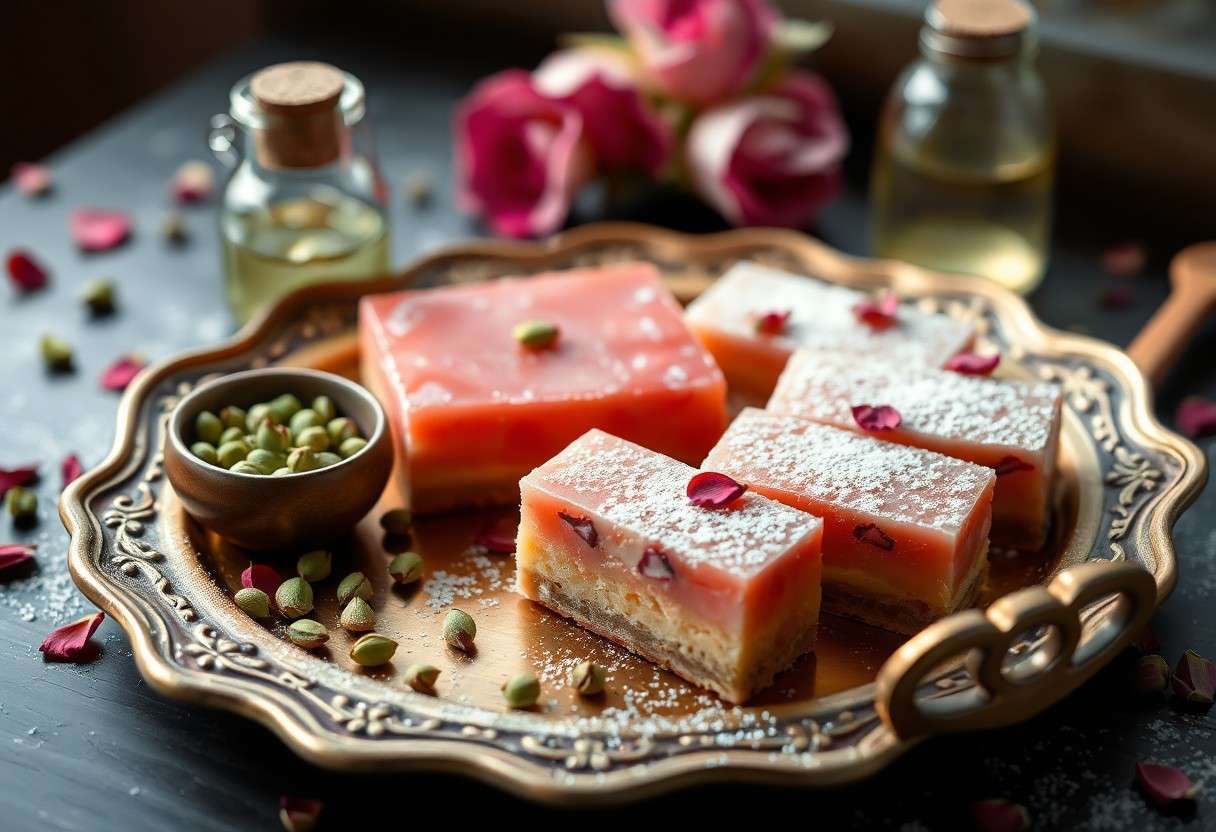
Over time you discover that cardamom’s warm, citrusy aroma and rose water’s floral clarity enhance flavor and texture, while excess can overpower or trigger allergies, so you measure precisely to preserve traditional balance.
Historical Roots and Cultural Significance
Across centuries you encounter cardamom and rose water as markers of celebration and hospitality, woven into family recipes and festival sweets. You notice how their scents turn simple treats into cultural memory, with aroma signaling luxury and ceremonial importance that persists in bakeries and home kitchens alike.
You observe social meanings attached to these ingredients-status in courts, comfort in homes, and continuity across migrations-so that each bite you take carries layered histories and community identity, often preserved through oral recipes and ritual use.
Cardamom’s Origins in the Ancient Spice Trade
Caravans carried cardamom from Indian forests to Arabian ports, and you can trace its path through trade records and recipes that reached the Mediterranean. You taste its warming, resinous profile in traditional confections, even as overharvesting threatens wild stocks and shifts supply and flavour in markets you depend on.
The Persian Legacy of Rose Water Distillation
Persia refined rose-water distillation so you now experience a floral clarity in confections that stems from centuries-old techniques; the practice made rose water a staple of courtly sweets and religious offerings, noted for its exceptional purity and delicate aroma.
Today artisans maintain copper stills and seasonal harvesting that let you sample authentic rose waters, while market pressures introduce risks-adulteration undermines quality-making provenance and craft crucial when you seek genuine floral lift in desserts.
The Chemistry of Flavor Profiles
You observe how perceived sweetness, acidity, and texture interact with the volatile fraction-esters, terpenes, and aldehydes-to shape aroma and aftertaste, and you can tweak those variables to guide the palate.
Sugar and fat matrices alter how you release and retain aromas during cooking, so controlling temperature and timing will change aromatic volatility and the balance between floral notes and background caramelization.
Terpenes and Aromatic Compounds in Cardamom
Cardamom contains terpenes such as 1,8‑cineole, α‑terpinyl acetate, and limonene that give eucalyptus, citrus, and resinous facets you can use to brighten confections with fresh top notes.
Balance is required because you risk degrading terpenes with prolonged heat, so you preserve aroma by infusing late, using cold maceration, or adding crucial fractions just before plating.
The Delicate Volatile Oils of Damask Roses
Rose oil is dominated by citronellol, geraniol, and phenylethanol, which provide the honeyed, soft floral character you rely on to add elegance without clashing with spices.
Petals yield extremely volatile oils that oxidize and may produce off‑notes or trigger allergic reactions, so you handle extracts gently and store them protected from light and heat.
Distillation, enfleurage, or solvent extraction each preserve different aroma fractions, and you will find low‑temperature enfleurage or careful solvent methods retain phenylethanol and delicate top notes better than high‑temperature steam distillation, which can cause thermal degradation.
Achieving Aromatic Balance in Confectionery
Balance the warm, resinous heat of cardamom with the soft floral lift of rose water so you preserve texture and aroma in delicate sweets; you should aim for subtle lift rather than dominance by testing tiny batches.
You can control intensity through sequencing and dilution: infuse cardamom into fat and add rose water late to keep brightness, keeping quantities minimal to avoid a soapy or overpowering finish.
Harmonizing Earthy Heat with Floral Brightness
Cardamom’s green, citrusy character gives structure to confections, and you should toast pods gently to release oils without introducing bitterness; use freshly crushed pods for clearer top notes.
Mix ground or infused cardamom with floral elements incrementally and taste as you go, because you must find a balance where cardamom frames but does not dominate the rose.
Enhancing Sweetness Profiles through Aromatics
Rose water enhances perceived sweetness so you can reduce sugar slightly while keeping indulgence; you should start with a few drops and expand cautiously to prevent a perfumy, soapy aftertaste.
Taste desserts at service temperature since warm preparations release aromatics more readily, and you may need different dosages for ice creams versus syrups-adjust sugar and acid accordingly as you refine recipes.
Experiment with forms – hydrosol, distilled rose water, crushed pods, or crucial oil – because you must account for potency: crucial oil is highly concentrated and can overpower flavors, so you should use minute amounts and keep careful notes for replication.
Iconic Regional Applications
Across kitchens, you find cardamom and rose water weaving through sweets, signaling celebrations and everyday treats; their scents define cultural identity without overwhelming palates.
Local artisans show you how to dose spice and floral water precisely so syrup, cream or pastry sing together; a small excess can produce a bitter or medicinal note that ruins texture and aroma.
Middle Eastern Traditions: Baklava and Turkish Delight
Baklava often sees a touch of ground cardamom and a few drops of rose water in its syrup, and you will notice the spices lift honeyed layers; resist over-sweetening to preserve nuance.
Turkish Delight relies on rose water as its signature aroma while cardamom adds a warm undernote, so you should balance intensity so the confection stays fragrant rather than cloying; small measures yield elegance.
South Asian Heritage: Gulab Jamun and Kulfi
Gulab jamun soaks in rose-scented syrup where a whisper of cardamom lifts dairy richness, and you must monitor syrup temperature to avoid texture faults; precise timing ensures softness.
Kulfi benefits when crushed cardamom is infused into milk and rose water is added sparingly so you taste floral threads amid creamy ice cream; over-flavoring masks milk’s sweetness.
You can adapt recipes regionally by using green cardamom for bright citrus notes or black cardamom for smoky depth, and you should always taste as you go to avoid overpowering delicate dairy bases.
Modern Culinary Techniques and Infusions
You can apply controlled infusion techniques like sous-vide and low-temperature maceration to preserve the delicate floral notes of rose water while coaxing out the warm spice oils of cardamom, keeping aroma balanced and avoiding over-extraction.
Experimental methods such as ultrasonic extraction and enzymatic clarification let you target specific volatiles, giving you cleaner fragrance and more consistent results for delicate confections.
Advanced Extraction and Syrup Preparation
Steam distillation and cold maceration let you separate hydrosols for subtle rose notes and concentrated cardamom oils, but you must monitor temperature to prevent bitter phenolics and loss of top notes.
- Cold maceration – preserves fresh floral compounds with minimal heat.
- Ultrasonic extraction – increases yield of cardamom oils while reducing steep time.
- Alcohol tinctures – extend shelf life and produce stable flavor concentrates.
| Method | Result |
|---|---|
| Cardamom crushing | Increased oil release and deeper spice |
| Rose petal cold infusion | Preserved delicate fragrance |
| Steam distillation | High-purity aromatic hydrosol |
| Alcohol tincture | Longevity and concentrated aroma |
Syrup preparation requires measured sugar-to-water ratios and gentle simmering so you retain volatile aromatics, and you should finish with low-heat reduction or brief alcohol blending to lock in scent.
Contemporary Fusion in Western Pastry Arts
When you integrate cardamom and rose water into creams, glazes, or laminated doughs, balance between spice and floral note is achieved by pairing with citrus or dairy to modulate strength and highlight bright, comforting flavors.
Practically, you can use rose water in meringues and cardamom in pastry creams, testing micro-batches to find the ideal concentration so your pastries retain nuance without becoming cloying.
Sourcing and Quality Preservation
Store spices and hydrosols away from heat, light, and humidity to preserve volatile oils and floral notes; you should use airtight, opaque containers and cool storage to limit oxidation and scent loss.
Keep batch dates and supplier details to trace origins and spot adulteration; you will want vendors who provide harvest and distillation transparency to reduce the risk of contamination.
Identifying High-Grade Green Cardamom Pods
Choose plump, unwrinkled pods with a vivid green color and a heavy feel; you will detect quality by crushing one to release a sweet, resinous aroma.
Inspect for holes, discoloration, or powdery residue that signal infestation or age, and prefer pods from sellers who test for pesticide residues.
Distinguishing Culinary-Grade Rose Hydrosols
Smell samples for a clean, fresh rose note without chemical or medicinal off-notes; genuine culinary hydrosols offer a layered scent profile rather than a flat aroma.
Confirm that labels state steam distillation and list only rose species like Rosa damascena, since additives can mask spoilage and increase microbial contamination risk.
Note that you should refrigerate opened hydrosols and use them within weeks; reject any bottle with cloudiness, strong off-odors, or unexpected color shifts as signs of spoilage or adulteration.
To wrap up
Conclusively you observe cardamom’s warm, citrusy spice and rose water’s floral sweetness refine textures and balance sweetness in traditional sweets, giving you layered aroma and a cleaner finish that highlights base ingredients. You should add measured amounts to pastries, halva, or syrup-soaked treats so the scents complement fruit, nuts, and syrups without overpowering them.


