How to Care for Chocolate in Humid Environments
Chocolate can be a delightful treat, but it poses unique challenges in humid environments. If you live in a tropical area or experience high humidity levels, it

This article contains Amazon affiliate links. As an Amazon Associate, CandiesAndSweets earns from qualifying purchases.
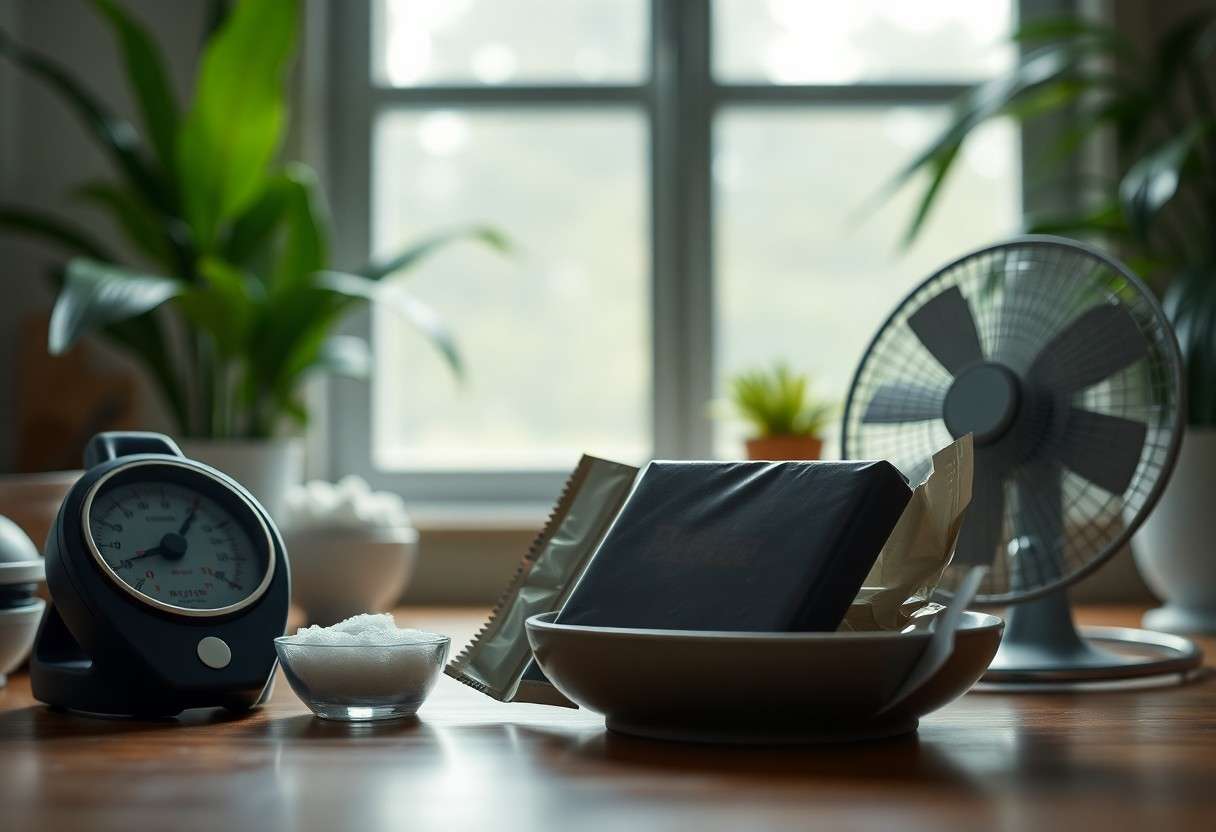
Chocolate can be a delightful treat, but it poses unique challenges in humid environments. If you live in a tropical area or experience high humidity levels, it’s important to understand how to properly store and care for your chocolate to maintain its quality and flavor. In this guide, you will learn practical tips and techniques to keep your chocolate fresh and appealing, ensuring that you can enjoy it to the fullest, regardless of the weather outside.
The Science of Chocolate and Humidity
How Humidity Affects Chocolate Quality
Humidity has a direct impact on chocolate quality, primarily through the phenomenon known as sugar bloom. In humid conditions, moisture from the air dissolves the sugar on the chocolate’s surface, leading to unsightly white streaks or a powdery appearance as this moisture evaporates. This not only affects the aesthetic appeal but can also change the texture, causing your chocolate to feel gritty and less enjoyable to eat. Moreover, excessive moisture can lead to mold growth, which poses a health risk and further detracts from the quality of your chocolate.
Additionally, high humidity levels can compromise the emulsifiers within chocolate. When chocolate absorbs too much moisture, it can lead to a breakdown of its structure, making the chocolate more prone to melting prematurely. For instance, when you leave a bar of chocolate in a humid environment, the layers may separate, resulting in a crumbly texture. These alterations in quality can make even the finest chocolate unpalatable, diminishing your overall experience.
The Role of Temperature in Chocolate Preservation
Temperature plays a fundamental role in maintaining the integrity of your chocolate, especially when dealing with humidity. Ideally, chocolate should be stored in a cool, dry place where the temperature remains consistent, ideally around 65°F to 70°F (18°C to 21°C). If chocolate is stored in conditions that are too warm, it can melt, losing its original texture and flavor. Conversely, excessively low temperatures can introduce other complications, such as fat bloom, where cocoa butter rises to the surface and creates a dull appearance.
Maintaining a stable temperature not only preserves the flavor and texture of chocolate but also helps avoid the risks that come with temperature fluctuations. For instance, if the chocolate is moved between different temperatures frequently, condensation can form on its surface, promoting moisture-related issues such as sugar bloom or mold. Regularly monitoring your storage environment will help you keep your chocolate at its best.
| Humidity | Can cause sugar bloom and mold, impacting texture and health. |
| Temperature | Excessive heat can melt chocolate; extreme cold can lead to fat bloom. |
The ideal temperature for chocolate preservation is paramount, as variations can induce unwanted changes in the chocolate’s structure. For instance, chocolate stored above 75°F (24°C) may begin to melt or develop unsightly bloom, whereas temperatures below 60°F (16°C) can cause the cocoa butter to crystallize improperly. Furthermore, fluctuations can lead to condensation which exacerbates moisture-related issues. Keeping it at the recommended temperature range minimizes risk, preserving both flavor characteristics and overall satisfaction with your chocolate.
| Optimal Temperature | 65°F to 70°F (18°C to 21°C) |
| Humidity Level | Below 50% for best results |
Choosing the Right Chocolate for Humid Environments
Types of Chocolate Best Suited for Humidity
Selecting the right type of chocolate can significantly enhance your chocolate experience in humid conditions. Generally, chocolates with a higher cocoa content are more stable due to their lower sugar content, which minimizes moisture absorption. Dark chocolate, with its robust cocoa percentage, tends to fare better than milk and white chocolates in humid climates. Additionally, chocolates specifically crafted for tropical environments may include stabilizing agents that enhance their durability against humidity.
| Type of Chocolate | Humidity Resistance |
|---|---|
| Dark Chocolate | Highly resistant due to lower sugar content |
| Milk Chocolate | Moderately resistant, sensitive to moisture |
| White Chocolate | Least resistant, high sugar |
| Couverture Chocolate | Good stability, often used by professionals |
| Specialty Tropical Chocolates | Formulated for extreme humidity |
- Dark chocolate is your best option due to its composition.
- Milk chocolate offers moderate resistance, but keep it in a cool place.
- Avoid white chocolate in excessively humid conditions, as it can easily bloom.
- Couverture chocolate provides durability and is ideal for crafting.
- Seek specialty tropical chocolates that are tailored for high humidity.
The type of chocolate you choose can determine how well it retains its flavor and texture in humid environments. By opting for chocolates with higher cocoa content and those specifically designed for such climates, you enhance your chances of enjoying premium chocolate that holds up against the elements. Additionally, understanding the formulations can help you make informed purchasing decisions.
Reading Labels: What to Look For
Labels provide critical information when selecting chocolate for humid climates. Pay special attention to ingredients; the best chocolates will have a higher cocoa percentage and fewer additives. Look for words like “emulsifier” and “stabilizer,” which indicate that the chocolate has been formulated to withstand temperature and humidity fluctuations. Also, be cautious about the sugar content, as higher sugar levels can attract moisture and lead to undesirable blooming.
Choosing chocolate with specific labels can make a significant difference in quality, especially in regions with high humidity. Chocolates that explicitly state their suitability for high-moisture environments are preferable, as they are formulated to resist common humidity-related issues. Prioritize options that contain minimal preservatives, and consider any storage recommendations provided on the packaging to further ensure the chocolate’s integrity.
Essential Storage Tips for Humid Climates
Storing chocolate in humid climates requires careful consideration to maintain its quality and prevent unwanted changes in texture and flavor. Always choose airtight containers that are specifically designed to keep humidity at bay. You want to avoid any moisture getting into your chocolate stash, as it can lead to bloom—a whitish coating that affects the texture and taste, even if it’s still safe to eat. Consider using silicone bags or vacuum-sealed containers to create a protective barrier around your precious treats. Here are some effective storage tips:
- Keep chocolate in an airtight container to minimize exposure to humidity.
- Store your chocolate away from strong odors, as it can easily absorb them.
- Maintain a consistent temperature in the storage area; avoid direct sunlight and fluctuating temperatures.
- Do not refrigerate unless absolutely necessary, as this can cause moisture condensation.
Thou may find it useful to check the humidity levels in your home regularly—ideally, they should be below 50% to keep your chocolate in prime condition.
Optimal Containers for Chocolate Storage
The type of container you choose significantly impacts the preservation of chocolate in humid environments. Glass jars with airtight seals or durable plastic containers help create a tight environment to keep moisture out. Make sure any container you opt for is non-reactive, as certain materials can influence the chocolate’s flavor. If you’re storing bars, keep them in their original packaging before placing them in another container to provide an extra layer of protection against humidity.
Your selection may vary based on the form of chocolate you’re trying to store. For loose chocolate chunks or chips, use a breathable material like muslin bags taped securely, while for molded chocolates or gourmet truffles, investing in a small vacuum sealer might be worthwhile. This extra investment ensures you have prolonged freshness, even in challenging climates.
Ideal Locations for Chocolate Preservation
Finding the right location for chocolate storage is equally important. A dedicated pantry or a cool, dry cupboard away from any heat sources is ideal. Avoid cabinets near ovens or microwaves, as these spots can unexpectedly heat up and increase humidity levels, making your chocolate vulnerable. If your home tends to retain heat, consider alternative solutions like a climate-controlled room or even a wine fridge where the temperature and humidity can be monitored.
Humidity can rise dramatically in the kitchen during cooking sessions, so relocating your chocolate away from this activity will help maintain its integrity. Store your chocolate in a consistent temperature environment, keeping it ideally between 65°F and 70°F (18°C to 21°C). This range not only preserves flavor and texture but also helps mitigate risks associated with humidity. Take these steps, and you shall enjoy delicious chocolate without worry, even in humid climates.
Best Practices for Preparing and Using Chocolate
Techniques to Temper Chocolate in Humidity
Tempering chocolate in a humid environment requires precise control of temperature and conditions. Start by chopping your chocolate into small, uniform pieces to ensure even melting. Use a reliable thermometer to monitor the chocolate’s temperature closely. For dark chocolate, aim for a temperature of about 120°F, then cool it to between 88°F to 90°F. For milk or white chocolate, melt it to around 110°F and then cool it down to 86°F to 88°F. Throughout the tempering process, humidity can affect the chocolate’s setting, so using a dehumidifier in your workspace or tempering area can keep moisture levels at bay. A silicone spatula is also beneficial for stirring, as it allows you to incorporate air bubbles without compromising the shine or quality.
Creative Ways to Use Chocolate Without Compromising Quality
Finding innovative ways to utilize chocolate without losing its quality can be both fun and rewarding, especially in humid environments. Consider incorporating chocolate into baked goods, where the high heat can mitigate humidity issues; brownies or cakes tend to hold moisture better. Alternatively, try making chocolate ganache for fillings or drizzles, as this versatile mixture can be adjusted to suit your needs. By combining chocolate with ingredients like butter or cream, you can enhance the texture and stability, creating a luxurious finish regardless of the climate.
Experimenting with ganache opens up a myriad of creative opportunities. Its versatility means you can flavor it with spices, oils, or extracts that complement the chocolate, while also adjusting the thickness to suit various applications. Furthermore, crafting chocolate bark or molded chocolates adds a personal touch to your creations, allowing you to incorporate ingredients like nuts, dried fruits, or seeds, which can provide additional texture and flavor diversity. This approach not only safeguards the quality of the chocolate but also transforms it into exciting treats that are sure to impress.
Troubleshooting Common Chocolate Issues
Identifying Signs of Spoilage or Bloom
Chocolate can exhibit various signs of spoilage or bloom, particularly in a humid environment where moisture and temperature fluctuations are likely. One of the most common indicators is the appearance of a white, powdery film on the surface, known as fat bloom. This occurs when the cocoa fat separates from the chocolate and recrystallizes on the surface. In addition to fat bloom, sugar bloom can occur when moisture seeps into the chocolate, causing sugar to dissolve and then recrystallize, resulting in an unsightly rough texture. Both types of bloom don’t make chocolate hazardous to eat but do affect its aesthetic and texture, which may not be ideal for presenting or gifting chocolate.
Another sign you should look out for is a change in scent or taste. Chocolate that has absorbed moisture may develop a musty or off-flavor. If the chocolate is significantly past its expiration date, inspect for any unusual odors or signs of mold. While properly stored chocolate should have a long shelf-life, changes in its characteristics can indicate spoilage that may render it inedible.
Remedies for Restoring Chocolate Texture
If you encounter chocolate with bloom, it’s possible to restore its texture with careful handling. For fat bloom specifically, gently melting the chocolate in a double boiler or microwave can help to remarry the fat with the chocolate itself. Once melted, allowing the chocolate to cool slowly while stirring can encourage a smoother texture to return. For sugar bloom, gently spreading the chocolate in a thin layer on a parchment-lined tray can help. This allows some moisture to escape as it cools, and upon re-tempering, it will regain some of its original consistency. Avoid high heat, as this can lead to burning or seizing.
For best results in restoring chocolate texture, ensure you’re monitoring temperatures while melting. Keeping the chocolate within a controlled temperature range (ideally between 86°F to 90°F for dark chocolate) prevents separation and maintains the crystalline structure of the fats. Make use of a thermometer to avoid overheating, which greatly diminishes the quality. Depending on the type of chocolate, a slow cooling process might also yield better results, helping prevent the formation of unwanted textures as the chocolate re-cools and solidifies.
To Wrap Up
Taking this into account, it is crucial that you implement the proper storage techniques when caring for your chocolate in humid environments. Ensure you keep your chocolate in a cool, dry place, ideally below 70°F (21°C), and shield it from moisture by using an airtight container. Consider utilizing desiccants or moisture-absorbing packets inside the container to further safeguard your chocolate from humidity while still allowing it to breathe. By doing so, you can maintain its quality and texture, preventing any unwelcome dampness that may ruin your chocolate’s flavor and consistency.
Additionally, if you notice any white film appearing on your chocolate, known as bloom, it is a sign that moisture and temperature fluctuations have affected it. Although this does not typically compromise safety, the flavor and texture may be altered. To combat this, take proactive measures to store your chocolate correctly, and regularly check its condition. By understanding and applying these best practices, you will ensure that your chocolate remains enjoyable and delightful even in humid conditions.


