Mexican Chamoy Trend Spreads Tangy-Spicy Candy Popularity Beyond Regional Boundaries
Most candy enthusiasts are discovering the vibrant, tangy-spicy flavor of chamoy, a Mexican delight that is transforming the confections landscape. With its uni

This article contains Amazon affiliate links. As an Amazon Associate, CandiesAndSweets earns from qualifying purchases.
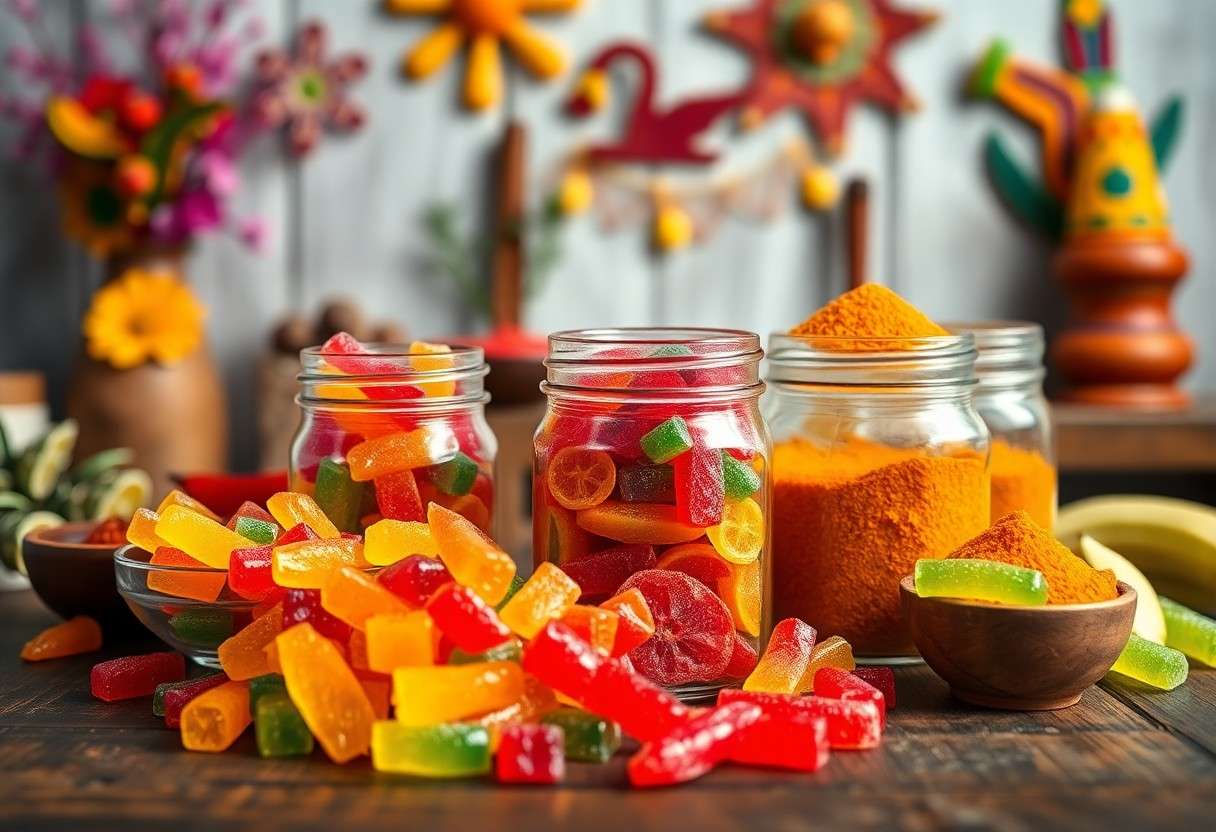
Most candy enthusiasts are discovering the vibrant, tangy-spicy flavor of chamoy, a Mexican delight that is transforming the confections landscape. With its unique blend of chili, fruit, and lime, chamoy offers a bold taste that appeals to diverse palates. As you explore this trend, you’ll find it enhances everything from fruit to cocktails, making it a versatile addition to your culinary repertoire. The growing popularity of chamoy is a testament to its appeal that transcends borders, inviting you to enjoy a taste sensation that celebrates bold flavors.
The Origins of Chamoy
Historical Background
The origins of chamoy are rooted in Mexican culinary traditions, evolving from a blend of indigenous practices and Spanish influence. The initial creation likely stemmed from the use of pickled fruits and spices, a technique that predated the arrival of Europeans in the Americas. Over time, this led to the invention of chamoy, which utilizes local ingredients such as apricots, mangoes, or plums, often pickled in a mixture of chili powder, vinegar, and salt. The earliest recorded uses can be traced back to the 19th century, although local variations may exist that extend even further into Mexico’s rich gastronomic history.
Cultural Significance
Chamoy has evolved from a regional delicacy into a symbol of Mexican identity, celebrated not just for its taste but also for its role in social gatherings and celebrations. You’ll often find chamoy at street markets, fairs, and family gatherings, where it brings people together over shared culinary experiences. As you explore various forms of this sauce, from its utilization as a topping for fruit to its incorporation in drinks and cocktails, you begin to understand its versatility and appeal.
This condiment embodies more than flavor; it represents a rich history of resourcefulness and creativity within Mexican culture. The use of chamoy in modern-day recipes and treats reflects a connection to heritage, allowing generations to connect through shared tastes and traditions. Festivals celebrating traditional foods frequently feature chamoy as a staple ingredient, highlighting its importance within the broader context of Mexican cuisine.
The Making of Chamoy
Ingredients and Preparation
To create authentic chamoy, you’ll typically start with dried fruit, most commonly apricots, mangos, or plums, which impart a rich, fruity base. Combine these dried fruits with chili powder, salt, sugar, and vinegar to achieve that signature blend of sweet, sour, and spicy. The combination of these ingredients creates a unique flavor profile that’s not only complex but also addictive. After soaking the dried fruits in water and blending them with the spices and vinegar, the mixture should be simmered until it reaches a thick, sauce-like consistency.
The balance of flavors is key, so adjusting the levels of salt, sugar, and chili is vital for achieving your desired taste. Some variations may incorporate additional elements such as lime juice for extra acidity or even tamarind for depth. You can always personalize your chamoy recipe, experimenting with ingredients until you find your perfect recipe that suits your palate.
Variations Across Regions
Chamoy isn’t a one-size-fits-all treat; its recipes and styles vary significantly across different regions in Mexico. In Jalisco, you might find a sweeter iteration that plays well with fruit snacks, while in Veracruz, the focus shifts towards a smokier flavor, often using chipotle chilies for a bolder kick. Each region’s unique climate and agricultural produce also influence the choice of fruits and spices, leading to distinct versions that can surprise any chamoy enthusiast.
In many cases, you’ll discover that local markets offer their own in-house sauces, each carrying a signature taste that locals swear by. Some vendors even create limited-time seasonal flavors infused with local fruits or spices, enhancing the experience of enjoying chamoy. Such regional variations not only reflect the cultural identities of their origins but also resonate with the evolving tastes of candy lovers across the globe.
Popularity in Mexico
Traditional Uses
Chamoy has deep roots in Mexican culture, often accompanying street foods and snacks. Vendors drizzle it over fruits like mango, watermelon, and cucumber, transforming them into a tantalizing treat known as “fruta con chamoy.” This combination enhances the natural sweetness of the fruit with a zesty layer that ignites your taste buds. During festivities, you might encounter chamoy in cocktails, snacks, and even desserts, indicating its integral role in celebrating Mexican culinary traditions.
Additionally, it’s popular as a tangy dipping sauce for traditional snacks like tortilla chips and gummi candies, providing an irresistible contrast to their sweetness. In many regions, you’ll find children enjoying “mangonadas,” which are frozen treats incorporating chamoy, mango, and chili powdered sugar. The versatility of chamoy highlights its status as a beloved flavor enhancer within Mexican gastronomy.
Chamoy in Contemporary Cuisine
In today’s culinary landscape, chamoy’s unique flavor profile is making waves beyond traditional boundaries. Chefs are creatively incorporating it into dishes ranging from gourmet sauces to innovative desserts, capitalizing on its tangy, spicy essence. Fusion cuisine has embraced chamoy, pairing it with modern fare such as tacos infused with chamoy-stuffed meats or seafood marinades. Furthermore, the blend of flavors in chamoy often complements unique uses like gourmet popcorn drizzled with the sauce, appealing to a diverse range of palates.
Street food remains a significant avenue for chamoy’s contemporary applications. You can find it in trendy food trucks and pop-up eateries, often served with a twist that intrigues new and traditionalists alike. This evolution not only showcases chamoy’s adaptability but also cements its status as a staple in both everyday and gourmet settings, appealing to younger generations eager to explore the dynamic interpretations of classic flavors.
Global Spread of Chamoy
Market Trends
The market for chamoy has seen remarkable growth as its popularity has surged outside of Mexico. Retail sales of chamoy products in the United States alone have increased by over 300% in the past five years, driven primarily by the growing demand for exotic flavors and unique snack experiences. Consumers are no longer limited to traditional markets; instead, you can find chamoy-infused items in grocery chains, online platforms, and specialty shops worldwide, reflecting a shift towards multicultural food choices. As new brands enter the market, creative variations of chamoy are emerging, including sugar-free and organic versions that cater to health-conscious consumers.
This trend indicates that your taste for international flavors is influencing brands to innovate. Companies are experimenting with chamoy in various formats, such as sauces, dips, and even gummy candies, which showcase the versatility of this tangy-spicy condiment. The rise of social media has played a significant role in amplifying these trends, with influencers and food bloggers highlighting their chamoy creations, thus creating a ripple effect that reaches consumers on a global scale. You might find yourself captivated by the vibrant aesthetics and flavor profiles featured in your feeds, prompting you to seek out these treats.
Influence on Confectionery
The influence of chamoy on the confectionery industry has been profound, transforming how sweet and savory treats are developed. You might notice that traditional candies are evolving; products like chamoy-flavored gummies or lollipops have gained traction in both local and international markets. By combining sweetness with the signature tanginess of chamoy, brands attract adventurous consumers looking for new taste experiences. The resulting products often feature eye-catching packaging designed to entice you to try something beyond the familiar.
This fusion of flavors opens up new opportunities for creativity among confectioners. For instance, major candy companies have begun incorporating chamoy into their seasonal offerings, contributing to limited-edition releases that further pique your interest. The interaction of chamoy with other global flavors, such as mango and tamarind, shows that innovation isn’t just confined to traditional sweets. You may find a wide array of fusion treats now available, underscoring the transformative impact that chamoy has had on traditional confectionery norms.
Chamoy in Social Media
Viral Trends and Challenges
Social media platforms like TikTok and Instagram have become hotbeds for chamoy-related content, with users showcasing innovative recipes and combinations that attract thousands of views. Hashtags like #ChamoyChallenge or #ChamoyLifestyle can generate significant engagement, encouraging users to share their own variations, from snacks to drinks. The creative spins on this traditional condiment push the boundaries of culinary exploration, but they also risk diluting chamoy’s authentic essence as it becomes paired with sometimes unexpected ingredients.
Challenges arise as trends often come with a fleeting nature; not every idea sustains interest when the next viral sensation takes over. For example, while a chamoy-covered pickle might capture attention, it can fade just as quickly, leaving enthusiasts longing for the next innovative concoction. Keeping up with these trends requires agility in adapting traditional recipes to suit modern tastes, making it imperative for brands and creators to stay connected with their audience.
Influencer Impact
Influencers play a pivotal role in the chamoy phenomenon, often shaping consumer perceptions and preferences. Collaborations with food bloggers or social media stars have led to significant spikes in chamoy products’ visibility. A single post from a well-known figure can prompt a surge in sales for brands, demonstrating the effectiveness of influencer marketing. For instance, a TikTok video featuring a popular influencer experimenting with chamoy and exotic snacks can lead to dramatic increases in demand for those products.
Engaging with influencers allows brands to tap into niche markets and target specific demographics eager for new culinary experiences. Their followers trust their recommendations, creating an authentic link that drives traffic to both online and brick-and-mortar stores. The use of visually stunning content also enhances chamoy’s appeal, drawing in those unfamiliar with its unique flavor profile.
The influencer effect is palpable, as collaborations can reshape entire marketing strategies around chamoy. Influencers not only amplify brand messages but also contribute to user-generated content that enhances community interaction and loyalty. Their endorsement often transforms chamoy from a regional favorite into a must-try trend, further ensuring its place in contemporary food culture.
Health Aspects of Chamoy
Nutritional Information
Chamoy typically contains a blend of ingredients that can vary by brand, but you can expect a mix of fruits, chili powder, sugar, and sometimes preservatives. A standard serving of chamoy often holds about 50 calories, with approximately 12 grams of sugar and a modest amount of sodium. The fruit base, commonly derived from plums or mangos, contributes several vitamins and minerals, including vitamin C and potassium, adding some nutritional value to this tangy treat.
While chamoy does provide some benefits from the fruit content, the high sugar levels can be a concern, especially for those monitoring their sugar intake. Additionally, the spicy components may not suit everyone; if you have a sensitivity to spice, you might find some varieties more aggressive than others. Evaluating the specific nutritional labels will help you understand what you’re consuming.
Consumer Perception
Public perception of chamoy is a fascinating mix of nostalgia and curiosity. For many who grew up in Mexico, chamoy evokes memories of childhood treats enjoyed at street stalls, which creates an emotional connection. As it spreads globally, consumers from diverse backgrounds are drawn in by its unique flavor profile, often sharing their experiences on social media, which fuels its visibility.
This growing interest has led to a shift in how you view condiments. Products that might have once seemed obscure are now celebrated and sought after. Polls indicate that many consumers are willing to experiment with chamoy in unconventional settings, from cocktails to gourmet desserts. This openness to experimentation reflects a broader trend in culinary exploration, where traditional flavors are embraced in new formats.
Conclusion
On the whole, the rising popularity of Mexican chamoy as a tangy-spicy candy has transcended regional boundaries and has become a compelling trend in candy culture. You may find yourself intrigued by how this unique flavor profile appeals to a wider audience, allowing you to explore various combinations and take your taste buds on an adventurous journey. As this trend spreads, it fosters a greater appreciation for Mexican culinary traditions and encourages you to seek out and enjoy these vibrant flavors in your own candy choices.
As you research deeper into the world of chamoy candies and other unusual flavors, you’ll discover that this trend serves as an inspiring gateway to broaden your palate. You can check out more about Chamoy Candy & Other Unusual Candy Flavors From here. With each bite, you invigorate your candy experience and celebrate the delightful fusion of flavors that challenge and excite your taste preferences.


