Why Chocolate Turns Dull: The Secret to a Perfect Shine
Discover the reason behind the dull white-gray haze that can appear on your chocolate creations and learn how to prevent it with proper tempering techniques.

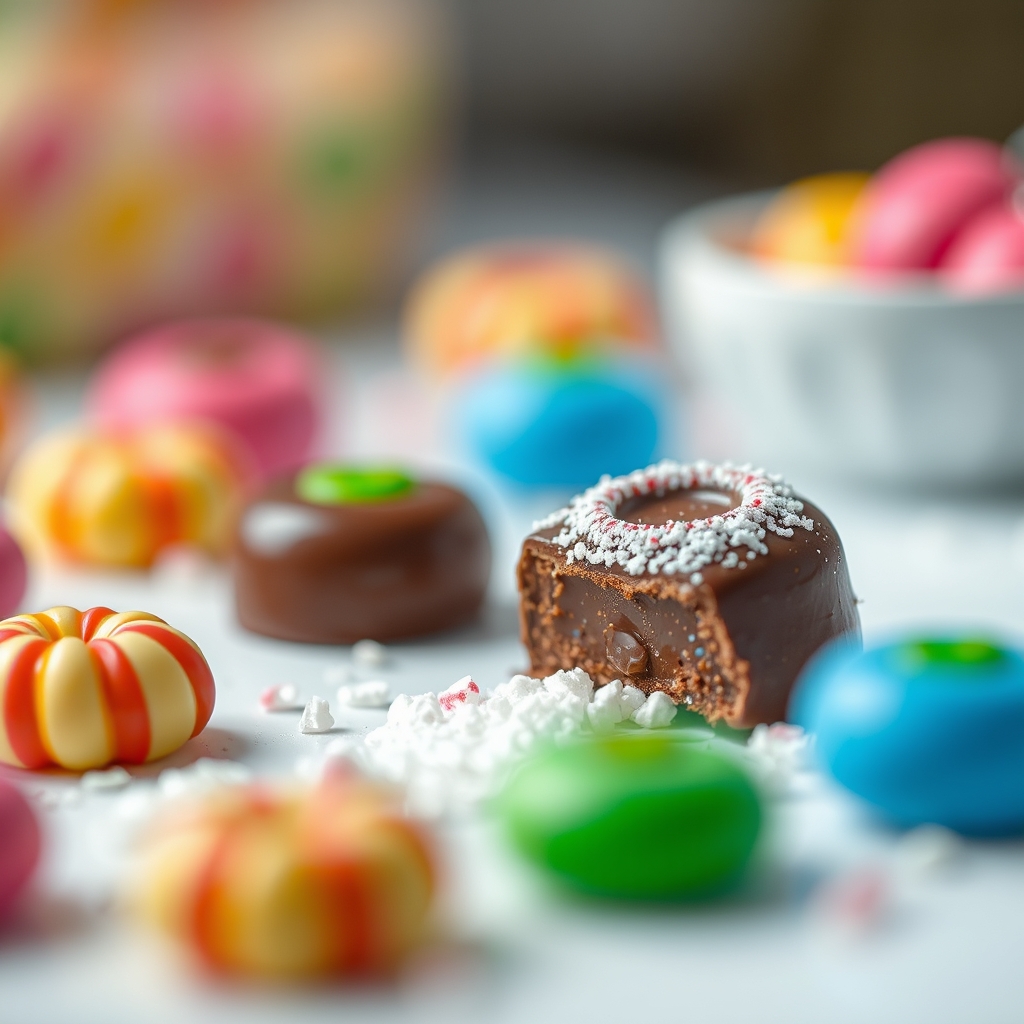
There's nothing more frustrating for a candy maker than to see their beautifully crafted chocolate pieces develop an unappealing dull haze. You've invested time and effort into perfecting your recipe and technique, only to have your finished products fall short of the glossy, professional-looking finish you desire. Whether you're a seasoned chocolatier or just starting out, this problem can be a major setback.
Tempering chocolate is an art that requires precision and patience. It's a crucial step in the chocolate-making process that can make all the difference in the appearance and texture of your final products. When done correctly, tempering gives chocolate its signature snap, shine, and smoothness. However, when it's not done properly, the results can be disappointing.
Fortunately, the solution to this common problem is within reach. By understanding the underlying causes of the dull haze and mastering the tempering process, you can achieve professional-looking results that will impress even the most discerning chocolate lovers. In this article, we'll delve into the world of chocolate tempering and explore the secrets to creating a perfect, glossy finish that will elevate your candy-making skills to the next level.
For news on the business, brands and politics shaping the candy industry, see our sister publication NewsAnarchist.
The Problem
Chocolate develops a dull white-gray haze on the surface after it sets or is stored.
Why It Happens
This is fat bloom -- cocoa butter separated out and recrystallized on the surface because the chocolate wasn't properly tempered, or it went through a temperature swing.
The Fix
Temper the chocolate properly by cycling it through melting, cooling and reheating within the correct temperature curve for that chocolate type, then store finished pieces at a stable 60-70F.