Tips for Tasting Chocolate Like a Seasoned Expert
Many people enjoy chocolate, but few take the time to savor its unique flavors and nuances. By learning how to taste chocolate like a seasoned expert, you can e

This article contains Amazon affiliate links. As an Amazon Associate, CandiesAndSweets earns from qualifying purchases.
Many people enjoy chocolate, but few take the time to savor its unique flavors and nuances. By learning how to taste chocolate like a seasoned expert, you can elevate your experience from a simple treat to a delightful journey of flavors. In this guide, you will discover crucial tips and techniques that will help you engage your senses and appreciate the artistry behind each chocolate creation. Get ready to enhance your palate and deepen your appreciation for this beloved confection!
Decoding Flavor Profiles: The Language of Chocolate
Identifying Key Taste Notes
Chocolate is a complex tapestry woven from flavors that can evoke various sensory experiences. As you taste, pay attention to the primary notes that emerge—from fruity tangs reminiscent of berries to earthy undertones reminiscent of brown sugar or spice. Each chocolate bar from distinct regions can have surprising flavor characteristics; for instance, a single-origin chocolate from Madagascar may bring forth bright citrus notes, while a Venezuelan bean might showcase deep, nutty flavors. Keep a mental or physical diary of the tasting notes you detect, classifying them into categories such as floral, fruity, spicy, or woody to develop your palate.
Utilizing the language of chocolate, you can deepen your appreciation of these nuances. Explore terms like “acidic” or “bitter” and take special note of the balance between sweetness and these flavors. Tasting is subjective; sometimes, notes can be reminiscent of completely unexpected things—an herbal quality might remind you of green tea, while a creamy finish can recall caramel. Engaging your senses more deliberately allows you to articulate your impressions better, aligning them to a larger vocabulary that captures the essence of the chocolate in question.
The Role of Texture in Flavor Perception
Texture plays an crucial role in the overall experience of chocolate, often guiding the flavor perception you have during tasting. Rich, creamy textures can enhance the perception of sweetness and provide a luxurious mouthfeel, while a gritty or crumbly texture might intensify bitterness or acidity. The temperature at which chocolate melts in your mouth can also introduce different flavor profiles, as cooler temperatures may reveal more subtle notes that could be overshadowed by sweetness when the chocolate is warm. Taking the time to observe texture alongside flavor not only informs your tasting but elevates the entire chocolate experience.
Your focus on texture is truly transformative. For instance, dark chocolate with a silky finish can evoke a sense of indulgence, enhancing the rich cocoa flavors, while a crunchy chocolate mixed with nuts can add complexity to the tasting experience through sound and contrast. Variations in mouthfeel may lead to surprises in tasting notes as certain flavors become more pronounced or subdued depending on how they interact with the texture. Engaging with the entire experience allows you to come away with a far deeper understanding of and appreciation for chocolate.
The Art of Sensory Engagement: Tasting Techniques
The Five Senses at Work
Engaging your senses is vital to experiencing chocolate beyond its mere sweetness. Start with your sense of sight; observe the chocolate’s sheen and color, as these can indicate its quality. High-quality chocolate often possesses a glossy surface free from blemishes, signaling proper tempering. As you bring it closer, take a moment to inhale the rich aromas that emanate, which can range from fruity to nutty to floral depending on the origin of the cocoa beans. Each scent can significantly influence your perception of taste, so don’t overlook this step.
Your sense of touch also plays a role. Feel the chocolate’s texture as it melts in your mouth—smooth like silk or gritty from additives can alter how you perceive flavor. Finally, allow each bite to linger, engaging your sense of taste in conjunction with the aroma left in your nostrils. The longer you can allow the flavors to dance on your palate, the more you will appreciate the complexity that fine chocolate offers.
The Importance of Mindfulness in Tasting
Meditative mindfulness can transform a simple tasting into a profound experience. By removing distractions and centering your thoughts, each element becomes more pronounced. Finding a quiet space allows you to immerse yourself fully in the chocolate. As you take a bite, focus on what you’re experiencing—how the chocolate behaves on your tongue, the waves of flavor that unfold, and the emotional responses they evoke. Noticing these subtleties will enrich your understanding and appreciation of chocolate.
Evaluating chocolate thoughtfully also means being in tune with your own responses to it. Perhaps a particular note invites memories of a summer’s day or a moment in time; such connections deepen your tasting experience. Engaging fully with your senses and practicing mindfulness opens up possibilities beyond mere flavor—it’s an exploration of how chocolate impacts your feelings, memories, and senses.
Regional Influences: Understanding Terroir in Chocolate
The Impact of Origin on Flavor Characteristics
Your experience with chocolate is often deeply influenced by its origin, just as it is with wine or coffee. The concept of terroir applies here, as the unique combination of soil, climate, and local agricultural practices shapes the beans from various regions, imparting distinct flavor profiles. For instance, beans from Ecuador often showcase fruity and floral notes due to the high humidity and rich volcanic soil, while beans from Madagascar are celebrated for their bright acidity and berry-like flavors, often attributed to the island’s tropical climate. It’s fascinating to note how even slight variations in altitude and rainfall can lead to significant differences in taste.
As you develop your palate, consider the importance of bean variety alongside geographic factors. The type of cacao tree, whether it’s Criollo, Forastero, or Trinitario, contributes layers of complexity to the flavor. Criollo beans, typically sourced from Central America, tend to have a more delicate flavor and can offer notes of nuts and spices, while Forastero varieties, often grown in West Africa, are larger and more robust, resulting in a cacao that leans toward earthy and bitter flavors. This interplay of origin and variety creates a diverse spectrum of chocolate experiences waiting to be explored.
Notable Regions and Their Signature Styles
Cacao-growing regions around the world each possess unique characteristics that influence their chocolate. Countries like Peru and Colombia are gaining recognition for their high-quality cacao, with Peruvian chocolate often featuring rich nutty undertones and Colombian chocolate celebrated for its balance of sweetness and acidity. Meanwhile, the Dominican Republic produces cacao that embodies creamy notes and light fruity hints, reflecting its lush environment. Diverse flavors are also found in Asia, where chocolate from Indonesia may present earthy and herbal tones, contrasting with the more pronounced flavors of South American chocolates.
Distinct styles arise from these regions based on the cultivation techniques and local traditions. For example, the chocolate produced in Venezuela is known for its complex profiles, thanks to the meticulous harvesting and fermentation processes employed by local farmers. The rarity of certain beans, like the highly-prized Porcelana, adds an air of exclusivity and reflection on flavor diversity within the same country. Engaging with these signature styles not only enhances your tasting experience but also deepens your appreciation for the intricate relationship between environment, cultivation methods, and the final chocolate product.
The Chemistry of Chocolate: How Ingredients Affect Taste
The Role of Cocoa Percentage and Ingredients
Your choice of chocolate often starts with the cocoa percentage, which plays a significant role in determining flavor intensity and complexity. Dark chocolate, with its higher cocoa content—typically above 70%—offers a robust, rich experience, favoring deep and bittersweet notes that many aficionados appreciate. Conversely, milk chocolate, containing about 30% cocoa or less, brings in creaminess and sweetness, effectively muting some of the more intense flavors found in dark chocolate. This percentage directly correlates with taste; while you might enjoy the creamy texture of milk chocolate, you may find that the nuances of origin and individual beans become more apparent in a high-percentage dark chocolate.
Exploring the other ingredients used in chocolate can also enrich your tasting experience. The addition of sugar affects sweetness and can mask bitterness, while emulsifiers like soy lecithin impact texture and mouthfeel, making chocolate smoother. Even the sourcing of ingredients—such as organic sugars or unique flavor infusions—can drastically alter the end product. As you taste, consider how each component contributes to your overall experience, shaping the balance of flavors and mouthfeel in the chocolate.
The Science Behind Conching and Tempering
Conching and tempering are technical manufacturing processes that greatly influence the final taste and texture of your chocolate. Conching, which involves kneading chocolate while it’s heated, allows for the reduction of acidity and the development of a smoother flavor. This technique helps integrate the cocoa solids and fats uniformly, which in turn affects how flavors are perceived on your palate. The duration of conching can vary but often ranges from a few hours to several days. Longer conching times typically yield a finer texture and a more harmonious flavor profile, enhancing the overall sensory experience.
Tempering is the dance of cooling and reheating chocolate to stabilize the cocoa butter crystals. Proper tempering not only gives chocolate its shiny appearance and satisfying snap but also ensures a consistent melt on your tongue. When chocolate is tempered correctly, you’ll likely notice a well-rounded mouthfeel and a long-lasting flavor that evolves as it melts. Without tempering, chocolate can appear dull and may develop a chalky texture that detracts from the tasting journey.
In-depth understanding of these processes not only gives you insight into the craftsmanship behind the chocolate you’re tasting but also heightens your appreciation for the complexity and nuance in each bite. When conching and tempering are done well, chocolate transcends mere sweetness and becomes an exploration of flavors, textures, and aromas that engage your senses fully. Pay attention to how the texture changes as you savor each piece and appreciate the artistry involved in crafting such a remarkable product.
Elevating Your Experience: Pairing Chocolate with Other Flavors
Complementary and Contrasting Flavor Pairings
Finding the right accompaniments for chocolate can elevate your tasting experience to new heights. For instance, dark chocolate pairs beautifully with fruits such as raspberries, cherries, and even orange zest, as the tartness cuts through the richness and enhances the chocolate’s depth. Conversely, white chocolate, which is sweeter and creamier, finds a perfect match in saltier flavors like pretzels or nuts, creating a delightful tension that brings out the nuances of both. Spice enthusiasts might enjoy experimenting with chili-infused chocolates, which blend sweetness with heat, offering a thrilling contrast that can make each bite unforgettable.
Another playful approach is to explore flavored chocolates or artisan bars infused with herbs like mint or rosemary, where the herbaceous notes complement the chocolate’s profile. Try enjoying single-origin coffees alongside your favorite chocolate bars; the unique tasting notes from different beans can harmonize or contrast in surprising ways. By playing with different combinations, you can unlock new layers of flavor that might not otherwise reveal themselves during a solo tasting.
Enhancing Your Tasting with Wine and Other Beverages
Pairing chocolate with the right beverages can enhance your overall tasting experience exponentially. A robust red wine, such as a Cabernet Sauvignon, often complements dark chocolate wonderfully, while a lighter wine, such as a fruity Pinot Noir, can harmonize with milk chocolate. Don’t overlook dessert wines such as Port or Sauternes; their sweetness can beautifully contrast the bitterness of high-percentage dark chocolate, creating a well-rounded tasting experience that excites the palate. Consider experimenting with sparkling wines or even craft beers, where the carbonation and hoppy bitterness can surprise and delight when paired with chocolate.
When exploring beverage pairings, think about how textures and flavors interact. For instance, a creamy hot chocolate paired with a splash of espresso can enhance the chocolate’s richness, while chilled herbal teas, like chamomile, can cleanse your palate between bites. Ultimately, combining chocolate with various beverages allows you to explore a wider range of flavors and sensations, making each tasting session a unique celebration of chocolate’s versatility.
Summing up
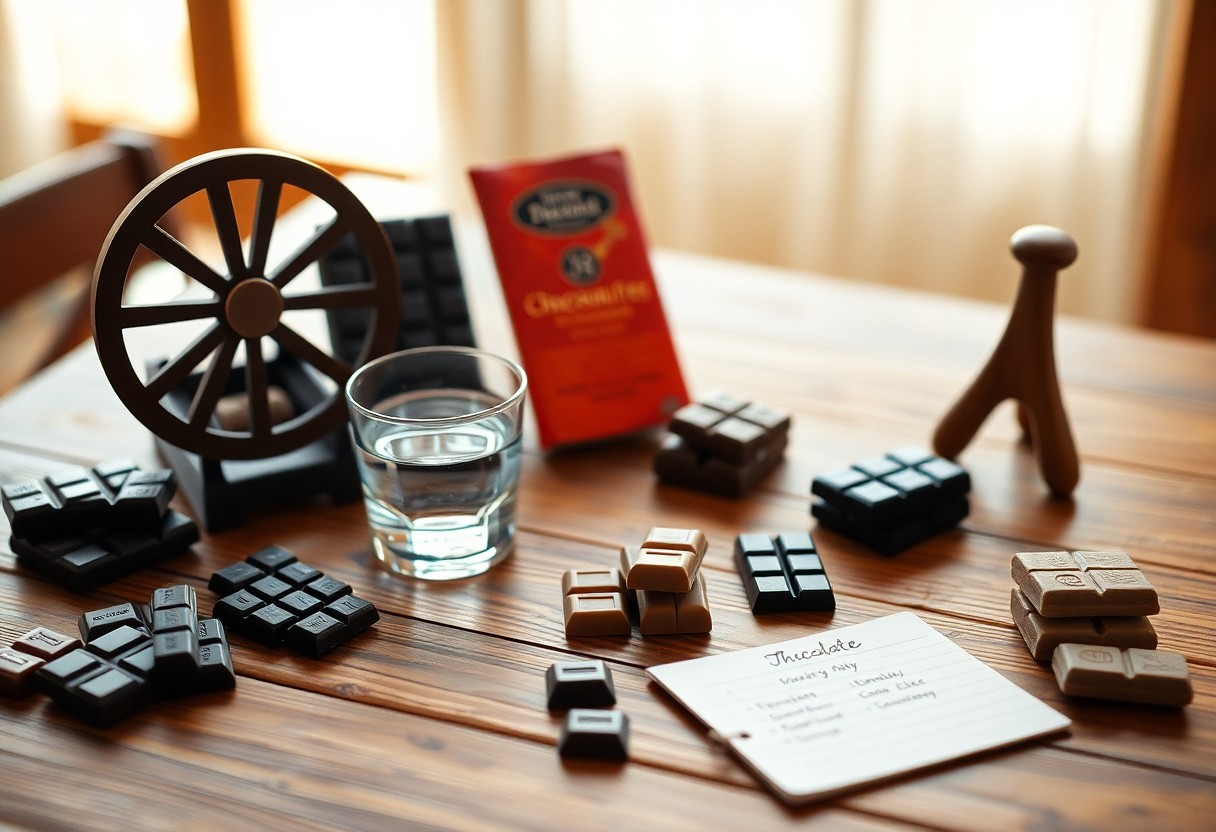
Summing up, tasting chocolate with the finesse of a seasoned expert requires a blend of sensory engagement and knowledge about the nuances of cacao. You should start by selecting a variety of chocolates that offer different flavor profiles, ranging from creamy milk chocolates to rich dark options. As you taste each piece, take the time to observe the appearance, smell the aromas, and finally savor the taste while paying attention to the various notes and textures that unfold with each bite. Keeping a flavor journal can also be beneficial, allowing you to track your preferences and enhance your tasting experience over time.
Your journey into the world of chocolate tasting can be significantly enriched by being mindful of the origins, ingredients, and craftsmanship behind each chocolate bar. Engage your palate by exploring pairings with beverages like coffee or wine, which can elevate the experience. Over time, you’ll develop a refined appreciation for the complexities of chocolate, enabling you to articulate your preferences and preferences to friends and fellow chocolate enthusiasts with confidence. Enjoy the process, and let your taste buds guide you through this delicious adventure.