Unveiling the Mystery of Bean-to-Bar Chocolate Creation
Most chocolate lovers enjoy the rich flavors without fully understanding the intricate process behind bean-to-bar chocolate creation. In this post, you will dis

This article contains Amazon affiliate links. As an Amazon Associate, CandiesAndSweets earns from qualifying purchases.
Most chocolate lovers enjoy the rich flavors without fully understanding the intricate process behind bean-to-bar chocolate creation. In this post, you will discover how this artisanal approach transforms cocoa beans into delectable chocolate bars, from sourcing the finest beans to mastering the various techniques involved in production. By the end, you’ll gain a deeper appreciation for the craftsmanship that goes into each bite, enhancing your overall chocolate experience.
The Journey from Bean to Bar: Key Stages of Chocolate Production
Sourcing and Selecting the Finest Cacao Beans
The journey of crafting exceptional chocolate begins with sourcing the finest cacao beans. Different regions produce unique flavor profiles, influenced by soil type, climate, and cultivation practices. For instance, the Arriba Nacional beans from Ecuador are celebrated for their floral and fruity notes, while Criollo beans known for their complex flavors emerge from various regions, including Venezuela and Madagascar. You may find that many bean-to-bar chocolate makers take great pride in developing direct relationships with farmers to ensure ethical sourcing and quality control, actively participating in the cultivation process and providing resources to improve agricultural practices.
Fermentation, Drying, and Roasting: The Alchemy of Flavor
Transforming raw cacao into exquisite chocolate takes place in several critical steps, starting with fermentation. After harvesting, cacao beans undergo fermentation for several days, during which the sugars in the pulp surrounding the beans convert into alcohol and then into acetic acid. This stage plays a crucial role in developing chocolate’s rich flavors and characteristics. Following fermentation, beans are dried to reduce moisture content, which helps prevent mold and develops further flavor profiles. The drying process can vary, influenced by natural sunlight or controlled environments, and is necessary in enhancing the beans’ inherent richness.
Roasting is the final transformative step before the beans become chocolate. It’s here that the deep, complex flavors emerge. Depending on the desired outcome, you’ll notice that roast times and temperatures can vary dramatically. Artisan chocolate makers often conduct careful trials to find the perfect roast, which can be as short as 20 minutes at lower temperatures or longer at higher ones. The balance of time and temperature ensures that you experience the distinct flavors carried from the bean, setting the stage for the chocolate that follows.
Through fermentation, drying, and roasting, your taste buds are introduced to a spectrum of flavors shaped by these processes. The combination of organic acids develops the complex flavor profiles you enjoy while eating chocolate, bridging the gap between raw cacao and your favorite indulgences. It’s this alchemy that transforms ordinary ingredients into extraordinary chocolate, revealing the remarkable journey from bean to bar.
Mastering the Craft: Techniques and Tools for Chocolate Makers
The Machinery Behind the Magic: Conching and Tempering
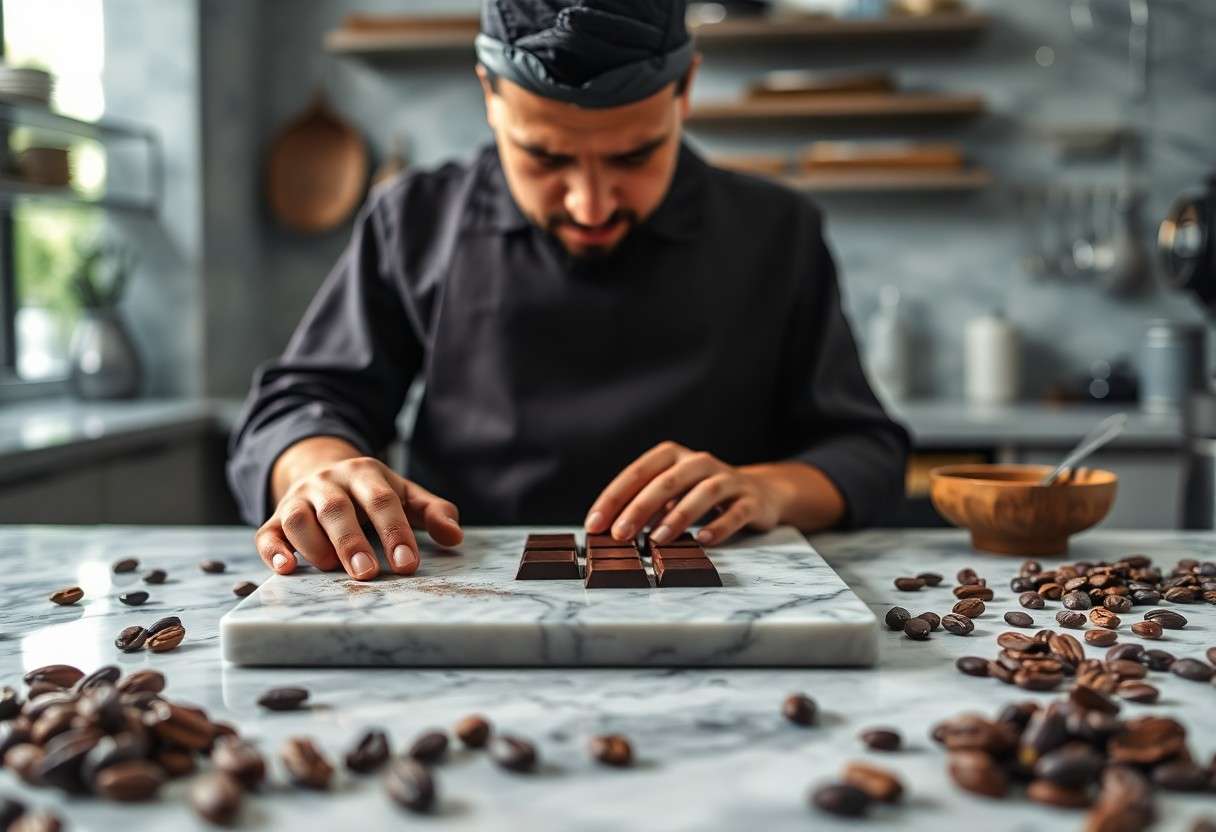
Conching and tempering are two pivotal processes that define the texture and overall quality of your chocolate. Conching involves continuously mixing and aerating the chocolate, which breaks down particles and smooths out the cocoa mass, often lasting anywhere from a few hours to over 72 hours, depending on the desired finish. A conching machine can greatly enhance this process, ensuring that your chocolate reaches a silky, glossy finish that melts beautifully on the palate. The precise control of temperature and time allows you to develop a nuanced flavor profile, making your craft truly stand out.
Once conching is completed, tempering follows, a key technique that stabilizes the cocoa butter crystals to ensure a shiny appearance and a satisfying snap when broken. This process requires monitoring the chocolate’s temperature closely, cooling it down and then reheating it to a specific range—usually around 88°F to 90°F for dark chocolate. Utilizing a tempering machine streamlines this process, ensuring you achieve that perfect tempering effect which contributes to the longevity and appeal of your finished product.
Flavor Development: Balancing Ingredients for Unique Profiles
The art of flavor development in chocolate creation is a nuanced dance between various ingredients, with cocoa percentages playing a pivotal role. For instance, you might experiment with a 70% cocoa content to produce a rich, bold flavor while a 60% blend can introduce more sweetness and fruitiness, thereby broadening your target audience. Elements such as the origin of the beans, added sugars, or even flavor infusions like vanilla, sea salt, or spices will affect the overall profile. It’s about finding the perfect balance to create something truly unique that speaks to the palate.
Exploring different ratios of cocoa, sugar, and other flavor enhancers opens up a vast world of possibilities. For instance, trying natural sweeteners like maple syrup or agave can lead to exciting flavor dimensions, while the inclusion of various fats, like cacao butter versus coconut oil, can drastically alter both mouthfeel and flavor profile. By methodically testing and adjusting your ingredients, you can cultivate signature offerings that showcase the uniqueness of your craft.
The Art of Flavor Profiling: How Terroir Shapes Chocolate
Geographic Influence: The Impact of Origin on Taste
Your experience of chocolate flavors is profoundly shaped by the geographic region where the cacao is grown. Known as terroir, just as with wine, the unique combination of soil composition, climate, and even local farming practices influences the chemical makeup of cacao beans. For example, beans harvested from the volcanic soils of Ecuador may offer notes of tropical fruit and floral undertones, while those from Madagascar are often bright and tart, bursting with citrus characteristics. The interplay of altitude and rainfall also plays a pivotal role; higher altitudes generally produce beans with more complex flavor profiles due to slower maturation and enhanced acidity. This connection between place and taste makes exploring chocolate a thrilling journey through diverse landscapes.
Bean Varietals: Distinct Characteristics and Their Role in Crafting
Delving into the world of cacao, you’ll find that the type of bean used in chocolate-making significantly impacts flavor. Criollo, Forastero, and Trinitario are the three primary cacao varietals, each boasting distinct flavors and characteristics. Criollo beans, often considered the highest quality, are known for their delicate and nuanced profiles, which may include fruity, nutty, and floral notes. Forastero, being hardier and more resistant to diseases, tends to dominate the market and often delivers a more robust, chocolatey flavor with less complexity. Trinitario beans, a hybrid of the two, offer a wonderful balance between the delicacy of Criollo and the strength of Forastero, resulting in both rich and intricate flavor profiles.
In the hands of skilled chocolatiers, these varietals become a canvas for creative expression. The distinct qualities of each bean enable you to experience a vast range of flavors, further expanded by the methods of fermentation and roasting applied during the chocolate-making process. For instance, careful control of fermentation time can enhance acidity and fruitiness or bring out deeper, roasted notes, transforming the chocolate’s final profile into something unique and incredible. By understanding and appreciating these varietals, you can elevate your tasting experience to new heights, fully embracing the complexity and artistry that goes into each craft chocolate creation.
Sustainable Practices and Ethical Sourcing: A Rising Demand
Consumer demand for sustainable and ethically sourced chocolate continues to rise, reflecting a broader societal shift toward responsible consumption. You may notice that many bean-to-bar chocolate makers practice transparency by sharing their sourcing processes and the origins of their cacao. This growing awareness has driven an increasing number of chocolate brands to adopt fair trade practices, allowing for more equitable compensation for farmers, which in turn, promotes the health of entire communities. Statistics illustrate that Fair Trade premium payments have reached over $20 million, demonstrating the positive impact on farmers’ livelihoods across various regions.
Supporting Local Farmers: Building Fair Trade Relationships
Investing in fair trade relationships directly impacts local farmers who grow cacao beans, providing them with a more stable income while encouraging sustainable farming practices. Many smallholder farmers face economic hardships and are often underpaid for their labor. By supporting fair trade, you contribute to a system that prioritizes ethical treatment, enabling farmers to invest in better agricultural techniques and earn a living wage. For instance, brands that emphasize direct trade often pay farmers above market prices, ensuring that they reap the benefits of their hard work.
As you explore chocolate brands, look for those committed to establishing long-term relationships with their cacao suppliers. Such commitments often lead to improved farming conditions and a deeper understanding of the nuances required to produce high-quality cacao. By choosing chocolate made under fair trade principles, you’re not only enjoying a delightful treat but also empowering farmers and promoting socio-economic development in their communities.
Environmental Impact: Innovations in Sustainable Chocolate Production
Innovations in sustainable chocolate production make significant strides toward reducing the environmental footprint of cacao farming. You’ll find that various initiatives are being put into place to not only improve cacao yield but also to promote biodiversity in the ecosystems where cacao is grown. For example, some chocolate makers engage in agroforestry practices, which involve growing cacao alongside other crops and trees, enhancing the habitat for wildlife and reducing the need for chemical fertilizers and pesticides. These practices create a more resilient farming system while also contributing to forest preservation.
Furthermore, some chocolate brands have begun investing in carbon-neutral production methods. By utilizing renewable energy sources in their factories or implementing carbon offset programs, these companies are determined to minimize their overall environmental impact. For instance, a noteworthy case is that of a bean-to-bar chocolate company that has partnered with reforestation projects, allowing customers to actively participate in offsetting their carbon footprint through their purchases. This level of commitment not only improves your chocolate experience but also aligns with environmentally-friendly practices that are becoming increasingly necessary in today’s world.
The Chocolate Experience: Pairings and Tastings
Your chocolate journey can be profoundly enriched through thoughtful pairings and tastings. When you explore different flavor combinations, you unlock a new dimension of enjoyment. For example, consider contrasting dark chocolate with the tartness of fresh raspberries or the savory notes of aged cheese. The delightful play of sweetness from the chocolate against the acidity of the fruit elevates both components, creating a sophisticated tasting experience. Similarly, the right glass of red wine or a fragrant coffee can complement the rich undertones in your bean-to-bar creations, highlighting their unique flavors and enhancing your palate’s journey.
Elevating Chocolate Journeys: Creating Culinary Combinations
Culinary creativity knows no bounds when it comes to chocolate pairings. You could experiment with spices, herbs, and even smoked elements to expand your chocolate’s flavor profile. Think of a robust dark chocolate paired with a sprinkle of Himalayan pink salt and a hint of chili powder; this combination infuses your tasting experience with an unexpected warmth and complexity. Alternatively, pairing milk chocolate with citrus-infused vodka or ginger-infused syrup can unveil enticing notes that surprise and delight. The key lies in balancing flavors—ensuring that neither the chocolate nor the partner overpowers the other is key to creating a harmonious tasting.
Educating Consumers: Understanding Tasting Notes and Preferences
Grasping the nuances of chocolate tasting notes enriches your appreciation for this beloved treat. Not all chocolates are created equal, and each origin boasts distinct flavor profiles influenced by the region’s climate, soil, and processing methods. When sampling chocolate, pay attention to descriptors like fruity, nutty, or floral. You might find that a single-origin dark chocolate from Madagascar has bright citrus notes, while a chocolate from Venezuela presents deeper, earthier tones. Documenting your impressions can help you refine your preferences and become more adventurous in your chocolate selections.
The art of tasting involves more than just swirling chocolate on your palate; it encourages you to explore and articulate your experience. By keeping notes on different varieties and how they resonate with your taste buds, you develop a personal lexicon for chocolate appreciation. You might start recognizing the complex flavors emerging in chocolates, such as the subtle hints of dried fruit in an ethically sourced dark chocolate, or the creaminess of a well-crafted milk chocolate. This journey not only heightens your enjoyment but also allows you to connect better with chocolatiers and refine your palate over time.
Summing up
Taking this into account, you now possess a deeper understanding of the intricate process behind bean-to-bar chocolate creation. From the careful selection of cacao beans to the meticulous roasting, grinding, and conching phases, each step is vital in bringing out the rich flavors and textures that define high-quality chocolate. With your newfound knowledge, you’re well-equipped to appreciate the art and science that goes into every bite, making each chocolate experience more profound and enjoyable.
As you explore various bean-to-bar chocolates, consider how each producer puts their unique spin on traditional techniques. You have the opportunity to engage with the craftsmanship of chocolatiers and the origins of their ingredients. This journey not only enhances your palate but also fosters a greater appreciation for sustainability and ethical practices in the chocolate industry. By choosing bean-to-bar chocolates, you support artisans who prioritize quality and integrity, enriching your chocolate encounters and promoting a more conscientious consumption of one of the world’s most beloved treats.