How to Choose Eco-Friendly Candy Packaging for Gifts
Most people want their gift-giving to reflect their values, and choosing eco-friendly candy packaging is a great way to do this. By selecting sustainable option

This article contains Amazon affiliate links. As an Amazon Associate, CandiesAndSweets earns from qualifying purchases.
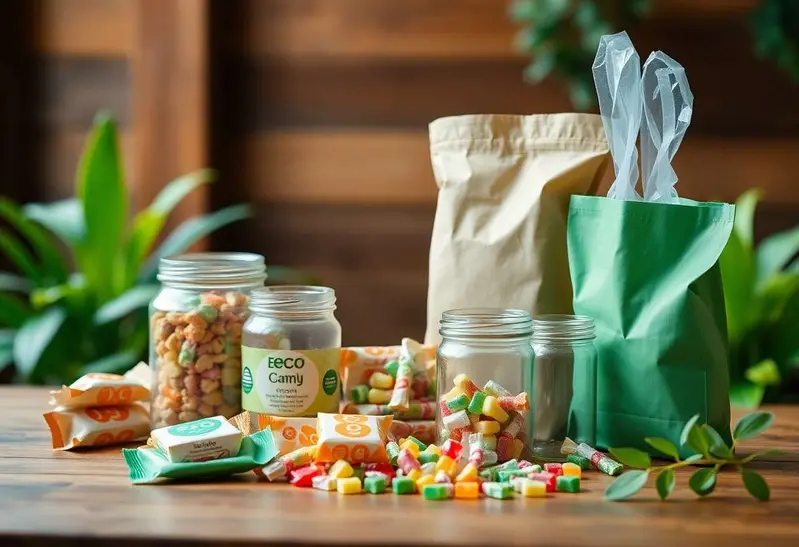
Most people want their gift-giving to reflect their values, and choosing eco-friendly candy packaging is a great way to do this. By selecting sustainable options, you can reduce environmental impact while adding a thoughtful touch to your presents. In this guide, you will learn key factors to consider when selecting packaging materials, how to choose from various eco-friendly options, and tips for personalizing your gifts. Let’s probe the world of sustainable packaging and make your sweet treats not only delicious but also environmentally friendly.
How Packaging Choices Impact Environmental Sustainability
The Role of Materials in Ecological Footprint
Your choice of materials significantly influences the ecological footprint of candy packaging. Conventional materials like plastic and non-biodegradable substances contribute to landfill overflow and persist in the environment for hundreds of years. In contrast, opting for biodegradable options, such as plant-based polylactic acid (PLA) or recycled paper, can mitigate negative environmental impacts. For example, some companies utilize bagasse, a byproduct of sugarcane, to create compostable boxes that break down harmoniously with the earth. The impact is not just in disposal; sourcing materials sustainably can also reduce carbon emissions associated with production, reinforcing the importance of thoughtful selection.
Assessing the Lifecycle of Candy Packaging
Recognizing Certifications and Labels That Matter
Eco-Friendly Certifications Explained
Certified eco-friendly labels can provide a level of assurance that the candy packaging you’re considering meets specific environmental standards. Look for certifications like the Forest Stewardship Council (FSC), which ensures that the paper or cardboard used in packaging is sourced from responsibly managed forests. Another valuable certification is the Biodegradable Products Institute (BPI) label, which confirms that materials will break down in a composting environment within a designated timeframe. These certifications signify a commitment to sustainability and can significantly influence your decision when selecting packaging for your gifts.
Like many marketplace labels, these eco-friendly certifications come with specific criteria that must be consistently met. The Global Organic Textile Standard (GOTS) is another certification to consider, particularly if your candy packaging includes any textiles, ensuring they are organic and free from harmful chemicals. Understanding these labels not only helps you make well-informed choices but also encourages environmentally responsible practices among manufacturers as consumer demand for sustainable products rises.
Recognizing Authenticity in Green Claims
Greenwashing can often mislead consumers, making it crucial to scrutinize manufacturers’ claims closely. Authentic eco-friendly products typically provide transparent information about the materials used and the sourcing process. Familiarizing yourself with common deceptive practices can empower you to distinguish between genuine sustainability initiatives and mere marketing gimmicks. For example, terms like “eco-friendly” or “natural” are often unregulated and can be applied without a basis in environmental responsibility.
Searching for third-party verification is a reliable way to discern authenticity. This includes certifications from reputable environmental organizations that evaluate companies based on set criteria. It’s also helpful to check if the company has a publicly available sustainability report outlining their practices and goals. This level of transparency not only reassures you of the eco-conscious efforts behind their candy packaging but also promotes accountability in the industry as a whole.
Innovative Materials Redefining Candy Packaging
Biodegradable and Compostable Options
Biodegradable and compostable materials are increasingly being embraced in the candy packaging industry, offering a sustainable alternative to traditional plastics. These materials, derived from natural sources like cornstarch or cellulose, break down more quickly in the environment, reducing the ecological footprint of your sweet treats. For example, brands like Werther’s Original are now utilizing biodegradable wrappers that not only preserve the freshness of their candies but also decompose within a few months in the right conditions. This shift not only minimizes waste but also aligns with consumers’ growing preference for responsible packaging solutions.
Additionally, packaging designed from compostable materials often features clear instructions on disposal, ensuring that the end-user understands how to dispose of it properly. This educational aspect can significantly impact how effectively these materials reduce landfill waste. You might find exciting options ranging from compostable film to biodegradable bags that not only look appealing but also represent a commitment to environmental sustainability on your part, making them fabulous choices for gifting.
The Rise of Recycled and Upcycled Materials
Recycled and upcycled materials are paving the way for a more sustainable future in candy packaging. These materials utilize existing resources, which not only reduces waste but also curtails the demand for virgin plastic production. You’ll come across manufacturers incorporating recycled paper or cardboard into their packaging, as it serves as an excellent base for colorful designs and branding while remaining eco-conscious. By choosing brands that embrace these materials, you are supporting a closed-loop system that minimizes the impact on natural resources.
Moreover, upcycling has become a creative avenue for many candy brands looking to differentiate themselves. Imagine candy boxes made from repurposed cardboard or pouches crafted from previously discarded fabric. This innovative approach not only helps reduce waste but also injects a unique character and charm into the packaging. The creativity behind using these materials reflects a growing trend towards sustainability in which even small businesses are finding ways to incorporate environmentally responsible practices in their production processes. With recycled and upcycled materials gaining prominence, your choices in candy gifts can make a statement—both delicious and eco-friendly.
Creative Packaging Design That Doesn’t Sacrifice Sustainability
Balancing Aesthetics and Environmental Responsibility
Striking a balance between stunning design and environmental consciousness is a challenge, yet many brands are paving the way toward ingenious solutions. Your gift packaging should not only look appealing but also reflect your commitment to sustainability. For instance, consider using kraft paper that embodies a rustic charm while being fully recyclable and biodegradable. Experiment with colors derived from plant-based dyes, which can add a vibrant touch without compromising eco-friendliness. Brands have successfully adopted minimalist designs that emphasize natural materials, demonstrating that sustainable options can also be aesthetically pleasing.
Creative shapes can also enhance your gift’s presentation while staying true to eco-friendly principles. Think about using packaging that doubles as storage, such as reusable jars or biodegradable boxes. This approach not only minimizes waste but also provides your recipients with an additional utility for their gift. By transparently communicating your sustainable practices, you can elevate the perception of your gift and showcase your thoughtfulness in both design and impact.
Tips for Unique, Eco-Conscious Gift Presentation
Presenting your gifts in a unique yet eco-conscious manner can make all the difference. Instead of traditional plastic ribbons, consider using twine made from natural fibers or upcycled fabric scraps, which adds a personal touch while remaining environmentally friendly. You might also explore the idea of fabric wraps, such as furoshiki, which can be reused, reducing waste and showcasing your flair for creativity. Creating packages that spark joy, without contributing to environmental degradation, is entirely possible.
Engaging in local craftsmanship can further amplify your eco-friendly gift initiatives. Explore local artisans who provide handmade, sustainable packaging options or embellishments. Incorporating locally sourced materials not only supports your community but minimizes the carbon footprint associated with transportation. The unique designs and textures of these products often carry rich stories, enhancing the personal connection to your gift. Any choice that highlights both beauty and sustainability will delight your recipients while advancing eco-consciousness.
- Use biodegradable packing peanuts made from cornstarch for cushioning.
- Opt for reusable containers like glass jars or bamboo boxes.
- Incorporate handmade paper that can be planted post-use.
- Utilize natural fruit or vegetable dies for unique coloring.
- Any creative approach that reflects your values will surely impress.
Exploring different presentation styles can elevate your gifts in unexpected ways. Consider designing a layered packaging look by combining various eco-friendly materials for texture and intrigue. Delve into the artistry of hand-drawn labels or wrapping paper made from recycled materials, each telling a story. You might even invite your recipients into the experience by adding a small, recyclable card that explains the eco-elements of your packaging, engaging them in your sustainable journey. Ultimately, any innovative idea that highlights creativity while keeping sustainability at its core will resonate deeply with your eco-conscious audience.
- Create a mini gift basket using a recycled cardboard box.
- Use natural fruits or spices for subtle fragrances in your packaging.
- Incorporate art from local artists to add a unique touch.
- Present your candy in reusable cloth bags decorated with fabric paint.
- Any detail that connects your gift to the environment will enhance its value.
Budgeting for Eco-Friendly Candy Packaging
Understanding Cost vs. Environmental Benefits
Investing in eco-friendly candy packaging often involves a higher initial expenditure compared to conventional options. However, a true evaluation of costs goes beyond mere price tags. Consider the environmental impact of traditional packaging that often ends up in landfills, contributing to pollution and resource depletion. By choosing sustainable alternatives, you not only minimize your ecological footprint but also potentially enhance your brand’s reputation and resonance within the market. For instance, research shows that nearly 66% of consumers are willing to pay more for products that come in environmentally friendly packaging, indicating that the long-term benefits might outweigh initial costs.
Additionally, integrating sustainable practices can lead to operational efficiencies over time. Sustainable packaging options often entail lower energy consumption and can even qualify your business for rebates or tax benefits in some jurisdictions. Analyzing the lifecycle of your packaging materials can reveal long-term savings, highlighting the financial wisdom behind eco-conscious decisions. By assessing both short-term investments and long-term gains, you position yourself to make informed, strategic budgeting choices that align with your values.
Finding Affordable Sustainable Solutions
The good news is that more companies are entering the green packaging space, leading to increased competition and often lower prices for eco-friendly options. To start finding affordable solutions, investigate local suppliers that specialize in sustainable packaging. Sometimes, ordering in bulk can provide significant discounts, allowing you to stock up on necessary materials without breaking your budget. Look for community initiatives or cooperatives that support eco-friendly packaging—these platforms frequently offer shared resources at reduced costs.
Exploring innovative design techniques also promotes affordability. Simple, minimalist designs not only reduce material use but are often more cost-effective to produce. Think about creative ways to use recycled materials or even DIY solutions that can provide a personal touch to your candy packaging while keeping expenses low. For example, using recycled paper to create unique gift-wrapping or opting for jars instead of plastic bags can add an element of sustainability and creativity to your gift packaging. When collaborating with local businesses or artisans, you might even find discounted rates while supporting your community.
Summing up
To wrap up, choosing eco-friendly candy packaging for your gifts involves considering materials, sustainability, and aesthetics. Look for biodegradable, compostable, or recyclable options that align with your values and the message you want to convey. Materials such as glass, paper, and certain bioplastics can enhance your gift’s visual appeal while simultaneously reducing environmental impact. Additionally, think about how you can repurpose or reuse the packaging items once the candy is enjoyed, thus extending their life and utility.
When selecting packaging, also pay attention to the sourcing of materials and the ethical practices of the manufacturers. This will ensure that your choices are not only environmentally friendly but also support responsible business practices. By making informed decisions about eco-friendly candy packaging, you not only elevate your gift-giving experience but also contribute positively to the environment and the well-being of the planet. Your thoughtful choices can inspire others to follow suit, creating a ripple effect of eco-consciousness in gifting.


