How to Choose the Right Chocolate Bar for Your Taste
Most chocolate lovers find themselves overwhelmed by the vast array of chocolate bars available today. With diverse flavors, textures, and origins, selecting th

This article contains Amazon affiliate links. As an Amazon Associate, CandiesAndSweets earns from qualifying purchases.
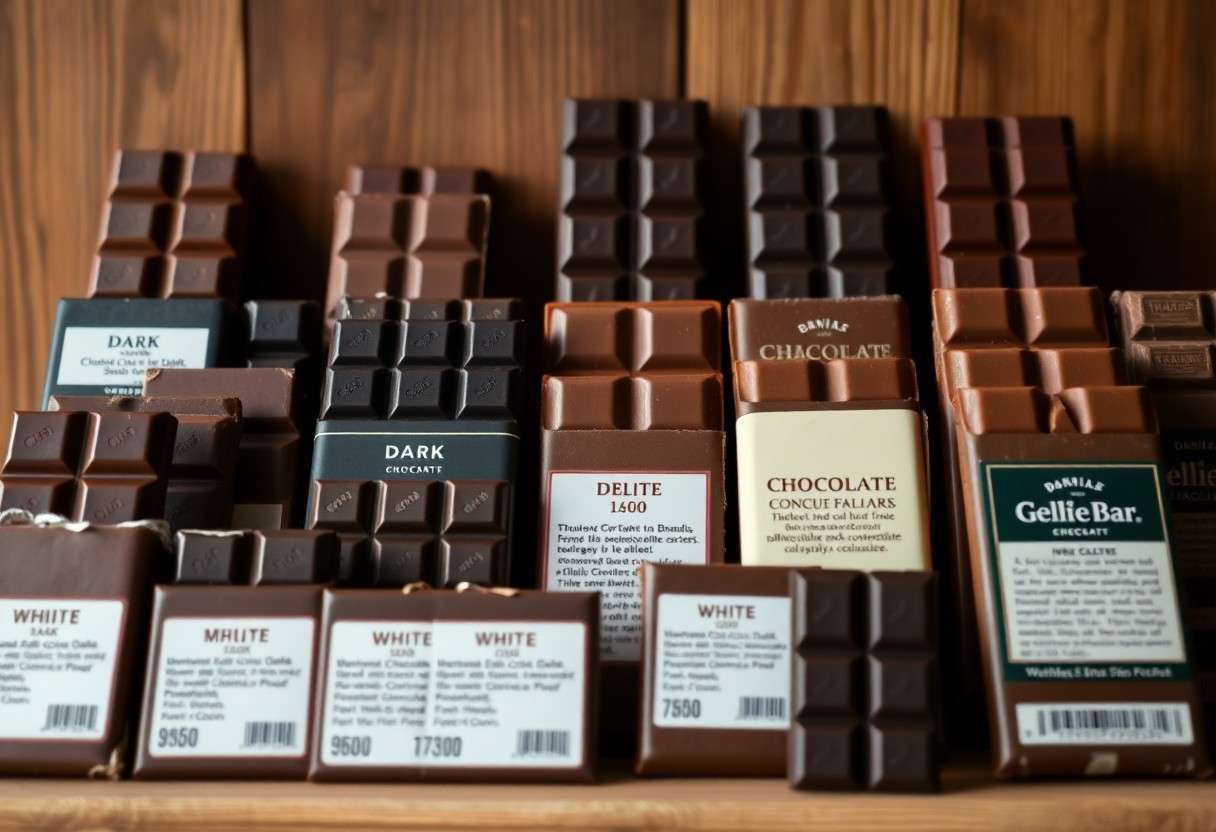
Most chocolate lovers find themselves overwhelmed by the vast array of chocolate bars available today. With diverse flavors, textures, and origins, selecting the perfect chocolate can seem daunting. However, by considering your personal preferences and exploring types of chocolate—from dark to milk and even white—you can make an informed choice that satisfies your sweet cravings. This guide will help you navigate through the many options, ensuring that you find a chocolate bar that truly delights your taste buds.
Decoding Chocolate Labels: What You Need to Know
Understanding Cocoa Percentage and Its Implications
Cocoa percentage is often one of the most significant indicators of a chocolate bar’s flavor profile and intensity. This figure represents the total amount of cocoa solids and cocoa butter in the bar, with higher percentages generally indicating darker chocolate. A bar boasting a cocoa content of 70% or higher will typically deliver a more intense, bittersweet taste, appealing to those who enjoy a robust chocolate experience. Conversely, bars with lower percentages (around 30% to 50%) tend to be creamier and sweeter, making them ideal for those seeking a milder flavor along with a hint of cocoa.
When exploring bars with varying cocoa percentages, it’s helpful to taste a few different options side-by-side. You might find that a 60% dark chocolate delivers enough richness without overwhelming bitterness, while an 85% bar could be too potent for your palate. Your personal preferences and the specific origin of the cocoa beans will dictate how these percentages play out in terms of taste, so don’t shy away from experimenting to find your perfect match.
The Role of Ingredients: Additives vs. Artisanal Quality
Ingredients play a pivotal role in distinguishing between mass-produced chocolate and artisanal varieties. Many industrial chocolate bars include fillers, stabilizers, and artificial flavors that create a uniform taste but often sacrifice the complexity and depth of flavors found in artisanal chocolate. Your palate may find more joy in bars made with a minimal number of high-quality ingredients—think cocoa, sugar, and perhaps a splash of vanilla or sea salt—compared to commercial options loaded with emulsifiers and artificial sweeteners.
As you browse chocolate labels, look for terms like “bean-to-bar,” which indicates the maker controls the entire process from sourcing beans to the final product, ensuring artisanal quality. Often, artisanal chocolates showcase unique flavor notes from various regions, echoing the terroir much like fine wines do, adding layers of complexity that can elevate your chocolate experience.
Flavor Profiles: Finding Your Sweet Spot
The Spectrum of Sweetness: Milk vs. Dark vs. White
Milk chocolate, with its sweet and creamy texture, typically contains around 10-50% cocoa solids, which creates a softer flavor profile. This makes it an ideal choice for those who prefer a gentle introduction to chocolate or enjoy a sweetness that dominates over bitterness. Brands like Cadbury and Lindt are well-known for their delightful milk chocolates, which often incorporate additional flavors like caramel and hazelnut, further enhancing the sweetness. In contrast, dark chocolate offers a bolder experience, boasting cocoa percentages from 50% to as high as 100%. The bitterness found in dark chocolate appeals to those looking for a richer, more complex flavor, and brands like Valrhona and Ghirardelli have become favorites for dark chocolate aficionados. Choosing between these chocolates is not merely about sweetness; it reflects your personal taste preferences and desired chocolate experience.
White chocolate sets itself apart entirely since it contains no cocoa solids but is made from cocoa butter, sugar, and often milk solids. This results in a creamy, sweet treat that lacks the characteristic cocoa flavor. For many, white chocolate provides a unique alternative that works wonderfully in desserts or paired with fruits. Exploring the range of flavors within these categories allows you to identify which type of chocolate resonates with your palate best. Whether you lean towards the creaminess of milk, the depth of dark, or the sumptuousness of white, seeking out different brands can refine your flavor profile further.
Uncommon Ingredients and Their Flavor Dynamics
Chocolate makers often experiment with unusual ingredients, elevating flavors and creating unique taste pairings. Ingredients like sea salt, chili, or even herbs such as basil or rosemary can introduce an unexpected twist to traditional chocolate flavor profiles. Pairing dark chocolate with chili, for example, can create a thrilling combination of heat and rich cocoa, captivating adventurous eaters. Similarly, bars infused with sea salt enhance the sweetness by providing contrast, a technique expertly utilized by brands like Theo Chocolate.
Consider exploring chocolates with savory or floral infusions as well, such as olive oil or lavender. These uncommon ingredients can surprise your taste buds and broaden your chocolate horizons. Within artisan chocolate, you may stumble upon bars infused with exotic spices like cardamom or unique fruits such as yuzu, allowing you to discover new favorites that you wouldn’t ordinarily associate with chocolate.
Regional Varieties: Exploring Global Chocolate Cultures
Different Regions, Different Tastes: The Influence of Terroir
Your exploration of chocolate truly expands when you consider the concept of terroir, which refers to the unique environmental factors that influence the flavor of cocoa beans based on their geographical origin. For instance, beans from Madagascar frequently exhibit notes of citrus and berries, often attributed to the volcanic soil and specific climate conditions of the region. In contrast, beans sourced from Ecuador can surprise you with rich, floral undertones, thanks to the diverse ecosystems and high-altitude cultivation found there. The natural nuances of the growing conditions profoundly shape the profile of chocolate, making regional exploration necessary for a chocolate connoisseur like yourself.
Craft Chocolatiers vs. Mass Production: Quality and Taste Differences
Choosing between craft chocolate and mass-produced options can dramatically affect your tasting experience. Craft chocolatiers often take pride in sourcing high-quality, ethically sourced beans, and their meticulous care during the chocolate-making process enables the flavors of the cocoa to shine through. You might discover small-batch chocolates that experiment with unique flavor combinations or infusions, which stand in stark contrast to the uniformity found in commercial brands. For example, small producers might create bars enhanced with sea salt, spices, or even inclusions like delicate floral petals or exotic fruits, offering you a delightful adventure with each bite.
In contrast, mass-produced chocolate tends to rely on cost-effective methods that prioritize longer shelf life and consistent flavor over rich complexity. Often, these chocolates undergo processes that dilute the natural cocoa flavors, relying heavily on added sweeteners and fats. The result is often a smoother yet less fulfilling chocolate experience. For instance, while a big-name brand may provide a distinctly recognizable taste, craft chocolate often delivers a robust palette that dances across the taste buds—a point worth considering when curating your chocolate collection.
Pairing Your Chocolate: Elevate the Experience
Classic Pairings: Wine, Cheese, and Beyond
Pairing chocolate with complementary flavors can enhance your tasting experience significantly. For instance, dark chocolate with a cocoa content of 70% or higher pairs exceptionally well with a bold Cabernet Sauvignon. The deep, rich notes of the wine echo the chocolate’s complexity, creating a harmonious blend. If you prefer a sweeter choice, opt for a milk chocolate paired with a lighter Riesling; the fruity hints balance the creaminess of the chocolate, resulting in a delightful contrast. Don’t shy away from exploring other options, such as cheese—try a tangy blue cheese alongside a dark chocolate to create an intriguing flavor profile that tantalizes your palate.
Exploring beyond the confines of wine and cheese opens up new avenues for indulgence. Craft beers, particularly stouts, offer a unique pairing option with rich chocolate, where roasted malt flavors mimic the depth of the chocolate. Additionally, coffee lovers will find that a smooth, dark roast coffee not only complements dark chocolate but can also enhance its robust flavors. The key lies in balancing intensity; the stronger the chocolate, the bolder your beverage should be to create a satisfying match.
Seasonal Flavors and Occasions: Finding the Perfect Match
Seasonal flavors can also guide your chocolate selection for special occasions. For example, a rich peppermint chocolate is perfect for winter gatherings, evoking the cozy vibes of the holiday season. Spring calls for lighter, fruity flavors—think of a citrus-infused chocolate bar enhanced with notes of bergamot. As the weather warms up, incorporating floral flavors such as lavender can invigorate your chocolate. Each season brings with it a bouquet of flavors that can elevate your chocolate experience, making each bite a celebration of the moment.
Special occasions warrant thoughtful pairing as well. Birthdays or anniversaries might call for artisanal chocolates infused with champagne or premium spirits, while festive celebrations could embrace chocolate that features seasonal spices like cinnamon or nutmeg. If you’re organizing a family gathering, consider creating a chocolate tasting station combining various chocolates that reflect the season or occasion, allowing everyone to experiment with their preferences and discover exciting new combinations. This invites a shared experience, making the event even more memorable.
Taste Testing Like a Pro: Practical Tips and Tricks
Engaging in a chocolate tasting session at home opens the door to a world of flavors and textures. To make this experience memorable and insightful, create an ambiance that allows you to focus on the chocolate. Choose a quiet place with good lighting, and gather a selection of chocolate bars that vary in cocoa percentage, origin, and flavor profiles. Use a simple format for tasting, such as a grid, to note your impressions on appearance, aroma, taste, and texture right after sampling each bar. This organized approach will help highlight not just the nuances of each chocolate, but also your own evolving preferences over time.
- Choose a variety of chocolates, including dark, milk, and white.
- Prep your palate by drinking water or eating plain crackers between tastings.
- Take notes on each chocolate as you taste – focus on its aroma and flavor notes.
- Consider tasting chocolates at different temperatures for different flavor profiles.
- Invite friends to join and share their impressions for a more engaging experience.
Any dedicated chocolate enthusiast can transform a casual sampling into an analytical adventure with these simple practices.
How to Conduct a Chocolate Tasting at Home
Start your tasting adventure by selecting five to seven different chocolate bars. An ideal mix includes various cocoa contents, geographic origins, and brands. Place each bar on a separate plate and cut them into small, manageable pieces, allowing everyone to taste without overwhelming their senses. As you examine each sample, take a moment to admire its appearance and texture; noticing the sheen and breaking it gives clues about its quality. Ensure that you have a neutral palate cleanser, like plain water or a piece of bread, to refresh your taste buds between each chocolate. This way, you can appreciate the distinct characteristics of each bar without lingering flavors from the previous one impacting your tasting experience.
As you taste, focus on mouthfeel, sweetness, bitterness, and any specific flavor notes that emerge. Don’t hesitate to explore the aromas by inhaling deeply before taking a bite. Various chocolate brands may highlight unique flavor notes like fruity, nutty, or floral sensations, revealing the subtleties brought about by the origin of the cocoa beans and the chocolate-making process. Jot down your observations, as they will serve as helpful references for future chocolate selections.
Noting Your Preferences: Keeping a Chocolate Journal
Documenting your chocolate journey can be a valuable tool in honing your palate. A chocolate journal allows you to track the chocolates you’ve tasted, noting your favorites and those that didn’t resonate with your taste buds. Each entry can include details like cocoa percentage, tasting notes, and the emotions that each chocolate evokes. This practice not only personalizes your chocolate-tasting experiences but also sharpens your ability to articulate what you enjoy most about different varieties.
Incorporating this journal into your routine encourages a deeper connection to chocolate. For instance, after several tastings, you might notice patterns in your preferences, such as a fondness for the fruity notes in Caribbean chocolates or the rich, earthy textures of single-origin bars. By enabling you to reflect on past tastings, a journal will not only enhance your future chocolate adventures but also help you share valuable insights with fellow chocolate lovers.
Conclusion
Considering all points, choosing the right chocolate bar involves understanding your own taste preferences and exploring various types of chocolate available on the market. Whether you favor the rich complexity of dark chocolate, the sweet creaminess of milk chocolate, or the unique flavors found in white chocolate, taking the time to experiment with different brands and ingredients can lead to delightful discoveries. Look at labels and consider factors like cocoa content or the inclusion of nuts, fruits, or other flavorings to narrow down your options and find what truly excites your palate.
It is also helpful to sample chocolates from artisan makers or local chocolatiers, as these often provide unique experiences that mass-produced brands may not offer. Pay attention to texture, aroma, and even the way chocolate melts in your mouth, as these elements contribute to the overall experience. By being mindful of your personal preferences and exploring a variety of choices, you will be well-equipped to select the chocolate bar that complements your unique taste, turning each indulgence into a satisfying moment.