Compostable Wrapper Technology Eliminates Plastic Waste from Individual Candy Packaging
Over recent years, you may have noticed a significant shift in how candy is packaged, as innovative compostable wrapper technology emerges to tackle the pressin

This article contains Amazon affiliate links. As an Amazon Associate, CandiesAndSweets earns from qualifying purchases.
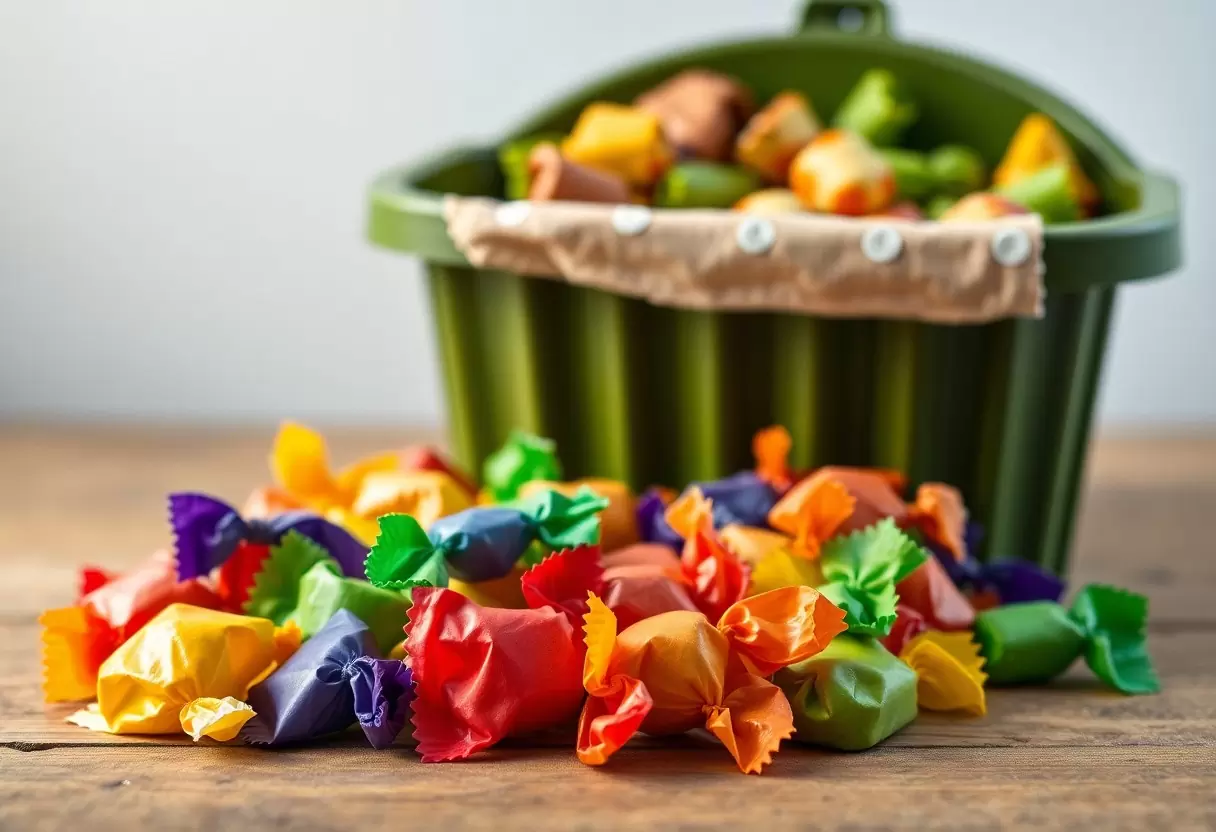
Over recent years, you may have noticed a significant shift in how candy is packaged, as innovative compostable wrapper technology emerges to tackle the pressing issue of plastic waste. This sustainable alternative not only helps reduce environmental impact but also offers a convenient solution for your candy packaging needs. By understanding how these wrappers work and their benefits, you can make informed choices that contribute to a greener planet while enjoying your favorite treats.
Overview of Compostable Wrapper Technology
Definition and Functionality
Compostable wrapper technology refers to materials designed to break down into natural elements in a composting environment, effectively reducing environmental impact. You will find that these wrappers are made from organic materials such as plant starches, cellulose, and other biopolymers, which are engineered to mimic the barrier properties of traditional plastics while ensuring biodegradability. When disposed of in appropriate composting facilities, these wrappers decompose within a few months, returning nutrients to the soil without contributing to landfill waste.
This technology functions by utilizing specific additives that enhance microbial activity, thus accelerating the breakdown process. As you opt for candy wrapped in compostable materials, you support a system that not only reduces plastic pollution but also contributes to a sustainable waste management cycle. The wrappers maintain freshness and protect the product, just as conventional wrappers do, while being inherently more environmentally friendly.
Comparison with Traditional Plastic Wrappers
Traditional plastic wrappers are typically made from petroleum-based materials which can take hundreds of years to decompose, leading to increased plastic pollution. Unlike these conventional wrappers, compostable options are designed to break down into organic matter, making them a more sustainable choice. Your decision to choose compostable wrappers supports efforts to mitigate plastic waste and encourages the use of renewable resources.
Another significant difference lies in their end-of-life impacts. Traditional plastics often end up in oceans and landfills, posing hazards to wildlife and the ecosystem. In contrast, compostable wrappers are intended for organic recycling systems, creating a positive environmental feedback loop. This promotes a circular economy where waste is minimized, and resources are efficiently utilized, aligning with contemporary sustainability goals.
| Aspect | Traditional Plastic Wrappers |
| Decomposition Time | Hundreds of years |
| Environmental Impact | Contributes to pollution |
| Material Source | Petroleum-based |
| Compostability | Not compostable |
Adopting compostable wrappers not only benefits the environment but also caters to the growing consumer demand for sustainable packaging solutions. As you choose products with compostable wrappers, you contribute to initiatives aimed at minimizing plastic waste, thus playing a vital role in shaping a more sustainable future. The global market for biodegradable materials is projected to grow significantly, indicating that more manufacturers are recognizing the necessity of transitioning from traditional plastics to sustainable alternatives.
| Benefit | Description |
| Reduced Pollution | Minimizes plastic waste in landfills and oceans |
| Soil Enrichment | Returns nutrients to the soil after composting |
| Resource Efficiency | Utilizes renewable, biodegradable resources |
| Consumer Awareness | Increases demand for sustainable products |
Environmental Impact
Reduction of Plastic Waste
Your favorite candies, often packaged in layers of plastic, contribute significantly to the global plastic waste crisis. In fact, single-use plastics account for nearly 50% of the plastic waste generated each year. Compostable wrappers provide a sustainable alternative, breaking down into organic material and enriching the soil instead of lingering in landfills for centuries. By choosing candies wrapped in these eco-friendly materials, you actively participate in reducing the staggering 300 million tons of plastic waste reported annually, making a noticeable difference in the fight against pollution.
Brands adopting compostable packaging are also seeing positive consumer responses. For instance, studies reveal that 60% of consumers express a preference for products with eco-friendly packaging, which drives companies to prioritize sustainability. Not only do these wrappers mitigate the environmental impact, but they also promote a circular economy where materials are reused and cycled back into the ecosystem, rather than discarded.
Lifecycle Analysis of Compostable Materials
Lifecycle analysis (LCA) offers a comprehensive view of the environmental impact of compostable materials from production to decomposition. This assessment reveals that compostable wrappers often require fewer resources to produce, utilizing renewable materials such as cornstarch and sugarcane instead of petroleum-based products. In comparison to traditional plastic production, these materials result in lower greenhouse gas emissions and a reduced carbon footprint.
The disposal phase also favors compostable materials since they decompose within weeks to months, unlike plastic which can take hundreds of years. This rapid degradation not only curtails landfill overflow but also reduces soil and water pollution, contributing positively to the environment. As you consider your consumption choices, understanding the clear benefits of compostable wrappers through LCA highlights a pathway toward a cleaner, more sustainable future.
More detailed lifecycle analysis displays that compostable materials, through their entire lifespan, can yield a net-positive environmental return. Each phase from raw material extraction through end-of-life disposal reveals efficiency gains that support not just individual companies’ carbon goals but also larger ecological ambitions. The embrace of compostable technologies signals a shift towards responsible consumption, allowing you to contribute to a movement that significantly lessens the burden of plastic waste on the planet.
Benefits for Candy Manufacturers
Market Trends and Consumer Demand
Your consumers increasingly prioritize sustainability in their purchasing decisions. Recent studies show that over 70% of shoppers are willing to pay more for products with eco-friendly packaging. This trend highlights an opportunity for you to differentiate your brand by adopting compostable wrappers. By aligning with consumer values, you not only enhance brand loyalty but also tap into a demographic that actively seeks out companies committed to environmentally responsible practices.
Cost Implications
Transitioning to compostable packaging may initially appear costly due to the need for new supply chains and material sourcing. However, this investment can lead to long-term savings. As production methods evolve and demand for sustainable materials increases, prices for compostable wrappers are likely to decrease, making them more accessible for your production lines. Furthermore, reducing plastic waste can lower disposal costs and improve your brand’s overall environmental impact.
Challenges in Adoption
Production and Supply Chain Issues
Shifting to compostable wrapper technology presents notable production challenges. The materials used for compostable wrappers differ significantly from traditional plastics, often requiring new machinery or modifications to existing production lines. Many manufacturers may face high initial costs and a steep learning curve in optimizing these processes. For instance, the switch from petroleum-based plastics to bio-based materials can impact production efficiency and safety standards, potentially leading to increased lead times and higher prices for consumers.
Additionally, establishing a reliable supply chain for compostable materials remains a hurdle. Many bio-based materials are sourced from agricultural products, which can be subject to fluctuating availability and prices. A limited number of suppliers focusing on sustainability could make sourcing a consistent and cost-effective supply of materials difficult. This dependency on agricultural cycles and suppliers may lead to unpredictability in production capabilities and maintainability in the long run.
Consumer Awareness and Acceptance
Consumer perceptions of compostable wrappers vary, which presents an obstacle for widespread adoption. Education around the benefits of compostable materials compared to traditional plastics is vital. Without understanding the environmental impact of their choices, consumers might hesitate to buy products in new packaging formats. Recent studies indicate that while 66% of consumers express concern about plastic waste, only 27% are confident in their knowledge of compostable materials, showing a significant gap between concern and understanding.
Marketing strategies that clearly communicate the benefits and correct disposal methods for compostable wrappers can enhance consumer adoption. For example, brands can use on-pack information to instruct consumers on proper composting practices, ensuring the wrappers don’t end up in landfills. Highlighting certifications, such as ASTM D6400 or EN 13432, can also build trust and acceptance. Engaging customers through educational campaigns can bridge this gap, leading to a higher acceptance rate of sustainable packaging solutions.
The relationship between consumer awareness and the adoption of compostable wrappers is underscored by the need for transparent communication. By offering clear, relatable information about how these wrappers can effectively contribute to waste reduction and environmental improvement, companies can cultivate a more informed customer base. As you consider the choices you make at the store, understanding the true impact of packaging can lead to more conscious buying decisions, ultimately driving demand for sustainable options in the candy industry.
Case Studies of Successful Implementation
- Brand A: Switched to compostable wrappers in 2021, resulting in a 30% reduction in plastic waste across production lines and an increase in sales by 15% due to heightened consumer interest in sustainable practices.
- Brand B: Implemented compostable packaging for their entire candy line, diverting over 1,000 tons of plastic from landfills annually. Customer surveys show that 85% of buyers favor brands with sustainable packaging.
- Brand C: Launched a pilot program for compostable wrappers in 2020; within six months, 70% of consumers reported higher brand loyalty and willingness to pay up to 20% more for sustainably packaged products.
- Brand D: Reported that after transitioning to compostable wrappers, they saw a 25% decrease in packaging-related customer complaints and improved brand perception metrics by 40%.
Leading Brands Embracing Compostable Wrappers
Major candy brands are leading the charge toward sustainable packaging by investing in compostable wrapper technology. The shift not only aligns with consumer preferences but also enhances brand reputation. For example, one prominent chocolate manufacturer has committed to completely transitioning to compostable materials by 2025, aiming to eliminate 500,000 pounds of plastic waste each year. Another smaller brand reports that its switch led to a 200% increase in customer engagement on social media, with consumers actively sharing their eco-friendly choices.
These initiatives often come with substantial marketing campaigns that educate consumers about the benefits of compostable wrappers. Integrating sustainability into your branding strategy not only addresses environmental concerns but also attracts a loyal customer base that prioritizes eco-conscious choices. Addressing consumer education about the wrapper’s breakdown process and its environmental impact ensures greater acceptance and encourages responsible disposal.
Consumer Feedback and Reception
Feedback from consumers regarding compostable wrappers has been overwhelmingly positive. Many have expressed a sense of pride in choosing products that contribute to sustainability efforts. Companies have noted a spike in brand loyalty, with many consumers willing to advocate for brands making eco-friendly choices. Surveys indicate that 78% of customers feel more positively about brands that use sustainable packaging, translating to increased repeat purchases.
The excitement around compostable wrappers extends beyond purchasing behavior. Many consumers actively seek out information about the materials used, indicating a heightened awareness and interest in sustainable practices. Social media discussions often highlight their satisfaction with such initiatives, further shaping market trends and consumer expectations. This shift marks a significant change in purchasing dynamics, with sustainability influencing preferences more than ever.
Future Trends in Sustainable Packaging
Innovations on the Horizon
Advancements in material science are set to revolutionize sustainable packaging solutions. You can expect new bio-based polymers that not only match the performance of traditional plastics but also degrade without creating environmental harm. For instance, some companies are experimenting with mycelium packaging, derived from fungi, which offers a biodegradable alternative that can potentially replace Styrofoam. Additionally, edible wrappers made from seaweed are gaining traction, providing a unique way to eliminate waste altogether while also adding nutritional value to the product.
Furthermore, technology integration in manufacturing processes is enhanced through artificial intelligence and machine learning. These technologies are helping optimize the production of compostable wrappers by improving resource efficiency and reducing waste in the manufacturing cycle. As these innovations come to market, your options for sustainable packaging will expand, leading to a more environmentally friendly way to enjoy your favorite confections.
Regulatory Developments
With increased public awareness of plastic pollution, governments are starting to implement stricter regulations on single-use plastics. Jurisdictions like the European Union are pushing for comprehensive waste management policies that include mandates for compostable materials in packaging. In 2021, a report indicated that about 90% of leaders from major global companies are already preparing for enhanced regulations by investing in sustainable alternatives, showcasing their dedication to compliance and environmental responsibility.
Staying informed about these regulatory changes is vital for your business strategy. By aligning your packaging practices with upcoming legislation, you can ensure not only compliance but also capture the growing market of eco-conscious consumers. Companies that adapt swiftly to these regulations can enhance their brand reputation and position themselves as leaders in sustainable practices.


