How Edible Packaging Revolutionizes Confectionery
Just imagine enjoying your favorite candy without any waste—edible packaging makes this a reality. As consumers become increasingly conscious of environmental i

This article contains Amazon affiliate links. As an Amazon Associate, CandiesAndSweets earns from qualifying purchases.
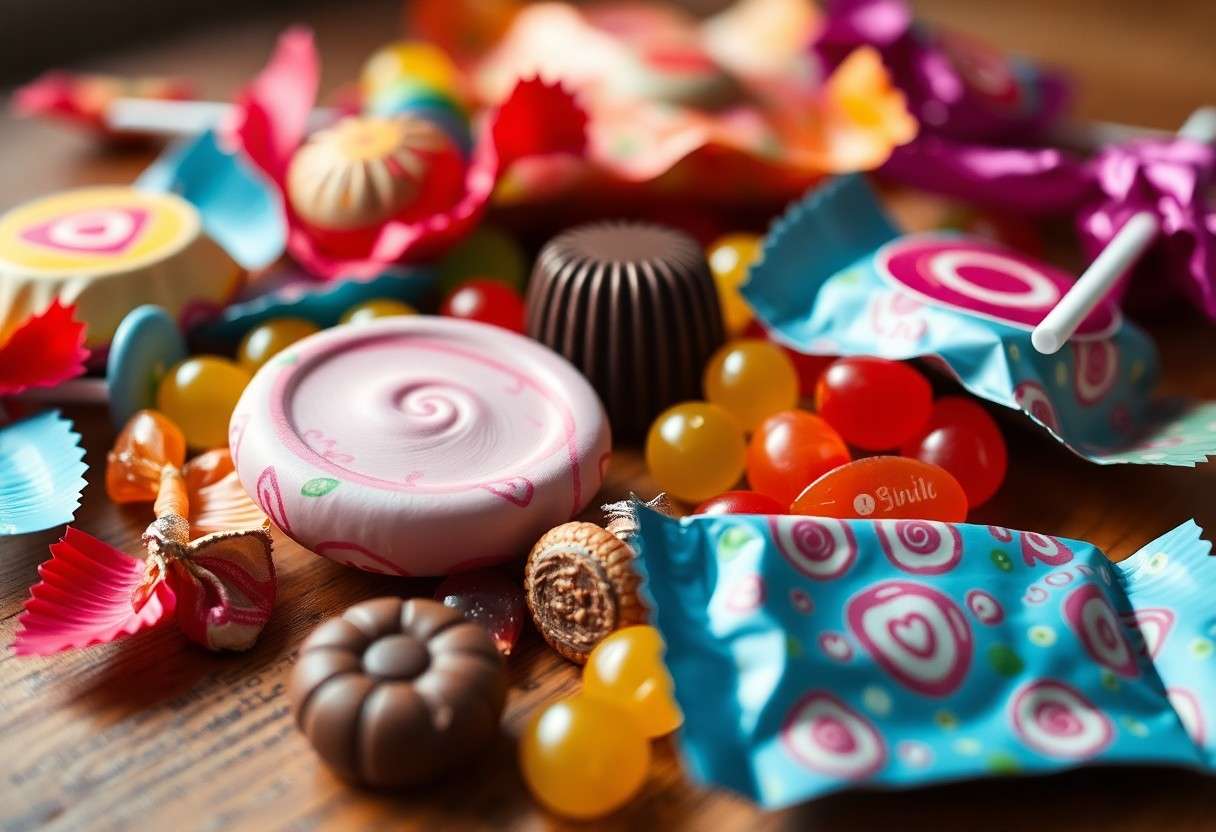
Just imagine enjoying your favorite candy without any waste—edible packaging makes this a reality. As consumers become increasingly conscious of environmental issues, innovative methods like edible wraps and containers are transforming the confectionery industry. You’ll discover how these advancements not only enhance your snacking experience but also contribute to sustainability efforts, combining taste and responsibility in delightful ways. Dive into the world of edible packaging and see how it’s reshaping your favorite treats.
The Need for Sustainable Packaging
Environmental Impact of Traditional Packaging
The escalating issue of waste generated by traditional packaging cannot be overlooked. Conventional materials like plastic and aluminum contribute to the growing landfills, with only about 9% of plastic being recycled effectively. In fact, over 300 million tons of plastic are produced each year, and a significant portion ends up in the oceans, harming marine life and ecosystems. When you consider that a single piece of plastic can take hundreds of years to decompose, it’s clear that the environmental consequences are dire and demand immediate attention.
You may find it alarming that the production of non-biodegradable packaging materials incurs a substantial carbon footprint. The manufacturing processes are energy-intensive, contributing to greenhouse gas emissions that exacerbate climate change. For instance, the production of a plastic bottle emits an average of 0.2 kg of CO2, which may not seem significant on an individual scale but becomes catastrophic when multiplied by billions of bottles worldwide. This is set against the backdrop of a planet that urgently requires reduced carbon footprints, making traditional packaging practices increasingly untenable.
Consumer Demand for Eco-Friendly Solutions
The quest for eco-friendly packaging is driven by a shift in consumer behavior, as more individuals prioritize sustainability in their purchasing decisions. According to a study by Nielsen, around 73% of global consumers are willing to change their consumption habits to reduce environmental impact. This statistic highlights your growing awareness and demand for products that align with your values, pushing brands to explore alternatives that minimize waste. As you actively seek out brands that adopt sustainable practices, you’re not just influencing market trends; you’re shifting the entire landscape of the industry.
Your expectations for packaging are evolving as well. You’re no longer satisfied with mere functionality; aesthetics and environmental friendliness are becoming key considerations. Many confectionery companies are recognizing this shift and are beginning to redesign their packaging strategies to incorporate more sustainable materials. For example, brands like Nestlé and Coca-Cola have committed to using 100% recyclable or reusable packaging by 2025, signaling to you that they are taking your preferences seriously.
What is Edible Packaging?
Definition and Composition
Edible packaging consists of materials designed to be consumed along with the food products they contain. Unlike traditional packaging, which is typically made from synthetic materials, edible packaging is crafted from natural ingredients, ensuring that it is safe and beneficial for human consumption. This innovative approach meets the dual demands of extending product shelf life and reducing environmental waste. The composition often includes polysaccharides, proteins, and lipids, which can all contribute to the structural integrity and flavor profile of the packaging while offering nutritional benefits to the end user.
Your understanding of edible packaging will grow as you explore its various forms. These packages can be thin films, coatings, or even foams that mimic traditional wrappers but offer the added advantage of dissolvability or chewability. The functionality of these materials can be tailored by customizing their composition, allowing for a range of textures and flavors that enhance the overall eating experience. Key ingredients often involve algae, milk proteins, and starches, ensuring that the packaging not only protects but also complements the confectionery items within.
After all is said and done, edible packaging challenges conventional notions of how food should be wrapped and consumed. By using materials that align with a sustainable approach to food production, you are partaking in a trend that merges deliciousness with environmental responsibility. This packaging revolution represents a shift towards more innovative solutions that satisfy both your craving for tasty treats and your desire for a sustainable future.
Types of Edible Packaging Materials
There are various types of materials used to create edible packaging, and these can be broadly categorized into multiple groups based on their sources and properties. For instance, polysaccharide-based materials come from renewable plant sources like starches and pectins. These materials are both biodegradable and consumable, making them a popular choice in confectionery applications. Meanwhile, protein-based films, derived from sources such as whey or casein, offer excellent barrier properties and can enhance flavor compatibility with various candies.
Another group of materials includes lipids, which create water-resistant coatings suitable for enclosing moist products. These materials often have applications in chocolate wrapping, where moisture protection is important for maintaining quality. Additionally, you’ll find that composites combining multiple edible materials optimize the strengths of each component while addressing potential weaknesses. The choice of edible packaging material often depends on the product’s specific needs, including moisture control, barrier properties, and even visual appeal.
As the market continues to evolve, combining different types of edible materials is increasing. You may find products that utilize innovative blends of plant fibers, proteins, and fats to create customizable solutions for various confectionery items. Innovations in edible materials allow you to experience new textures and flavors, while also enjoying a sustainable approach to snack consumption. Assume that you will soon see a broader range of edible packages on the shelves, showcasing the versatility and potential of these materials.
| Type of Edible Material | Examples |
|---|---|
| Polysaccharides | Starch, Pectin |
| Proteins | Whey, Casein |
| Lipids | Fats, Waxes |
| Composites | Blended materials |
| Natural extracts | Algal and herbal extracts |
With the continuation of research in the field, you can expect to see a rise in innovative edible packaging solutions. The application of materials such as seaweed and fruit fibers continues to pave the way for more sustainable practices in the industry. This evolution not only provides environmental benefits but also caters to a growing consumer base that prioritizes eco-friendly products while enjoying their favorite sweets. Assume that as these materials gain traction, more confectionery products will embrace edible packaging, leading to broader acceptance among consumers.
- Edible packaging materials are becoming increasingly varied and sophisticated.
- Research and development are fundamental in enhancing their properties.
- Food safety remains a top priority in material selection.
- Culinary creativity boosts the appeal of edible packaging.
- Assume that adopting these materials signals a shift in consumer preferences.
| Advantages | Disadvantages |
|---|---|
| Reduces waste | Shorter shelf life than traditional packaging |
| Enhances flavor | May require special handling |
| Composed of natural materials | Higher production costs |
| Consumer appeal | Limited availability |
| Supports sustainability | Variable performance based on composition |
Benefits of Edible Packaging in Confectionery
Reducing Waste and Carbon Footprint
One of the most significant advantages of edible packaging is its potential to minimize waste. Traditional packaging materials, such as plastics and foils, often end up in landfills, contributing to environmental pollution. According to the Environmental Protection Agency, packaging waste accounts for nearly 30% of municipal solid waste in the United States. By incorporating edible packaging into confectionery, you are not only consuming the product but also eliminating unsightly wrappers that have a lengthy decomposition timeline. This proactive approach can lead to a substantial reduction in the non-biodegradable waste your purchases generate.
Additionally, the production of edible packaging can have a lower carbon footprint compared to conventional materials. Many edible packaging solutions utilize renewable resources, such as seaweed and rice, which require less energy and land for cultivation than plastic alternatives. For example, a study by the University of California indicated that seaweed-based packaging could reduce greenhouse gas emissions by up to 70% compared to plastic. By choosing confectionery that employs these sustainable options, you contribute to a more sustainable future with every bite.
You also enhance customer loyalty and brand appeal through the adoption of edible packaging, as consumers increasingly prioritize eco-friendly practices. Brands like Loliware are pioneering this trend with their edible cups made from seaweed, appealing to the environmentally conscious demographic that values reduced waste. This shift not only helps reduce waste but can also elevate your confectionery product in a competitive market, as consumers often prefer products that align with their values without compromising quality.
Enhancing Flavor and Freshness
The use of edible packaging in confectionery can also enhance flavor profiles and freshness, significantly improving your overall experience. Traditional packaging often acts as a barrier to air and moisture, which can negatively impact the taste and texture of the sweets inside. In contrast, edible wrappers can be formulated to complement and enhance the product they encase. For instance, a chocolate truffle wrapped in a thin edible film made from fruit puree can not only maintain but also enrich the flavor you enjoy, creating a delightful symphony of taste that traditional wrappers simply cannot achieve.
Moreover, edible packaging can help maintain the ideal conditions for your chocolates and candies. By utilizing materials that are breathable yet moisture-resistant, you can keep your confectionery fresh for longer periods. An example can be seen in the advancements made by companies like Geltor, which incorporate biopolymers that interact with the product’s environment, allowing for optimal preservation. Current research suggests that edible materials can extend shelf life by 30% compared to conventional packaging, resulting in a product that not only tastes better but lasts longer too.
The aspect of flavor enhancement isn’t limited to just preventing spoilage; it also enables innovation in product development. Companies can experiment with various flavors in their packaging, opening doors to unique taste combinations that entice consumers. For instance, an edible wrapper that incorporates herbs or spices could add an unexpected burst of flavor that intrigues the palate. With this technology, you are not just consuming candy; you are savoring a multi-layered experience crafted by forward-thinking confectionery brands.
Innovations in Edible Packaging Technology
Current Advances and Research
Recent innovations in edible packaging technology are driving significant changes in the confectionery industry. Researchers are exploring a variety of natural materials, including seaweed, starches, and proteins, which not only enhance product sustainability but also improve the sensory attributes of packaged foods. Advances in biopolymer formulations are leading to the development of films and wrappers with optimal barrier properties against moisture, oxygen, and light, ensuring that candies and chocolates maintain their freshness for longer periods. Techniques such as electrospinning and 3D printing are increasingly being employed to create customizable packaging solutions that can be tailored to specific products and consumer preferences.
Your understanding of edible packaging will expand as you see that innovative methodologies, like the encapsulation of flavors and nutrients within the packaging, are paving the way for a multi-functional approach. This not only enhances the taste experience but also allows for the possibility of enhancing the nutritional profile of the product. Cooperative research efforts among universities, food tech startups, and manufacturing companies are yielding promising results, with prototypes already being tested in real-world applications. Ongoing studies focus on improving the scalability of production methods while keeping costs competitive against conventional packaging.
As you dive deeper, consider that patent filings related to edible packaging technologies have surged, signaling strong industry interest and growth potential. Notable breakthroughs include the use of whey protein and gelatin in creating water-soluble films that provide not only safety and convenience but also natural biodegradability. Such advances in composition and functionality show how research is moving swiftly, with dedicated projects investigating diverse formulations and their impacts on product shelf life and consumer acceptance.
Case Studies of Successful Implementation
Examining real-world implementations can clarify the tangible benefits of edible packaging. Companies globally are actively integrating this technology to enhance their product offerings while contributing positively to environmental sustainability. For instance, brands that use edible film wrappers are experiencing an uptick in consumer interest, particularly amongst eco-conscious demographics. Specific case studies highlight successful pilot projects that showcase both the feasibility and market acceptance of these innovative solutions.
- Anchor Packaging: Utilized seaweed-based wrapping for chocolates, reducing plastic use by 30% while maintaining product integrity.
- Candy Kittens: Introduced fully edible packaging made from starches, saving approximately 10 tons of plastic waste annually.
- BioPack Technologies: Developed edible sugarcane films for snack foods, improving biodegradability by over 85% compared to traditional materials.
- ChocoBites: Launched a line of chocolates wrapped in rice paper, engaging over 20% of their customers with sustainable choices.
- Everyday Edibles: Reported a 15% increase in sales after switching to edible packaging, showcasing a successful appeal to environmental concerns.
This data illustrates how implementing edible packaging not only reduces environmental impact but can also translate into market success. By adapting to consumer demands for sustainable options, brands like Anchor Packaging and Candy Kittens not only lead the charge in innovation but also directly address urgent ecological challenges. The metrics speak volumes: increased sales, plastic waste reduction, and higher consumer engagement underscore the viability of edible packaging as a formidable alternative in the confectionery sector.
Challenges and Limitations
Production and Scalability Issues
When considering the broader implementation of edible packaging in the confectionery sector, production and scalability present substantial hurdles. Traditional manufacturing processes for confectionery often rely on established methods that focus on materials like plastics and non-consumable packaging. Transitioning to edible packaging requires re-evaluating these processes and investing in new equipment that can handle biopolymers and other innovative materials. You might find that there is a steep learning curve for manufacturers as they experiment with various formulations and textures to optimize the eating experience while maintaining product integrity during transport and display.
Additionally, scalability remains a pressing concern as initial production runs may demonstrate promising results; however, scaling up to meet market demand can introduce inconsistencies in quality and safety. You can see this in case studies where companies have produced small batches of edible wrappers and experienced successful consumer feedback, only to struggle with quality control when increasing their output. It is important for manufacturers to develop protocols that ensure that both the aesthetic and functional properties of edible wrappers remain consistent across larger batches, which can sometimes lead to higher production costs and longer lead times.
You should also consider the sourcing of raw materials used in edible packaging. Many materials, such as seaweed, milk proteins, and other natural ingredients, can face variability due to agricultural conditions and supply chain fluctuations. This unpredictability can hinder not only the availability of ingredients but also lead to increased prices, which can make it challenging for manufacturers to offer edible packaging at competitive prices. Establishing reliable supply chains and sustainable sourcing practices is important for supporting the industry’s growth without overstretching your resources.
Regulatory and Safety Concerns
Navigating the regulatory landscape surrounding edible packaging can be complex and daunting. Since edible packaging directly interacts with food, it must meet stringent health and safety guidelines set by various governing bodies, such as the FDA. You may find that the lack of standardized regulations for edible packaging creates uncertainty among manufacturers. Each material used in edible packaging must undergo rigorous testing to ensure it is safe for consumption, doesn’t introduce harmful substances, and effectively preserves the quality of the food it encases. This complexity could delay the market entry for your product and increase development costs significantly.
Moreover, the safety assessment process can vary significantly by region, complicating international expansion plans. If your edible packaging is designed to be marketed in different countries, you may have to conduct multiple tests and trials, tailored to meet specific national regulations. These barriers can slow down innovation in the edible packaging sector and deter smaller companies from entering the market. Larger companies might find themselves better positioned to navigate this obstacle due to their existing regulatory experience and resources.
An understanding of consumer perceptions is equally important in this context. Many consumers may not be familiar with edible packaging and could have concerns about its safety, composition, and potential allergens. You must consider transparent labeling and detailed ingredient lists as important strategies for overcoming skepticism and ensuring your edible packaging is well-received. Engaging in education campaigns about the benefits and safety of edible packaging can also help bridge the gap in consumer trust.
Future Trends in Edible Packaging
Predictions for the Confectionery Industry
As the confectionery industry evolves, you can expect a significant shift toward the widespread adoption of edible packaging. Analysts predict that by 2025, the market for this innovative solution could surpass $2 billion globally. This rise will largely be driven by environmental concerns and a growing consumer preference for sustainable practices. Major brands, including Nestlé and Mars, are already investing in research and development to create edible wrappers that not only enhance product appeal but also contribute to waste reduction. The integration of edible packaging into high-demand products could lead to more attractive packaging designs, harnessing flavors and textures that excite consumers while aligning with eco-friendly values.
Moreover, advancements in food technology will streamline the manufacturing processes behind edible packaging. You will likely see the emergence of biopolymers as a primary material, derived from natural sources such as seaweed and starch. These materials not only possess desirable properties for food preservation but also hold potential for flavor infusion. It’s not far-fetched to imagine candy wrappers that taste like the confectionery itself or health-focused options that include added nutrients. Continuous innovation in this area reassures that edible packaging will remain a staple in your favorite sweet treats.
Finally, consumer trends towards personalization will further influence how edible packaging is developed. You might notice products that cater specifically to dietary needs, like gluten-free or vegan options, offering enhanced flavor profiles without compromising on sustainability. Packaging that evolves to suit individual preferences will likely increase brand loyalty as consumers become more invested in the products that resonate with their values. Expect to see brands leverage data analytics to anticipate these preferences, ensuring that edible packaging not only reduces waste but also enhances the overall sensory experience.
The Role of Consumer Education and Awareness
Educating consumers about the benefits of edible packaging is imperative for its successful integration into the confectionery market. You’ll find that understanding the environmental impact of traditional packaging can help foster acceptance of new alternatives. Campaigns that highlight the advantages of edible options—such as reducing landfill waste—can empower consumers to make informed choices. Collaborations between brands and environmental organizations can amplify these messages, encouraging you to consider edible packaging as a viable substitute for conventional materials. By actively educating consumers, the industry can create a cultural shift that normalizes the use of edible products.
Additionally, your awareness of the different types of edible packaging available will play a significant role in its adoption. Education initiatives can focus on explaining the diverse materials used, including gelatin, seaweed, and plant-based polysaccharides, and their benefits. Knowledge of how these materials are derived and their nutritional content can make you more likely to try products with edible packaging. Brands that transparently communicate their sourcing and production processes can build trust and loyalty among ethically-minded consumers.
As you become more conscious of food waste and sustainability, the importance of consumer education cannot be overstated. The confectionery industry must prioritize clarity in messaging about edible packaging—its uses, benefits, and potential drawbacks. This will not only influence your purchasing decisions but also encourage ongoing dialogue about the future of packaging. As information spreads, you will likely see a rise in demand for creative, visually appealing edible packages that challenge the norms of conventional confectionery.
To wrap up
Considering all points, you see how edible packaging offers a sustainable and innovative solution to the challenges faced by the confectionery industry. By reducing reliance on traditional plastic wrappers, you can promote a greener alternative that not only minimizes waste but also enhances the overall consumer experience. As you contemplate your purchasing habits, opting for products with edible packaging can align with your values of environmental stewardship while enjoying your favorite sweets without the guilt associated with single-use plastics.
Furthermore, you’ll appreciate the versatility and creativity that edible packaging brings to the confectionery landscape. With choices ranging from flavored wrappers to nutrient-enriched options, you enhance your sensory experience while satisfying your taste buds. This innovation allows you to engage more deeply with the products you consume, as packaging no longer merely serves as a protective layer but becomes an integral part of the treat itself. As you explore these new offerings, you can indulge in the delightful fusion of taste and function.
Lastly, the shift towards edible packing isn’t just about immediate benefits; it signals a broader transformation in industry practices. As confectionery brands adopt these advanced packaging solutions, you’re participating in a movement that values sustainability, health, and convenience. This evolution indicates a promising commitment to the future of food production, and by choosing products with edible packaging, you play a vital role in advocating for change in how confectioneries are conceived and delivered. Embracing this trend can empower you to influence market dynamics and support brands that prioritize ecological responsibility alongside innovation.


