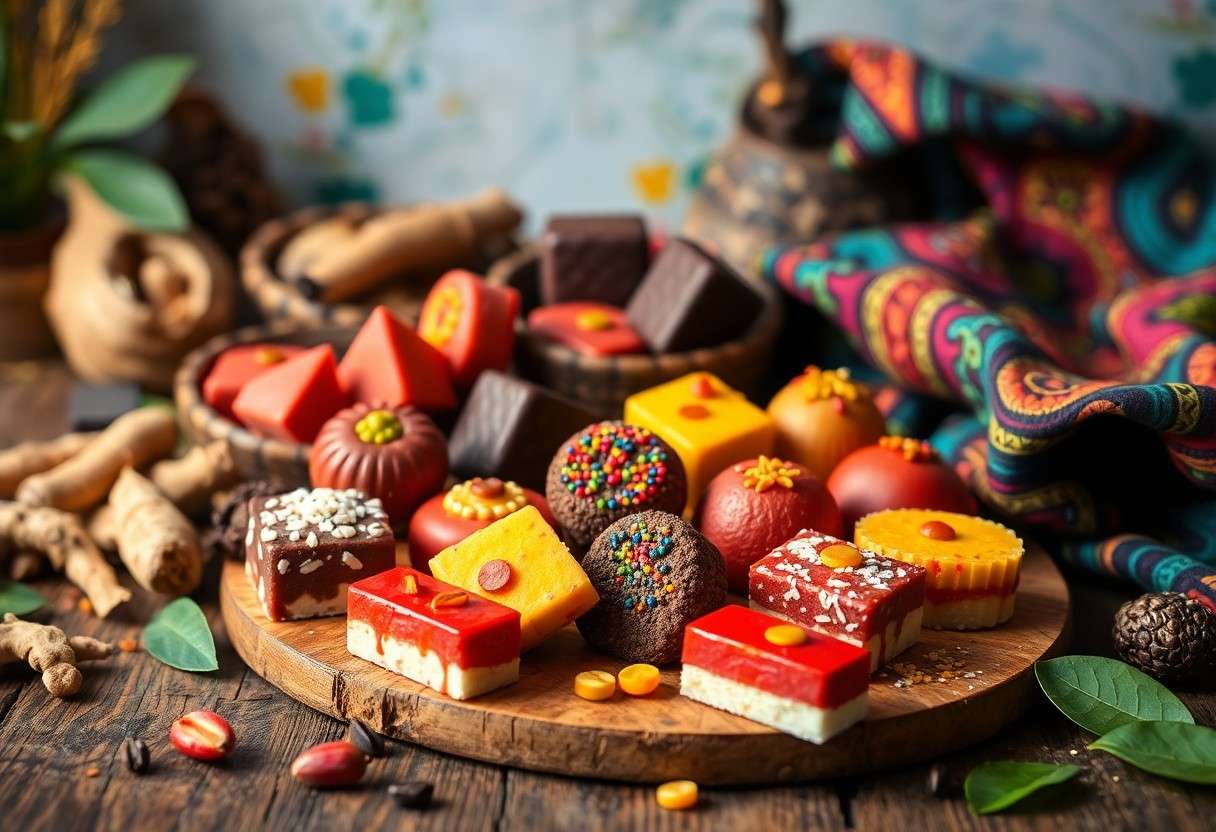
Edible Packaging Innovation Reduces Waste While Adding Nutritional Value
Most consumers are increasingly aware of the environmental impact of packaging waste. Innovative edible packaging offers a sustainable solution by not only redu

This article contains Amazon affiliate links. As an Amazon Associate, CandiesAndSweets earns from qualifying purchases.
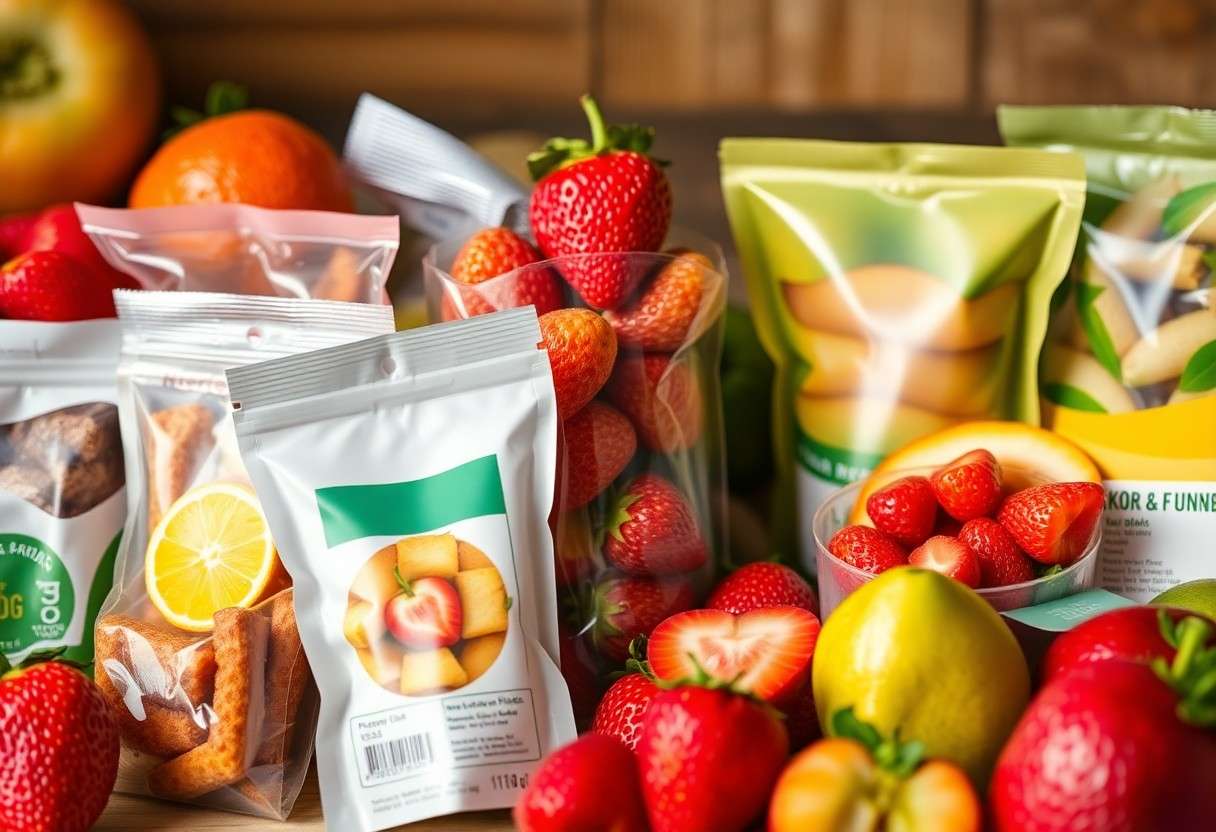
Most consumers are increasingly aware of the environmental impact of packaging waste. Innovative edible packaging offers a sustainable solution by not only reducing waste but also enhancing the nutritional value of your food. By incorporating ingredients that are both biodegradable and nutritious, these advancements present a compelling option for conscious consumers like you who are seeking to minimize their ecological footprint while enjoying healthier choices. Explore how this groundbreaking innovation can reshape the way you think about food packaging.
Overview of Edible Packaging
Definition and Types
Edible packaging refers to packaging materials that are safe for consumption and can be eaten along with the food they encase. This innovative approach not only contributes to reducing waste but also enhances the nutritional quality of products. Various types of edible packaging include films, coatings, and wrappers made from natural ingredients such as starches, proteins, and lipids.
- Biodegradable films made from plant-based materials
- Coatings that enhance flavor and preserve freshness
- Gelatin-based wrappers that serve dual purposes
- Seaweed-derived sheets for snacks and sushi
- Fruit and vegetable-based films for diverse applications
Perceiving edible packaging as a viable alternative to traditional options allows you to explore a sustainable future for food preservation and delivery while minimizing waste.
| Type | Characteristics |
|---|---|
| Biodegradable Films | Made from plant sources, compostable |
| Coatings | Enhances flavor, extends shelf-life |
| Gelatin-Based | Flexible, used for gummies and confections |
| Seaweed Sheets | Rich in nutrients, ideal for snacks |
| Fruit and Vegetable Films | Natural flavors, diverse food applications |
Materials Used in Edible Packaging
The materials utilized in edible packaging are often derived from natural, renewable resources. Common ingredients include starches for film formation, proteins like casein or gelatin for structural integrity, and lipids which help control moisture and oxygen barrier properties. These materials not only provide functionality but also contribute imperative nutrients, enhancing the overall value of the food products you consume.
Starches from corn, tapioca, or potatoes serve as the primary base for many edible films due to their excellent film-forming abilities and biodegradability. Proteins sourced from milk, egg, or soy can create strong barriers against oxygen and moisture, ensuring that food remains fresh longer while also offering nutritional benefits. The evolution of materials for edible packaging focuses on increasing functionality while catering to consumer preferences for health and sustainability.
Environmental Impact
Reduction of Plastic Waste
Your daily choices in packaging have significant ramifications on the environment. Traditional plastic packaging contributes immensely to global waste, with an estimated 300 million tons of plastic produced every year, a significant portion ending up in landfills and oceans. Edible packaging provides a tangible solution to this issue by offering materials that either decompose naturally or convert into nutrients, thus mitigating the accumulation of plastic waste in the environment. For instance, research has shown that using edible films made from seaweed can reduce plastic waste by up to 50%, showcasing a promising alternative for environmentally conscious consumers and industries.
This innovative approach does not only minimize waste; it also enhances sustainability in the supply chain. Food manufacturers adopting edible packaging can report a reduction in logistics costs, as these materials often weigh less than traditional options and can contribute to longer shelf life. As you choose products with edible packaging, you support a transition towards a circular economy where materials are reused or repurposed rather than discarded. Every step you take towards opting for edible packaging makes a notable difference in reducing plastic pollution.
Sustainable Production Practices
Implementing edible packaging doesn’t just solve waste problems; it also encourages sustainable production practices that benefit the environment. Many companies are turning to renewable resources sourced from plants, fruits, and seaweeds for their edible packaging materials, consequently reducing reliance on fossil fuels. By utilizing agricultural by-products, such as starches or proteins that are typically discarded, you not only cut down on waste but also promote a more efficient use of resources. A report by the Food Packaging Forum indicates that sustainable practices in production can cut carbon emissions by as much as 30% in the food sector.
The incorporation of sustainable production practices extends beyond raw materials. Many manufacturers are now prioritizing environmentally friendly processes, utilizing low-energy methods and non-toxic chemical treatments in their packaging production. By choosing products packed in edible materials, you align your consumption with a growing movement focused on reducing environmental footprints and fostering a cleaner planet. Innovations in this field signify more than just packaging alternatives; they represent a shift towards our collective responsibility in addressing climate change.
Nutritional Benefits
Enhanced Nutritional Profile
Edible packaging can significantly enhance the nutritional profile of the foods you consume. For example, certain types of seaweed-based wrappers are not only biodegradable but also rich in vitamins and minerals, such as iodine and omega-3 fatty acids. These wrappers can fortify snacks and meals, making them healthier without adding extra calories. Manufacturers are increasingly experimenting with plant-based materials infused with antioxidants and fiber, further enhancing the functional properties of the packaging.
Your food packaging doesn’t just serve as a barrier; it can proactively contribute to your nutrition. Innovative formulations of edible films made from proteins or polysaccharides can include added minerals like calcium or iron, helping to address specific dietary deficiencies. This development is particularly beneficial for populations facing high rates of malnutrition, allowing them to receive additional nutrients in a form that complements their diets seamlessly.
Preservation of Nutrients in Food
Edible packaging plays a key role in preserving the vital nutrients in food, extending shelf life while maintaining quality. Wrapped in a protective layer, produce remains fresher for longer, effectively reducing nutrient loss that typically occurs during storage. For instance, studies have shown that fruits and vegetables stored in edible coatings experience slower respiration rates, leading to prolonged retention of vitamins and other vital compounds.
The impact of edible packaging on nutrient preservation is particularly evident in products like cheese, where edible wrappers help to retain moisture and prevent oxidation. Research indicates that cheese coated with natural edible films can maintain its vitamin content significantly better than cheese wrapped in traditional plastic. This innovative approach not only prolongs shelf life but also ensures that you receive the full nutritional benefits of your food.
Applications in the Food Industry
Innovations in Food Products
Integrating edible packaging into food products is transforming consumer interactions with their meals. You may encounter edible wrappers made from seaweed, which can replace traditional plastic for snacks like sushi rolls or candy bars. These innovations not only cut down on waste but also provide additional nutrients, such as omega-3 fatty acids from seaweed, enhancing the overall health benefits of your favorite treats.
In the dairy sector, you might find yogurt encased in edible films made from milk proteins. This not only eliminates the need for plastic containers but also keeps formulations fresher for longer. As you consume these products, you also reap the benefits from the proteins that make up the packaging itself, creating a unique synergy between convenience and nutrition.
Case Studies of Successful Implementation
Several companies have demonstrated successful applications of edible packaging, proving its viability within the food industry. A prominent case is that of a California-based startup, which developed a line of edible coffee pods that significantly reduced waste in comparison to traditional plastic and aluminum pods. After implementing edible packaging, they reported a 40% increase in customer engagement and a reduction in waste sent to landfills by 75%. This case reflects how consumers are increasingly supportive of sustainable practices.
Another notable example involves a partnership between a major snack company and a research institution. They collaborated to create edible packaging for popcorn, resulting in a 50% decline in environmental impact over a year. Their innovative approach led to an increase in product sales by 30% due to positive consumer feedback on health and sustainability, showcasing the market potential of these solutions.
- Startup in California: Edible coffee pods reduced landfill waste by 75% and increased customer engagement by 40%.
- Snack company partnership: Edible popcorn packaging achieved a 50% lower environmental impact, boosting sales by 30% over a year.
- Major beverage corporation: Pilot project on edible film resulted in a 60% increase in customer satisfaction due to improved freshness perceptions.
- A European chocolate manufacturer: Implemented edible wrappers that led to a 45% reduction in packaging costs while adding nutritional benefits.
In these examples, the tangible results highlight how edible packaging not only addresses environmental concerns but also resonates with health-conscious consumers. The data backs up the trend of sustainable practices positively influencing market performance, demonstrating that innovation in packaging can deliver economic benefits alongside environmental responsibilities.
Consumer Acceptance and Trends
Public Perception of Edible Packaging
Your perception of edible packaging significantly impacts its acceptance and growth in the market. Research indicates that as awareness of sustainability increases, consumers are more willing to embrace innovative solutions that reduce waste. A survey conducted by the Food Innovation Institute found that 68% of respondents expressed interest in trying products with edible packaging, primarily driven by concerns about plastic pollution. The desire for environmentally friendly options enhances the appeal of edible packaging, particularly among younger demographics who prioritize sustainability in their purchasing decisions.
Concerns around safety, taste, and texture of edible packaging remain prevalent. Some consumers perceive it as a novelty or gimmick rather than a practical solution. Educating potential users about the safety and nutritional benefits associated with these materials is imperative to overcoming skepticism. Highlighting successful applications, such as the use of edible films in candy and cheese products, can demonstrate real-world viability and taste acceptance, fostering a more favorable perception.
Market Trends and Future Prospects
The trend toward sustainable packaging is accelerating, with the edible packaging market projected to grow significantly in the coming years. According to a report by ResearchAndMarkets, the global edible packaging market is expected to reach $2.5 billion by 2026, with a CAGR of 5.3%. This growth is spurred by increasing government regulations against single-use plastics and a surge in consumer demand for sustainable products. You’ll notice a broader range of food sectors, including snacks, beverages, and ready-to-eat meals, exploring edible packaging alternatives, which further boosts market opportunities.
Innovation plays a pivotal role in shaping the future of edible packaging. Various companies are focusing on research and development to enhance the functionality of these materials, integrating properties such as moisture control and extended shelf life. Collaborations between food technologists and environmental scientists indicate a growing trend toward multi-functional edible films that not only serve as packaging but also enhance the nutritional value of products. This convergence of sustainability and nutrition will likely redefine packaging norms, positioning edible packaging as a mainstream solution.
Challenges and Limitations
Shelf Life and Stability Issues
Your enthusiasm for edible packaging may face obstacles related to shelf life and stability. Many edible materials are prone to degradation from environmental factors like humidity and light, which can negatively affect their usability. For instance, a study found that certain edible films derived from seaweed lost substantial strength and integrity within days of exposure to air. These stability issues necessitate careful formulation to ensure that the packaging retains its properties throughout the product’s intended shelf life.
Cost Implications for Producers
Transitioning to edible packaging may initially appear cost-prohibitive for many producers. The materials used to create these films or coatings tend to be more expensive than traditional packaging options. For instance, sourcing natural ingredients for biodegradable films often involves higher production costs due to limited availability and processing needs. This increased cost can be exacerbated by scaling production, as suppliers may charge premium prices for niche, sustainable materials.
As you explore the financial aspects of edible packaging, consider that investing in these innovative solutions can produce long-term savings by reducing waste disposal costs and enhancing brand value among environmentally conscious consumers. Aligning with sustainability goals could create a loyal customer base willing to support products that prioritize eco-friendly practices, potentially offsetting initial investment expenditures over time.
To wrap up
Ultimately, embracing edible packaging innovation allows you to significantly reduce waste in your daily life while adding nutritional value to the products you consume. As you incorporate these sustainable solutions into your routine, you contribute to a more environmentally friendly future and promote a healthier lifestyle. The development of edible packaging is transforming the way you think about the materials surrounding your food, creating opportunities for both culinary creativity and ecological responsibility.
As you explore this evolving field, you can enhance your understanding by delving into sustainable solutions and novel trends in food packaging. By staying informed about these advancements, you position yourself at the forefront of a movement that seeks to harmonize convenience, nutrition, and environmental stewardship, making a positive impact on your life and the planet.