Why Ethical Cacao Sourcing Matters for Chocolate Quality
With traceable, ethical cacao, you protect flavor and supply chains while avoiding child labor and deforestation; ethical buying delivers richer, more consisten

This article contains Amazon affiliate links. As an Amazon Associate, CandiesAndSweets earns from qualifying purchases.
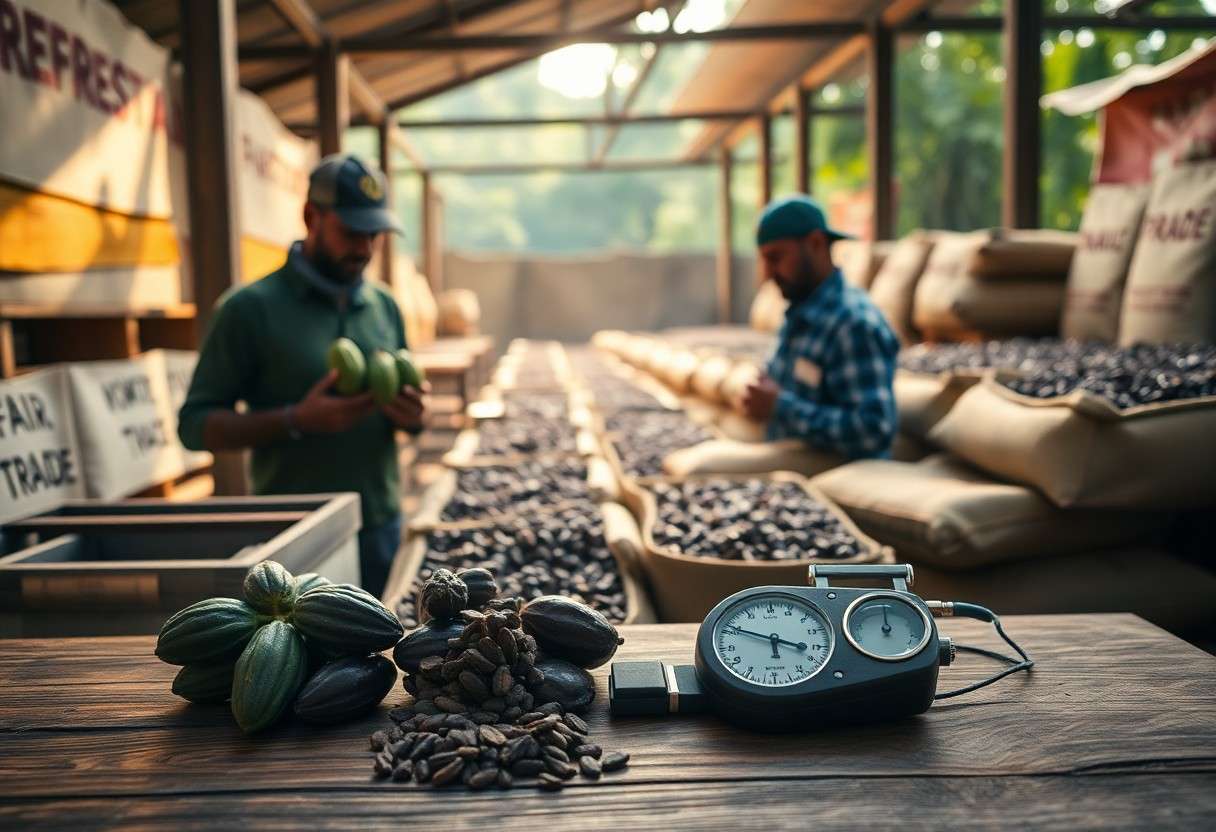
With traceable, ethical cacao, you protect flavor and supply chains while avoiding child labor and deforestation; ethical buying delivers richer, more consistent chocolate and fair pay for farmers, so you guarantee quality and sustainability.
The Connection Between Soil Health and Flavor Complexity
Soil teems with microbes and minerals that drive the biochemical pathways producing cacao aroma; when you protect that diversity, beans develop layered tasting notes. Degraded soils and chemical runoff make plants susceptible to disease and often yield blander, one-dimensional chocolate.
You can detect differences between beans grown in living soils versus depleted plots: better structure and organic matter boost nutrient uptake and create the precursors for complex flavors during fermentation and roasting.
Regenerative Agriculture and Nutrient Density
Regenerative practices rebuild organic matter and soil life, so you see higher concentrations of micronutrients and amino acids that become flavor precursors. Applying compost, cover crops, and minimal tillage increases nutrient density, translating into fuller, more nuanced chocolate profiles.
Biodiversity as a Natural Flavor Enhancer
Biodiversity around cacao trees alters microclimates and supports pollinators, which helps your pods mature more evenly and develop richer aromatic compounds; diverse plantings also reduce pest outbreaks, lowering chemical inputs that can taint flavor.
Beyond planting variety, encouraging native trees and mycorrhizal networks improves soil nutrient cycling and fermentation outcomes, so you benefit from mycorrhizal networks and reduced pesticide residues that preserve delicate flavor notes.
Elevating Post-Harvest Processing Standards
Post-harvest handling determines whether you transform raw beans into premium chocolate or lose delicate notes to spoilage; enforce sanitation, consistent fermentation windows, and monitored drying to protect flavor precursors and avoid mold and contamination that degrade quality.
The Role of Skilled Fermentation in Aroma Development
Skilled fermentation gives you control over microbial succession and temperature, shaping acids and alcohols that become aroma precursors; manage turning schedules and bin hygiene to produce clean, complex aromas instead of acrid, vegetal off-notes.
Controlled Drying Techniques to Prevent Off-Flavors
Controlled drying prevents rewetting and uneven moisture pockets that foster mold and mycotoxins; monitor moisture, airflow, and exposure so you avoid sun-scald or over-drying that strip volatile aromatics.
Shade drying and raised beds let you remove moisture gently while preserving volatiles; combine sensors, batch sorting, and rapid rejection of defective lots to minimize the risk of widespread flavor loss from beans with high moisture or fermentation defects.
The Economic Incentives for Premium Beans
You see how premium payments change farmer choices, promoting varietal selection, careful harvesting and precise fermentation, which yield higher flavor premiums and stronger incentives to reinvest.
Moving Beyond the Commodity Price Trap
Markets that value traceability and flavor let you escape commodity cycles; targeting specialty buyers captures higher margins that fund better inputs and training.
How Living Wages Enable Quality Focus
Paying living wages stabilizes households so you can enforce slower, quality-focused post-harvest steps like extended fermentation and uniform drying, producing consistent quality.
Stable incomes also reduce pressure for early sales or unsafe labor practices, lowering the risk of child labor and contamination while allowing investment in curing equipment and skilled oversight.
Preserving Heirloom Cacao Genetics
Preserving heirloom cacao lets you maintain genetic diversity that underpins flavor and resilience. By keeping rare varieties in production, you protect the complex tasting notes that define premium chocolate and reduce dependence on a narrow set of cultivars.
Genetic stewardship through seed saving and community nurseries helps you sustain traits that breeding programs often discard. These practices preserve disease resistance and adaptive traits that keep your supply chain resilient under shifting climates.
The Threat of Monoculture and High-Yield Hybrids
Monoculture exposes your trees to amplified risks from pests and pathogens, making epidemics likelier and jeopardizing harvests. When diversity disappears, you lose the buffer that protects farms from collapse and long-term instability.
Hybridization aimed solely at yield can strip away nuance, leaving you with higher volumes but homogenized flavor and long-term vulnerability. Choosing short-term productivity over diversity can reduce the quality premium your chocolate commands.
Protecting Unique Terroir-Driven Profiles
Terroir links soil, microclimate and local genetics to distinctive flavors you want in fine chocolate; preserving local varieties ensures you keep those singular taste signatures. When you conserve landrace genetics, you protect the story and value that set your product apart.
Practices like on-farm seed banks, participatory selection and provenance traceability let you actively safeguard terroir. These measures support smallholders, maintain flavor diversity, and secure the premium qualities that discerning consumers seek.
Transparency and Traceability in the Supply Chain
Supply chain visibility lets you trace beans from farm to bar so you can verify processing and storage that affect quality. Records and chain-of-custody data help you detect adulteration and reduce risks like fraud or child labor, protecting both product integrity and consumer trust.
Direct Trade as a Catalyst for Excellence
Direct relationships allow you to source beans with clear provenance and pay higher premiums that incentivize better fermentation and drying, leading to better flavor consistency. These partnerships often deliver traceable lots and faster feedback loops that improve both ethics and taste.
Verifying Origin to Ensure Authentic Quality
Verification methods such as audits, blockchain records and DNA testing let you confirm origin and processing claims, reducing the chance of mislabeling or blending that undermines brand reputation. Reliable proof of origin supports your quality standards.
Practical steps you can take include asking suppliers to ask for lot codes, requiring third-party audits, arranging on-site visits, and requesting lab tests to match sensory and chemical profiles, plus signing long-term contracts that lock in transparent practices.
Long-Term Sustainability and Crop Resilience
Agroforestry systems stabilize yields over time by combining cacao with shade trees and cover crops, so you benefit from improved pollination and soil health. These mixtures also buffer plants against drought and pests, supporting disease resistance and more consistent bean quality for premium chocolate.
Diversity in planting materials and practices protects you from single-point failures; maintaining local varieties and seed banks reduces the chance of catastrophic loss and preserves the distinct flavor profiles that the specialty market demands.
Combating Climate Change Through Ethical Forestry
Reforestation on cacao plots restores canopy cover and lets you increase carbon sequestration while moderating farm microclimates to prevent heat stress on developing beans. Such corridors also support pollinators and natural pest predators for healthier harvests.
Agroecological forestry that prioritizes native species helps you protect watersheds and cut fertilizer runoff, producing soils that retain moisture and reduce erosion while delivering lower emissions across the supply chain.
Securing the Future of Fine Flavor Cacao
Selective preservation of heirloom cacao and strict post-harvest protocols let you maintain the aromatic compounds that define fine flavor; protecting these genetics ensures access to specialty buyers and quality premiums.
On-farm nurseries, targeted farmer training in fermentation and drying, and coordinated seed exchanges enable you to keep flavor consistent and traceable across seasons, strengthening market position and protecting against pest or market shocks with quality control measures.
To wrap up
Following this, you notice the flavor clarity and consistent quality that come from ethically sourced cacao, because farmers receive fair pay and can invest in fermentation and drying. You also get transparency about origin and production practices, which protects brand reputation and ensures the chocolate you sell or enjoy reflects careful farming and superior bean integrity.