Guide to Regenerative Agriculture in Cocoa Farming
You can transform your cocoa farming practices by adopting regenerative agriculture techniques that enhance soil health, increase biodiversity, and improve yiel

This article contains Amazon affiliate links. As an Amazon Associate, CandiesAndSweets earns from qualifying purchases.
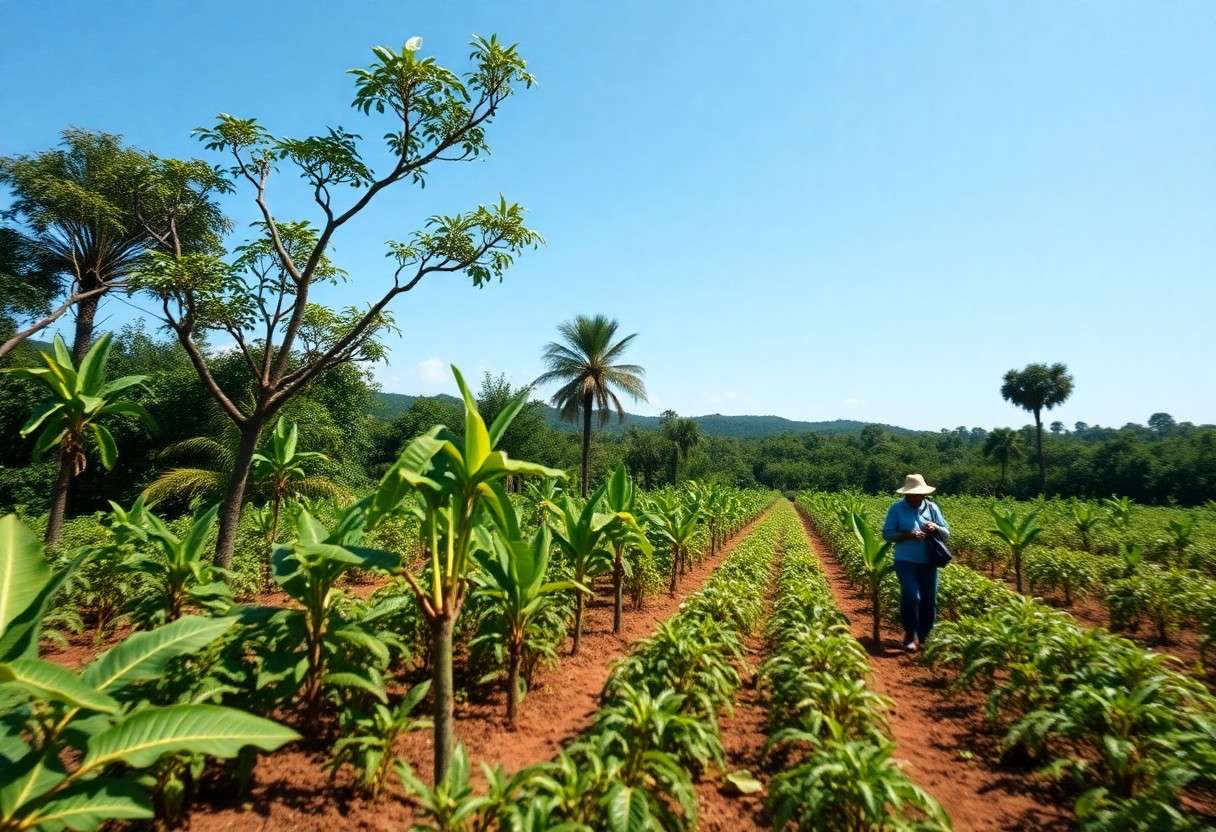
You can transform your cocoa farming practices by adopting regenerative agriculture techniques that enhance soil health, increase biodiversity, and improve yields. This guide will equip you with necessary strategies and insights to implement sustainable practices tailored for cocoa cultivation. By integrating principles of regeneration, you not only foster a healthier ecosystem but also create a more resilient farm that can thrive in changing environments. Explore the methods that can elevate your farming approach and contribute positively to the planet and your community.
Understanding Regenerative Agriculture
Definition and Principles
Regenerative agriculture is an innovative farming approach that focuses on the restoration and enhancement of ecosystem health, rather than merely sustaining current conditions. It emphasizes practices that improve soil health, promote biodiversity, and increase carbon sequestration while ensuring sustainable production. By integrating these principles into your farming methods, you not only enhance the resilience of your cocoa crops but also contribute positively to the broader environment. Regenerative agriculture is holistic, recognizing that the health of soils, crops, livestock, and ecosystems are interconnected and mutually dependent.
Core principles of regenerative agriculture include minimizing soil disturbance, maintaining continuous ground cover, and implementing crop rotations. These practices help to build soil organic matter, improve water retention, and reduce erosion. You should also focus on cultivating perennial crops, which can provide year-round soil stability and reduce the need for chemical inputs while enhancing local biodiversity. By adopting these principles, you can create a more sustainable farming system that supports both your cocoa yield and the environment.
Another key aspect of regenerative agriculture is the emphasis on local ecosystems. It’s vital to utilize native plants and methods suited to your specific conditions to enhance biodiversity and resilience against pests and diseases. Incorporating agroforestry techniques-where you cultivate cocoa alongside other trees and plants-can enrich the environment while providing additional resources. The overall aim is to create a farming system that harmonizes with nature, ensuring long-term viability and productivity.
Types of Regenerative Practices
There are several types of regenerative practices you can implement in your cocoa farming operation. These practices include cover cropping, crop rotation, agroforestry, no-till farming, and holistic grazing management. Cover cropping involves planting legumes or other crops in the off-season to improve soil health and reduce erosion. Crop rotation enhances soil fertility and disrupts pest cycles by varying the types of crops grown in succession. Implementing agroforestry can help restore local ecosystems by integrating timber, fruit trees, and cocoa, while no-till farming mitigates soil disturbance and helps maintain soil structure. Holistic grazing management, although more applicable to livestock operations, can inform practices to improve soil health in your cocoa fields.
The adoption of these practices is not just beneficial for your cocoa yield; they play a vital role in carbon sequestration, reducing the overall carbon footprint of your farming operations. For instance, cover cropping can increase organic matter, which in turn enhances soil health and productivity. Incorporating diverse crops through rotation helps to break monoculture tendencies, fostering a more resilient ecosystem that is less likely to be affected by pests and disease. These practices also enhance water retention in soils, which is vital for maintaining crop health during dry spells.
More importantly, you should consider integrating regenerative practices that align with your specific conditions and goals. Assess your land and resources to determine the most effective approach for your situation. Here’s a summary of types related to regenerative practices:
| Practice Type | Description |
|---|---|
| Cover Cropping | Planting crops to protect and enrich soil in off-seasons. |
| Crop Rotation | Changing crops in sequence to improve soil health and break pest cycles. |
| Agroforestry | Integrating trees and shrubs with cocoa crops for biodiversity and resources. |
| No-Till Farming | Reducing soil disturbance to maintain structure and organic matter. |
| Holistic Grazing Management | Systematic grazing that promotes soil health and prevents overgrazing. |
Knowing the different regenerative practices and their benefits allows you to customize a plan that suits your cocoa farming methodology and local conditions. Implementing these practices leads to healthier ecosystems and a more sustainable farming model, reducing reliance on chemical inputs over time. Moreover, this structured approach to farming not only supports ecological balance but also aligns with increasing consumer demand for sustainably sourced products.
- Cover Cropping can save on costs by reducing the need for synthetic fertilizers.
- Crop Rotation can enhance nutrient cycling and soil structure.
- Agroforestry systems can diversify your income sources through timber and fruit sales.
- No-Till Farming can lead to better moisture retention, especially in arid regions.
- Holistic Grazing Management can inform crop management decisions and enhance soil fertility.
Knowing about these practices helps you make informed decisions that lead to improved crop yields while supporting environmental health. Each farming context is unique, and selecting the right combination of strategies can enhance the resilience and productivity of your cocoa farm.
| Benefit | Impact |
|---|---|
| Improved Soil Health | Higher organic matter and nutrient availability. |
| Biodiversity Enhancement | Stronger ecosystems with better pest resistance. |
| Water Retention | Reduced irrigation needs and drought resilience. |
| Carbon Sequestration | Mitigating climate change impacts. |
| Diverse Income Streams | Economic stability through diversified crops. |
Step-by-Step Guide to Implementing Regenerative Agriculture in Cocoa Farming
Preparation and Planning
Preparation and Planning |
You must begin with a comprehensive assessment of your current farming practices and the specific conditions of your cocoa farm. Analyze the soil health, water availability, biodiversity levels, and existing farming practices. Engaging with local agricultural extension services or experts can help you gain valuable insights into the unique challenges and opportunities within your region. This foundational evaluation will inform your planning and allow you to set realistic goals tailored to your farm’s needs. |
|
Develop a detailed action plan that incorporates regenerative agriculture principles. You can establish priorities based on your assessment and focus on key areas such as improving soil fertility, enhancing biodiversity, and implementing crop rotation. Identify the necessary practices you need to adopt, like cover cropping and agroforestry, and outline a timeline for their implementation. Collaboration with fellow farmers can also provide support networks, ensuring you have resources and knowledge at your disposal. |
|
|
Allocate a budget that encompasses the transition to regenerative practices; this may include costs for new tools, cover crop seeds, or training sessions. It’s wise to also explore potential funding sources, government incentives, or grants that aim to support sustainable farming initiatives. Tracking expenses throughout the implementation process will help in evaluating the return on investment as you adopt these practices over time. You might also enjoy our guide on How Sustainable Cocoa Farming Protects Rainforests. |
Execution of Practices
Execution of Practices |
Once your preparation phase is complete, the execution of regenerative agriculture practices can begin. Start by introducing cover crops during the off-season to prevent soil erosion and enhance nutrient content. Crops such as legumes can fix nitrogen in the soil, benefiting cocoa trees when they are rotated back into the main cropping system. Implementing silvopasture, which combines cocoa farming with managed livestock grazing, can also improve soil quality and create a diverse habitat that boosts biodiversity. |
|
Integrate practices like composting and organic mulching to maintain soil fertility and moisture while suppressing weeds. You might consider setting up compost bins and establishing a routine for creating and using organic matter on your farm. Employing agroforestry techniques can be advantageous as well-planting shade trees strategically to protect cocoa trees from excessive sunlight will not only enhance cocoa pod quality but also contribute to the resilience of your entire ecosystem. |
|
|
Monitoring and adapting your practices is vital as you progress. You should regularly assess soil health indicators and monitor crop performance to determine the effectiveness of your approaches. Collect data related to yields and pest management to identify trends and make informed adjustments as necessary. Joining collaborative groups or networks with other farmers can further facilitate knowledge sharing and fine-tune your implementation techniques. |
The execution of regenerative practices requires commitment, but the long-term benefits can significantly outweigh the initial efforts. Engaging in continual learning through workshops and field demonstrations can enhance your knowledge base while providing inspiration from peers. Additionally, leveraging technology such as soil sensors can help you gain more insights into the health of your cocoa farm as you integrate these innovative approaches.
Key Factors Influencing Success
Your approach to regenerative agriculture in cocoa farming can greatly determine the impact you make on both the environment and your yield. Several key factors play a significant role in ensuring the success of your regenerative practices. Understanding these elements will allow you to tailor your strategies effectively and adapt them to your unique farming conditions.
- Soil Health
- Climate and Environment
- Diversity of Crops
- Community Engagement
- Economic Viability
Perceiving and addressing these factors with intention will lead to sustainable production and improved quality of life for farming communities involved in cocoa cultivation.
Soil Health
Soil health is fundamental to your success in regenerative cocoa farming. Healthy soil is alive with microorganisms, which contribute to nutrient cycling, water retention, and overall plant health. To improve soil health, incorporate organic matter through techniques such as cover cropping, composting, and mulching. These methods enhance soil structure and promote a diverse microbial ecosystem, allowing for better nutrient absorption by the cocoa trees.
Regular soil testing can provide insights into the specific nutrient deficiencies your soil may have, enabling you to amend it accordingly. For instance, if your soil lacks nitrogen, introducing legumes into your crop rotation can naturally enhance nitrogen levels. By building up your soil’s nutrient profile and encouraging biodiversity, you can foster an environment where cocoa plants can thrive without reliance on chemical fertilizers.
Moreover, effective water management practices play a vital role in maintaining soil health. Techniques such as agroforestry, where you plant trees alongside cocoa, help in water retention and reduce soil erosion. As a result, your cocoa plants will be better protected against drought stress and other climate irregularities.
Climate and Environment
The climate and environmental conditions in which you cultivate cocoa can significantly alter both your approach and outcomes. Cocoa thrives in regions with consistent rainfall and temperatures between 20°C and 30°C. However, shifting weather patterns, such as increased rainfall intensities and droughts, can challenge traditional cocoa farming practices. Adapting to these changes may require you to explore crop varieties that are more resilient to these stresses, ensuring that your yields remain stable.
Establishing shade systems offers another effective strategy to combat the impacts of climate change while simultaneously enhancing your cocoa production. Tall trees can provide necessary shade, helping to regulate temperature fluctuations and moisture levels within the soil. This can also benefit biodiversity, as various species may find suitable habitats within your farm, promoting ecological balance.
Monitoring climate trends and becoming aware of local weather forecasts can assist you in making informed decisions throughout the growing season. This proactive approach enables you to implement timely interventions such as irrigation adjustments or pest management strategies in response to climate variables, ultimately leading to a more resilient farming system. You might also enjoy our guide on Regenerative Agriculture Practices Support Sustainable Cacao Farming Communities.
Furthermore, leveraging local knowledge regarding climate trends and selecting cocoa varieties suited for your specific environment can significantly enhance your adaptive capacity. Exploring these avenues not only positions you for success in the face of uncertainty but also strengthens your connection to the land and the community surrounding you.
Tips for Effective Implementation
Successful implementation of regenerative agriculture practices in cocoa farming hinges on systematic planning and strong community engagement. Begin by setting clear, measurable goals tailored to your specific context. Whether you’re aiming to improve soil health, increase biodiversity, or enhance yield quality, having a focused plan will steer your efforts in a productive direction. It’s beneficial to involve local stakeholders, including farmers, NGOs, and agricultural experts, to gain insights and foster a culture of collaboration. By pooling resources and knowledge, you can create a more resilient farming model that benefits all participants.
Utilizing cover crops is a valuable strategy to enhance soil health and reduce erosion. These crops not only improve soil structure but also support beneficial insects and pollinators imperative for cocoa production. You should experiment with various cover crops to determine which varieties thrive in your region and best contribute to the overall ecosystem. Additionally, integrating livestock can strengthen nutrient cycling and provide an additional source of income. This diverse approach enriches the farmland and creates a more sustainable agricultural environment.
Lastly, maintaining a flexible mindset will empower you to adapt your strategies as new information and technologies emerge. Engage in continuous learning-whether it’s attending workshops, subscribing to agricultural journals, or connecting with other regenerative farmers. Evaluating your outcomes regularly allows you to identify what works well and what requires adjustment. Each season presents an opportunity to refine your practices, creating a dynamic farming system that enhances productivity while being ecologically sound.
Best Practices
Implementing regenerative practices in cocoa farming can profoundly enhance the sustainability of your agricultural methods. One of the best practices is the adoption of agroforestry systems, which integrate cocoa with native trees. This combination not merely provides shade but also creates habitats for wildlife, bolsters soil health, and generates additional income through diverse produce. Research has indicated that farms practicing agroforestry can achieve up to a 20% increase in yield compared to monoculture systems, showcasing the effectiveness of this method.
Another key practice involves the careful management of inputs such as water and fertilizers. Implementing precision agriculture technologies can help you monitor crop needs more accurately, reducing waste and minimizing environmental impact. Employing methods like drip irrigation or rainwater harvesting not only conserves water but also optimizes nutrient uptake by your cocoa plants. Additionally, utilizing organic fertilizers derived from composting can enrich the soil microbiome, thereby increasing resilience against pests and diseases.
Regular soil testing is imperative for informed decision-making about amendments and crop rotations. Understanding the unique characteristics of your soil can guide you in enhancing its fertility and structure, ultimately leading to healthier cocoa trees. Engaging in crop rotation-alternating cocoa with other compatible crops-further supports nutrient replenishment and pest management. Effective integration of these strategies ensures both short-term productivity and long-term ecological balance within your farming system.
Common Mistakes to Avoid
One of the most prevalent mistakes in transitioning to regenerative agriculture is underestimating the complexity of creating an integrated system. Implementing several new practices without a coherent strategy can lead to confusing results and disappointment. For example, farmers may introduce cover crops without assessing their compatibility with cocoa or sufficiently considering their impact on local wildlife. Such actions can disrupt existing systems instead of enhancing them. Documenting each new practice and its outcomes helps to refine your approach continuously and avoid repeating errors.
Another frequent pitfall involves neglecting to engage the broader community. Sustainable agricultural practices cannot thrive in isolation; collaboration with neighboring farmers, local agronomists, and agricultural advisors is vital. Ignoring this aspect can lead to a lack of support, diminishing the potential benefits of shared knowledge and resources. Together, you can identify common challenges and develop cooperative solutions that benefit all members of the community, optimizing both environmental and economic outcomes.
Furthermore, failing to monitor and adjust practices over time introduces risks to your farming operation. Regenerative agriculture is not a one-size-fits-all solution; it requires ongoing assessment and adaptation. Any change, whether introducing a new crop variety or altering irrigation methods, should be carefully evaluated to understand its implications on overall farm health and productivity. By developing a habit of regular evaluations and being open to modification, you position yourself for sustained success in regenerative cocoa farming.
Pros and Cons of Regenerative Agriculture in Cocoa Farming
| Pros | Cons |
|---|---|
| Improves soil health and fertility. | Initial transition costs can be high. |
| Increases biodiversity on farms. | Knowledge and skill gaps may exist. |
| Enhances resilience to climate change. | Time-consuming to see results. |
| Can lead to higher yields over time. | Market access for products may be limited. |
| Reduces reliance on synthetic fertilizers and pesticides. | Requires a shift in mindset and practices. |
| Improves water retention in the soil. | Possible short-term declines in yield during transition. |
| Encourages sustainable farming practices. | Complexity of managing integrated systems. |
| Promotes a healthier ecosystem. | Resistance from traditional farming communities. |
| Increases profitability in the long run. | Limited research on certain practices specific to cocoa. |
| Encourages direct-to-consumer sales models. | Requires continuous education and adaptation. |
Advantages
Embracing regenerative agriculture in cocoa farming can significantly enhance soil health, transforming degraded lands into vibrant ecosystems. Through practices such as cover cropping and reduced tillage, you actively improve soil structure and nutrient cycling, leading to more fertile ground for cocoa trees. Studies indicate that farms employing regenerative practices have witnessed a 30-50% increase in organic matter, which in turn boosts fertility and water retention. This not only contributes to the immediate productivity of your cocoa plants but also secures long-term agricultural viability. You might also enjoy our guide on Ethical Cacao Sourcing: Revolutionizing the Chocolate Industry.
Another notable advantage is the enhancement of biodiversity on your farm. By incorporating diverse cropping systems and fostering a habitat for various organisms, you can create a balanced ecosystem that supports pollinators and pest predators. This natural pest management can reduce the need for chemical interventions, aligning with the growing consumer demand for eco-friendly products. The result is a more resilient farming system capable of withstanding pests and diseases, ultimately leading to sustainable yields.
Besides environmental benefits, regenerative agriculture can improve your farm’s profitability. As consumers increasingly seek sustainable cocoa, regeneratively farmed products can often command higher prices in the marketplace. By adopting practices that highlight environmental stewardship, you not only tap into these premium markets but also position your cocoa as part of a broader narrative of sustainability. Evidence from various case studies suggests that farmers committed to regenerative agriculture can see income rise by 20-40% over time, providing a compelling case for transitioning to these methods.
Potential Challenges
Transitioning to regenerative agriculture is not without its challenges. The initial financial investment can be significant; you may need to purchase new equipment or seeds while also potentially facing lower yields during the transition period. Familiarizing yourself with new practices and technologies requires time, effort, and sometimes external financial assistance or training. Consequently, it’s necessary to plan your transition carefully to mitigate these initial setbacks.
Skill gaps can pose another challenge. Many conventional cocoa farmers lack experience with regenerative practices, which may lead to inefficiencies or misapplications of techniques. Finding local resources or networks for knowledge sharing can help bridge this gap. If you’re pioneering regenerative methods in your area, consider collaborating with agricultural extension services or NGOs for guidance and support. Such partnerships can provide you with both technical expertise and moral support, which may ease the challenges you face during this pivotal transition phase.
The complexities of managing an integrated farming system can also create hurdles. Successfully implementing regenerative techniques requires a holistic understanding of your ecosystem, making it necessary to maintain a strong focus on ecological principles. This may be daunting, especially if your background is rooted in more conventional farming practices. Regular training and educational resources become indispensable as you navigate the multifaceted landscape of regenerative agriculture, ultimately equipping you to tackle these potential obstacles and establish a thriving cocoa farm.
Future of Regenerative Agriculture in the Cocoa Industry
Innovative Practices and Technologies
Implementing advanced technologies will revolutionize how you approach regenerative agriculture in cocoa farming. Innovations such as precision agriculture tools enable you to monitor soil health and nutrient levels in real-time, allowing for targeted interventions. Drone technology can facilitate aerial assessments of cocoa plantations, helping you identify areas needing attention without extensive physical labor. Moreover, adopting digital platforms for data sharing can enhance collaboration among farmers, researchers, and supply chain stakeholders, fostering a community focused on sustainability and resilience.
The Role of Policy and Consumer Demand
Your efforts in regenerative practices will be significantly bolstered by aligning with evolving policies and meeting consumer expectations. As governments increasingly prioritize sustainable agricultural practices, incentives such as tax breaks or grants for those adopting regenerative methods may become commonplace. Additionally, the growing consumer demand for sustainably sourced cocoa presents a lucrative opportunity. The market for certified organic and Fair Trade cocoa has seen a steady increase, with reports indicating that the global organic cocoa market could reach over $700 million by 2025. This trend signals a shifting paradigm where your commitment to regenerative agriculture could not only enhance the ecosystem but also drive your profitability.
Potential Challenges and Collaborative Solutions
While the future appears promising, challenges such as initial investment costs and knowledge gaps may arise as you transition to regenerative practices. Overcoming these hurdles will require collective action. Establishing local cooperatives can pool resources and knowledge, making it easier for you to access training and share experiences with fellow farmers. Additionally, partnerships with NGOs and research institutions can provide the necessary technical support to implement regenerative agriculture more effectively. As these collaborative networks grow, the cocoa industry will move closer to a model where sustainability and economic viability coexist harmoniously.
Summing up
On the whole, adopting regenerative agriculture practices in your cocoa farming can significantly enhance both the health of your farm and the surrounding ecosystem. By prioritizing biodiversity and enhancing soil health, you facilitate a resilient agricultural system that can withstand environmental challenges. You have the opportunity to lead the way in sustainable cocoa production, ensuring your practices not only yield high-quality crops but also contribute positively to the planet. This holistic approach allows you to connect with consumers who are increasingly seeking ethically sourced products, thus potentially expanding your market reach.
Implementing regenerative practices requires a commitment to continuous learning and adaptability in your farming techniques. You may find that integrating cover crops, employing agroforestry systems, or utilizing composting enhances not only your soil fertility but also increases the resilience of your cocoa trees. By paying close attention to water management and pest control through natural means, you can build a more sustainable farm that reduces dependence on chemical inputs. This proactive strategy will not only benefit your land but also set a benchmark for best practices within your community.
Investing in regenerative agriculture is more than just a farming method; it’s a transformative journey that enhances your role as a steward of the land. By focusing on long-term ecological health, you foster a thriving ecosystem that benefits not only your business but also the local environment and communities. As you embrace these practices, you are positioning yourself to not only meet the demands of the current market but also to play a part in a larger movement towards sustainable agriculture, ensuring a legacy of health and sustainability for future generations of cocoa farmers.