Best Passion Fruit Truffles for Exotic Chocolate Experiences
Most chocolate lovers want intense contrast; you should choose truffles with vibrant passion-fruit tang, silky dark ganache, and transparent sourcing, while avo

This article contains Amazon affiliate links. As an Amazon Associate, CandiesAndSweets earns from qualifying purchases.
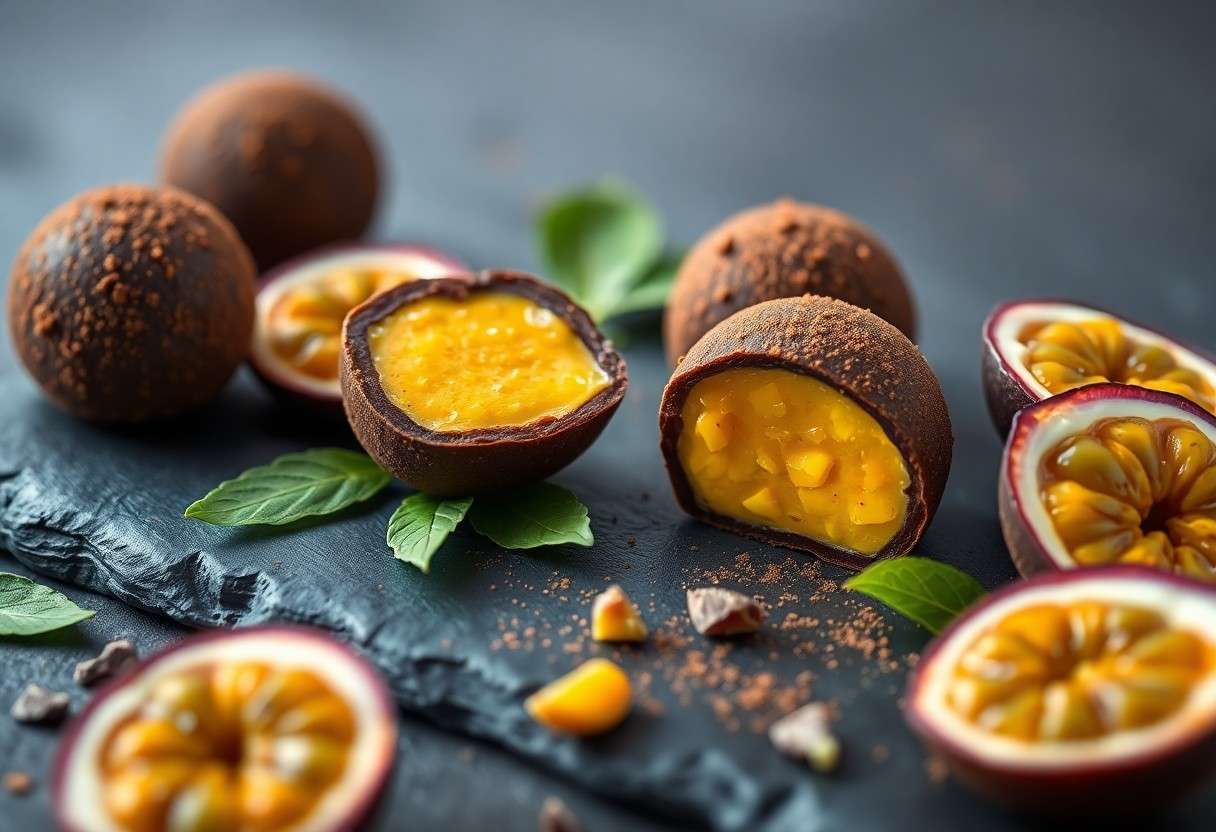
Most chocolate lovers want intense contrast; you should choose truffles with vibrant passion-fruit tang, silky dark ganache, and transparent sourcing, while avoiding products with hidden allergens or overpowering acidity that spoil the balance.
The Flavor Profile of Passion Fruit and Fine Chocolate
Passion fruit’s bright acidity and floral perfume cut through dense chocolate, so you experience a lively contrast that wakes the palate. You should respect high acidity, since it can irritate sensitive teeth or stomachs, while its zing highlights a silky cocoa finish.
Balancing Tropical Acidity with Cocoa Bitterness
Layering passion fruit into ganache asks you to match acidity with chocolate weight; choose medium-dark cacao to tame sharpness. You can adjust sugar or cream, but watch that excess sugar masks terroir and that unbridled acidity can overwhelm fragile textures.
The Role of Aromatic Complexity in Exotic Confections
Aroma profiles guide your pairing decisions as you sense floral esters alongside roasted cocoa notes; lean into chocolates that complement the fruit’s bouquet. You should note that intense aromas amplify perceived sweetness and that volatile esters fade quickly, affecting shelf stability.
Scent layering helps you craft depth by pairing fruit-forward passion fruit with single-origin chocolates showing nutty or caramel notes; you should also avoid artificial flavorings that will overpower delicate aromatics and betray authenticity.
Criteria for Selecting Premium Passion Fruit Truffles
Criteria you should apply include cocoa bean origin, passion fruit authenticity, ganache texture and finish, plus transparent ingredient lists. You must check for clear provenance and be alert to high sugar content and common allergens like milk, soy, nuts, which can alter flavor and pose health risks.
Evaluating Single-Origin Chocolate Bases
Chocolate from a single origin lets you trace specific flavor notes; inspect bean variety, fermentation and roast details to judge complexity. You should favor makers who publish farm or cooperative sources and tasting notes that show distinct terroir, since true origin enhances the fruit-chocolate pairing.
Identifying Natural Fruit Concentrates vs. Artificial Flavors
Taste gives the quickest clue: authentic passion fruit concentrate delivers bright acidity, floral lift and sometimes pulp texture. You must read labels for terms like “passion fruit puree” or percent fruit, since vague listings such as “natural flavors” can mask artificial flavors.
Label scrutiny helps further: choose products stating a fruit percentage or “concentrate” and prefer freeze-pressed or cold‑concentrated fruit over reconstituted syrups. You should avoid unnaturally vivid colors or missing fruit details, as those often indicate artificial colorants or flavor enhancers.
Top Global Brands for Exotic Chocolate Experiences
Brands you trust combine vivid passion fruit purée with disciplined chocolate craft, so you can expect bright, clean fruit acidity balanced by silky ganache. You should watch for mass-produced options that rely on concentrates, which can mask nuance and create overly sweet results.
Renowned European Luxury Chocolatiers
European maisons such as Valrhona and La Maison du Chocolat emphasize precise tempering so you can rely on consistent snap and mouthfeel. Tasting notes often reveal single-origin fruit purées, while offerings that hide behind syrups deserve your scrutiny.
Boutique Artisanal Producers and Award Winners
Boutique makers experiment with heirloom passion fruit and micro-batch ganaches so you can discover floral, tangy profiles that reflect careful sourcing. Expect premium pricing and limited-run batches that sell out fast.
Awards committees evaluate balance, freshness, and inventive pairings, so you should prioritize producers with recent medals and clear provenance; look for bean-to-bar labeling and ethical sourcing as signs of superior flavor.
Essential Ingredients for Gourmet Homemade Truffles
Quality dairy defines ganache; you want heavy cream with at least 35% fat to produce a silky, stable filling. Avoid boiling the cream and heat gently to prevent separation, which will ruin texture.
Fresh ingredients matter; choose high-quality couverture chocolate (55-70% cocoa), unsalted butter for shine, and a pinch of fine sea salt to balance the passion fruit’s acidity. You should use pure passion fruit pulp or a concentrated coulis for consistent brightness.
High-Fat Heavy Cream and Proper Emulsification
Silky ganache relies on proper emulsification; you should pour hot cream over finely chopped chocolate, let it sit, then stir gently from the center until glossy. Hot temperatures can seize chocolate-avoid overheating and stop stirring once a smooth emulsion forms.
Sourcing Fresh Passion Fruit for Maximum Vibrancy
Ripe fruit offers the brightest flavor: you should select passion fruits that feel heavy for their size with slightly wrinkled skin, which indicates concentrated aroma. Handle pulp promptly and consider straining for a smoother ganache while keeping some seeds if you prefer texture.
Check farmers’ markets or specialty grocers for peak-season fruit and freeze excess pulp in ice cube trays for later use; you can thaw exactly the amount you need. Always discard fermented or moldy fruit and strain seeds when you need a velvety filling.
Professional Techniques for Ganache Infusion
Practice precise weighing, controlled infusion times, and gentle emulsification so you can capture the bright acidity of passion fruit without breaking the ganache. You should avoid overheating the chocolate and watch for separation when adding fruit oils; strain purees to remove seeds and control texture for a clean, balanced center.
Mastering Temperature Control for Silky Consistency
Control the temperature of both cream and chocolate to preserve silkiness: heat cream to just below boiling, pour over chocolate at the proper warm range, then stir until glossy. You will keep the ganache smooth by targeting temperatures and avoiding sudden cooling that can cause graininess or fat bloom.
Temperature Guide
| Step | Target Temp |
|---|---|
| Heat cream | 80-90°C (steaming) |
| Pour onto chocolate | 40-45°C |
| Cool ganache before piping | 25-30°C |
| Temper dark shell | 31-32°C |
Enhancing Texture with Crunchy Shells and Fruit Zest
Layer textures by encasing silky ganache in a tempered shell and adding crisp inclusions like toasted nuts or feuilletine so you can deliver contrast on the first bite. You may finish with freeze-dried passion fruit or a light dusting of zest for an immediate burst of aroma and color.
Finish by chilling ganache to the optimal dipping temperature and apply a double coat where needed; this will increase shell durability and give you a clean snap. You must avoid moisture during storage to keep crunchy elements crisp and the flavors lively.
Expert Pairing and Serving Suggestions
Pairings sharpen contrasts; you can match passion fruit truffles with bittersweet chocolate to intensify depth while keeping the filling vibrant. Opt for 60-75% cacao to balance bitterness and fruit, and present small portions so the tang remains the focus.
Serve truffles on plain plates to spotlight aroma and texture, and arrange tasting sequences from light to bold. Keep portions small and offer palate cleansers between bites to maintain clarity of the passion fruit notes.
Complementary Beverages: Sparkling Wines and Herbal Teas
Choose a dry sparkling like Brut to cut richness or a light Moscato d’Asti to mirror sweetness, and pair floral herbal teas for subtle echoing. Brut Champagne refreshes the palate, while jasmine tea complements tropical notes without adding sugar.
Recommended Beverage Pairings
| Beverage | Why it works |
|---|---|
| Brut Champagne | High acidity cleanses fat and brightens passion fruit |
| Moscato d’Asti | Light sweetness mirrors the truffle’s fruitiness |
| Jasmine tea | Floral lift that complements tropical aroma |
| Mint tea | Refreshing palate reset between bites |
Proper Storage and Optimal Tasting Temperatures
Store truffles airtight in a cool, dry spot of the refrigerator at about 2-4°C to prevent bloom and off-odors; you should avoid strong-smelling foods nearby. Do not keep at warm room temperatures where fillings can soften and separate.
Chill before serving for clean presentation, then allow truffles to rest at tasting temperatures of 16-20°C so aromas open and ganache softens. Freeze only for short-term storage and thaw slowly to protect texture.
Storage & Tasting Temperatures
| Condition | Recommendation |
|---|---|
| Refrigeration | Store airtight at 2-4°C |
| Serving | Bring to 16-20°C before tasting |
| Freezing | Short-term only; up to 2 months, thaw slowly |
| Avoid | Heat, sunlight, and strong odors |
Final Words
So you should choose passion fruit truffles that balance tangy acidity with smooth dark chocolate for a truly exotic, memorable bite. You can prioritize truffles made with fresh fruit puree, tempered chocolate shells, and refined ganache to guarantee bright flavor and good texture. Serve chilled or pair with a citrus-forward sparkling wine to heighten contrasts and showcase the fruit’s vibrancy.


