Exploring Minimalist Designs for Gourmet Candy Boxes
There's a growing trend in the world of gourmet candy packaging that emphasizes minimalist designs, drawing attention to the quality and artistry of the confect

This article contains Amazon affiliate links. As an Amazon Associate, CandiesAndSweets earns from qualifying purchases.
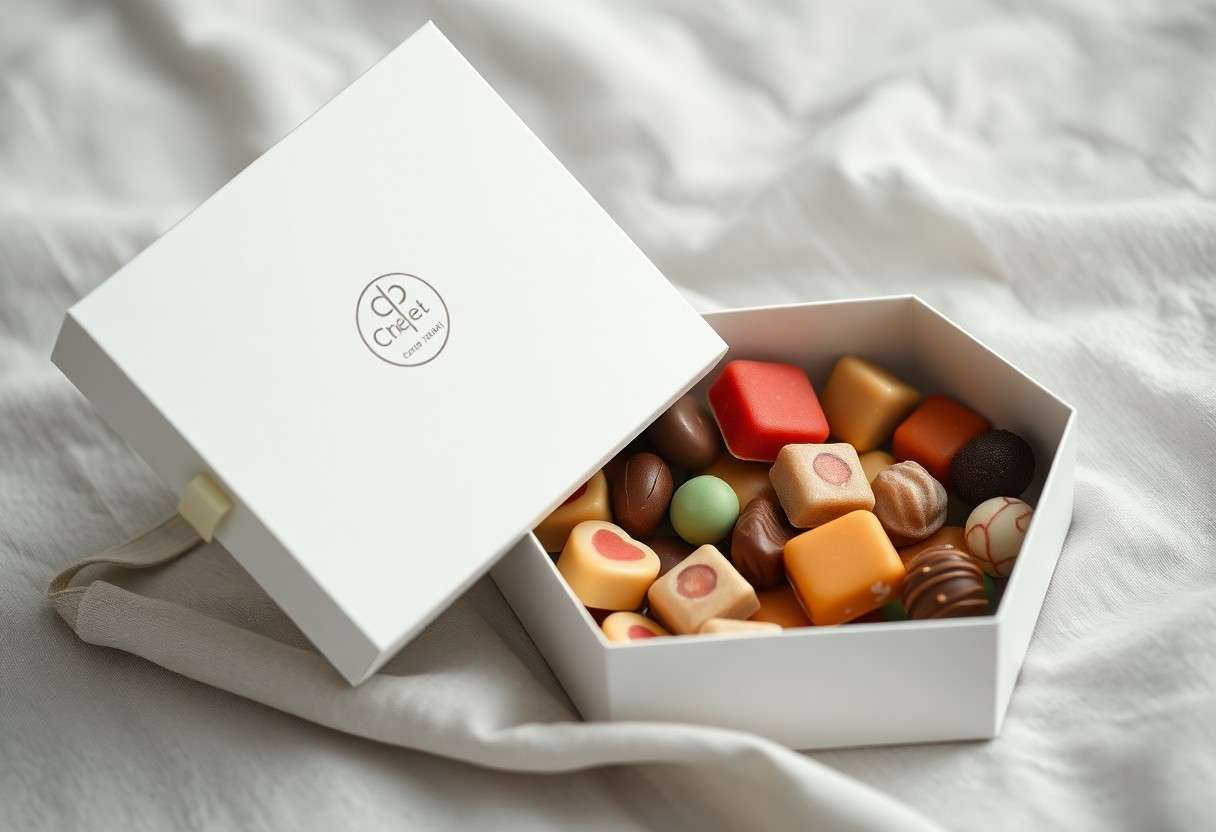
There’s a growing trend in the world of gourmet candy packaging that emphasizes minimalist designs, drawing attention to the quality and artistry of the confections inside. By focusing on simplicity, you can create an elegant and memorable experience for your customers, making your candy stand out in a crowded market. This post will guide you through the principles of minimalist design, helping you discover how to enhance your brand’s appeal and why a clean, uncluttered aesthetic can be the perfect complement to your gourmet treats.
It’s time to elevate your candy presentation with minimalist design principles. By embracing simplicity and elegance, you can create gourmet candy boxes that not only protect your treats but also enhance their visual appeal. This blog post will guide you through the key elements of minimalist design, showcasing how less can indeed be more when it comes to packaging. You’ll discover practical tips and inspiring examples to apply these concepts to your own gourmet candy creations, making sure they stand out in a crowded market.
The Aesthetics of Minimalism in Packaging
The Role of Simplicity in Design Appeal
Minimalist design strips away the superfluous, allowing the crucial features of your gourmet candy to shine. This simplification often results in packaging that is more memorable. Think about how the absence of clutter directs the consumer’s focus; they immediately grasp what the product is, while also appreciating the thoughtfulness of the presentation. Clean lines and ample white space can invoke feelings of sophistication and elegance, critiquing the elaborate designs typical in the candy industry. By adhering to a minimalist aesthetic, your product can create a striking impact, appealing to modern consumers who often favor authenticity and clarity over chaos.
A plethora of successful brands exemplify this approach, showcasing how a well-executed minimalist design can elevate their products. For instance, luxury chocolate brands frequently employ simple, monochromatic color schemes and understated typography. This reinforces the quality and craftsmanship behind their products. You can strive for something similar by evaluating the visual identity of your brand and stripping it down to its core elements—what truly represents your candy, and what message do you want to convey?
Color Schemes and Material Choices for Gourmet Candy Boxes
Effective color schemes in minimalist packaging often lean towards monochromatic palettes or subtle pastels, which speak to elegance without overwhelming the eye. By selecting colors that resonate with your brand ethos, you evoke the right emotions tied to your product. Soft hues like blush pink or muted earth tones can create a welcoming feeling, while bold accents can highlight features without compromising the overall minimalist quality. Additionally, the choice of material also plays a pivotal role; eco-friendly options such as kraft paper or recycled cardboard not only align with minimalism but also appeal to the growing segment of environmentally-conscious consumers.
A minimalist approach to color and materials can evoke a similar sentiment as a piece of fine art. The use of matte finishes combined with uncomplicated, high-quality textures invites tactile engagement. This elevates the unboxing experience, creating a moment that resonates with consumers long after they’ve purchased the candy. Specialty finishes, such as debossing or a spot UV coat on your logo, can further enhance visual appeal without cluttering the design. Choosing the right combination of colors and materials can ensure that your gourmet candy boxes not only stand out on the shelf but also convey the premium quality of the treats inside.
The Allure of Minimalism in Gourmet Packaging
The Psychology of Simplicity
Your brain is wired to respond positively to simplicity. This is particularly relevant in packaging design, where overcrowded visuals can lead to consumer confusion and quick disengagement. Minimalist designs enable you to focus on the product itself, allowing the quality of gourmet candies to shine through. Striking a balance between whitespace and understated elegance draws attention to the intricate details of your candy—like the artisanal crafting or unique flavor combinations—that might get lost in a more cluttered presentation.
How Minimalism Elevates Perceived Value
Elevating Taste through Visual Presentation
The Connection Between Design and Perceived Quality
Your experience of taste begins long before the first bite. Research indicates that packaging plays a significant role in shaping consumer perceptions of quality. A 2019 study highlighted that products housed in elegant, minimalist packaging were associated with a higher taste quality, even when the actual product remained the same. This strong association arises from the visual cues that suggest premium content, sparking your curiosity and heightening your expectations. You might not realize it, but your brain starts assessing the overall culinary proposition based on the aesthetics of the box long before the taste buds get involved.
How Minimalism Enhances Flavor Expectations
Minimalism doesn’t just simplify visuals; it amplifies the expectations you have for taste. A beautifully designed, uncluttered box implies that the flavors within are equally nuanced and carefully curated. For example, when you see a sleek, monochrome package featuring limited yet thoughtful details, it communicates a story of purity, craftsmanship, and intentionality. This can create an emotional connection that shifts your perspective, allowing you to appreciate flavors in a new light.
This connection between design and flavor is particularly potent in the gourmet candy sector. High-end brands such as M&M’s Art and Lindt present their chocolates in minimalistic yet elegant boxes, showcasing just enough detail to entice without overwhelming the senses. This not only aligns with consumer preferences for understated elegance but also allows the richness of flavor to take center stage, ensuring that your taste experience is maximized. A well-designed box entices you to savor each piece, sharpening your focus on the actual flavors being presented rather than distractions from excessive packaging elements.
Key Elements of Minimalist Design in Candy Boxes
Color Palettes that Speak Volumes
Color plays a pivotal role in minimalist design, especially in gourmet candy boxes. Instead of loud and distracting patterns, you’ll find a focus on muted, earthy tones or monochromatic schemes that create a sense of elegance. For instance, pairing a soft beige with a muted pastel can evoke feelings of calmness, encouraging consumers to focus on the quality of the candy inside rather than being overwhelmed by the packaging. Such subtle color choices communicate sophistication and can differentiate your product in a crowded market, ensuring it stands out for all the right reasons.
Utilizing a restricted color palette often translates to stronger brand recognition over time. By adopting consistent colors that align with your brand’s identity, customers will begin to associate those shades with your candy, impacting their emotions and encouraging repeat purchases. A carefully selected color scheme not only makes the box aesthetically pleasing but also reinforces your brand’s narrative and identity without cluttering the visual experience.
The Power of Texture and Material Choices
Choosing the right textures and materials can uplift the minimalist ethos of your candy boxes. Favoring high-quality materials like matte cardboard or recycled paper can give a tactile experience that resonates with consumers, enhancing the unboxing experience. A smooth finish may give a modern vibe, while a rough texture adds an organic touch that speaks to sustainability. Innovations in eco-friendly materials are gaining traction, allowing you to merge minimalism with environmental consciousness effectively.
Textures can create intrigue even in minimal designs, guiding consumers’ hands and encouraging them to physically engage with the product. Each material choice tells a story—whether it’s the luxury of embossed surfaces or the sustainability of biodegradable options. Consider how these choices reflect your brand’s values and the message you want to convey about the quality and origin of your gourmet candies.
Typography: Less is More
Your choice of typography is an vital part of minimalist design. Opting for clean, sans-serif fonts can effectively communicate your brand’s modernity and sophistication. Clarity is key; you want the text to be easily readable without any fancy embellishments that distract from the product information. A well-chosen font can express the essence of your brand in a single glance, allowing your packaging to speak for itself.
Limiting the number of font styles within your design to one or two maintains the minimalist aesthetic and enhances coherence. Consider using varying weight or size to establish hierarchy in the information displayed, such as emphasizing the candy’s name while keeping other details subtle. This approach not only ensures readability but also engages the consumer’s eye, guiding them to the most important aspects of your product packaging.
Innovative Techniques in Minimalist Packaging
Eco-Friendly Materials that Embrace Minimalism
Choosing eco-friendly materials not only aligns with the values of minimalism but also enhances the appeal of your gourmet candy boxes. Biodegradable options like plant-based plastics, recycled paper, and sustainable cardboard create a reduced environmental footprint while still allowing for elegance in design. For instance, brands such as Sugarfina have pioneered the use of recyclable and compostable materials in their packaging, proving that sustainability can seamlessly blend with aesthetic simplicity. By utilizing these materials, you communicate a commitment to the environment, which resonates deeply with today’s conscious consumers.
Additionally, innovative advancements in materials science have introduced options like mushroom packaging and seaweed-based wrappers, adding a unique touch while adhering to minimalist principles. These alternatives not only attract the eco-conscious demographic but also offer a tactile experience that complements the high-end candies you sell. Imagine the delight when a customer opens a box made from such unique materials that reflect a forward-thinking brand ethos.
Functional Design: Balancing Beauty and Purpose
Striking a balance between visual appeal and usability is at the heart of functional minimalist design. Your gourmet candy boxes should not only look stunning on display but also provide an intuitive experience when opened. Consider designs that allow for easy access to the contents—magnetic closures or simple pull tabs can maintain clean lines while enhancing user experience. The thoughtful consideration of opening mechanisms can elevate the unboxing experience, encouraging customers to share their discoveries on social media.
Moreover, think about modular designs that allow for versatile use, letting the box serve a dual purpose beyond storing candy. For example, a candy box that can be transformed into a decorative item adds longevity to your product, making it more appealing to consumers who appreciate multifunctionality. This approach embodies minimalism’s spirit by ensuring that every item has a purpose, further strengthening your brand’s connection with quality over quantity.
Crafting a Unique Brand Identity through Minimalism
Innovative Branding Strategies
Establishing a unique brand identity in the highly competitive gourmet candy market requires innovative approaches that resonate with your audience. Minimalism allows you to strip away unnecessary elements and focus on what truly matters: storytelling and quality. By crafting a cohesive narrative that reflects your brand’s essence, you not only capture attention but foster a deeper connection with consumers. This can be achieved through strategic use of typography and visual hierarchy, ensuring that your brand name stands out on the packaging while maintaining an elegant simplicity. Consider also employing subtle textures or finishes to evoke a sense of luxury without overwhelming the senses.
Utilizing social media as a platform for minimalist branding can further enhance your brand visibility. By consistently sharing content that reflects your minimalist ethos—be it through clean imagery of your products or behind-the-scenes glimpses of your crafting process—you create a space where your audience can engage with your brand on a personal level. Engaging influencers who appreciate and embody minimalist principles can also amplify your message, showing potential customers that your products align with their values and lifestyles.
Case Examples: Brands that Nailed Minimalism
Several brands have successfully embraced minimalism as a core element of their identity, demonstrating how it can effectively convey both sophistication and authenticity. For instance, a brand like “Sugarfina” has utilized a clean, elegant box design that features bold typography against soft pastel colors, effectively highlighting their gourmet product offerings. The minimalistic approach extends to their marketing materials, creating a harmonious brand experience that is easily recognizable and appealing. Similarly, “Compartés Chocolatier” has mastered the art of minimalism by ensuring that their packaging is simple yet striking, allowing the exceptional quality of their gourmet hand-crafted chocolates to take center stage.
These examples illustrate the powerful impact of minimalist design on brand identity. Whether it’s through a focus on sleek packaging or careful selection of a color palette that resonates with target customers, these brands have exemplified how less can indeed be more. By reflecting the essence of your gourmet offerings through minimalist design, you not only establish a unique identity in a saturated market but also foster a lasting relationship with your audience based on authenticity and quality.
Brand Identity and Minimalism: A Powerful Duo
Aligning Minimalist Designs with Brand Values
Minimalist design serves as a canvas for your brand values, allowing you to communicate your message effectively and succinctly. By stripping away unnecessary embellishments, you can focus on what truly matters: the essence of your gourmet offerings. For instance, if your brand emphasizes sustainability, a clean and straightforward packaging design made from recycled materials will not only highlight your commitment to the environment but also resonate with eco-conscious consumers. This alignment helps forge a stronger emotional connection with your audience, reinforcing their loyalty to your brand.
Your choice of typography and imagery can reflect core values as well. Selecting a typeface that embodies elegance or simplicity can elevate the perception of your brand, while using high-quality images in a minimalist layout can showcase the premium nature of your candy products. This unified approach creates a memorable experience for customers, evoking feelings of trust and premium quality that you want associated with your brand.
Case Examples of Successful Minimalist Branding in Gourmet Candy
Several brands have successfully leveraged minimalist design to communicate their identity and enhance product appeal. One standout example is Läderach, a Swiss chocolate maker known for its emphasis on premium quality. Their packaging features understated colors, sleek lines, and a simple logo that conveys luxury without overwhelming the senses. Läderach’s minimalist approach not only emphasizes the craftsmanship of their chocolates but also complements the high-end market they cater to.
Another example is the Brooklyn-based brand, Purdys Chocolatier, which utilizes elegant, minimalist packaging to emphasize its artisanal roots while maintaining a modern aesthetic. Their boxes often feature a simple, elegant design that prioritizes brand storytelling and product presentation over excessive decoration. This approach effectively highlights the quality of the chocolates, attracting both casual buyers and connoisseurs alike.
These case studies illustrate how effective minimalist branding can enhance customer perception and drive brand loyalty. By focusing on simplicity and clarity, Läderach and Purdys Chocolatier create an easy-to-navigate experience that allows consumers to appreciate the craftsmanship of their products without distraction. Adopting similar principles in your own candy packaging can elevate your brand’s identity, making it stand out in a crowded marketplace.
Practical Steps for Transitioning to Minimalist Designs
Assessing Current Packaging: What to Keep or Discard
The first step in transitioning to minimalist designs involves a thorough evaluation of your existing packaging. Start by taking an inventory of your current candy boxes. Identify the elements that resonate well with consumers, such as unique shapes, colors, or branding elements that stand out. Consider conducting customer surveys or focus group discussions to gain insights into what specific aspects they appreciate. This feedback can help you determine which features to retain, ensuring that the essence of your brand is not lost during the transition.
Collaborating with Designers for Effective Execution
Once you have assessed your current packaging, the next step is to work closely with design professionals who excel in minimalist aesthetics. A designer with a strong portfolio in packaging can translate your vision into a compelling design that captures the essence of gourmet candy while adhering to minimalist principles. Share your insights and goals openly, allowing them to craft options that align with your brand identity.
Additionally, effective collaboration ensures that you remain involved in the design process. Regular check-ins, feedback loops, and brainstorming sessions can help you develop a design that feels authentic to your brand. If possible, leverage tools like mood boards and CAD software to visualize different concepts before finalizing the design. This will empower you to make informed choices and minimize revisions down the line, ultimately leading to a product that is both beautiful and true to your brand’s core values.
Practical Insights for Creating Minimalist Candy Boxes
Step-by-Step Guide to Designing Elegant Boxes
| Steps | Details |
| 1. Define Your Brand Aesthetic | Clarify your brand identity, color palette, and the type of emotions you want to evoke with your candy boxes. Minimalism should reflect your brand while maintaining simplicity. |
| 2. Choose Quality Materials | Opt for eco-friendly, high-quality materials that convey luxury and transparency in your packaging choices, aiding the minimalist look. |
| 3. Focus on Functionality | Create boxes that are not only visually appealing but also practical. Their design should facilitate easy opening and secure storage of the candies. |
| 4. Simplify Graphics | Limit the use of images and text, focusing on a single standout visual element or a succinct tagline that captures the essence of your products. |
| 5. Use Negative Space Effectively | Employ negative space strategically to draw attention to your brand name or logo, which enhances clarity and focuses the viewer’s attention. |
Common Pitfalls and How to Avoid Them
Opting for a minimalist approach can lead to certain challenges that may detract from your vision. One common pitfall occurs when overthinking the simplicity—what should be an elegant design can quickly become stale or lifeless. Striking the right balance is key; find inspiration in other minimalist designs but strive to keep your unique elements intact. Another issue arises from skimping on quality. Thin materials that look cheap will compromise your brand’s message, regardless of how minimalist your design is. Investing in the right materials enhances the overall aesthetic and user experience.
To prevent these setbacks, draw up a clear design plan that outlines your objectives and keeps you focused. Regularly evaluate your designs through feedback sessions with trusted sources. Utilizing mock-ups can also prevent unforeseen design flaws before you opt for mass production. Simplifying doesn’t mean lack of detail—instead, it can highlight your strengths when executed thoughtfully.
Challenges and Considerations in Minimalist Packaging
Balancing Functionality with Aesthetics
Achieving the perfect blend of functionality and aesthetics can be particularly challenging in minimalist packaging, especially for gourmet candy boxes. You need to ensure that the design remains practical while exuding elegance. For instance, using a simple, unadorned box might underscore the premium nature of the candies inside, yet risk compromising structural integrity. Opting for uncoated paper with a soft texture can elevate the feel and retain durability, but requires careful choice in weight and thickness to prevent tearing or bending. Conducting thorough testing with various materials before settling on the final design will help you prevent common pitfalls.
Incorporating elements like easy-open mechanisms, stackable designs, or compartments for different candy types can enhance usability without cluttering the visual appeal. Minimalism doesn’t mean sacrificing practicality; it’s about distilling your design to its essence. For instance, you might consider sliding boxes or magnetized closures that discreetly add functionality while keeping the overall look sleek.
Sustainability in Minimalist Design Choices
Sustainable practices play a pivotal role in minimalist packaging, as consumers are increasingly leaning towards brands that prioritize eco-friendliness. This can mean selecting biodegradable materials or recyclable options that support minimal waste. Cardboard, for example, can be sourced from post-consumer recycled content that fits seamlessly into your minimalistic aesthetic. You might also choose to omit plastic coatings and glues, which often complicate the recycling process, to keep your packaging clean and green.
Emphasizing a minimalist design allows you to sidestep excess materials while maintaining an ethos that resonates with eco-conscious buyers. For example, a simple cardboard box secured with a paper twine or a kraft paper band can communicate a commitment to sustainability, enhancing your brand’s image without overpowering the product’s visual integrity. By leveraging local suppliers for materials, you can also reduce environmental impact while supporting your community, aligning your brand’s values with sustainable practices.
Conclusion
Ultimately, exploring minimalist designs for gourmet candy boxes opens up a world of possibilities for enhancing your brand’s aesthetic and customer experience. By focusing on simplicity and elegance, you can elevate your product presentation to reflect the quality of your confections. The lack of unnecessary embellishments allows your candy to take center stage, drawing attention to its unique flavors and textures. This approach not only aligns with modern design trends but also resonates well with your target audience, who often seek authenticity and straightforwardness in their purchases.
Incorporating minimalist elements into your packaging can lead to memorable unboxing experiences that highlight your gourmet offerings. Consider using eco-friendly materials and subtle branding techniques to reinforce your commitment to quality and sustainability. By embracing minimalism, you can create a lasting impression that encourages repeat purchases and builds brand loyalty. As you investigate into this design philosophy, keep your core values in mind, ensuring that each box not only looks exquisite but also encapsulates the essence of your candy craft.
Summing up
Taking this into account, it becomes clear that exploring minimalist designs for gourmet candy boxes can elevate your brand and appeal to discerning customers. By focusing on simplicity, you create an inviting aesthetic that accentuates the quality of your products. Minimalist packaging allows the gourmet candies to stand out, making your offerings more memorable while fostering a sophisticated image that resonates with today’s consumers who appreciate form as much as function.
Furthermore, opting for a minimalist approach can streamline your production processes and reduce costs. With fewer design elements to consider, you can focus on high-quality materials that enhance the unboxing experience. As you venture into minimalism, ask yourself how you can reflect your brand’s values and story through each package you create. Ultimately, embracing minimalist designs can significantly enhance the way your gourmet candies are perceived in a competitive market.


